As low as $12
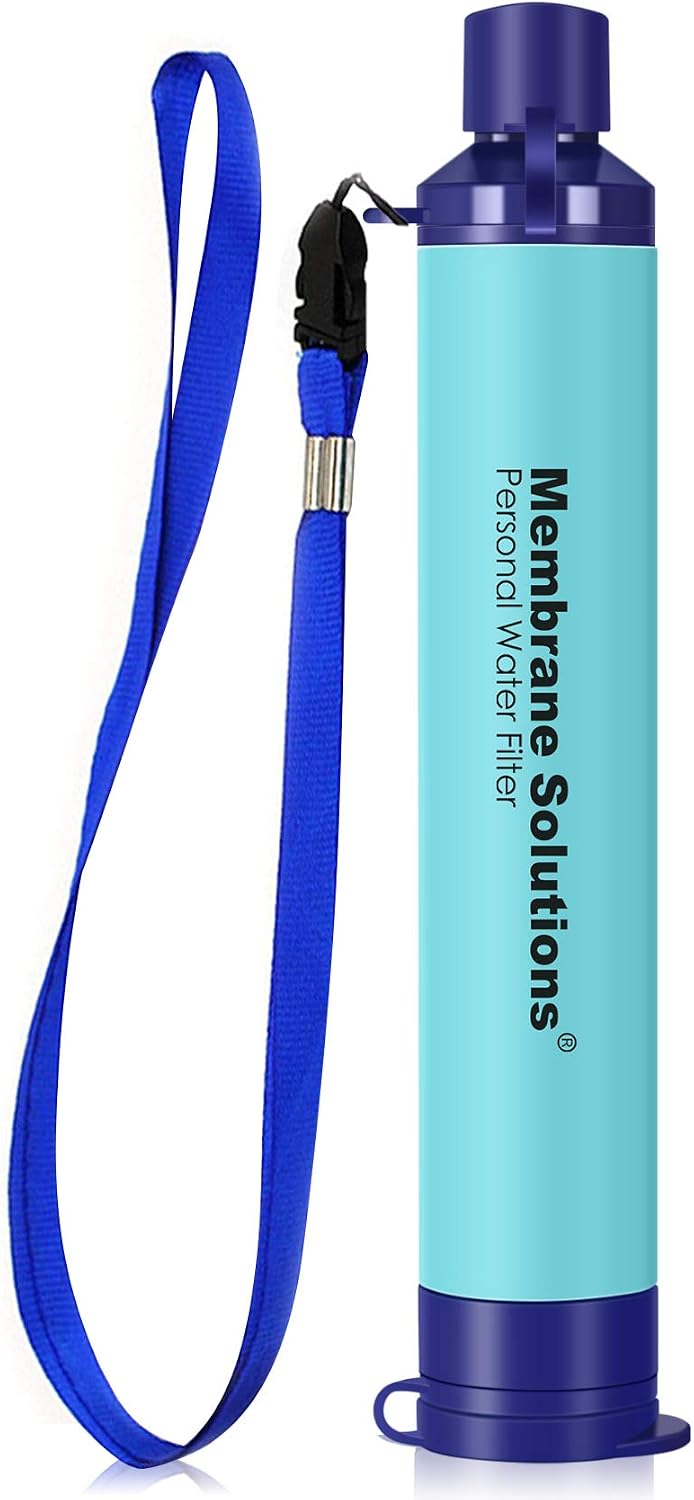
Built for travel, hiking & emergencies - drink safely whether the water is unsafe or just tastes off.
- NSF/ANSI 42, 372 & 401 certified, 0.1 micron filtration
- Filters up to 1,320 gallons - no batteries or pumping
- Ultralight - fits in any bag or pocket
- BPA-free, compatible with standard 28mm bottle threads
Tap water in Peru is generally not safe for travelers to drink without treatment. While major cities like Lima have treated municipal water, aging infrastructure and contamination risks mean most visitors should stick to bottled or purified water. Rural and highland areas present even greater risks due to limited water treatment facilities.
Quick Reference
| Concern | Our Advice | |
|---|---|---|
| Drink tap water? | ❌ | Use bottled or filtered water |
| Brush teeth? | ❌ | Use bottled or filtered water |
| Wash fruits / veg? | ❌ | Wash with filtered or bottled water |
| Use ice in drinks? | ❌ | Avoid unless confirmed purified |
| Shower safely? | ✅ | Yes |
| Filter bottle needed? | ❌ | Strongly recommend a Membrane Solutions Filter Straw for all travelers |
| Common risks | Bacterial contamination, Parasitic infections, Heavy metals from mining runoff, E. coli, Giardia, Chlorination byproducts, Sediment and turbidity |

Key Statistics


Affiliate links — we earn a small commission at no extra cost to you.
Water Infrastructure & Supply
Peru's water infrastructure has undergone significant development over the past several decades, but major challenges remain. SEDAPAL (Servicio de Agua Potable y Alcantarillado de Lima) manages water supply for the capital, drawing from Andean rivers and treating water at several major plants including La Atarjea, which serves millions of residents. However, many of Lima's distribution pipes date back decades and suffer from leaks, cross-contamination, and intermittent service in peripheral neighborhoods.
The country's water treatment relies primarily on conventional processes including coagulation, sedimentation, filtration, and chlorine disinfection. In major cities, water leaving treatment plants generally meets national standards, but contamination often occurs in the distribution network through aging pipes, low-pressure zones, and illegal connections. In rural highland and jungle regions, many communities rely on untreated or minimally treated surface water and springs, with limited monitoring capacity.
Peru has invested heavily in water infrastructure through programs like the National Program for Rural Water Supply and Sanitation (PRONASAR) and international development financing from the World Bank and Inter-American Development Bank. Major projects include expanding Lima's water supply through the Marca II tunnel project and improving wastewater treatment with plants like the Taboada facility, one of South America's largest. Despite these efforts, an estimated 3 million Peruvians still lack access to safe water, particularly in remote Andean and Amazonian communities.
Contamination & Health Risks
The primary health risks from Peruvian tap water for travelers include gastrointestinal infections caused by bacteria (E. coli, Salmonella), parasites (Giardia lamblia, Cryptosporidium), and viruses. Traveler's diarrhea affects a significant proportion of visitors to Peru, with contaminated water being a major transmission route. The CDC classifies Peru as a destination where travelers should avoid tap water consumption.
Mining activity in Peru's highlands poses additional contamination risks. Peru is one of the world's largest producers of copper, gold, zinc, and lead, and mining operations have been linked to heavy metal contamination of watersheds, particularly in regions like Cajamarca, Cerro de Pasco, and parts of the Madre de Dios region where illegal gold mining releases mercury into waterways. Agricultural runoff containing pesticides also affects water quality in coastal valleys.
For travelers, the practical risks are most acute when consuming uncooked foods washed in tap water, drinking beverages with ice made from untreated water, and brushing teeth with tap water. Even in upscale hotels in Lima and Cusco, it is advisable to use bottled or purified water for drinking and oral hygiene. Showering is generally safe as long as water is not swallowed, but travelers with sensitive skin may notice chlorine levels or mineral content differences.
Regional Water Quality Breakdown
Lima
cautionLima's water is treated by SEDAPAL and chlorinated, but aging distribution infrastructure and intermittent service in outer districts can compromise quality. Most locals and all travelers are advised to drink bottled or filtered water. Upscale districts like Miraflores and San Isidro tend to have more reliable supply.
Cusco & Sacred Valley
avoidCusco's high altitude and older infrastructure mean tap water is not reliably safe. The combination of altitude sickness and waterborne illness can be particularly debilitating for travelers. Always use bottled or purified water, including for brushing teeth.
Arequipa
cautionArequipa has a relatively modern water system fed by Andean snowmelt, but water quality can vary by neighborhood and season. Volcanic mineral content is naturally high. Travelers should use bottled water for drinking and oral care.
Iquitos & Amazon Region
avoidIn the Amazon basin, tap water quality is poor and infrastructure is limited. River water sources carry high sediment loads, bacterial contamination, and potential mercury from illegal mining. Bottled or thoroughly purified water is essential for all consumption.
Puno & Lake Titicaca
avoidPuno faces significant water quality challenges, with Lake Titicaca suffering from sewage and mining pollution. The municipal water system is unreliable, and high altitude compounds health risks from waterborne illness. Only drink sealed bottled water.
Trujillo & Northern Coast
cautionTrujillo and coastal cities in the north have improving but inconsistent water infrastructure. El Nio events periodically disrupt water supply and quality. Agricultural runoff from nearby valleys can affect source water. Bottled water is recommended.
Practical Tips for Travelers
- Always drink bottled water sealed with an intact cap , check that the seal hasn't been broken or refilled, as counterfeit bottled water exists in some tourist areas.
- In restaurants, ask for "agua embotellada" (bottled water) or "agua sin gas" (still water) / "agua con gas" (sparkling water) to ensure you receive sealed bottles rather than tap water.
- Bring a reliable filter bottle like a Grayl GeoPress or LifeStraw Go , these remove bacteria, parasites, and particulates and will save you money while reducing plastic waste throughout your trip. Strongly recommend the Membrane Solutions Filter Straw.
- Avoid ice in drinks unless you are at an upscale restaurant or bar that confirms they use purified water ("hielo de agua purificada") , street vendors and budget eateries typically use untreated tap water for ice.
- Peel all fruits yourself and avoid pre-cut fruit from street carts, as it may have been washed or handled with tap water. When in doubt, stick to fruits you can peel like bananas, oranges, and mangoes.
- Use bottled water for brushing teeth, especially in Cusco, Puno, and jungle regions where contamination risk is highest , keep a bottle next to the sink as a reminder.
- Be extra cautious during the rainy season (November, April) when flooding and runoff can significantly worsen tap water quality, even in cities with normally adequate treatment.
- Pack oral rehydration salts (such as Electrolit, widely available in Peruvian pharmacies) in case of traveler's diarrhea , staying hydrated at altitude is critical if you become ill in Cusco or Puno.
Bottled Water Availability & Cost
Bottled water is widely available throughout Peru at convenience stores, bodegas, supermarkets, restaurants, and street vendors. Popular local brands include San Luis (owned by Coca-Cola), Cielo (owned by AJE Group), and San Mateo. A 500ml bottle typically costs S/1.50, S/3.00 (approximately $0.40, $0.80 USD) at shops, while restaurants may charge S/4.00, S/8.00 ($1.00, $2.10 USD). A 2.5-liter bottle at a supermarket like Plaza Vea or Wong costs around S/3.00, S/5.00 ($0.80, $1.30 USD).
For longer stays, buying 20-liter bidones (jugs) from delivery services is economical, costing approximately S/10, S/15 ($2.60, $4.00 USD) each. Many hostels and hotels provide filtered water or water dispensers for guests. Travelers concerned about plastic waste can bring a quality filter bottle such as a LifeStraw or Grayl, which will pay for itself quickly and significantly reduce single-use plastic consumption , an important consideration given Peru's growing plastic pollution problem along coastlines and waterways.
Frequently Asked Questions
Can I brush my teeth with tap water in Peru?
It is not recommended to brush your teeth with tap water in Peru, especially in Cusco, Puno, Iquitos, and rural areas. Even in Lima, most health authorities advise using bottled or purified water for brushing teeth. The risk of ingesting small amounts of contaminated water is enough to cause traveler's diarrhea.
Is it safe to shower in Peruvian tap water?
Yes, showering in Peruvian tap water is generally safe as long as you keep your mouth closed and avoid swallowing water. The main risks come from ingestion, not skin contact. If you have open wounds or very sensitive skin, you may want to take extra precautions.
Is ice safe in drinks in Peru?
Ice is risky in Peru unless you are at an upscale restaurant, international hotel, or establishment that explicitly uses purified water for ice production. Many budget restaurants and street vendors make ice from untreated tap water. When in doubt, order drinks without ice ("sin hielo").
Can I drink tap water at hotels in Lima?
Even at high-end hotels in Lima's tourist districts like Miraflores and Barranco, it is best not to drink tap water directly. Most quality hotels provide complimentary bottled water in rooms or have filtered water dispensers. Always check with the front desk about their water situation.
How much does bottled water cost in Peru?
A 500ml bottle costs S/1.50, S/3.00 (about $0.40, $0.80 USD) at shops and bodegas. In restaurants, expect to pay S/4.00, S/8.00 ($1.00, $2.10 USD). Large 2.5L bottles at supermarkets cost around S/3.00, S/5.00. The most common brands are San Luis, Cielo, and San Mateo.
Is the tap water safe to drink in Cusco?
No, tap water in Cusco is not safe for travelers to drink. The city's aging infrastructure and highland water sources present contamination risks. Combined with the altitude (3,400m), getting a stomach illness in Cusco can be particularly miserable. Stick exclusively to bottled or purified water.
Can I eat salads and raw vegetables in Peru?
Exercise caution with raw vegetables and salads, especially at street stalls and budget restaurants where produce may be washed in tap water. Higher-end restaurants in tourist areas typically wash produce with purified water. When unsure, opt for cooked dishes , Peru's incredible cuisine like lomo saltado and aj de gallina are all cooked.
Do I need a water filter bottle for traveling in Peru?
A quality filter bottle is highly recommended for Peru, especially if you plan to visit multiple regions or travel on a budget. A Grayl GeoPress or similar purifier bottle can remove bacteria, parasites, and viruses, saving you money on bottled water and reducing plastic waste. It's particularly valuable for trekking the Inca Trail or visiting remote areas.
Traveling Nearby?
Check tap water safety in neighboring countries:
Bolivia Brazil Chile Colombia EcuadorInteresting Product Reviews
6 Best Water Softener Salts (2026 Review Guide)
Aug 13, 2026
7 Best Shower Filters For Chlorine (2026 Review Guide)
Jul 27, 2026
8 Best Collapsible Water Bottles For Travel (2026 Review Guide)
Jul 14, 2026
7 Best Shower Filters For Hard Water (2026 Review Guide)
Jul 26, 2026
6 Best Water Bottles With Time Markers (2026 Review Guide)
Aug 7, 2026