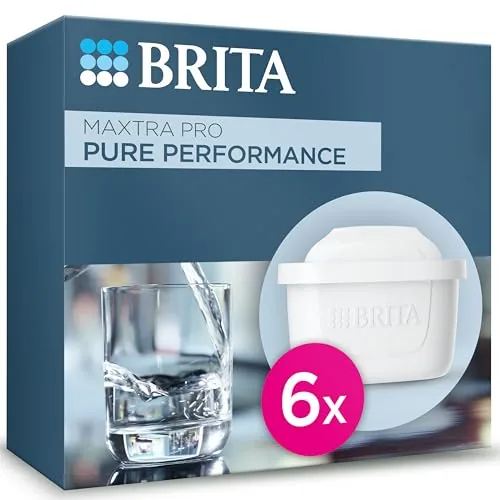
As low as $12
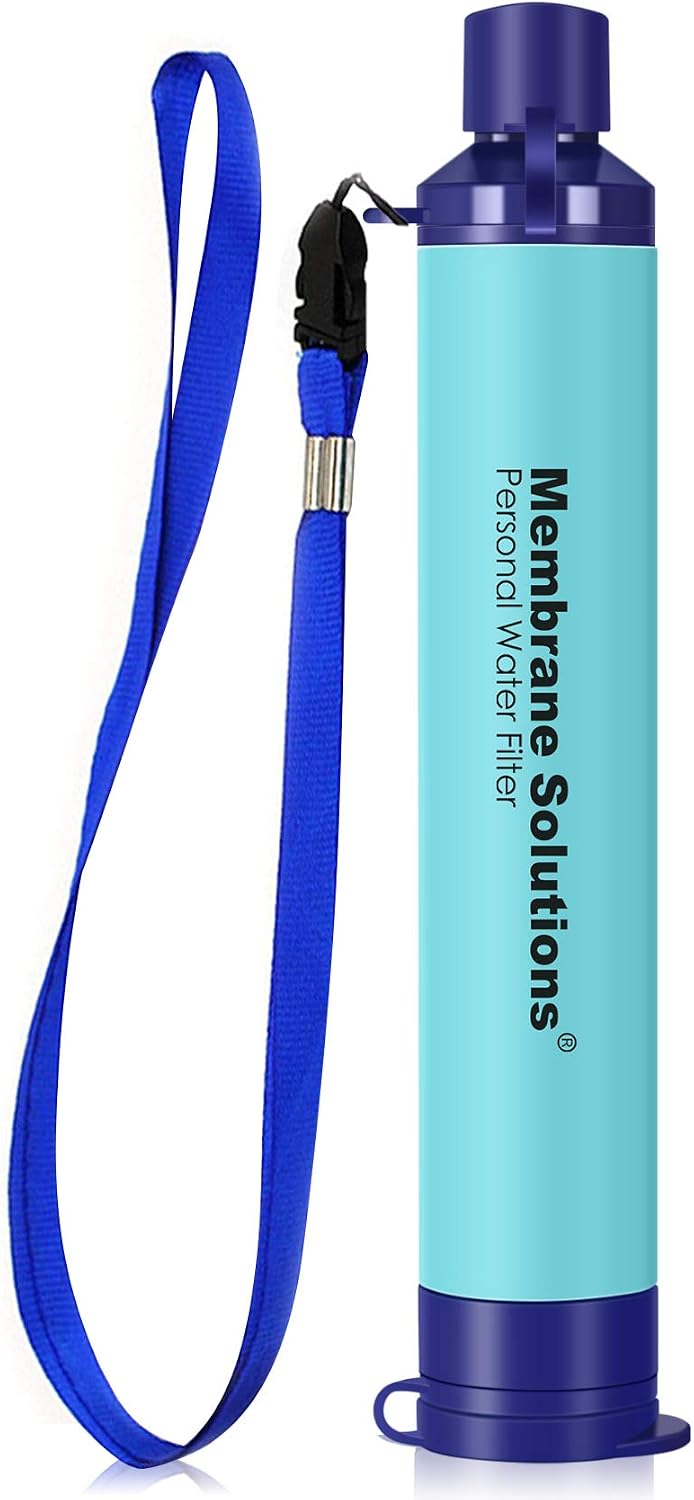
Built for travel, hiking & emergencies - drink safely whether the water is unsafe or just tastes off.
- NSF/ANSI 42, 372 & 401 certified, 0.1 micron filtration
- Filters up to 1,320 gallons - no batteries or pumping
- Ultralight - fits in any bag or pocket
- BPA-free, compatible with standard 28mm bottle threads
Tap water in major Argentine cities like Buenos Aires is generally treated and considered safe for locals, but travelers may experience stomach discomfort due to different mineral content and chlorination levels. In rural areas and smaller towns, water quality can vary significantly, and bottled or filtered water is recommended. A cautious approach is advisable, especially outside the capital and major urban centers.
Quick Reference
| Concern | Our Advice | |
|---|---|---|
| Drink tap water? | ❌ | Use bottled or filtered water |
| Brush teeth? | ✅ | Yes, no concerns |
| Wash fruits / veg? | ✅ | Yes, safe to use tap water |
| Use ice in drinks? | ✅ | Yes, safe in restaurants |
| Shower safely? | ✅ | Yes |
| Filter bottle needed? | ❌ | Strongly recommend a Membrane Solutions Filter Straw for all travelers |
| Common risks | Bacterial contamination in rural areas, Heavy metals (arsenic in groundwater), Chlorination byproducts, Agricultural runoff, Parasitic contamination in remote regions |

Key Statistics


Affiliate links — we earn a small commission at no extra cost to you.
Water Infrastructure & Supply
Argentina's water infrastructure has its roots in the late 19th century when Buenos Aires established one of South America's first modern water treatment systems. The national utility AySA (Agua y Saneamientos Argentinos) serves the Greater Buenos Aires metropolitan area, while provincial utilities manage water in the rest of the country. Historical investment cycles have led to significant variation in infrastructure quality between Buenos Aires and provincial areas.
The Buenos Aires metropolitan system draws primarily from the Ro de la Plata, treating water through conventional processes including coagulation, sedimentation, filtration, and chlorination at large plants like the Gral. San Martn facility. In contrast, many interior provinces rely heavily on groundwater, which in the Chaco-Pampean plain is naturally contaminated with arsenic at levels exceeding WHO guidelines. Aging pipe networks in some cities contribute to recontamination risks between treatment plants and household taps.
Significant investment programs have been underway, including the Plan Nacional de Agua Potable y Saneamiento launched in 2016, aiming to extend safe water access to 100% of the population. Major projects include expansion of the Paran de las Palmas treatment plant, new arsenic removal facilities in affected provinces, and sewer system extensions in Greater Buenos Aires. The Inter-American Development Bank and World Bank have funded several multi-billion dollar water and sanitation improvement programs across Argentine provinces.
Contamination & Health Risks
The primary health risk for travelers in Argentina relates to arsenic contamination of groundwater, particularly in the provinces of Buenos Aires (interior), Santa Fe, Crdoba, Chaco, Santiago del Estero, Tucumn, and La Pampa. Chronic arsenic exposure has been linked to a condition locally known as HACRE (Hidroarsenicismo Crnico Regional Endmico), though short-term traveler exposure presents minimal risk. In urban areas, the main concern is typically gastrointestinal adjustment to different water mineral content and chlorination levels rather than serious pathogens.
Agricultural regions, especially in the Pampas and Patagonian river valleys, face risks from pesticide and fertilizer runoff contaminating water sources. Industrial pollution affects some waterways, notably the Matanza-Riachuelo Basin in southern Buenos Aires, one of the most polluted river systems in the world. While these issues primarily affect surface water rather than treated drinking supplies, they underscore the importance of relying on properly treated municipal water.
For travelers, the practical risks include mild digestive discomfort during the first few days when drinking Buenos Aires tap water, and more significant contamination risks when visiting rural or remote areas. Tap water in well-maintained hotels in major tourist cities is generally adequate for brushing teeth and showering. However, travelers with sensitive stomachs, pregnant women, and young children should err on the side of caution and use bottled or filtered water for drinking throughout their trip.
Regional Water Quality Breakdown
Buenos Aires (City)
cautionBuenos Aires has a modern water treatment system operated by AySA, drawing from the Ro de la Plata. Tap water is chlorinated and regularly tested, and locals drink it routinely. However, travelers may experience mild digestive discomfort, and aging pipe infrastructure in some neighborhoods can affect quality at the tap.
Mendoza
cautionMendoza's water comes from Andean snowmelt and is generally well-treated in the city center. Water quality is considered good by Argentine standards, though some outlying areas may have less reliable treatment. Travelers visiting wineries in rural areas should stick to bottled water.
Patagonia (Bariloche, El Calafate, Ushuaia)
safePatagonian cities generally have excellent water quality sourced from pristine glacial lakes and rivers. Bariloche's water from Lake Nahuel Huapi is among the cleanest in Argentina. Most travelers drink the tap water here without issues, though remote estancias and campgrounds may have untreated supplies.
Crdoba
cautionCrdoba city has treated municipal water, but the province faces challenges with arsenic contamination in groundwater sources and agricultural runoff. Travelers should stick to bottled water outside the main urban center, particularly in smaller towns in the province's interior.
Northwest (Salta, Jujuy, Tucumn)
cautionThe northwestern provinces, popular with tourists visiting Quebrada de Humahuaca and wine regions, have variable water quality. City centers like Salta generally have treated water, but rural and indigenous communities often lack proper treatment. Bottled water is recommended throughout this region.
Northeast (Misiones, Chaco, Corrientes)
avoidThe subtropical northeast, including Iguaz Falls area, faces significant water quality challenges including microbial contamination, limited treatment infrastructure, and flooding that can compromise water systems. Travelers should drink only bottled or filtered water throughout this region, even in Puerto Iguaz hotels.
Practical Tips for Travelers
- Carry a filter straw (e.g., Membrane Solutions) — it removes bacteria, parasites, and microplastics from any tap or stream. Strongly recommend the Membrane Solutions Filter Straw.
- In restaurants, ask for 'agua mineral sin gas' (still mineral water) or 'con gas' (sparkling) , tap water is rarely served in Argentine restaurants, and waiters will bring bottled water by default.
- Carry a filtered water bottle like LifeStraw or Grayl, especially when traveling outside Buenos Aires and Patagonia, as water quality varies dramatically across provinces.
- In Buenos Aires, let tap water run for 30 seconds before filling your glass, particularly in older buildings, to flush any sediment or lead from aging pipes.
- Ice in restaurants and bars in major cities is typically made from treated water and is generally safe , Argentina's food service industry commonly uses commercial ice production.
- When hiking in Patagonia, water from high-altitude mountain streams may appear crystal clear but can contain Giardia , always filter or treat backcountry water sources.
- Avoid drinking tap water in the Chaco and Santiago del Estero provinces, where arsenic levels in groundwater frequently exceed WHO safety limits by several times.
- If you're preparing mate (Argentina's national drink), locals use tap water , but travelers with sensitive stomachs should use bottled water for the thermos, especially in the first few days.
- Check with your hotel about their water source , many upscale hotels and Airbnbs in popular tourist areas use additional filtration or water coolers with purified water for guests.
Bottled Water Availability & Cost
Bottled water is widely available throughout Argentina at convenience stores (kioscos), supermarkets, restaurants, and gas stations. Popular local brands include Villavicencio, Eco de los Andes, Glaciar, and Villa del Sur. A 500ml bottle typically costs ARS 800, 1,500 (approximately USD 0.70, 1.30) at a kiosco, while a 1.5-liter bottle ranges from ARS 1,200, 2,000 (USD 1.00, 1.70). In restaurants, bottled water (agua mineral con gas or sin gas) generally costs ARS 2,000, 4,500 (USD 1.70, 3.80) per bottle.
For budget-conscious travelers, purchasing 6-packs of 1.5-liter bottles at supermarkets like Carrefour, Coto, or Jumbo offers significant savings, typically around ARS 5,000, 8,000 (USD 4.30, 6.80) per pack. Argentina has a strong culture of drinking sparkling water (agua con gas), so always specify "sin gas" if you prefer still water. Travelers concerned about plastic waste should consider bringing a reusable bottle with a built-in filter, which is both cost-effective and environmentally responsible given the limited recycling infrastructure in many Argentine cities.
Frequently Asked Questions
Can I brush my teeth with tap water in Argentina?
Yes, in major cities like Buenos Aires, Mendoza, Crdoba, and Patagonian towns, tap water is treated and safe for brushing teeth. The brief exposure from tooth brushing poses minimal risk. In very rural or remote areas with untreated water, use bottled water as a precaution.
Is it safe to shower in Argentine tap water?
Yes, showering in tap water is safe throughout Argentina. The skin is an effective barrier against waterborne contaminants, and the risk of ingesting significant amounts of water while showering is minimal. Just try to avoid swallowing water in areas where tap water quality is questionable.
Is ice safe in Argentine drinks?
In Buenos Aires and major tourist cities, ice in restaurants and bars is generally safe as it's typically produced commercially from purified water. In very small towns or street food stalls in rural areas, you may want to ask 'sin hielo' (without ice) as a precaution.
Can I drink tap water in Buenos Aires restaurants?
Argentine restaurants typically do not serve tap water , you'll be offered bottled mineral water (agua mineral) as standard. This is a cultural norm rather than a safety concern. If you specifically request tap water ('agua de la canilla'), most restaurants will provide it, though it's uncommon.
How much does bottled water cost in Argentina?
A 500ml bottle costs about ARS 800, 1,500 (USD 0.70, 1.30) at a kiosk, while 1.5-liter bottles run ARS 1,200, 2,000 (USD 1.00, 1.70). Restaurant prices are higher, typically ARS 2,000, 4,500 per bottle. Buying in bulk at supermarkets offers the best value.
Is the water safe to drink in Patagonia?
Patagonian cities like Bariloche, El Calafate, and Ushuaia have some of Argentina's best tap water, sourced from clean glacial lakes and rivers. Most travelers and locals drink it without issues. However, backcountry water from streams should still be filtered or purified due to possible Giardia contamination.
Why does Argentine tap water sometimes taste different?
Argentine tap water often has a noticeable chlorine taste, particularly in Buenos Aires, due to the treatment process for Ro de la Plata water. The mineral content also differs from what many travelers are accustomed to. Letting water sit in an open container for 30 minutes allows chlorine to dissipate, improving the taste.
Is it safe to eat salads and raw fruits washed in tap water in Argentina?
In major cities and tourist restaurants, fruits and salads washed with tap water are generally safe to consume. The treated municipal water is adequate for food washing. In rural areas or street markets, it's advisable to peel fruits yourself and be more cautious with raw salads, or wash produce with bottled water.
Traveling Nearby?
Check tap water safety in neighboring countries:
Bolivia Brazil Chile Paraguay UruguayInteresting Product Reviews
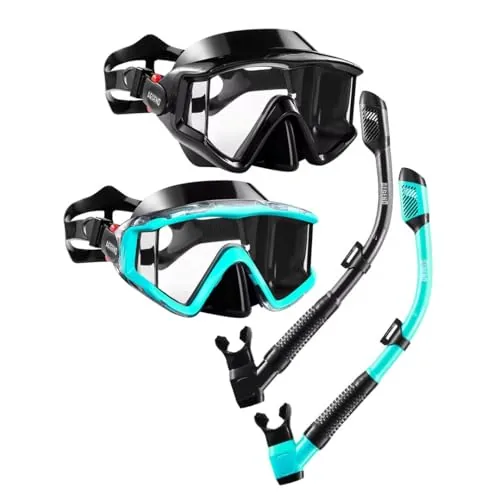
9 Best Snorkel Gear (2026 Review Guide)
Aug 26, 2026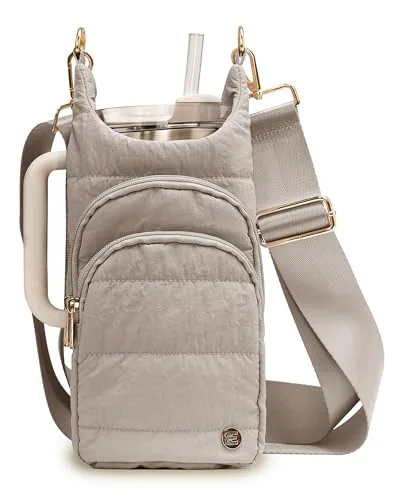
8 Best Water Bottle Carriers And Slings (2026 Review Guide)
Aug 8, 2026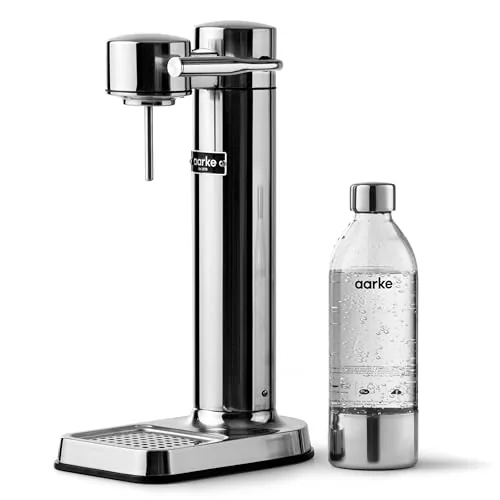
9 Best Sparkling Water Makers (2026 Review Guide)
Aug 11, 2026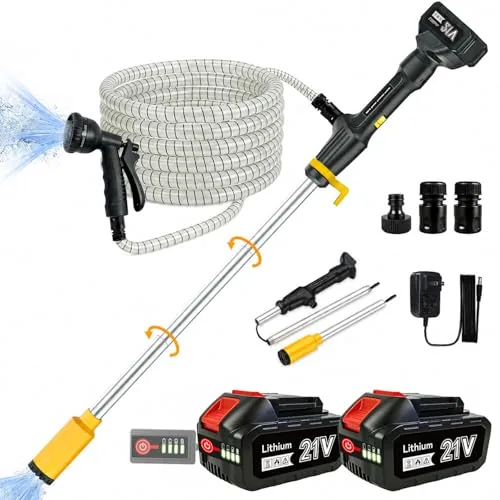
9 Best Rain Barrel Pumps (2026 Review Guide)
Aug 22, 2026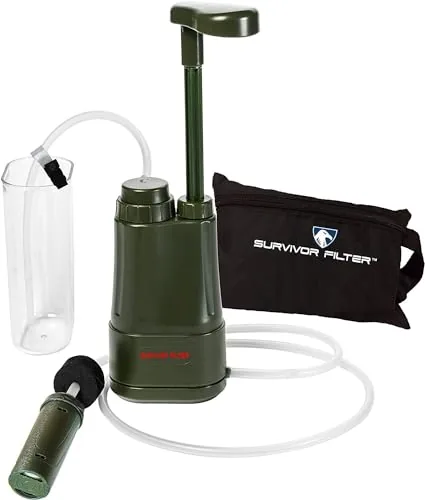
9 Best Pump Water Filters For Backpacking (2026 Review Guide)
Jul 13, 2026