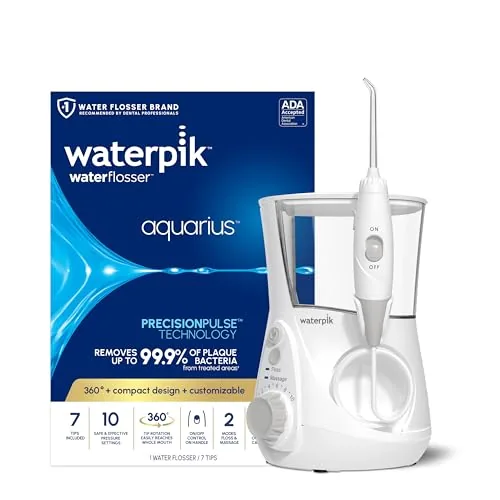
As low as $12
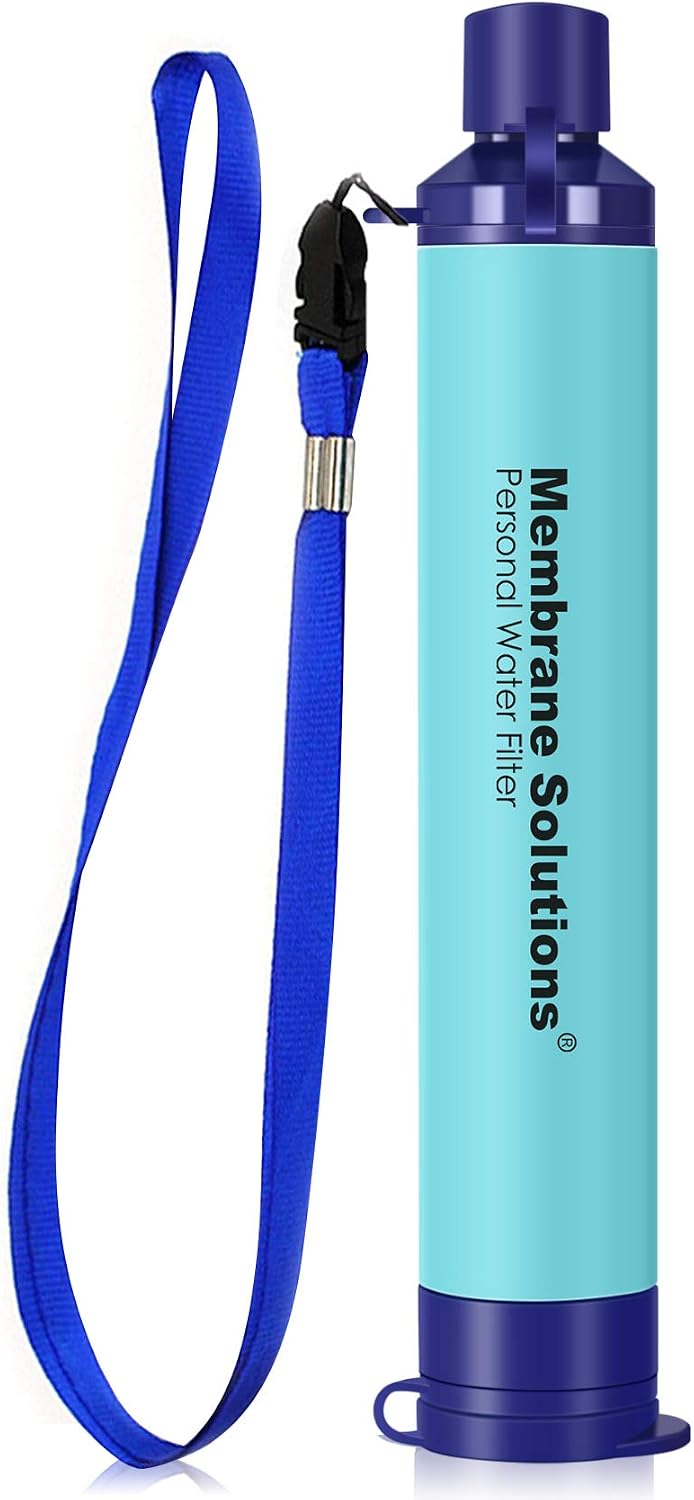
Built for travel, hiking & emergencies - drink safely whether the water is unsafe or just tastes off.
- NSF/ANSI 42, 372 & 401 certified, 0.1 micron filtration
- Filters up to 1,320 gallons - no batteries or pumping
- Ultralight - fits in any bag or pocket
- BPA-free, compatible with standard 28mm bottle threads
Tap water in Laos is not considered safe to drink for travelers. While major cities like Vientiane have improved water infrastructure, contamination risks from bacteria, parasites, and heavy metals remain widespread. Visitors should rely on bottled or filtered water throughout their stay.
Quick Reference
| Concern | Our Advice | |
|---|---|---|
| Drink tap water? | ❌ | Use bottled or filtered water |
| Brush teeth? | ❌ | Use bottled or filtered water |
| Wash fruits / veg? | ❌ | Wash with filtered or bottled water |
| Use ice in drinks? | ❌ | Avoid unless confirmed purified |
| Shower safely? | ✅ | Yes |
| Filter bottle needed? | ❌ | Strongly recommend a Membrane Solutions Filter Straw for all travelers |
| Common risks | Bacterial contamination, Parasitic infections, E. coli, Heavy metals, Sediment, Inadequate chlorination, Agricultural runoff |

Key Statistics


Affiliate links — we earn a small commission at no extra cost to you.
Water Infrastructure & Supply
Laos has made significant progress in expanding water supply infrastructure over the past two decades, driven largely by government initiatives and international development aid from organizations like the Asian Development Bank and World Bank. The state-owned Nam Papa Lao (Lao Water Supply State Enterprise) manages urban water treatment and distribution systems in provincial capitals. However, much of the piped network, particularly outside Vientiane, suffers from aging pipes, intermittent supply, and insufficient treatment capacity.
In urban areas, water treatment plants typically use coagulation, sedimentation, filtration, and chlorination processes. However, water quality often degrades significantly between the treatment plant and the consumer's tap due to leaking and corroded distribution pipes, cross-contamination from sewage lines, and low water pressure that allows infiltration. Non-revenue water (losses from leaks and illegal connections) is estimated at 25-35% in many urban systems.
The Lao government's National Socio-Economic Development Plan targets universal access to clean water by 2030 in alignment with UN Sustainable Development Goal 6. Major projects include the Vientiane Water Supply Expansion Project and rural water supply programs funded by the ADB and JICA. These initiatives focus on building new treatment plants, replacing deteriorating pipe networks, and extending coverage to underserved rural communities where many people still rely on untreated well water or surface water sources.
Contamination & Health Risks
The primary health risks from tap water in Laos include bacterial contamination (E. coli, Salmonella), parasitic infections (Giardia, Cryptosporidium), and viral pathogens. Studies conducted in Vientiane and other urban centers have frequently detected coliform bacteria in treated tap water samples at levels exceeding WHO guidelines. Agricultural runoff containing pesticides and fertilizers also contaminates water sources, particularly during the wet season from May to October when flooding is common.
Heavy metal contamination is a concern in certain regions, especially areas near mining operations in provinces like Savannakhet and Khammouane. Arsenic has been detected in groundwater in some parts of the Mekong River floodplain. Also, the widespread practice of open defecation in rural areas contributes to fecal contamination of surface and groundwater sources that feed into community water supplies.
For travelers, the most common waterborne illness is traveler's diarrhea, which affects a significant percentage of visitors to Laos. More serious risks include typhoid fever, hepatitis A, and intestinal parasites. Even in upscale restaurants and hotels in Vientiane and Luang Prabang, ice and raw vegetables may be prepared with water of uncertain quality. Travelers should be especially cautious during the rainy season when water treatment systems are most likely to be overwhelmed and contamination levels spike.
Regional Water Quality Breakdown
Vientiane
cautionThe capital has the most developed water treatment infrastructure in the country through Nam Papa Lao. However, pipe network deterioration and cross-contamination mean tap water should still not be consumed directly. Bottled and filtered water is readily available everywhere.
Luang Prabang
cautionThis UNESCO World Heritage city has improved water infrastructure catering to its significant tourist trade. Water treatment exists but is not always consistent, and older parts of the town have aging pipes. Stick to bottled water and be cautious with ice in smaller establishments.
Vang Vieng
cautionThis popular backpacker town has basic water treatment but the system is frequently strained by tourism demand. The karst landscape means groundwater can be contaminated by agricultural runoff. Water refill stations are available but travelers should use bottled or filtered water.
Savannakhet
avoidSouthern Laos's largest city has limited water treatment capacity and the region faces additional contamination risks from nearby mining activities. Heavy metals have been detected in some water sources. Travelers should strictly use sealed bottled water.
Pakse and Champasak Province
cautionPakse has basic municipal water supply but quality is inconsistent. In rural areas around Champasak and the 4,000 Islands region, water comes from untreated wells or the Mekong River. Always use bottled water and be extra cautious at rustic island guesthouses.
Phongsali and Northern Highlands
avoidRemote northern provinces have very limited water infrastructure with most communities relying on untreated spring or stream water. Waterborne disease risk is high. Travelers trekking in these areas should carry portable water purification equipment or sufficient bottled water.
Practical Tips for Travelers
- Always drink bottled or filtered water. Even in Vientiane, tap water is not safe for direct consumption by travelers.
- Use the Lao phrase 'kor nam khuad' () to ask for bottled water at restaurants and shops.
- Invest in a quality filter bottle like LifeStraw or Grayl, which removes bacteria and parasites , essential for travel outside major towns. Strongly recommend the Membrane Solutions Filter Straw.
- Avoid ice in drinks at street stalls and smaller restaurants. In upscale hotels and tourist-oriented restaurants, ice is usually made from purified water and is typically cylindrical with a hole in the center.
- Use bottled water to brush your teeth, especially if you have a sensitive stomach or are visiting for the first time.
- Peel all fruits and avoid raw salads unless you're at a reputable restaurant that confirms they wash produce with purified water.
- During the rainy season (May-October), be extra cautious as flooding can overwhelm water treatment systems and increase contamination levels significantly.
- Carry water purification tablets (chlorine dioxide-based) as a backup when trekking in rural northern Laos where bottled water may not be readily available.
Bottled Water Availability & Cost
Bottled water is widely available throughout Laos and is the primary source of drinking water for most travelers. A standard 1.5-liter bottle typically costs 5,000-10,000 LAK (approximately $0.25-0.50 USD) at convenience stores and minimarkets. Popular local brands include Dao, Tigerhead, and Champa, while international brands like Aquafina are available at higher prices in tourist areas. In restaurants, a bottle of water usually costs 10,000-20,000 LAK ($0.50-1.00 USD).
For longer stays, purchasing water in bulk (cases of 12 or 24 bottles) from local markets is more economical, typically costing around 40,000-60,000 LAK per case. Many guesthouses and hotels provide complimentary drinking water in rooms. Refillable water stations are increasingly common in towns like Luang Prabang and Vang Vieng, where travelers can refill reusable bottles for 2,000-3,000 LAK. Using a portable water filter bottle is highly recommended to reduce plastic waste, as Laos faces growing environmental challenges from plastic pollution in its rivers and countryside.
Frequently Asked Questions
Can I brush my teeth with tap water in Laos?
It's best to use bottled or filtered water for brushing teeth, especially if you're new to Laos or have a sensitive stomach. While a brief exposure from brushing is lower risk than drinking, the bacterial load in Lao tap water can still cause gastrointestinal issues.
Is it safe to shower in Laos tap water?
Yes, showering with tap water is generally safe as long as you avoid swallowing any water. Keep your mouth closed and be mindful of any open cuts or wounds, which could be entry points for infection. This applies to all regions of the country.
Is ice safe in drinks in Laos?
Ice safety varies. In tourist-oriented restaurants and hotels in Vientiane and Luang Prabang, ice is usually made from purified water , look for uniform cylindrical tubes with holes. At street stalls and rural establishments, ice may be made from untreated water and should be avoided.
Do restaurants in Laos serve safe drinking water?
Most restaurants serve bottled water, which is safe. Some tourist restaurants use filtered water systems. Never drink water served in an open glass or pitcher unless you can confirm it has been filtered or purified. When in doubt, order a sealed bottle of water.
How much does bottled water cost in Laos?
A 1.5-liter bottle costs approximately 5,000-10,000 LAK ($0.25-0.50 USD) at shops. In restaurants, expect to pay 10,000-20,000 LAK ($0.50-1.00 USD). Large 20-liter jugs for refills are available at guesthouses for around 15,000-25,000 LAK.
Can I drink tap water at hotels in Vientiane or Luang Prabang?
No, tap water is not safe to drink even at luxury hotels. However, most mid-range and upscale hotels provide complimentary bottled water in rooms and use purified water in their restaurants. Always check that bottles are properly sealed before drinking.
Is it safe to eat street food in Laos with regard to water contamination?
Street food is a highlight of Lao cuisine, but be cautious. Choose vendors who are busy (high turnover means fresher food), avoid raw vegetables and unpeeled fruits, and skip ice in drinks from street stalls. Thoroughly cooked foods served hot are generally safest.
What waterborne diseases should I worry about in Laos?
The most common risk is traveler's diarrhea from E. coli and other bacteria. More serious but less common risks include typhoid fever, hepatitis A, Giardia, and Cryptosporidium. Ensure your routine vaccinations are up to date, including hepatitis A, before traveling. Carry oral rehydration salts as a precaution.
Traveling Nearby?
Check tap water safety in neighboring countries:
Cambodia China Myanmar Thailand VietnamInteresting Product Reviews
7 Best Glass Water Bottles (2026 Review Guide)
Aug 6, 2026
6 Best Water Purifier Bottles For Travel (2026 Review Guide)
Jul 9, 2026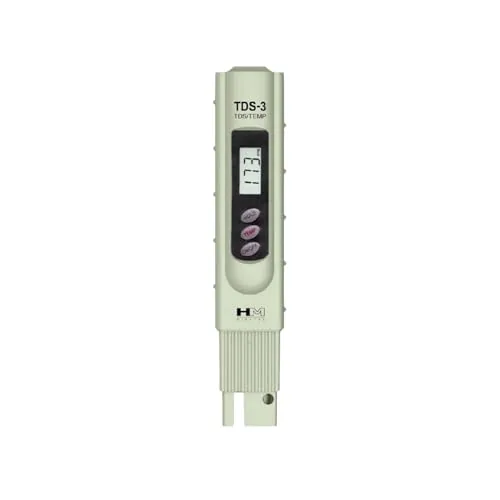
6 Best Tds Meters (2026 Review Guide)
Aug 3, 2026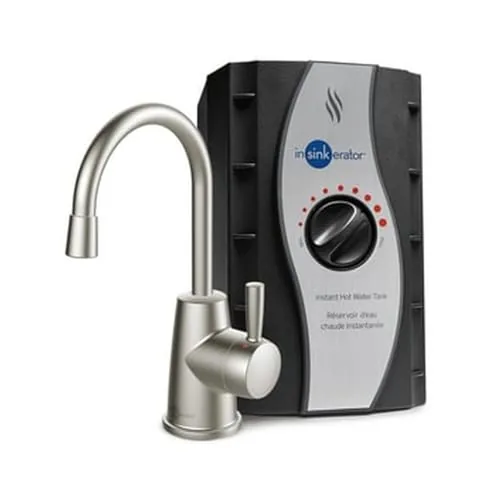
8 Best Instant Hot Water Dispensers (2026 Review Guide)
Aug 11, 2026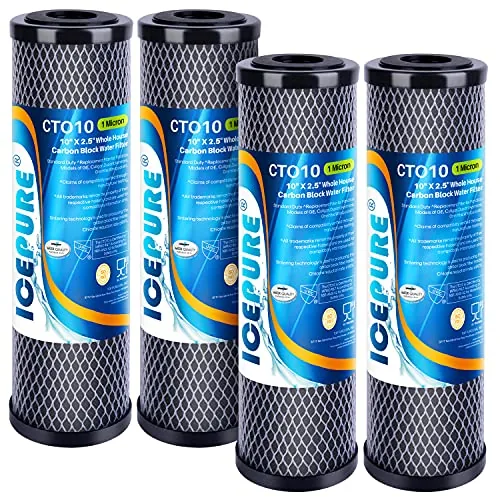
6 Best Whole House Water Filters (2026 Review Guide)
Jul 17, 2026