As low as $12
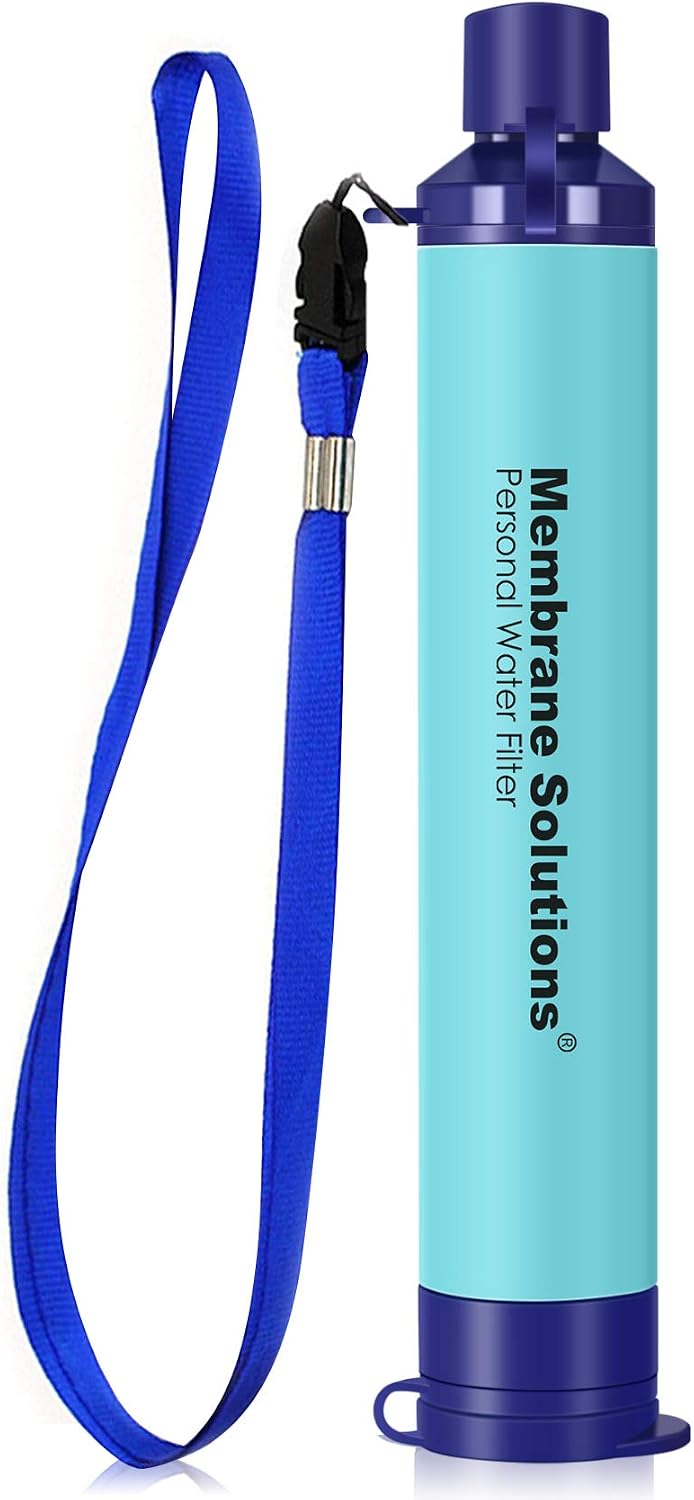
Built for travel, hiking & emergencies - drink safely whether the water is unsafe or just tastes off.
- NSF/ANSI 42, 372 & 401 certified, 0.1 micron filtration
- Filters up to 1,320 gallons - no batteries or pumping
- Ultralight - fits in any bag or pocket
- BPA-free, compatible with standard 28mm bottle threads
Tap water in Myanmar is not considered safe to drink for travelers. Municipal water treatment infrastructure remains underdeveloped across much of the country, and contamination from bacteria, heavy metals, and untreated sewage is widespread. Visitors should rely on bottled or properly filtered water at all times.
Quick Reference
| Concern | Our Advice | |
|---|---|---|
| Drink tap water? | ❌ | Use bottled or filtered water |
| Brush teeth? | ❌ | Use bottled or filtered water |
| Wash fruits / veg? | ❌ | Wash with filtered or bottled water |
| Use ice in drinks? | ❌ | Avoid unless confirmed purified |
| Shower safely? | ✅ | Yes |
| Filter bottle needed? | ❌ | Strongly recommend a Membrane Solutions Filter Straw for all travelers |
| Common risks | Bacterial contamination, E. coli, Arsenic, Heavy metals, Untreated sewage, Turbidity, Waterborne parasites |

Key Statistics


Affiliate links — we earn a small commission at no extra cost to you.
Water Infrastructure & Supply
Myanmar's water infrastructure has historically lagged behind its Southeast Asian neighbors. During British colonial rule and subsequent military governments, investment in centralized water treatment was minimal outside of Yangon and Mandalay. The political instability since the 2021 military coup has further disrupted maintenance and improvement projects, leaving many urban systems in disrepair and rural communities dependent on wells, rainwater collection, and surface water sources.
In Yangon, the Yangon City Development Committee (YCDC) operates several water treatment plants that draw from Inya Lake, Hlawga Reservoir, and the Gyobyu Reservoir system. However, aging distribution pipes, some dating back to the colonial era, suffer from frequent leaks and cross-contamination with sewage lines. Chlorination is inconsistent, and water pressure drops significantly in outlying neighborhoods. In smaller cities and towns, municipal water systems may operate only a few hours per day, and treatment is often rudimentary or nonexistent.
Before the 2021 political crisis, international organizations including the World Bank, JICA (Japan), and various NGOs were funding significant water and sanitation improvement projects. Many of these programs have since been suspended or scaled back. Community-level water systems supported by organizations like WaterAid and UNICEF continue in some areas, but overall progress toward universal safely managed water access has stalled or reversed in recent years.
Contamination & Health Risks
The primary health risks from Myanmar's tap water include bacterial contamination (particularly E. coli and coliform bacteria), parasitic organisms such as Giardia and Cryptosporidium, and chemical contaminants including arsenic in groundwater. Studies have found that a significant proportion of piped water samples in Yangon fail to meet WHO guidelines for microbial safety. The Ayeyarwady Delta region is particularly affected by naturally occurring arsenic in groundwater, which poses long-term health risks for regular consumers.
Untreated industrial and domestic wastewater is a major pollution source, particularly along the Yangon River and Bago River systems. Many factories discharge effluent with minimal treatment, and urban sewage systems cover only a fraction of the population. During the monsoon season (May, October), flooding can overwhelm drainage systems and introduce additional contaminants into water supplies, significantly increasing the risk of waterborne illness.
For travelers, the practical risks are substantial. Consuming unboiled or unfiltered tap water, eating unwashed raw produce, or using ice made from tap water can lead to traveler's diarrhea, gastroenteritis, or more serious infections like typhoid fever and hepatitis A. The CDC and WHO both advise travelers to Myanmar to drink only bottled, boiled, or purified water. Even in upscale hotels and restaurants in Yangon, it is wise to confirm that water and ice have been purified before consuming them.
Regional Water Quality Breakdown
Yangon
avoidWhile Yangon has the most developed water treatment in the country, aging infrastructure leads to frequent contamination in the distribution system. Tap water should not be consumed directly. Most hotels and restaurants serve purified or bottled water.
Mandalay
avoidMandalay's water supply relies heavily on groundwater and the Ayeyarwady River. Treatment is inconsistent and distribution systems are poorly maintained. Travelers should use only bottled or purified water.
Bagan
avoidThis major tourist destination has limited municipal water infrastructure. Hotels typically provide purified water, but tap water is not safe to drink. During the dry season, water scarcity can further compromise quality.
Inle Lake Region (Shan State)
avoidWater quality around Inle Lake has deteriorated due to agricultural runoff, floating gardens, and increasing tourism. Lake water is used by many local communities but is heavily contaminated. Rely entirely on bottled or filtered water.
Ayeyarwady Delta Region
avoidGroundwater in this region has significant arsenic contamination, and surface water is affected by agricultural chemicals and flood-borne pollutants. This is one of the most water-challenged areas in the country.
Naypyidaw (Capital)
cautionAs the purpose-built capital city, Naypyidaw has relatively newer water infrastructure compared to other cities. However, consistent treatment quality cannot be guaranteed, and travelers should still avoid drinking tap water directly.
Practical Tips for Travelers
- Always drink bottled or purified water. In Burmese, you can ask for safe drinking water by saying 'Ye thant thant pay bar' ( ), meaning 'Please give me clean water.'
- Carry a reliable filter bottle such as a LifeStraw Go or Grayl GeoPress, especially when traveling outside Yangon and Mandalay where bottled water may not always be readily available. Strongly recommend the Membrane Solutions Filter Straw.
- Avoid ice in drinks unless you are at an established hotel or restaurant that uses purified water ice machines. Street vendors and smaller teashops typically use tap water ice.
- Use bottled or filtered water when brushing your teeth. Even brief exposure to contaminated water can cause gastrointestinal issues for travelers not accustomed to local bacteria.
- Peel fruits and vegetables rather than washing them with tap water. If you must eat salads or raw produce, ensure they have been washed in purified water, ask the restaurant to confirm.
- During the monsoon season (May, October), be extra cautious about water quality as flooding dramatically increases contamination risks in all water sources.
- Check that bottled water seals are intact before purchasing. In some areas, empty bottles are refilled with untreated water and resold. Buy from reputable shops when possible.
- Carry oral rehydration salts (ORS) in your travel kit. If you do experience traveler's diarrhea, ORS packets are also widely available at Myanmar pharmacies for around 200, 500 Kyat.
Bottled Water Availability & Cost
Bottled water is widely available throughout Myanmar, from convenience stores and street vendors to hotels and restaurants. Local brands such as Alpine, Summit, and Aqua Star are the most common and affordable, typically costing 200, 500 Myanmar Kyat (approximately $0.10, $0.25 USD) for a 500ml bottle and 500, 1,000 Kyat ($0.25, $0.50 USD) for a 1-liter bottle. International brands are available in larger cities at higher prices. In tourist-oriented restaurants and hotels, water may cost 1,000, 3,000 Kyat ($0.50, $1.50 USD) per bottle.
Buying water in bulk (5-liter or 20-liter jugs) from local shops is more economical for longer stays, costing around 1,500, 3,000 Kyat ($0.70, $1.50 USD) for 5 liters. However, travelers should always check that bottle seals are intact, as refilled bottles have been reported in some areas. Carrying a high-quality filter bottle such as a LifeStraw or Grayl is a more sustainable and cost-effective alternative, particularly for travelers venturing outside major cities where bottled water availability may be limited.
Frequently Asked Questions
Can I brush my teeth with tap water in Myanmar?
It is not recommended. Tap water in Myanmar may contain harmful bacteria and parasites that can cause illness even with the small amounts ingested during brushing. Use bottled or filtered water for brushing your teeth.
Is it safe to shower in Myanmar tap water?
Yes, showering and bathing in tap water is generally safe as long as you avoid swallowing the water and keep your mouth closed. If you have open wounds or cuts, you may want to take extra precautions.
Is ice safe in drinks in Myanmar?
Ice should be treated with caution. Higher-end hotels and international restaurants in Yangon and Mandalay typically use purified water for ice. However, at street stalls, teashops, and smaller restaurants, ice is often made from untreated tap water and should be avoided.
Do restaurants in Myanmar serve safe drinking water?
Most tourist-oriented restaurants provide bottled or purified water, often complimentary with meals. In local restaurants and teashops, free drinking water is often served but may not be purified. When in doubt, order sealed bottled water.
How much does bottled water cost in Myanmar?
A 500ml bottle of local brand water costs 200, 500 Kyat (about $0.10, $0.25 USD). A 1-liter bottle typically costs 500, 1,000 Kyat. In tourist areas and hotels, prices may be 2, 3 times higher. Buying 5-liter jugs for around 1,500, 3,000 Kyat is more economical.
Is the water safe to drink at hotels in Yangon?
Mid-range and upscale hotels in Yangon typically provide complimentary bottled water in rooms and use purified water in their restaurants. However, you should never drink directly from the bathroom tap. Always confirm with hotel staff about their water purification practices.
Can I use a water filter bottle instead of buying bottled water in Myanmar?
Yes, a high-quality filter bottle is an excellent option for Myanmar. Look for bottles that filter bacteria, parasites, and ideally viruses (such as Grayl GeoPress or LifeStraw). This is more sustainable and cost-effective than buying bottled water, especially for longer trips or travel to rural areas.
What waterborne diseases should I be concerned about in Myanmar?
The main risks include traveler's diarrhea, typhoid fever, hepatitis A, cholera (especially during monsoon season), and parasitic infections like giardiasis. Ensure your routine vaccinations are up to date, and consider hepatitis A and typhoid vaccinations before traveling. Always practice safe water and food hygiene.
Traveling Nearby?
Check tap water safety in neighboring countries:
Bangladesh China India Laos ThailandInteresting Product Reviews
9 Best Water Distillers For Home Use (2026 Review Guide)
Jul 27, 2026
6 Best Packable Rain Jackets (2026 Review Guide)
Aug 24, 2026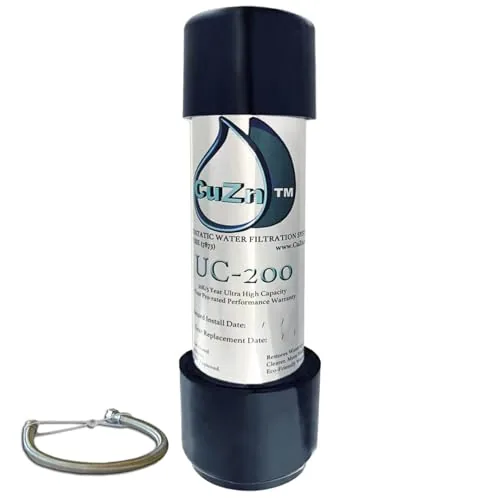
6 Best Water Filters For Pharmaceuticals In Tap Wates (2026 Review Guide)
Aug 2, 2026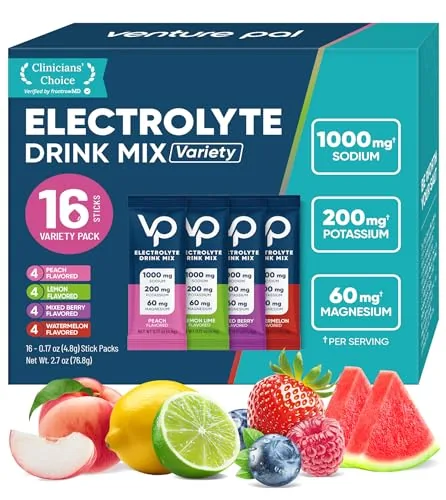
7 Best Electrolyte Drinks And Powders (2026 Review Guide)
Aug 9, 2026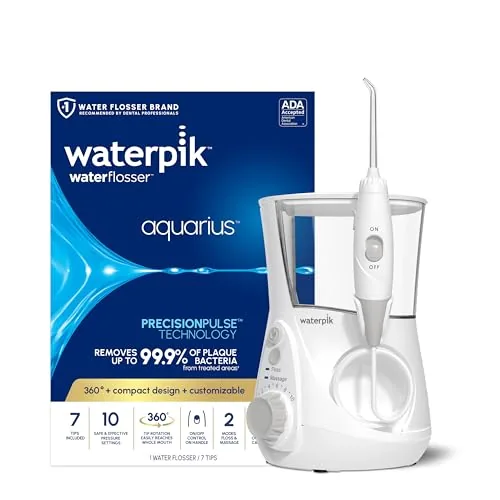
8 Best Water Flossers (2026 Review Guide)
Aug 20, 2026