As low as $12
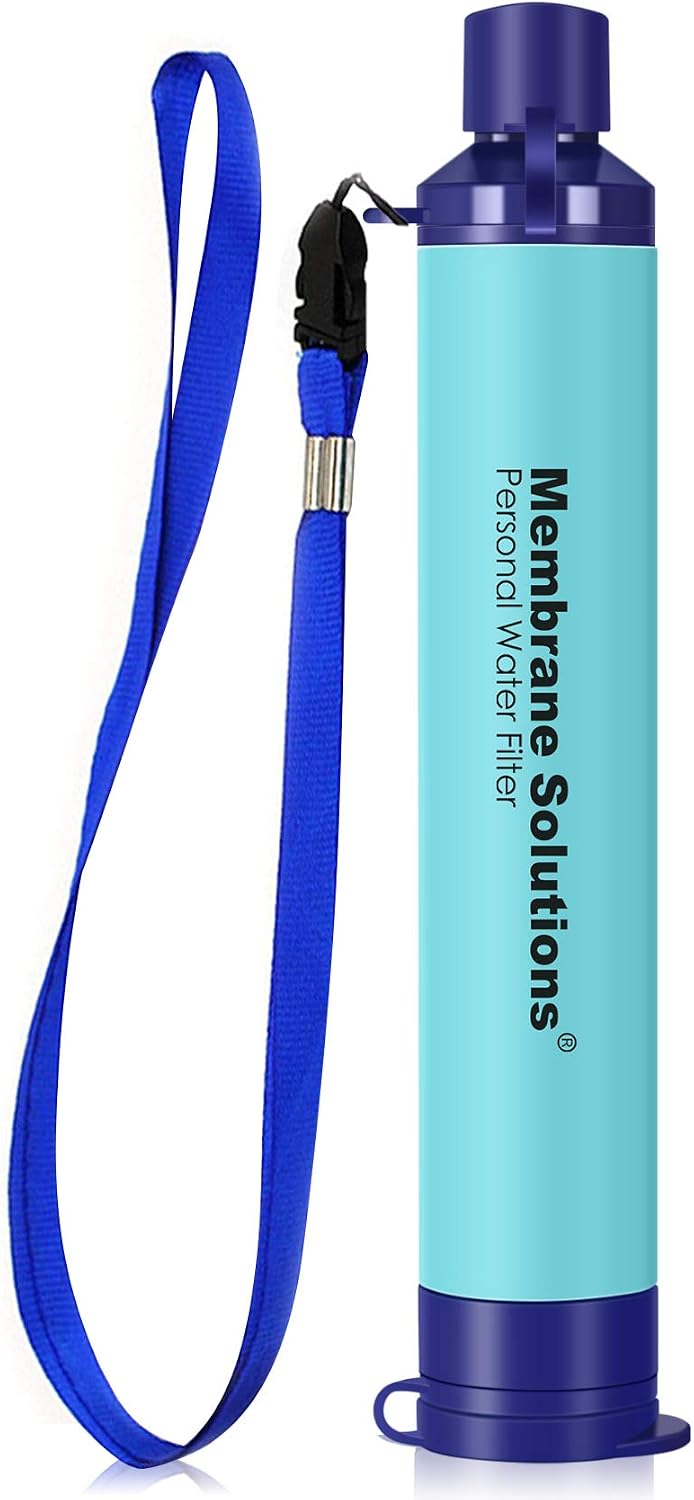
Built for travel, hiking & emergencies - drink safely whether the water is unsafe or just tastes off.
- NSF/ANSI 42, 372 & 401 certified, 0.1 micron filtration
- Filters up to 1,320 gallons - no batteries or pumping
- Ultralight - fits in any bag or pocket
- BPA-free, compatible with standard 28mm bottle threads
Tap water in Mali is not considered safe for travelers to drink. Water infrastructure remains limited, particularly outside the capital Bamako, and contamination from bacteria, parasites, and sediment is common. Travelers should rely on bottled or properly treated water throughout their stay.
Quick Reference
| Concern | Our Advice | |
|---|---|---|
| Drink tap water? | ❌ | Use bottled or filtered water |
| Brush teeth? | ❌ | Use bottled or filtered water |
| Wash fruits / veg? | ❌ | Wash with filtered or bottled water |
| Use ice in drinks? | ❌ | Avoid unless confirmed purified |
| Shower safely? | ✅ | Yes |
| Filter bottle needed? | ❌ | Strongly recommend a Membrane Solutions Filter Straw for all travelers |
| Common risks | Bacterial contamination, Parasitic infections, E. coli, Cholera, Sediment and turbidity, Heavy metals, Waterborne diarrheal diseases |

Key Statistics


Affiliate links — we earn a small commission at no extra cost to you.
Water Infrastructure & Supply
Mali's water infrastructure has undergone significant expansion since the early 2000s, but remains one of the least developed in West Africa. The national utility Socit Malienne de Gestion de l'Eau Potable (SOMAGEP) manages urban water supply, while the Socit Malienne du Patrimoine de l'Eau Potable (SOMAPEP) oversees infrastructure assets. Despite improvements, the system struggles with aging pipes, intermittent supply, and limited treatment capacity in many areas.
In Bamako and major urban centers, water is sourced primarily from the Niger River and treated at conventional treatment plants that use coagulation, sedimentation, filtration, and chlorination. However, rapid urbanization has outpaced infrastructure development, leading to low water pressure, intermittent service, and contamination risks in the distribution network. In rural areas, water comes mainly from boreholes, hand-dug wells, and surface sources, many of which lack adequate treatment.
The Malian government, with support from the World Bank, African Development Bank, and various NGOs, has invested in expanding piped water networks and constructing new treatment facilities. The Kabala water treatment plant, a major project to serve Bamako, has been under development to significantly boost the capital's supply capacity. However, ongoing political instability and security challenges in northern and central Mali have hampered infrastructure projects in those regions.
Contamination & Health Risks
The primary health risks from water in Mali include bacterial contamination (E. coli, Salmonella, Vibrio cholerae), parasitic infections (Giardia, Cryptosporidium, Guinea worm historically), and viral pathogens. Mali has experienced recurrent cholera outbreaks, particularly during the rainy season when flooding overwhelms drainage and sanitation systems. Diarrheal diseases remain a leading cause of child mortality in the country.
Contamination sources include inadequate wastewater treatment, open defecation (still practiced in many rural areas), agricultural runoff, artisanal gold mining which introduces mercury and other heavy metals into water sources, and industrial discharge along the Niger River. The distribution network in urban areas also poses risks due to corroded pipes and low pressure, which can allow contaminants to enter the system through cracks and joints.
For travelers, the most immediate risk is acute traveler's diarrhea, which affects a large proportion of visitors to Mali. Even in upscale hotels in Bamako, tap water should not be consumed directly. Ice made from tap water, raw salads washed in untreated water, and street food prepared with local water all pose infection risks. Travelers should be particularly cautious during the wet season (June, October) when contamination levels spike.
Regional Water Quality Breakdown
Bamako
cautionAs the capital and largest city, Bamako has the most developed water infrastructure with treated piped water from SOMAGEP. However, distribution network issues, intermittent supply, and rapid population growth mean tap water is still not safe for travelers to drink directly.
Mopti / Djenn
avoidThe Mopti region, including the historic city of Djenn, relies heavily on the Niger and Bani rivers. Water treatment is limited and contamination risks are high, especially during flooding. Travelers must use only bottled or thoroughly purified water.
Sgou
cautionSgou has a basic piped water system but coverage is incomplete and water quality can be inconsistent. The city's proximity to the Niger River means surface water contamination is a concern. Bottled water is recommended for all consumption.
Sikasso
cautionAs Mali's second-largest city, Sikasso has improved water access in recent years with new borehole-based systems. However, agricultural pesticide runoff from the surrounding cotton-growing region can affect groundwater quality. Travelers should avoid tap water.
Timbuktu (Tombouctou)
avoidTimbuktu faces severe water supply challenges due to its semi-arid Saharan location and ongoing security concerns. Water infrastructure is minimal and unreliable. Travelers who do visit should bring sufficient purification supplies and bottled water.
Kayes
avoidKayes, one of the hottest cities on Earth, has limited water infrastructure strained by extreme temperatures and periodic droughts. Groundwater sources may contain elevated levels of fluoride and other minerals. Only purified or bottled water should be consumed.
Practical Tips for Travelers
- Always drink sealed bottled water or water purified with a reliable filter bottle. Never drink tap water directly anywhere in Mali. Strongly recommend the Membrane Solutions Filter Straw.
- Avoid ice in drinks unless you can confirm it was made from purified or bottled water, which is rare outside upscale hotels.
- When ordering water in French (Mali's official language), ask for 'eau minrale en bouteille, s'il vous plat' (bottled mineral water, please) and check that the seal is intact.
- In Bambara, the most widely spoken local language, you can ask 'Ji fililen' to request filtered/clean water.
- Avoid sachet water ('eau en sachet') as quality control varies significantly between producers. Stick to recognized bottled brands like Diago.
- Peel all fruits and vegetables yourself, and avoid raw salads at restaurants unless you trust the establishment uses purified water for washing produce.
- Carry oral rehydration salts (ORS) in your travel kit. Traveler's diarrhea is common, and these can be lifesaving in Mali's extreme heat.
- During the rainy season (June, October), be extra cautious as flooding dramatically increases waterborne contamination. Consider packing water purification tablets as a backup.
Bottled Water Availability & Cost
Bottled water is widely available throughout Mali's urban areas, including at shops, markets, gas stations, and hotels. Common brands include Diago, Tominian, and imported brands like Vittel or Evian in larger hotels. A 1.5-liter bottle of local bottled water typically costs 300, 600 CFA francs (approximately $0.50, $1.00 USD), while smaller 0.5-liter bottles cost around 200, 300 CFA francs. Imported brands can cost significantly more, particularly in hotels and restaurants.
For longer stays, buying water in bulk (packs of six 1.5-liter bottles) from supermarkets such as Azar or other major shops in Bamako is more economical. Sachet water (sold in small plastic bags for 25, 50 CFA) is extremely popular and affordable for locals but may not always meet international safety standards, so travelers should stick to sealed bottled water or use a high-quality filter bottle. The environmental impact of plastic water bottles is significant in Mali, where waste management infrastructure is limited, so consider carrying a reliable filtration system to reduce plastic waste.
Frequently Asked Questions
Can I brush my teeth with tap water in Mali?
No, it is not recommended to brush your teeth with tap water in Mali. Use bottled or purified water for brushing to avoid ingesting harmful bacteria or parasites that may be present in the municipal supply.
Is it safe to shower in Mali's tap water?
Showering is generally safe as long as you keep your mouth closed and avoid swallowing any water. If you have open cuts or wounds, consider using purified water to clean them afterward. The water will not harm your skin through external contact.
Is ice safe in drinks in Mali?
Ice is generally not safe in Mali unless you are at an upscale hotel or restaurant that confirms they make ice from purified water. Most ice at local establishments and street vendors is made from untreated tap water and should be avoided.
Do restaurants in Bamako serve safe water?
Most restaurants in Bamako will serve bottled water if you request it. However, do not assume that water served in a glass or carafe is purified. Always ask for a sealed bottle and check that the cap seal is intact before drinking.
How much does bottled water cost in Mali?
A 1.5-liter bottle of local bottled water costs approximately 300, 600 CFA francs ($0.50, $1.00 USD) in shops and markets. Prices are higher in hotels and tourist areas. Imported brands may cost 1,000, 2,000 CFA francs or more.
Is it safe to drink well water in rural Mali?
No, well water in rural areas is not considered safe for travelers. While boreholes with hand pumps are generally safer than open wells, contamination from bacteria and minerals is common. Always purify or filter any non-bottled water source.
Should I get vaccinated before traveling to Mali due to water safety concerns?
Yes, travelers to Mali should consult a travel health clinic at least 4, 6 weeks before departure. Recommended vaccinations related to water and food safety include Hepatitis A, Typhoid, and in some cases Cholera vaccine. These diseases can be transmitted through contaminated water and food.
What is the best water purification method for traveling in Mali?
A high-quality filter bottle with a 0.1-micron or smaller filter (such as LifeStraw or Sawyer) is highly recommended. UV purification devices (like SteriPEN) also work well. Water purification tablets containing chlorine dioxide are a good lightweight backup. Boiling water for at least one minute is effective but less practical while traveling.
Traveling Nearby?
Check tap water safety in neighboring countries:
Algeria Burkina Faso Guinea Ivory Coast Mauritania Niger SenegalInteresting Product Reviews
9 Best Handheld Shower Heads (2026 Review Guide)
Aug 19, 2026
8 Best Waterproof Phone Pouches (2026 Review Guide)
Aug 23, 2026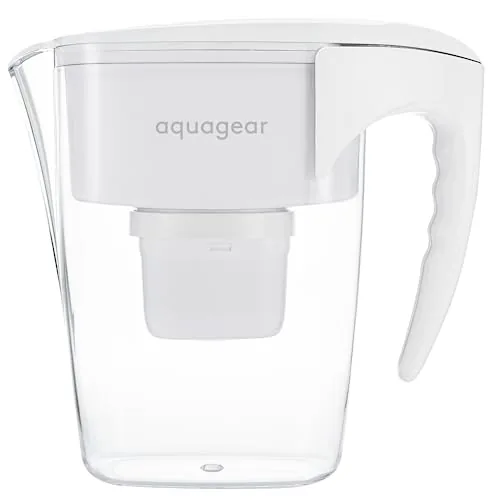
8 Best Water Filters For Chlorine (2026 Review Guide)
Jul 29, 2026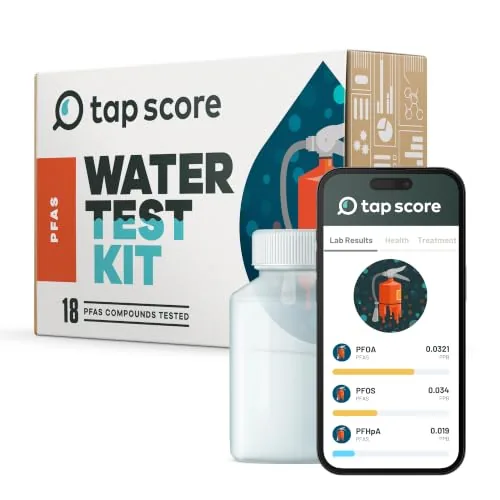
9 Best Pfas Test Kits (2026 Review Guide)
Aug 16, 2026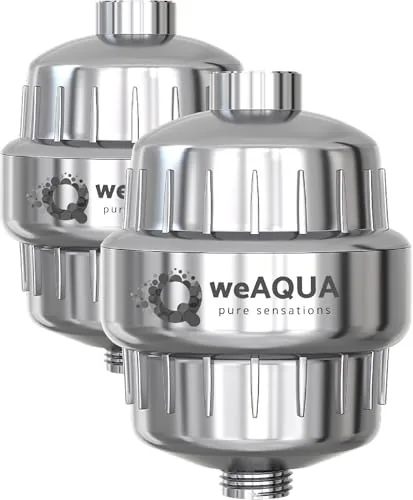
7 Best Shower Filters For Chlorine (2026 Review Guide)
Jul 27, 2026