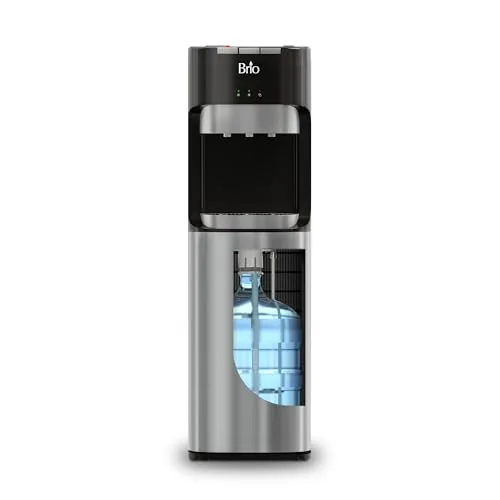
As low as $12
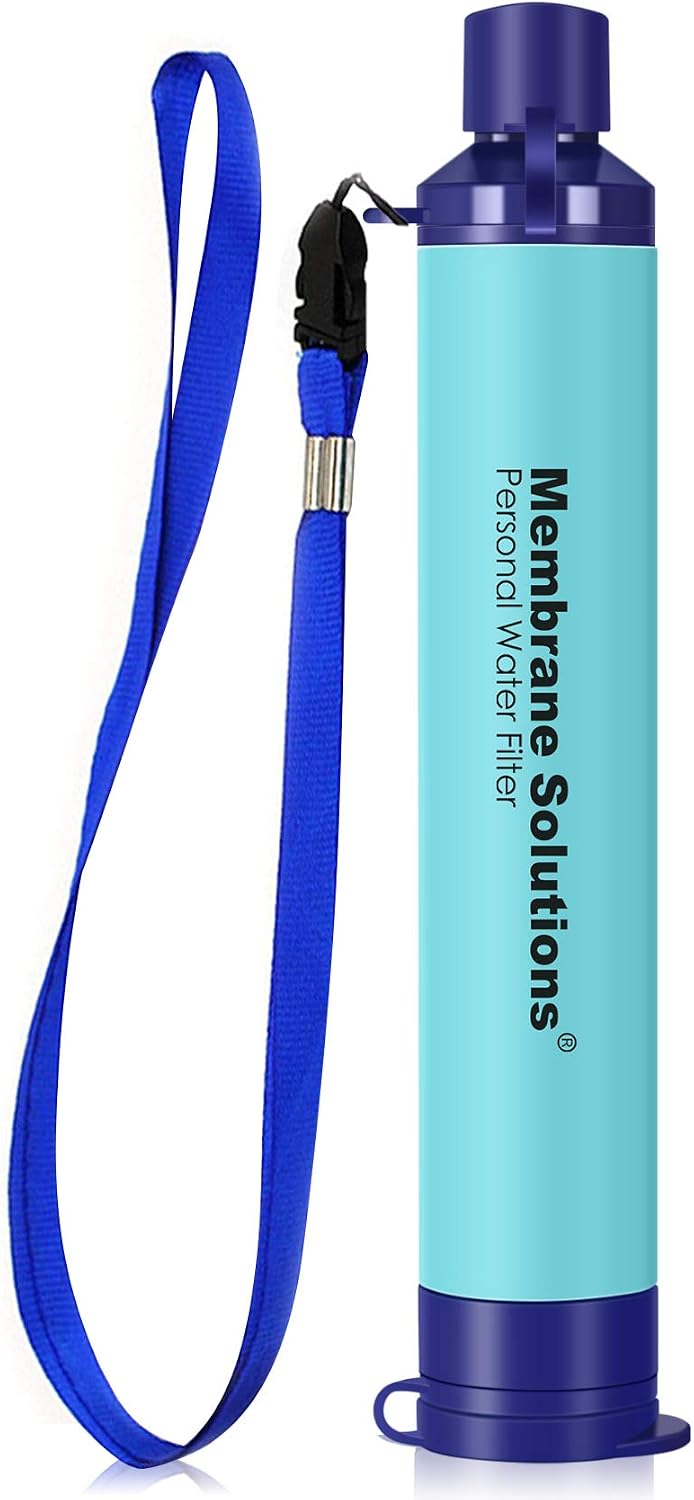
Built for travel, hiking & emergencies - drink safely whether the water is unsafe or just tastes off.
- NSF/ANSI 42, 372 & 401 certified, 0.1 micron filtration
- Filters up to 1,320 gallons - no batteries or pumping
- Ultralight - fits in any bag or pocket
- BPA-free, compatible with standard 28mm bottle threads
Tap water in Germany is among the safest and most rigorously tested in the world. The German Drinking Water Ordinance (Trinkwasserverordnung) enforces standards that are often stricter than EU requirements, making tap water perfectly safe for travelers to drink straight from the faucet. Germany's water infrastructure is exceptionally well-maintained, and locals routinely drink tap water at home and in restaurants.
Quick Reference
| Concern | Our Advice | |
|---|---|---|
| Drink tap water? | ✅ | Yes, safe in most areas |
| Brush teeth? | ✅ | Yes, no concerns |
| Wash fruits / veg? | ✅ | Yes, safe to use tap water |
| Use ice in drinks? | ✅ | Yes, safe in restaurants |
| Shower safely? | ✅ | Yes |
| Filter bottle needed? | ✅ | Not necessary, but a Membrane Solutions Filter Straw can improve taste |
| Common risks | Occasional lead from old building pipes, Nitrate contamination in agricultural areas, Legionella in poorly maintained building systems, Trace pharmaceuticals |

Key Statistics


Affiliate links — we earn a small commission at no extra cost to you.
Water Infrastructure & Supply
Germany has one of the most advanced water supply systems in the world, built over more than 150 years. The country's modern water infrastructure dates back to the late 19th century, when cities like Hamburg and Berlin pioneered centralized water treatment after cholera outbreaks. Today, approximately 5,800 public water utilities serve the population through a network of over 530,000 kilometers of pipes.
German tap water is sourced from a mix of groundwater (about 61%), surface water, spring water, and bank filtrate. Treatment processes vary by source but commonly include aeration, filtration, UV disinfection, and in some cases ozonation. Notably, Germany uses far less chlorine than many other countries, relying instead on source protection and advanced multi-barrier treatment, which is why German tap water often tastes notably clean.
Significant ongoing investments focus on replacing aging lead service lines in pre-1973 buildings, upgrading treatment plants to remove micropollutants such as pharmaceuticals and pesticides, and adapting infrastructure to climate change-related challenges including drought and flooding. The revised German Drinking Water Ordinance (TrinkwV 2023) introduced stricter limits on PFAS and other emerging contaminants, aligning with the EU's recast Drinking Water Directive.
Contamination & Health Risks
Germany's tap water consistently meets or exceeds World Health Organization and EU drinking water standards. The Federal Environment Agency (Umweltbundesamt) reports that over 99% of all drinking water samples comply with microbiological and chemical limits. Waterborne disease outbreaks are extremely rare, and the risk of gastrointestinal illness from tap water is negligible for travelers.
The primary residual risk involves lead pipes still present in some older buildings constructed before 1973, particularly in parts of eastern Germany and older apartment blocks. Landlords are legally required to replace these, and the legal limit for lead was tightened to 5 g/L in the 2023 ordinance. In rural agricultural regions, nitrate levels in groundwater can be elevated due to fertilizer runoff, though public water supplies are treated to meet safe limits.
For travelers, there are essentially no practical health risks from drinking German tap water. Sensitive individuals may notice the relatively high mineral content (hard water) in regions like Bavaria, Thuringia, and parts of North Rhine-Westphalia, but this poses no health concern. Trace amounts of pharmaceuticals and microplastics have been detected in some water sources, but concentrations remain far below any threshold considered harmful by health authorities.
Regional Water Quality Breakdown
Berlin
safeBerlin's tap water is sourced primarily from bank filtrate along the Spree and Havel rivers and is of excellent quality. The Berliner Wasserbetriebe conducts over 250,000 quality tests annually. Water is moderately hard but perfectly safe to drink anywhere in the city.
Munich (Mnchen)
safeMunich is famous for its exceptionally high-quality tap water, sourced from Alpine foothills springs in the Mangfall Valley. The water is so pure that it requires minimal treatment. Many locals consider it the best tap water in Germany.
Hamburg
safeHamburg's water supply comes entirely from groundwater and is soft to moderately hard. Hamburg Wasser treats it using modern aeration and filtration without chlorination. The quality is excellent and safe for all uses.
Cologne (Kln) & Rhine-Ruhr Area
safeThe Rhine-Ruhr metropolitan area draws much of its water from bank filtrate of the Rhine and from groundwater. Despite the industrial history of the region, modern treatment ensures water meets all standards. Water hardness is relatively high in this area.
Dresden & Eastern Germany
cautionWater quality in major eastern German cities is now excellent after massive post-reunification infrastructure investments. However, some older buildings in smaller towns may still have lead service lines from the pre-1973 era. If staying in very old unrenovated buildings, running the tap for 30 seconds before drinking is advisable.
Rural Bavaria & Agricultural Regions
safeRural areas in Bavaria, Lower Saxony, and North Rhine-Westphalia have occasionally shown elevated nitrate levels in raw groundwater due to intensive agriculture. However, public water supplies are treated to comply with the 50 mg/L EU limit. Water from private wells should be tested independently.
Practical Tips for Travelers
- Carry a filter straw (e.g., Membrane Solutions) — it removes bacteria, parasites, and microplastics from any tap or stream. Strongly recommend the Membrane Solutions Filter Straw.
- In German restaurants, tap water isn't automatically served , you must explicitly ask for "Leitungswasser" (tap water). Restaurants may charge a small service fee or prefer you order bottled water, but they cannot legally refuse to provide tap water.
- When ordering water in a restaurant, specify "stilles Wasser" for still water or "Sprudelwasser" / "mit Kohlensure" for sparkling, as sparkling is the default in Germany.
- If you're staying in a pre-1973 building that hasn't been renovated, let the tap run for 10, 30 seconds each morning before drinking to flush any standing water that may have absorbed lead from old pipes.
- Carry a reusable water bottle , Germany has increasing numbers of public water refill stations, especially at airports (Frankfurt, Munich, Berlin), train stations, and in cities participating in the "Refill Deutschland" initiative.
- Remember the Pfand (deposit) system: single-use plastic bottles have a 0.25 deposit and reusable bottles typically 0.08, 0.15. Return them at any supermarket's reverse vending machine to get your deposit back.
- German tap water is harder (more minerals) in the south and east, and softer in the north. Hard water is safe but may taste different from what you're used to and can cause limescale in kettles.
- You can check the water quality report for any German city by searching for the local utility's "Trinkwasseranalyse" (drinking water analysis) online , these are published regularly and contain detailed mineral content and contaminant testing results.
- Ice in drinks at German restaurants, cafs, and bars is made from tap water and is completely safe to consume , there is no need to request drinks without ice.
Bottled Water Availability & Cost
Bottled water is widely available throughout Germany in supermarkets, kiosks, gas stations, and restaurants. Popular domestic brands include Gerolsteiner, Volvic (bottled in Germany), Apollinaris, and Selters. A 0.5L bottle typically costs 0.50, 1.50 in supermarkets and 2.00, 4.00 in restaurants. Germany distinguishes between "Mineralwasser" (mineral water), "Tafelwasser" (table water), and "Heilwasser" (medicinal water), with sparkling ("Sprudel" or "mit Kohlensure") being far more popular than still ("stilles Wasser").
Buying larger 1.5L bottles in discount supermarkets like Aldi or Lidl can cost as little as 0.19, 0.50. Note that Germany has a bottle deposit system (Pfand) of 0.25 per single-use plastic bottle, which is refunded at reverse vending machines in stores. Given that German tap water is of excellent quality, carrying a reusable bottle and refilling from the tap is both economical and environmentally responsible , many public buildings, airports, and train stations now have free water refill stations.
Frequently Asked Questions
Can I brush my teeth with tap water in Germany?
Yes, absolutely. German tap water is rigorously tested and safe for brushing teeth, drinking, and all other personal hygiene uses. There is no need to use bottled water for oral care.
Is it safe to shower in German tap water?
Yes, showering in German tap water is completely safe. The water meets strict EU and national standards for all uses. In areas with hard water, you may notice your skin or hair feels slightly different, but this is harmless.
Is ice safe in German drinks?
Yes, ice served in German restaurants, bars, and hotels is made from tap water and is perfectly safe. There is no risk of waterborne illness from ice in Germany.
Why do German restaurants charge for water?
It's a cultural norm in Germany for restaurants to sell bottled mineral water rather than serve free tap water. You can ask for 'Leitungswasser' (tap water), which some restaurants provide for free or for a small fee. This is becoming more accepted, especially in larger cities.
How much does bottled water cost in Germany?
A 0.5L bottle costs 0.50, 1.50 in supermarkets and 2.00, 4.00 in restaurants. Buying 1.5L bottles at discount supermarkets like Aldi or Lidl can cost as little as 0.19, 0.50 plus a 0.25 Pfand (deposit) on single-use bottles.
Is German tap water better than bottled water?
German tap water is tested far more frequently than bottled water , the Drinking Water Ordinance mandates stricter and more frequent testing than the Mineral and Table Water Ordinance. In terms of safety, tap water is at least equal to and often more rigorously monitored than bottled water.
Do I need a water filter in Germany?
No, a water filter is not necessary for health reasons in Germany. Some residents use filters to reduce water hardness or improve taste, but from a safety perspective, German tap water is perfectly fine without any filtration.
Can I drink tap water on German trains (Deutsche Bahn)?
The water in the restrooms on Deutsche Bahn trains is technically treated tap water, but it is generally marked as 'Kein Trinkwasser' (not drinking water) due to the difficulty of maintaining the onboard tank system. It's best to bring your own water bottle filled from a station tap or buy water on board.
Traveling Nearby?
Check tap water safety in neighboring countries:
Austria Belgium Czech Republic Denmark France Luxembourg Netherlands Poland SwitzerlandInteresting Product Reviews
6 Best Water Softeners (2026 Review Guide)
Aug 13, 2026
8 Best Shower Heads (2026 Review Guide)
Aug 18, 2026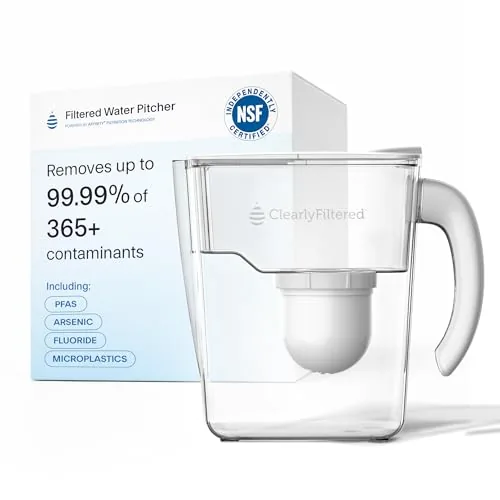
9 Best Water Filters For Arsenic (2026 Review Guide)
Jul 30, 2026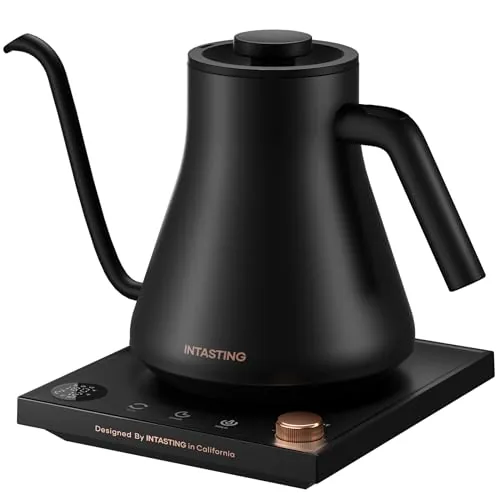
9 Best Gooseneck Kettles (2026 Review Guide)
Aug 12, 2026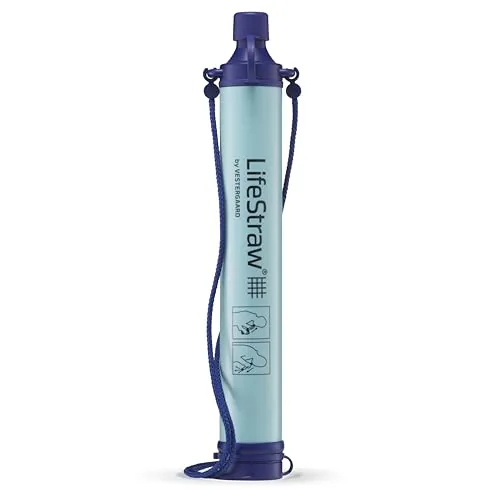
8 Best Water Filters For Hiking (2026 Review Guide)
Jul 19, 2026