As low as $12
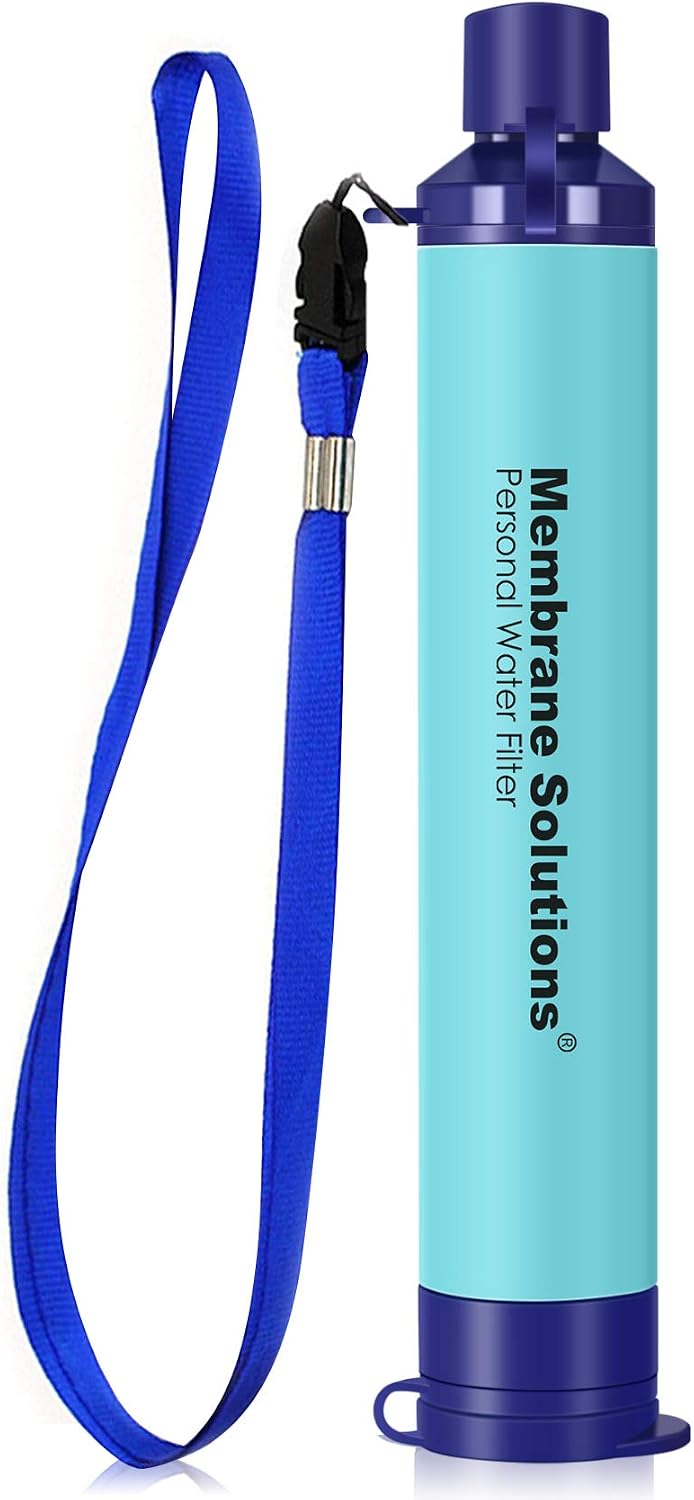
Built for travel, hiking & emergencies - drink safely whether the water is unsafe or just tastes off.
- NSF/ANSI 42, 372 & 401 certified, 0.1 micron filtration
- Filters up to 1,320 gallons - no batteries or pumping
- Ultralight - fits in any bag or pocket
- BPA-free, compatible with standard 28mm bottle threads
Tap water in Cyprus is generally safe to drink as it meets EU drinking water standards, though the taste can vary significantly across the island due to desalination and high mineral content. Water in major tourist areas like Limassol, Larnaca, and Paphos comes primarily from desalination plants, which produce clean but sometimes mineral-flat water. Many locals and visitors prefer bottled water for taste reasons, but the tap water poses no significant health risk.
Quick Reference
| Concern | Our Advice | |
|---|---|---|
| Drink tap water? | ✅ | Yes, safe in most areas |
| Brush teeth? | ✅ | Yes, no concerns |
| Wash fruits / veg? | ✅ | Yes, safe to use tap water |
| Use ice in drinks? | ✅ | Yes, safe in restaurants |
| Shower safely? | ✅ | Yes |
| Filter bottle needed? | ✅ | Not necessary, but a Membrane Solutions Filter Straw can improve taste |
| Common risks | High mineral content, Desalination byproducts, Aging pipe infrastructure in older buildings, Occasional chlorine taste |

Key Statistics


Affiliate links — we earn a small commission at no extra cost to you.
Water Infrastructure & Supply
Cyprus has faced chronic water scarcity for decades due to its semi-arid Mediterranean climate. To address this, the government invested heavily in desalination infrastructure starting in the late 1990s. Today, four major desalination plants, at Dhekelia, Larnaca, Limassol (Episkopi), and Paphos, supply approximately 70-80% of the island's domestic water needs.
The Water Development Department (WDD) oversees water supply through a network of dams, desalination plants, and distribution systems managed by municipal water boards. Desalinated water undergoes reverse osmosis treatment and is then remineralized before distribution. The water meets all EU Drinking Water Directive standards, with regular testing conducted at multiple points across the supply chain.
Significant infrastructure improvements have been ongoing, including upgrading aging distribution networks in older towns and expanding desalination capacity to cope with increasing demand and climate change. A major project to connect the Paphos and Limassol water systems was completed to improve supply reliability. The government has also invested in water recycling and reuse for agricultural irrigation to reduce pressure on freshwater resources.
Contamination & Health Risks
Tap water in Cyprus is generally safe and meets EU quality standards with over 98% compliance on monitored parameters. However, in some older buildings, internal plumbing may contain lead or corroded pipes that could affect water quality at the point of use. Travelers staying in well-maintained hotels and modern accommodations should have no concerns.
The primary issue affecting taste rather than safety is the high reliance on desalinated water, which can taste flat or slightly different compared to natural spring water. Chlorine is used for disinfection, and its taste may be noticeable in some areas, particularly during summer months when dosing is increased to maintain water safety in warmer temperatures.
For travelers, the practical health risks from tap water in Cyprus are minimal. There are no reports of waterborne disease outbreaks linked to municipal water supplies. The biggest concern would be in very rural areas where private wells or older storage tanks might not meet the same standards as the municipal supply. Travelers with sensitive stomachs may experience mild adjustment issues when switching from their home water source, but this is generally temporary.
Regional Water Quality Breakdown
Nicosia
safeThe capital receives water from both dams and desalination plants. Municipal water is well-regulated and meets EU standards. Some older neighborhoods may have aging pipes, but overall quality is reliable.
Limassol
safeLimassol is served primarily by the Episkopi desalination plant and the Kouris Dam. Water quality is consistently monitored and safe to drink. The city has relatively modern infrastructure in tourist areas.
Larnaca
safeHome to one of Cyprus's largest desalination plants, Larnaca has a reliable and safe water supply. The water may taste slightly different from natural spring water due to the desalination process, but it is fully potable.
Paphos
safePaphos benefits from the Paphos desalination plant and the Asprokremmos Dam. Water quality meets EU standards and is safe for drinking. Tourist areas along the coast have good water infrastructure.
Ayia Napa / Protaras
safeThis popular tourist region receives desalinated water from the Dhekelia plant. Water is safe to drink, though during peak tourist season, the desalination taste may be more noticeable. Hotels maintain their own water storage tanks, which are regularly inspected.
Troodos Mountain Villages
cautionRural mountain villages may rely on local springs or smaller supply systems that are less consistently monitored than urban networks. While generally safe, water quality can fluctuate seasonally. Travelers may prefer bottled water in very remote locations.
Practical Tips for Travelers
- Carry a filter straw (e.g., Membrane Solutions) — it removes bacteria, parasites, and microplastics from any tap or stream. Strongly recommend the Membrane Solutions Filter Straw.
- Tap water is safe throughout urban Cyprus, but if you dislike the desalination taste, try chilling it in the fridge , cold water masks the mineral flatness.
- In Greek, you can ask for tap water at restaurants by saying " , " (Ner vrsis, parakal), though many restaurants automatically serve bottled water.
- Carry a reusable water bottle , Cyprus has public water fountains in many town squares and parks that dispense safe municipal water.
- If staying in an older apartment or rural guesthouse, let the tap run for 30 seconds before drinking to flush any standing water from the pipes.
- Ice in drinks at restaurants, bars, and hotels is made from municipal water and is safe to consume throughout the island.
- When visiting Troodos mountain villages, check with your host about the water source , some remote areas use private wells that may not be regularly tested.
- A simple carbon filter jug (like Brita) can significantly improve the taste of desalinated tap water if you're staying in a self-catering accommodation for an extended period.
Bottled Water Availability & Cost
Bottled water is widely available throughout Cyprus at supermarkets, kiosks, restaurants, and tourist shops. Popular local brands include Agros, Kyperounta, and Ayia Napa spring water. A 500ml bottle typically costs 0.50-1.00 at shops and 1.50-3.00 at restaurants. A 1.5-liter bottle from a supermarket ranges from 0.40-0.80.
For budget-conscious travelers, buying water in bulk from supermarkets like Alphamega, Papantoniou, or Lidl is the most economical option, with 6-packs of 1.5L bottles costing around 2.00-3.50. Given that Cyprus tap water is safe to drink, using a reusable bottle is an environmentally responsible choice that can also save money. Some hotels and restaurants now offer filtered tap water as a sustainable alternative to bottled water.
Frequently Asked Questions
Can I brush my teeth with tap water in Cyprus?
Yes, tap water throughout Cyprus is safe for brushing teeth. The water is treated to EU standards and poses no risk for oral hygiene use.
Is it safe to shower in Cyprus tap water?
Absolutely. Showering in Cyprus tap water is completely safe. The water may feel slightly different due to mineral content, but it will not cause any skin or health issues.
Is ice safe in drinks in Cyprus?
Yes, ice served in hotels, restaurants, and bars across Cyprus is made from treated municipal water and is safe to consume. This applies to all tourist areas.
Do restaurants in Cyprus serve tap water?
Most restaurants in Cyprus will automatically bring bottled water, as it's the cultural norm. You can request tap water (ner vrsis), though some restaurants may only offer bottled. Tap water is safe in all restaurants connected to municipal supply.
How much does bottled water cost in Cyprus?
A 500ml bottle costs 0.50-1.00 in shops and 1.50-3.00 in restaurants. Large 1.5L bottles from supermarkets cost 0.40-0.80. Buying in bulk from supermarkets is the most economical option.
Why does tap water in Cyprus taste different?
Around 70-80% of Cyprus's drinking water comes from desalination plants that process seawater through reverse osmosis. While the water is safe and meets all EU standards, the desalination process can give it a flat or slightly metallic taste compared to natural spring water.
Is tap water in Northern Cyprus safe to drink?
Northern Cyprus (the Turkish-controlled north) has a different water infrastructure and standards. Water quality is less consistently monitored, and many locals rely on delivered water or bottled water. Travelers to Northern Cyprus should generally avoid drinking tap water and stick to bottled water.
Can I drink tap water in Cyprus hotels?
Yes, tap water in hotels throughout the Republic of Cyprus is safe to drink. Hotels in tourist areas are connected to the municipal supply and maintain their water storage systems to meet health regulations. Many hotels also provide complimentary bottled water in rooms.
Traveling Nearby?
Check tap water safety in neighboring countries:
Czech Republic Russia San Marino NorwayInteresting Product Reviews
9 Best Paddle Boards (2026 Review Guide)
Aug 26, 2026
7 Best Filtered Shower Heads (2026 Review Guide)
Aug 19, 2026
9 Best Shower Descaling Cleaners (2026 Review Guide)
Aug 21, 2026
9 Best Rain Barrel Pumps (2026 Review Guide)
Aug 22, 2026
6 Best Bacteria Water Test Kits (2026 Review Guide)
Aug 3, 2026