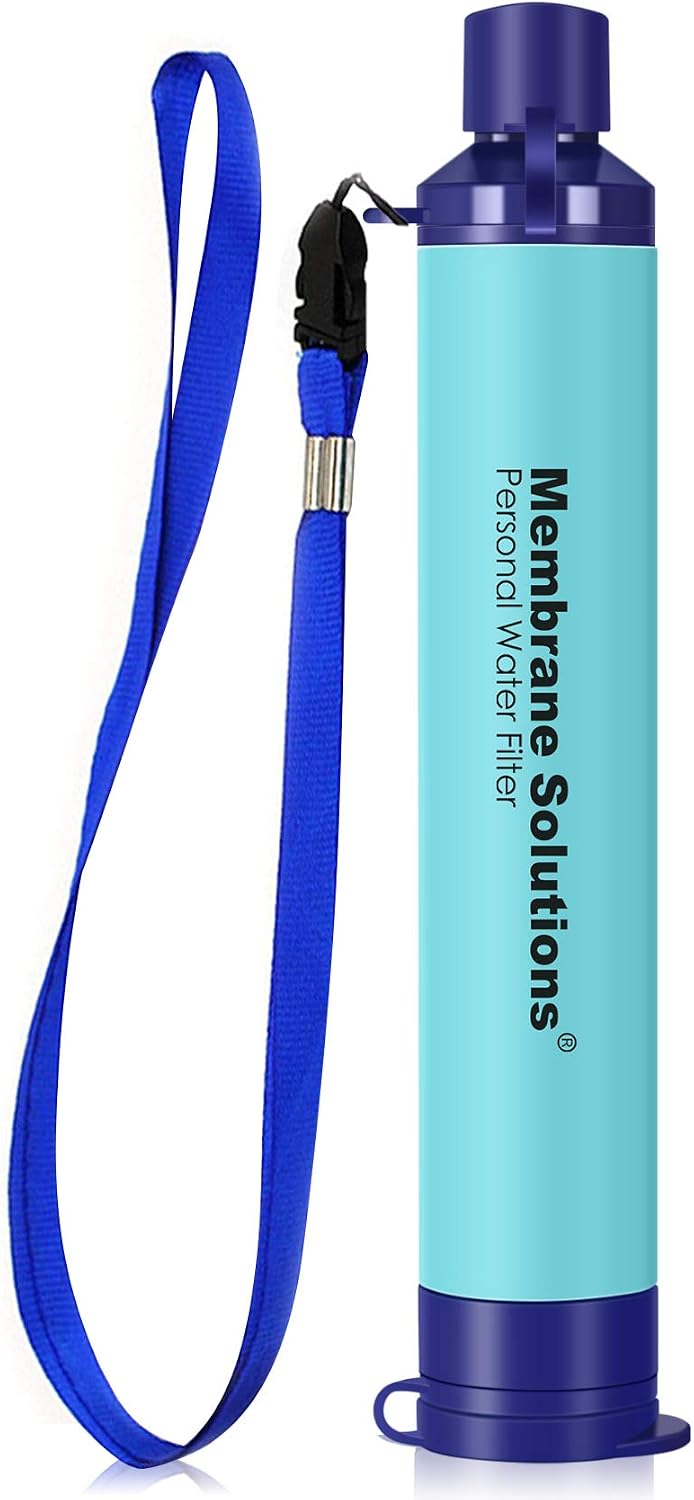
As low as $12
Built for travel, hiking & emergencies - drink safely whether the water is unsafe or just tastes off.
- NSF/ANSI 42, 372 & 401 certified, 0.1 micron filtration
- Filters up to 1,320 gallons - no batteries or pumping
- Ultralight - fits in any bag or pocket
- BPA-free, compatible with standard 28mm bottle threads
Tap water in Mexico is generally not considered safe for travelers to drink. While water treatment infrastructure has improved in major cities, inconsistent water quality, aging pipes, and contamination risks mean that most visitors , and many locals , rely on bottled or purified water for drinking. Using a high-quality filter bottle or sticking to bottled water is strongly recommended throughout the country.
Quick Reference
| Concern | Our Advice | |
|---|---|---|
| Drink tap water? | ❌ | Use bottled or filtered water |
| Brush teeth? | ❌ | Use bottled or filtered water |
| Wash fruits / veg? | ❌ | Wash with filtered or bottled water |
| Use ice in drinks? | ❌ | Avoid unless confirmed purified |
| Shower safely? | ✅ | Yes |
| Filter bottle needed? | ❌ | Strongly recommend a Membrane Solutions Filter Straw for all travelers |
| Common risks | Bacterial contamination, Parasitic infections, Heavy metals, Aging pipe infrastructure, Agricultural runoff, E. coli, Giardia, Cryptosporidium |

Key Statistics


Affiliate links — we earn a small commission at no extra cost to you.
Water Infrastructure & Supply
Mexico's water infrastructure has undergone significant expansion since the mid-20th century. The National Water Commission (CONAGUA), established in 1989, manages the country's water resources and oversees municipal water utilities. While nearly all urban residents have piped water connections, the system relies on a mix of surface water, groundwater, and desalination, with groundwater accounting for roughly 39% of total supply.
The country operates over 900 municipal drinking water treatment plants and more than 2,800 wastewater treatment facilities. However, aging distribution networks , some over 50 years old , lead to significant water losses (estimated at 40% nationally) and recontamination after treatment. Many pipes are made of outdated materials that can leach contaminants, and intermittent water supply in some areas creates negative pressure that draws pollutants into the system.
Major investment programs, including the National Water Plan (PNH 2020-2024), have targeted infrastructure modernization and expanding coverage in underserved rural and indigenous communities. The Cutzamala System, one of the world's largest water supply systems, delivers water to Mexico City from reservoirs over 100 kilometers away. Despite these efforts, water stress is severe in the northern and central regions, and climate change is intensifying droughts that put further pressure on supply systems.
Contamination & Health Risks
The primary health risks from Mexican tap water include bacterial contamination (E. coli, Salmonella), parasites (Giardia lamblia, Cryptosporidium, Entamoeba histolytica), and viral pathogens. These organisms can cause traveler's diarrhea, which affects an estimated 30-50% of visitors within the first two weeks of travel. Heavy metals such as arsenic and fluoride are found at elevated levels in some groundwater sources, particularly in northern states like Chihuahua, Durango, and Hidalgo.
Agricultural runoff introduces pesticides and nitrates into water sources, particularly in rural areas and regions with intensive farming. Industrial discharge remains a concern near manufacturing zones, especially around the U.S.-Mexico border (maquiladora regions) and in states like Guanajuato, Jalisco, and Estado de Mxico. Even in cities where water leaves treatment plants meeting national standards (NOM-127-SSA1-1994), contamination frequently occurs in the aging distribution network before reaching taps.
For travelers, the practical risks extend beyond drinking water. Unpeeled raw fruits and vegetables washed in tap water, ice made from untreated water, and even accidental ingestion while showering can cause gastrointestinal illness. The CDC explicitly advises travelers to Mexico to avoid drinking tap water and to take precautions with food and beverages. While showering is safe as long as you avoid swallowing water, brushing teeth with tap water carries some risk, especially for those with sensitive stomachs.
Regional Water Quality Breakdown
Mexico City (CDMX)
cautionMexico City's water is treated and generally meets standards at the plant, but the enormous and aging distribution network causes recontamination. Locals universally drink purified or bottled water. Some upscale neighborhoods like Polanco have better infrastructure, but tap water is not recommended for drinking anywhere in the city.
Cancn & Riviera Maya
cautionCancn's water comes from an underground aquifer and is treated, but the porous limestone geology makes contamination a concern. Most resort hotels use purification systems and their drinking water and ice are typically safe. Outside of resorts, stick to bottled or purified water.
Guadalajara
cautionGuadalajara draws water from Lake Chapala and local wells. While the municipal system treats the water, industrial and agricultural contamination of Lake Chapala has been a longstanding issue. Tap water should not be consumed directly and locals rely heavily on garrafones.
Oaxaca
avoidOaxaca's water infrastructure is less developed than major metros, and intermittent supply is common. Water quality is unreliable, and contamination incidents have been documented. Travelers should strictly avoid tap water and be cautious with ice and raw foods in smaller establishments.
San Miguel de Allende & Central Highlands
cautionThe colonial highland cities rely heavily on groundwater that can contain elevated levels of naturally occurring arsenic and fluoride. Water treatment varies in quality, and boiling does not remove heavy metals. Use only purified or bottled water for drinking and cooking.
Northern Border Region (Tijuana, Ciudad Jurez, Monterrey)
avoidNorthern Mexico faces severe water scarcity and quality challenges. Monterrey experienced a major water crisis in 2022. Industrial contamination from maquiladoras is a concern in border cities. Arsenic and heavy metals are found in some groundwater sources. Bottled or purified water is essential.
Practical Tips for Travelers
- Always drink purified (purificada) or bottled water. In Spanish, ask for 'agua purificada' (ah-gwah poo-ree-fee-KAH-dah) at restaurants and shops.
- At restaurants, ask 'El hielo es de agua purificada?' (Is the ice made from purified water?) , most established restaurants in tourist areas use purified ice, but it's worth confirming.
- Buy a 20-liter garrafn from a local purificadora for your accommodation , it's cheap, widely available, and generates far less plastic waste than individual bottles.
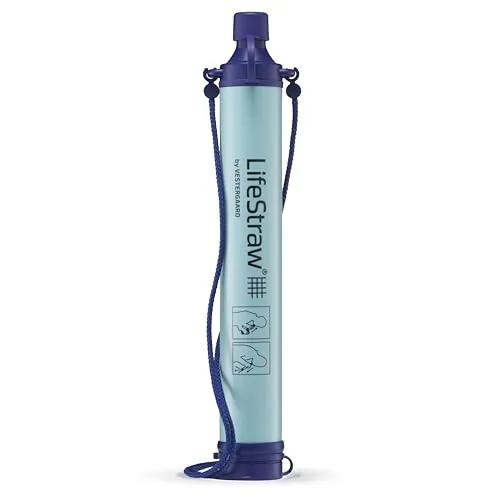
- Bring a high-quality filter bottle like a Grayl GeoPress or LifeStraw Go, which can remove bacteria, parasites, and some chemicals from tap water in an emergency. Strongly recommend the Membrane Solutions Filter Straw.
- Use bottled or purified water when brushing your teeth, especially during your first few days in Mexico while your stomach adjusts.
- When eating street food, choose vendors with high turnover (busy stalls) and avoid raw salads or unpeeled fruits unless you know they were washed with purified water.
- In resort all-inclusive hotels, the water and ice in restaurants is almost always purified , but confirm with the front desk for the tap water in your room.
- Carry oral rehydration salts (sales de rehidratacin oral, available at any farmacia) as a precaution in case you experience traveler's diarrhea.
Bottled Water Availability & Cost
Bottled water is extremely widely available throughout Mexico, from convenience stores (OXXO, 7-Eleven) to supermarkets, street vendors, and restaurants. Major brands include Bonafont (Danone), Ciel (Coca-Cola), Epura (PepsiCo), and Santa Mara. A 500ml bottle typically costs 8-15 MXN (roughly $0.45-$0.85 USD), while a 1.5-liter bottle runs 15-25 MXN ($0.85-$1.40 USD). In tourist areas like Cancn, Los Cabos, or resort zones, prices can be 50-100% higher.
For longer stays, buying 20-liter garrafones (large jugs) is the most cost-effective option at around 30-60 MXN ($1.70-$3.40 USD). These are available at purified water stations (purificadoras) found in nearly every neighborhood, and many hotels and Airbnbs provide them. Mexico is the world's largest consumer of bottled water per capita, and the plastic waste this generates is a serious environmental concern. Travelers can help reduce waste by using a high-quality filter bottle (such as LifeStraw or Grayl) and refilling from garrafones when possible.
Frequently Asked Questions
Can I brush my teeth with tap water in Mexico?
It's best to use bottled or purified water for brushing teeth, especially during the first week of your trip. While the risk from a small amount of tap water is relatively low, many travelers report stomach issues from this exposure. If you have a sensitive stomach or are visiting a region with poor water quality, always use purified water.
Is it safe to shower in Mexican tap water?
Yes, showering in Mexican tap water is safe. The risk comes from ingesting the water, not from skin contact. Just keep your mouth closed and avoid swallowing any water. If you have open wounds or are very sensitive, you may want to take extra care.
Is the ice safe in Mexican restaurants?
In most established restaurants, bars, and hotels , especially in tourist areas , ice is made from purified water and is safe. Commercially produced ice typically comes in cylindrical tubes or bags with a brand name. Be more cautious at very small, informal eateries or street stalls in remote areas where ice might be made from tap water.
Can I eat salads and raw fruits in Mexico?
At reputable restaurants, raw vegetables and fruits are usually washed with purified water or a disinfectant solution (like Microdyn, which is widely used in Mexico). However, at street stalls or smaller establishments, it's safer to stick to cooked foods or fruits you can peel yourself, like bananas, oranges, and mangoes.
How much does bottled water cost in Mexico?
A 500ml bottle costs around 8-15 MXN ($0.45-$0.85 USD) at convenience stores. A 1.5-liter bottle runs 15-25 MXN ($0.85-$1.40 USD). The most economical option is a 20-liter garrafn for about 30-60 MXN ($1.70-$3.40 USD). Prices are higher in tourist zones and resort areas.
Do Mexican locals drink tap water?
No, the vast majority of Mexicans do not drink tap water directly. Most households use large 20-liter garrafones of purified water delivered to their homes or purchased at local purificadoras (water purification stations). Mexico is the world's largest per-capita consumer of bottled water, reflecting the widespread distrust of tap water quality.
Is the tap water safe in all-inclusive resorts in Cancn or Los Cabos?
Most large all-inclusive resorts have their own water purification systems, making the water served in their restaurants and bars safe to drink. However, the water from bathroom taps in your room may still be regular municipal water. Always check with the hotel's front desk about whether room tap water is purified or not.
What should I do if I get sick from the water in Mexico?
Traveler's diarrhea usually resolves within 1-3 days. Stay hydrated with purified water and oral rehydration salts (sales de rehidratacin oral), available at any farmacia without prescription. Pepto-Bismol or Imodium can help manage symptoms. If you have a high fever, bloody stools, or symptoms lasting more than 3 days, see a doctor , clinics and hospitals are widely available, and many accept travel insurance.
Interesting Product Reviews
9 Best Water Filters For Backpacking (2026 Review Guide)
Jul 19, 2026
6 Best Refrigerator Water Dispensers (2026 Review Guide)
Aug 13, 2026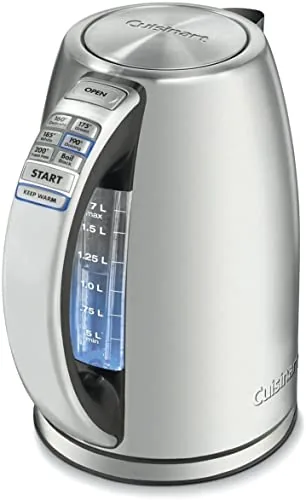
9 Best Electric Kettles (2026 Review Guide)
Aug 12, 2026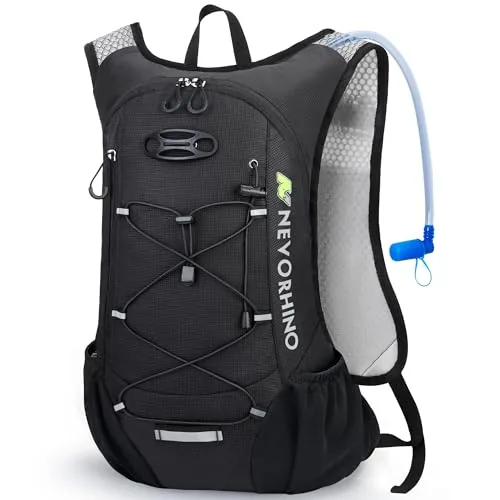
6 Best Hydration Backpacks (2026 Review Guide)
Aug 8, 2026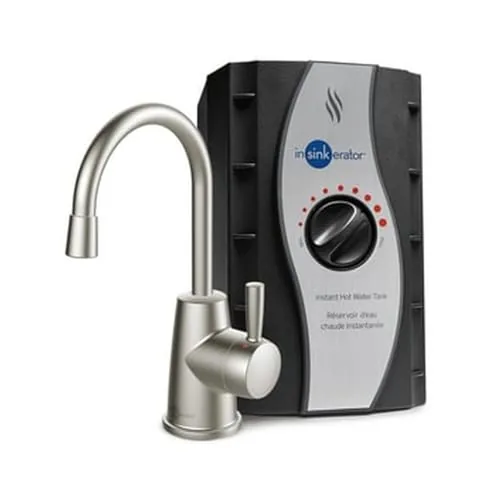
8 Best Instant Hot Water Dispensers (2026 Review Guide)
Aug 11, 2026