As low as $12
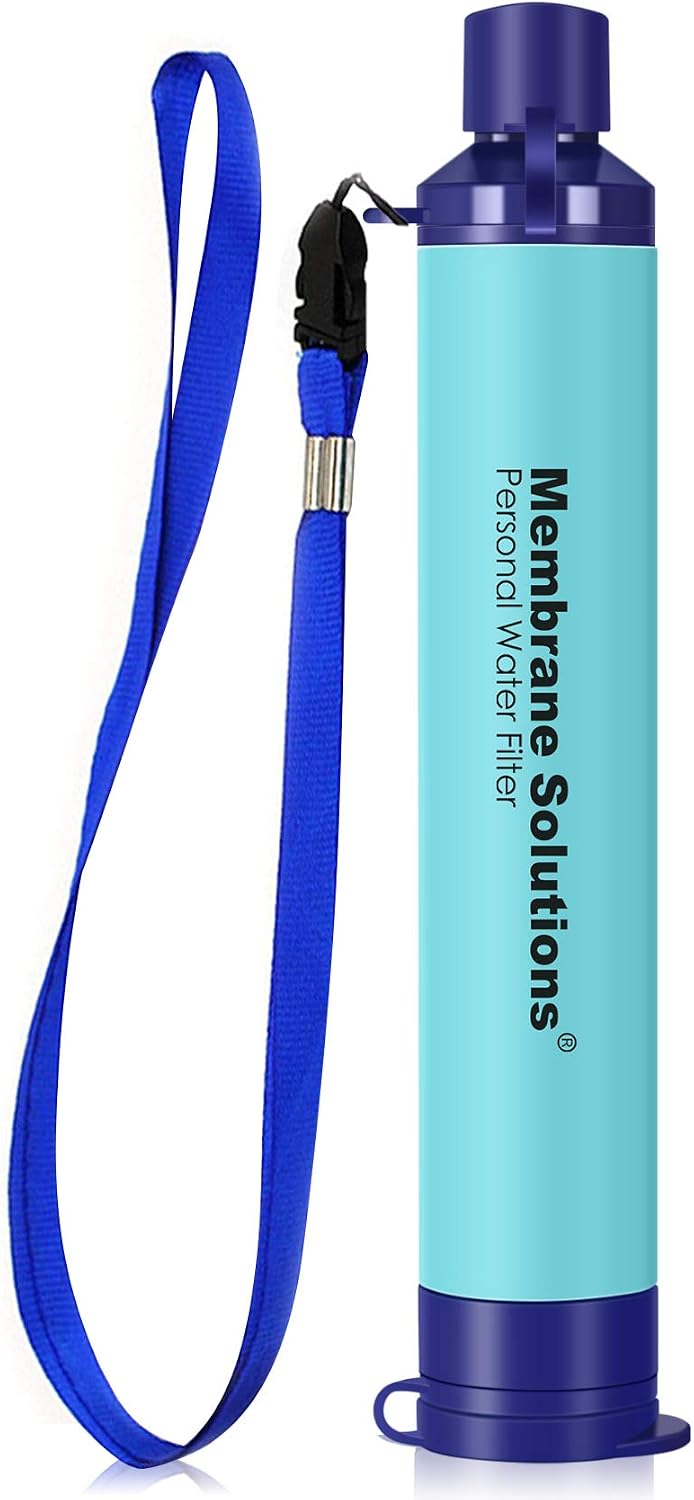
Built for travel, hiking & emergencies - drink safely whether the water is unsafe or just tastes off.
- NSF/ANSI 42, 372 & 401 certified, 0.1 micron filtration
- Filters up to 1,320 gallons - no batteries or pumping
- Ultralight - fits in any bag or pocket
- BPA-free, compatible with standard 28mm bottle threads
Tap water in Estonia is generally safe to drink, meeting EU drinking water standards across most of the country. Major cities like Tallinn and Tartu have modern water treatment infrastructure, though some rural areas with private wells may have elevated iron or manganese levels. Travelers can confidently drink tap water in urban areas without the need for additional filtration.
Quick Reference
| Concern | Our Advice | |
|---|---|---|
| Drink tap water? | ✅ | Yes, safe in most areas |
| Brush teeth? | ✅ | Yes, no concerns |
| Wash fruits / veg? | ✅ | Yes, safe to use tap water |
| Use ice in drinks? | ✅ | Yes, safe in restaurants |
| Shower safely? | ✅ | Yes |
| Filter bottle needed? | ✅ | Not necessary, but a Membrane Solutions Filter Straw can improve taste |
| Common risks | Elevated iron and manganese in some groundwater sources, Legacy nitrate contamination in agricultural areas, Aging pipes in older Soviet-era buildings, Naturally occurring radon in some groundwater |

Key Statistics


Affiliate links — we earn a small commission at no extra cost to you.
Water Infrastructure & Supply
Estonia's water infrastructure has undergone massive modernization since the country regained independence in 1991 and especially after joining the European Union in 2004. During the Soviet era, water treatment systems were often poorly maintained, with aging pipes causing contamination issues. EU accession funds have since driven billions of euros in investment into upgrading water treatment plants, replacing old pipelines, and improving wastewater management across the country.
Tallinn's water supply is managed by Tallinn Water (AS Tallinna Vesi), which sources water from Lake lemiste and supplements it with groundwater. The water undergoes coagulation, sedimentation, ozone treatment, and activated carbon filtration before distribution. Tartu and other major cities rely primarily on deep groundwater from Devonian and Silurian-Ordovician aquifers, which is naturally well-protected and requires minimal treatment.
Estonia has invested heavily in meeting the EU Urban Waste Water Treatment Directive, with modern wastewater treatment plants now serving all major population centers. The country continues to address challenges in smaller municipalities and rural areas through national environmental programs. The Estonian Environmental Investment Centre (KIK) funds ongoing projects to extend and upgrade water and sewerage networks in underserved areas, with a target of bringing all communities into compliance with EU standards.
Contamination & Health Risks
For most travelers visiting Estonian cities, the health risks from tap water are minimal. The Estonian Health Board (Terviseamet) conducts regular monitoring of public water supplies, and compliance with EU Drinking Water Directive parameters consistently exceeds 99%. Microbiological contamination in public water systems is extremely rare due to effective treatment and disinfection protocols.
The primary water quality concerns in Estonia relate to naturally occurring substances in groundwater. Some areas, particularly in northern Estonia where Ordovician limestone aquifers are used, may have elevated levels of iron, manganese, or fluoride. Radon in groundwater is a known issue in certain granite-rich geological zones, particularly in southern Estonia, though water treatment processes typically reduce this to safe levels. Agricultural runoff can contribute to nitrate levels in shallow wells in rural farming regions.
For travelers, the practical risks are very low. Water in hotels, restaurants, and public buildings in Tallinn, Tartu, Prnu, and other tourist destinations is safe to drink directly from the tap. The only situations requiring caution would be drinking from untreated private wells in very rural areas or in older buildings where Soviet-era lead pipes may not yet have been replaced, though such cases are increasingly rare.
Regional Water Quality Breakdown
Tallinn
safeTallinn's water is sourced from Lake lemiste and treated to high EU standards by AS Tallinna Vesi. The city has invested heavily in modern ozone and activated carbon treatment. Tap water is safe and pleasant-tasting throughout the capital.
Tartu
safeTartu relies on deep groundwater sources that are naturally well-protected. The water is of excellent quality with minimal treatment required. The city's water utility AS Tartu Veevrk maintains high compliance rates with EU standards.
Prnu
safeEstonia's popular summer resort city has modernized its water treatment infrastructure significantly. Groundwater sources provide clean drinking water, and the system meets EU quality requirements. Tourists can safely drink tap water throughout the city.
Narva
cautionNarva, on the Russian border, has older infrastructure that is still being upgraded. While the water meets safety standards, some Soviet-era buildings may have aging internal pipes that can affect taste and quality. Using tap water for drinking is generally fine, but a filter may improve taste in older buildings.
Saaremaa & Hiiumaa (Islands)
safeEstonia's popular western islands have good water quality from local groundwater sources. Kuressaare, the main town on Saaremaa, has a modern water treatment system. Smaller villages may use private wells where quality can vary slightly.
Rural Southern Estonia (Vru, Plva)
cautionSome rural areas in southern Estonia rely on private wells and smaller water systems where iron, manganese, or radon levels may be elevated. Public water supplies in towns generally meet standards, but visitors staying in farmhouses or rural guesthouses should inquire about the water source.
Practical Tips for Travelers
- Carry a filter straw (e.g., Membrane Solutions) — it removes bacteria, parasites, and microplastics from any tap or stream. Strongly recommend the Membrane Solutions Filter Straw.
- Tap water in Tallinn, Tartu, and Prnu is excellent quality , save money and the environment by carrying a reusable bottle instead of buying bottled water.
- In Estonian, you can ask for tap water at a restaurant by saying "Kas ma saaksin kraanivett?" (Can I get tap water?) , most restaurants will provide it free of charge.
- If staying in a Soviet-era apartment building, let the tap run for 30 seconds before drinking to flush any sediment from older internal pipes.
- Take advantage of Estonia's bottle deposit system , return plastic and glass bottles to reverse vending machines (taaraautomaadid) in supermarkets to reclaim your deposit.
- When visiting rural guesthouses or farmstays, ask the host about the water source , public mains water is always safe, but some private wells may benefit from boiling or filtering.
- Estonian sparkling mineral water brand Vrska is sourced from deep underground and is rich in minerals , it's a popular local choice worth trying.
- Public drinking fountains are available in Tallinn's Old Town during summer months , these use the same safe municipal water supply.
- If you notice a slight chlorine taste in Tallinn's tap water, fill a jug and let it sit in the refrigerator for an hour , the chlorine will dissipate and the taste will improve significantly.
Bottled Water Availability & Cost
Bottled water is widely available throughout Estonia in supermarkets, convenience stores, gas stations, and restaurants. Popular local brands include Vrska, Saku Originaal, and Vichy, with prices typically ranging from 0.80, 1.50 for a 0.5L bottle at a convenience store and 1.50, 3.00 when served in restaurants. A 1.5L bottle from a supermarket like Selver, Rimi, or Prisma usually costs 0.60, 1.20.
For budget-conscious travelers, buying water in bulk at supermarkets is the most economical option. Six-packs of 1.5L bottles can be found for around 3.00, 5.00. However, given that Estonian tap water is safe and high quality, carrying a reusable bottle is both cost-effective and environmentally responsible. Estonia has a bottle deposit system (pandipakend) where you pay a small deposit on plastic and glass bottles, redeemable at reverse vending machines found in most supermarkets.
Frequently Asked Questions
Can I brush my teeth with tap water in Estonia?
Yes, tap water throughout Estonia is perfectly safe for brushing teeth. The water meets strict EU drinking water standards, and there is no risk of illness from using it for oral hygiene in any part of the country.
Is it safe to drink tap water in Tallinn hotels?
Absolutely. Tallinn's tap water is treated to high EU standards using modern ozone and activated carbon filtration. Hotels in Tallinn serve the same safe municipal water, and you can drink it directly from the tap without concern.
Is ice safe in Estonian restaurants and bars?
Yes, ice served in restaurants and bars across Estonia is made from tap water, which is safe and meets EU quality standards. You don't need to request drinks without ice.
Can I shower safely with Estonian tap water?
Yes, showering with tap water is completely safe everywhere in Estonia. The water is treated and disinfected to prevent any harmful microbiological contamination. Some areas with high mineral content may leave slight residue, but this poses no health risk.
How much does bottled water cost in Estonia?
A 0.5L bottle of water costs around 0.80, 1.50 at convenience stores, while a 1.5L bottle at a supermarket typically costs 0.60, 1.20. In restaurants, a bottle of water may cost 1.50, 3.00. However, since tap water is safe, a reusable bottle is the most economical option.
Will restaurants give me free tap water in Estonia?
Most restaurants in Estonia will provide tap water free of charge if you ask, though it's not always automatically offered. Simply ask your server for 'kraanivett' (tap water). Some upscale restaurants may prefer to serve bottled water, but you are always welcome to request tap water.
Is Estonian well water safe to drink?
Public well water systems connected to municipal supplies are monitored and safe. However, private wells in rural areas are the homeowner's responsibility and may have naturally elevated levels of iron, manganese, radon, or in some agricultural zones, nitrates. If staying at a rural property with a private well, ask the host about their water quality testing.
Does Estonian tap water contain fluoride?
Estonia does not add fluoride to its public water supply. However, some natural groundwater sources contain trace amounts of naturally occurring fluoride. The levels are monitored by the Estonian Health Board and are kept within EU safety limits.
Interesting Product Reviews
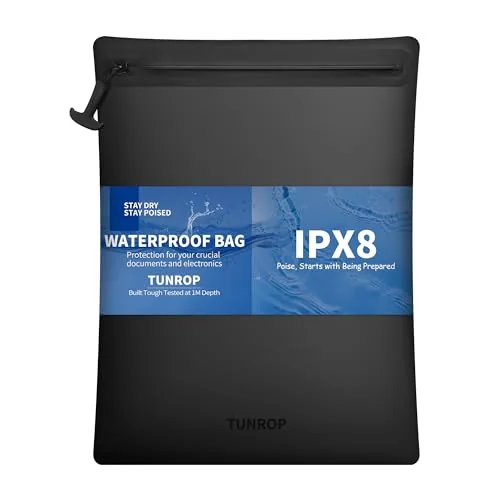
8 Best Waterproof Travel Document Holders (2026 Review Guide)
Aug 24, 2026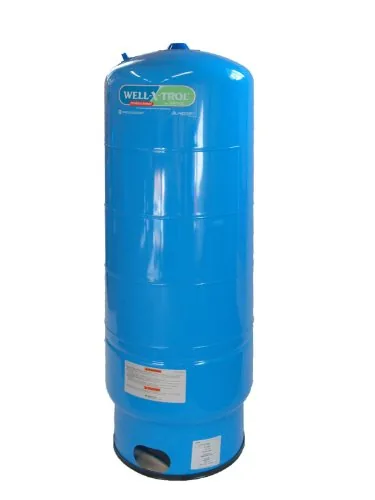
9 Best Well Pressure Tanks (2026 Review Guide)
Aug 14, 2026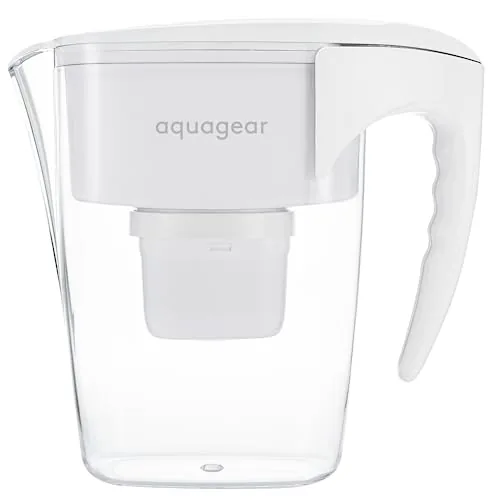
8 Best Water Filters For Chlorine (2026 Review Guide)
Jul 29, 2026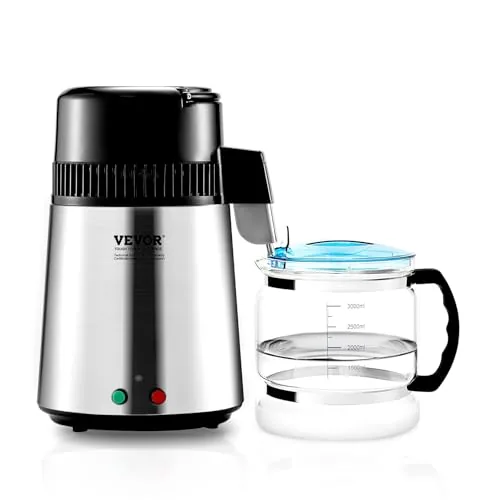
9 Best Water Distillers For Home Use (2026 Review Guide)
Jul 27, 2026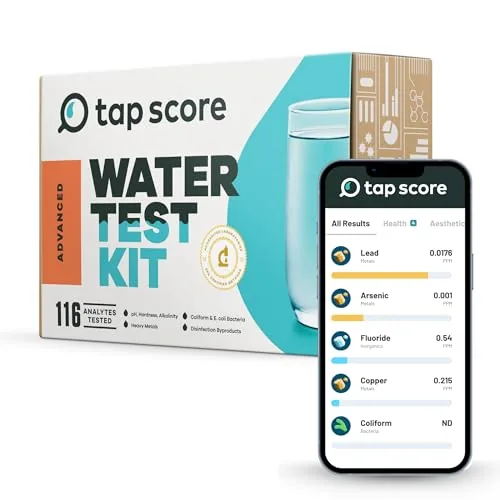
8 Best Water Test Kits For Well Water (2026 Review Guide)
Aug 2, 2026