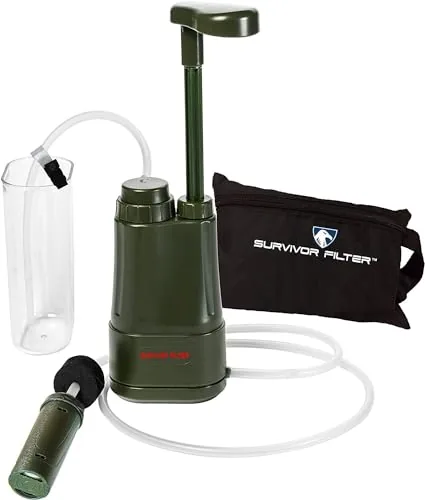
As low as $12
Built for travel, hiking & emergencies - drink safely whether the water is unsafe or just tastes off.
- NSF/ANSI 42, 372 & 401 certified, 0.1 micron filtration
- Filters up to 1,320 gallons - no batteries or pumping
- Ultralight - fits in any bag or pocket
- BPA-free, compatible with standard 28mm bottle threads
Tap water in Senegal is generally not safe for travelers to drink without treatment. While Dakar and some urban areas have treated municipal water, inconsistent disinfection, aging infrastructure, and contamination risks make bottled or filtered water the recommended choice for visitors. Rural areas face significantly greater challenges with water quality and access.
Quick Reference
| Concern | Our Advice | |
|---|---|---|
| Drink tap water? | ❌ | Use bottled or filtered water |
| Brush teeth? | ❌ | Use bottled or filtered water |
| Wash fruits / veg? | ❌ | Wash with filtered or bottled water |
| Use ice in drinks? | ❌ | Avoid unless confirmed purified |
| Shower safely? | ✅ | Yes |
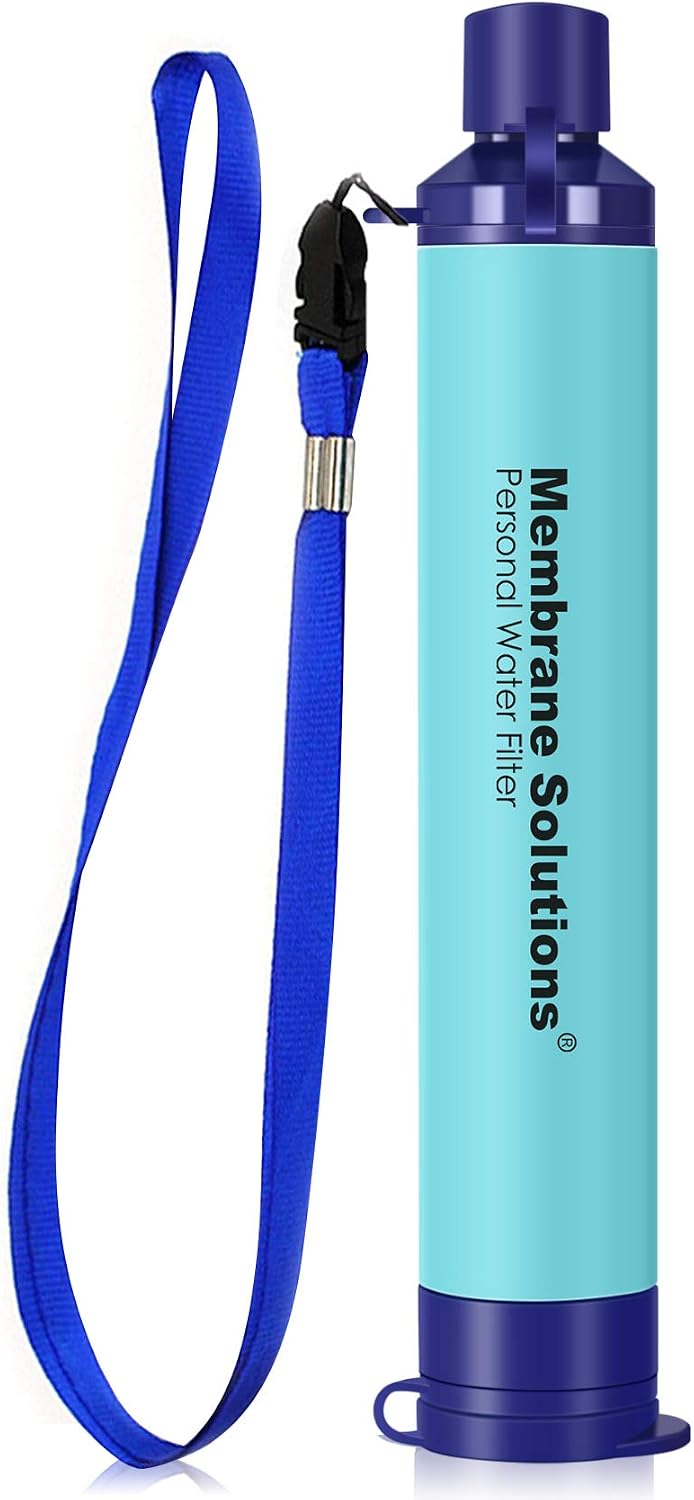
| Filter bottle needed? | ❌ | Strongly recommend a Membrane Solutions Filter Straw for all travelers |
| Common risks | Bacterial contamination, Parasitic infections, Nitrate contamination, Fecal coliform, Waterborne diseases, Inadequate chlorination, Pipe corrosion |

Key Statistics


Affiliate links — we earn a small commission at no extra cost to you.
Water Infrastructure & Supply
Senegal's water supply system has undergone significant modernization since the late 1990s through public-private partnerships, notably with the Sngalaise des Eaux (SDE) managing urban water distribution from 1996 to 2019, and Suez-backed Sen'Eau taking over in 2020. The Keur Momar Sarr water treatment plant, drawing from Lac de Guiers, is the primary source for Dakar and surrounding regions. Multiple phases of expansion have increased treatment capacity, though the system still struggles with the demands of rapid urbanization.
The urban water network in Dakar and regional capitals relies on surface water treatment and groundwater extraction. However, aging pipes cause frequent leaks and potential contamination through cross-connections, and non-revenue water losses remain significant at around 20-25%. In rural areas, boreholes and wells serve as the primary water sources, but many lack proper disinfection, and groundwater in some regions is naturally high in fluoride or nitrates.
The Senegalese government, with support from the World Bank and African Development Bank, has invested heavily in projects like the KMS3 (Keur Momar Sarr Phase 3) desalination and treatment expansion completed in 2021, and ongoing rural water supply programs under PEPAM (Programme d'Eau Potable et d'Assainissement du Millnaire). These projects aim to extend safely managed water to more communities, though disparities between Dakar and the rest of the country remain stark.
Contamination & Health Risks
The primary health risks from Senegalese tap water include bacterial contamination from E. coli and other fecal coliforms, particularly in areas where sanitation infrastructure is inadequate. Studies have detected elevated levels of nitrates in groundwater in certain regions, especially in the Niayes zone near Dakar and parts of the Casamance. Travelers are at risk of traveler's diarrhea, cholera (during outbreaks), typhoid fever, and other gastrointestinal infections.
Pollution sources include agricultural runoff carrying pesticides and fertilizers, untreated industrial wastewater, and inadequate sewage treatment. Only a small fraction of Senegal's wastewater is treated , Dakar's main wastewater treatment facility at Cambrne has limited capacity relative to the city's growing population. Informal settlements and flood-prone neighborhoods face particularly acute contamination risks during the rainy season (July, October), when flooding can overwhelm drainage and contaminate water sources.
For travelers, the practical risks are highest when consuming tap water directly, eating raw vegetables washed in tap water, or using ice made from unfiltered water. Even in hotels in Dakar, it is advisable to use bottled or filtered water for drinking and brushing teeth. Showering is generally safe as long as water is not swallowed. Travelers with sensitive stomachs or compromised immune systems should be especially cautious.
Regional Water Quality Breakdown
Dakar
cautionDakar has the best water infrastructure in Senegal, with treated municipal water reaching most neighborhoods. However, aging distribution pipes, intermittent supply in some areas, and possible recontamination make it unsafe for travelers to drink directly from the tap.
Saint-Louis
cautionSaint-Louis has a municipal water supply but the system is older and faces challenges from saltwater intrusion due to its location near the Senegal River delta. Travelers should use bottled water and be cautious about ice in drinks.
Casamance (Ziguinchor, Cap Skirring)
avoidThe Casamance region in southern Senegal has limited water treatment infrastructure, and groundwater sources may contain elevated nitrates and biological contaminants. Rural tourism areas around Cap Skirring may have inconsistent water quality, so bottled or filtered water is essential.
This & Saly (Petite Cte)
cautionThe popular tourist corridor along the Petite Cte has reasonable water infrastructure, and major hotels typically use filtered systems. However, tap water should not be consumed directly, and travelers should verify that restaurants use purified water and ice.
Tambacounda & Kdougou (Eastern Senegal)
avoidEastern Senegal is remote with limited water treatment infrastructure. Groundwater sources may be contaminated, and supplies can be unreliable. Travelers heading to Niokolo-Koba National Park or the Bassari Country should bring sufficient bottled or filtered water.
le de Gore
cautionThis popular day-trip island off Dakar receives its water from the mainland via an undersea pipeline. Water quality is comparable to Dakar's but storage conditions on the island can affect it. Stick to bottled water during your visit.
Practical Tips for Travelers
- Always drink bottled or filtered water. Look for the Kirne brand, Senegal's most trusted and affordable bottled water, available everywhere from corner shops to supermarkets.
- Avoid street-sold water sachets ('eau en sachet' or 'bagna'). While popular among locals, quality control varies widely and they may cause stomach upset for travelers.
- In Wolof, you can ask for bottled water by saying 'Ndox buuy nbb' (sealed water) or simply ask in French: 'De l'eau en bouteille, s'il vous plat' (bottled water, please).
- Carry a portable water filter bottle (LifeStraw, Grayl, or Sawyer) as a reliable backup, especially when traveling outside Dakar or visiting national parks. Strongly recommend the Membrane Solutions Filter Straw.
- Be cautious with ice in drinks, even in Dakar restaurants. Ask 'Est-ce que la glace est faite avec de l'eau purifie?' (Is the ice made with purified water?) before accepting iced beverages.
- During the rainy season (July, October), be extra vigilant about water quality as flooding can contaminate municipal supplies and groundwater sources.
- Peel fruits and vegetables rather than washing them with tap water. If you must wash produce, use bottled water or add water purification drops.
- In upscale hotels and lodges, ask whether they have their own water filtration system , many do, and their tap water may be safe for brushing teeth, but confirm before assuming.
Bottled Water Availability & Cost
Bottled water is widely available throughout Senegal, especially in cities and tourist areas. The most common local brand is Kirne, which is affordable and trusted. A 1.5-liter bottle typically costs 400, 600 CFA francs (approximately $0.65, $1.00 USD) in shops and supermarkets, while smaller 0.5-liter bottles cost 200, 300 CFA francs. In restaurants and tourist areas, prices may be marked up to 1,000, 1,500 CFA francs for 1.5 liters. International brands like Evian or Volvic are available in larger supermarkets at higher prices.
Buying water in bulk (packs of 6 or more 1.5-liter bottles) from supermarkets like Auchan or Casino is the most economical approach, bringing the per-bottle cost down to around 350 CFA francs. Travelers should always check that bottle seals are intact before purchasing. For a more sustainable option, investing in a quality filter bottle such as a LifeStraw or Grayl can reduce plastic waste significantly during your trip, and the filtered water from sachets ('eau en sachet') sold on the street, while popular among locals, should be avoided by travelers as quality control is inconsistent.
Frequently Asked Questions
Can I brush my teeth with tap water in Senegal?
It's best to use bottled or filtered water for brushing teeth, especially if you have a sensitive stomach. In Dakar's better hotels with filtration systems, the risk is lower, but to be safe, travelers should avoid tap water for any oral use.
Is it safe to shower in tap water in Senegal?
Yes, showering in tap water is generally safe in Senegal. Just be careful not to swallow any water while showering. If you have open wounds or very sensitive skin, you may want to take extra precautions in areas with poorer water quality.
Is ice safe in drinks in Senegal?
Ice in drinks is generally not safe unless you're at an upscale hotel or restaurant that confirms they use purified water for ice making. Many establishments use regular tap water for ice, so it's best to ask or request drinks without ice.
Can I drink water served at restaurants in Senegal?
In restaurants, always request sealed bottled water rather than a carafe or glass of tap water. Reputable restaurants in Dakar and tourist areas will serve bottled water by default, but in smaller local eateries, always check that the seal is intact.
How much does bottled water cost in Senegal?
A 1.5-liter bottle of Kirne water costs about 400, 600 CFA francs ($0.65, $1.00 USD) in shops. Prices are higher in restaurants and tourist areas, ranging from 1,000, 1,500 CFA francs. Buying in bulk at supermarkets like Auchan is the most economical approach.
Is the tap water in Dakar safer than other parts of Senegal?
Yes, Dakar has the most developed water treatment infrastructure in the country, with about 98% coverage. However, even in Dakar, the tap water is not recommended for travelers due to potential pipe contamination and inconsistent disinfection levels. Bottled or filtered water remains the safest choice.
What waterborne diseases should I be aware of in Senegal?
The main waterborne disease risks include traveler's diarrhea, typhoid fever, cholera (sporadic outbreaks occur), hepatitis A, and parasitic infections. Ensure you're up to date on hepatitis A and typhoid vaccinations before traveling, and consider bringing oral rehydration salts.
Are water sachets ('eau en sachet') safe to drink in Senegal?
Water sachets are very popular and affordable in Senegal, but quality varies significantly between producers. Some are produced under hygienic conditions while others are not properly filtered or sealed. Travelers should avoid water sachets and stick to sealed bottled water from recognized brands like Kirne.
Interesting Product Reviews
9 Best Sump Pumps (2026 Review Guide)
Aug 14, 2026
8 Best Water Filters For Van Life (2026 Review Guide)
Jul 28, 2026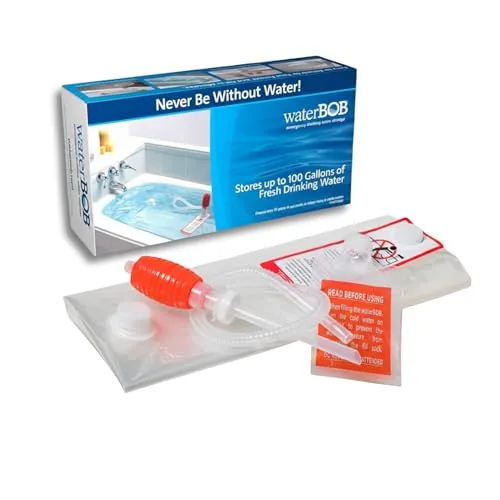
8 Best Water Storage Containers For Emergencies (2026 Review Guide)
Aug 5, 2026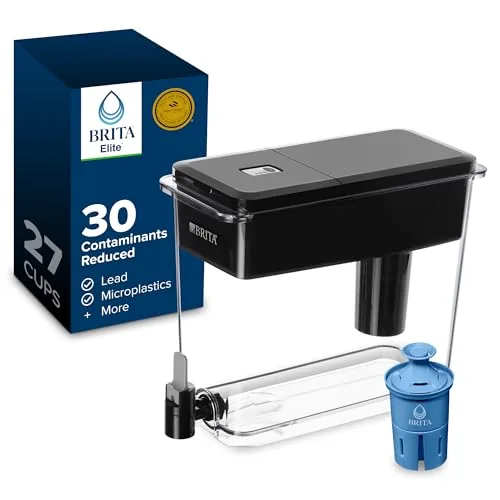
7 Best Water Filters For Lead Removal (2026 Review Guide)
Jul 29, 2026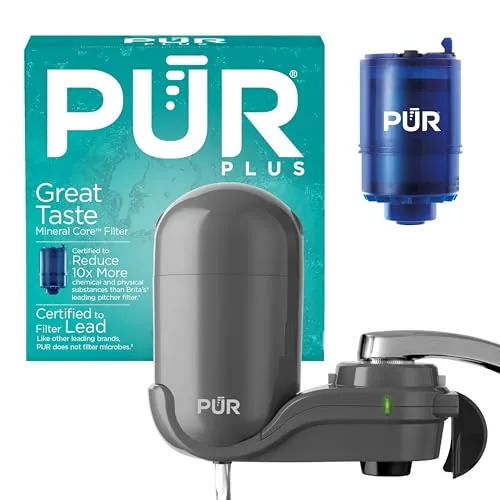
6 Best Faucet Water Filters (2026 Review Guide)
Jul 5, 2026