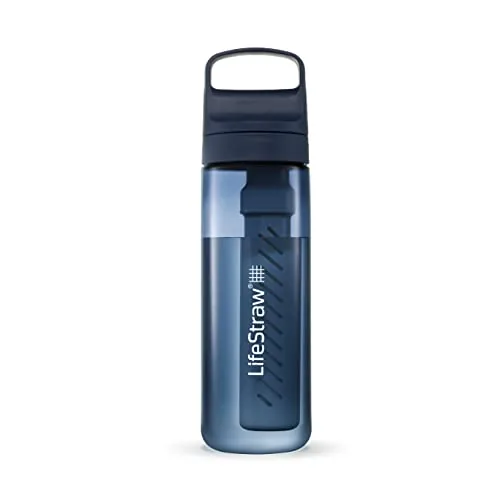
As low as $12
Built for travel, hiking & emergencies - drink safely whether the water is unsafe or just tastes off.
- NSF/ANSI 42, 372 & 401 certified, 0.1 micron filtration
- Filters up to 1,320 gallons - no batteries or pumping
- Ultralight - fits in any bag or pocket
- BPA-free, compatible with standard 28mm bottle threads
Tap water in Japan is generally safe to drink throughout the country. Japan maintains some of the strictest water quality standards in the world, with rigorous testing for over 50 parameters mandated by the Waterworks Act. Travelers can confidently drink tap water in major cities like Tokyo, Osaka, and Kyoto without concern.
Quick Reference
| Concern | Our Advice | |
|---|---|---|
| Drink tap water? | ✅ | Yes, safe in most areas |
| Brush teeth? | ✅ | Yes, no concerns |
| Wash fruits / veg? | ✅ | Yes, safe to use tap water |
| Use ice in drinks? | ✅ | Yes, safe in restaurants |
| Shower safely? | ✅ | Yes |
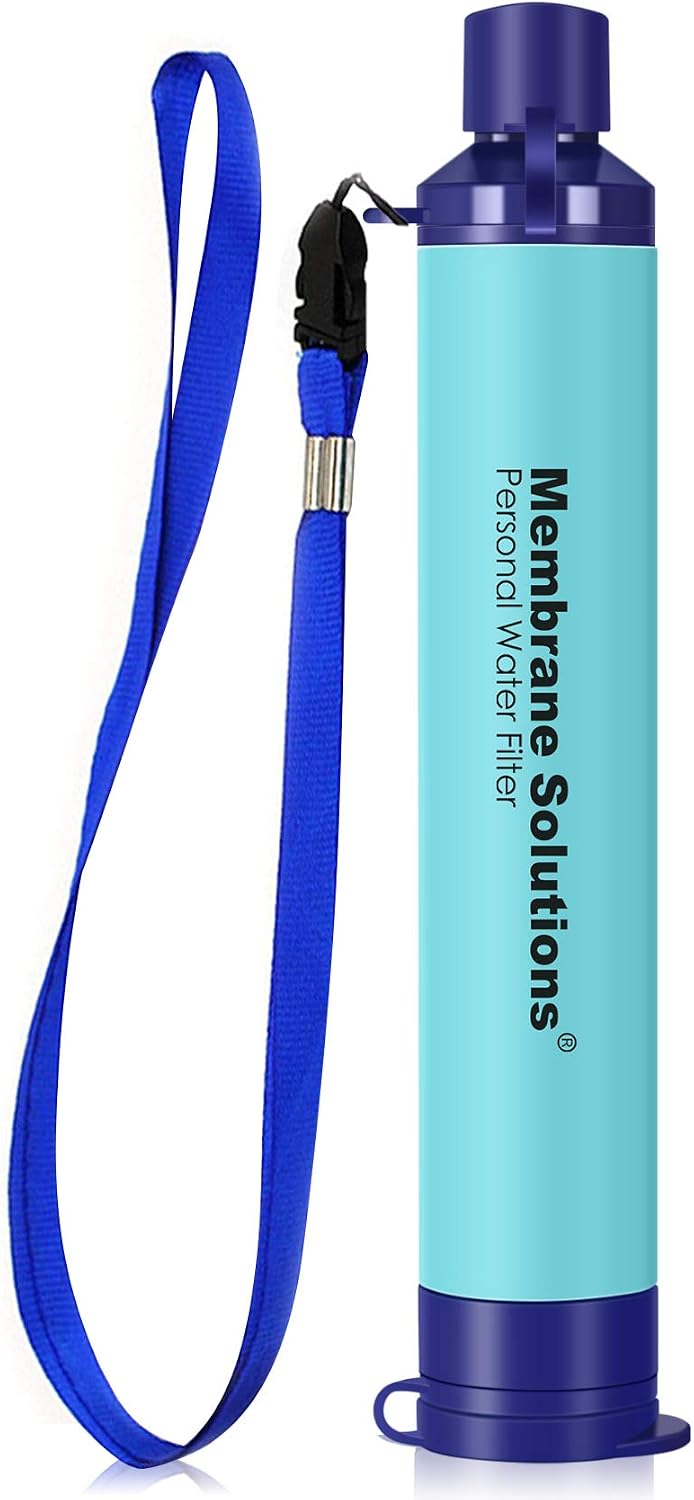
| Filter bottle needed? | ✅ | Not necessary, but a Membrane Solutions Filter Straw can improve taste |
| Common risks | Residual chlorine taste, Aging pipes in older buildings, Occasional trihalomethanes from chlorination |

Key Statistics


Affiliate links — we earn a small commission at no extra cost to you.
Water Infrastructure & Supply
Japan's modern water supply system dates back to the late 19th century when the Meiji government built the first modern waterworks in Yokohama in 1887. Since then, Japan has developed one of the world's most advanced water treatment and distribution networks. The national government invested heavily in water infrastructure during the post-war economic boom, and today the system serves over 125 million people with consistently high-quality drinking water.
Water treatment in Japan employs multi-stage processes including coagulation, sedimentation, rapid sand filtration, and chlorine disinfection. Many facilities have upgraded to advanced treatment methods such as ozone treatment and biological activated carbon filtration, particularly in areas drawing from river water sources. Tokyo's Bureau of Waterworks, for example, operates advanced purification plants that produce water meeting standards even stricter than national requirements. Chlorine residual levels are maintained throughout the distribution network as required by law, ensuring microbiological safety at the point of use.
Japan faces ongoing challenges with aging infrastructure, as much of the pipe network was installed during rapid expansion in the 1960s and 1970s. The Ministry of Health, Labour and Welfare (MHLW) has implemented long-term plans to systematically replace aging pipelines, with a focus on earthquake-resistant ductile iron pipes. Also, Japan is a global leader in water loss reduction, maintaining non-revenue water rates around 5%, compared to global averages of 30% or more. Decentralized water systems in rural areas continue to receive investment to match urban quality standards.
Contamination & Health Risks
Japan's tap water is considered among the safest in the world and poses minimal health risks for travelers. The country tests for 51 regulated water quality items and 26 additional supplementary items, covering heavy metals, pesticides, volatile organic compounds, and microbiological contaminants. Compliance rates consistently exceed 99.9% across all monitored parameters, and waterborne disease outbreaks are exceptionally rare.
The primary concern some visitors note is the taste and smell of chlorine, as Japanese law requires a minimum residual chlorine level of 0.1 mg/L at all points of delivery. While this ensures excellent microbiological safety, it can give the water a noticeable chlorine taste, particularly in warmer months when higher chlorine doses are used. In very old buildings (pre-1980s), internal plumbing may use lead-soldered joints or aging storage tanks on rooftops, which could theoretically introduce contaminants , though water utilities have largely addressed this through pipe replacement programs.
For travelers, the risk of waterborne illness from Japanese tap water is negligible. There are no CDC or WHO travel health advisories against drinking tap water in Japan. The water is safe for all uses including drinking directly from the tap, making ice, preparing baby formula, and washing produce. Those with sensitivity to chlorine can let water sit for a few minutes or use a simple activated carbon filter to improve taste, but this is a matter of preference rather than safety.
Regional Water Quality Breakdown
Tokyo
safeTokyo's Bureau of Waterworks operates state-of-the-art purification facilities and has invested billions in advanced ozone and activated carbon treatment since the early 2000s. Water quality in Tokyo meets or exceeds all national standards and is safe to drink straight from the tap. The city actively promotes its tap water quality under the 'Tokyo Water' brand.
Osaka & Kansai Region
safeOsaka sources much of its water from Lake Biwa via the Yodo River and has significantly improved water quality through advanced purification systems. The city invested heavily in upgrading treatment plants and now produces excellent quality tap water. Kyoto and Nara in the Kansai region also maintain high water quality standards.
Hokkaido
safeHokkaido benefits from pristine natural water sources including snowmelt and mountain spring water. Cities like Sapporo consistently report excellent water quality with low turbidity and minimal treatment requirements. The clean source water means Hokkaido tap water is often praised for its taste.
Okinawa
safeOkinawa relies heavily on desalination and reservoir water due to its subtropical climate and limited freshwater resources. While the water is safe to drink and meets all national standards, some visitors notice a slightly different mineral taste compared to mainland Japan. Water hardness in Okinawa is higher than the national average due to coral limestone geology.
Rural and Mountainous Areas
safeRural areas and smaller towns generally maintain safe tap water through smaller waterworks systems regulated under the same national standards. Some very remote areas may use simplified water supply systems with less advanced treatment, but these still meet basic safety requirements. Mountain spring water sources often produce naturally high-quality water.
Fukuoka & Kyushu Region
safeFukuoka has historically faced water scarcity issues and has developed advanced water recycling and desalination capabilities. Tap water quality is excellent and meets all safety standards. Other Kyushu cities like Nagasaki and Kumamoto also provide safe, high-quality drinking water, with Kumamoto notably sourcing 100% of its water from groundwater.
Practical Tips for Travelers
- Carry a filter straw (e.g., Membrane Solutions) — it removes bacteria, parasites, and microplastics from any tap or stream. Strongly recommend the Membrane Solutions Filter Straw.
- Japanese tap water is safe to drink directly , save money by carrying a reusable bottle (, mai botoru) and refilling from taps throughout the day.
- If you prefer still water at a restaurant, ask for 'omizu o kudasai' () , most restaurants serve free tap water automatically, which is perfectly safe.
- Vending machines (, jid hanbaiki) are everywhere in Japan and sell water for about 100-130 if you prefer bottled, but tap water is equally safe.
- In older hotels or ryokan with rooftop water tanks, you may want to let the tap run for a few seconds before drinking, though the water is still safe.
- Public drinking fountains are common in parks, train stations, and public buildings , look for signs saying (inrysui, meaning drinking water) to confirm the water is potable.
- If you dislike the mild chlorine taste, place tap water in a pitcher in the fridge for 15-30 minutes or use a simple charcoal filter (, binchotan) , a traditional Japanese water purification method.
- Ice in drinks at restaurants, cafes, and bars is made from tap water and is completely safe to consume throughout Japan.
- When hiking in Japan, mountain stream water (, sawamizu) should not be assumed safe even if it looks clear , stick to treated tap water or carry sufficient supplies.
Bottled Water Availability & Cost
Bottled water is widely available throughout Japan at convenience stores (konbini), vending machines, supermarkets, and train station kiosks. Popular domestic brands include Suntory Tennensui, Coca-Cola's I LOHAS, Kirin Alkaline Ion Water, and Crystal Geyser (bottled in Japan). A 500ml bottle typically costs 100, 130 (approximately $0.65, $0.85 USD) at convenience stores and vending machines, while 2-liter bottles at supermarkets range from 80, 150 ($0.50, $1.00 USD).
Given that tap water is safe to drink, carrying a reusable bottle is both economical and environmentally friendly. Many train stations, parks, and public facilities have drinking fountains where you can refill. Japan has been increasingly promoting sustainability initiatives, and some municipalities have installed stylish public water refill stations. Buying in bulk at stores like Don Quijote or supermarkets can save money if you still prefer bottled water for convenience during travel.
Frequently Asked Questions
Can I brush my teeth with tap water in Japan?
Yes, absolutely. Japanese tap water is safe for brushing teeth throughout the entire country. The water meets strict quality standards enforced by the Ministry of Health, Labour and Welfare, and there is no risk of illness from oral contact with tap water.
Is it safe to shower in Japanese tap water?
Yes, showering in Japanese tap water is completely safe. The water is treated and disinfected to high standards. Some people with sensitive skin may notice slight dryness from the chlorine content, in which case a shower filter or moisturizer can help, but there are no health risks.
Is ice safe in drinks in Japan?
Yes, ice served in Japanese restaurants, bars, cafes, and convenience stores is made from treated tap water and is safe to consume. You do not need to request drinks without ice as you might in some other Asian countries.
Do restaurants in Japan serve tap water, and is it safe?
Yes, most Japanese restaurants serve complimentary tap water (or cold barley tea) as soon as you sit down. This water is safe to drink. It's a standard practice across all types of dining establishments, from casual izakayas to high-end restaurants.
How much does bottled water cost in Japan?
A 500ml bottle of water costs approximately 100-130 (about $0.65-$0.85 USD) from convenience stores and vending machines. Larger 2-liter bottles cost 80-150 at supermarkets. However, since tap water is safe, bottled water is a convenience rather than a necessity.
Why does Japanese tap water sometimes taste like chlorine?
Japanese law requires a minimum residual chlorine level of 0.1 mg/L in tap water at the point of delivery to ensure microbiological safety. This can create a noticeable chlorine taste, especially in summer months when higher doses are used. The taste is harmless and can be reduced by chilling the water or using a simple carbon filter.
Is tap water in Okinawa safe to drink?
Yes, tap water in Okinawa is safe to drink and meets the same national standards as mainland Japan. However, due to Okinawa's coral limestone geology, the water has higher mineral content (harder water) which gives it a slightly different taste. Some residents and visitors prefer filtered or bottled water for taste preference only.
Is tap water safe near Fukushima?
Yes, tap water throughout Japan, including areas near Fukushima, is continuously monitored for radioactive materials and has consistently tested well within safe limits since the 2011 disaster. The Japanese government and independent agencies regularly publish monitoring results. There is no health risk from drinking tap water anywhere in Japan related to radiation.
Interesting Product Reviews
7 Best Emergency Water Storage Tanks (2026 Review Guide)
Aug 21, 2026
6 Best High Pressure Shower Heads (2026 Review Guide)
Aug 19, 2026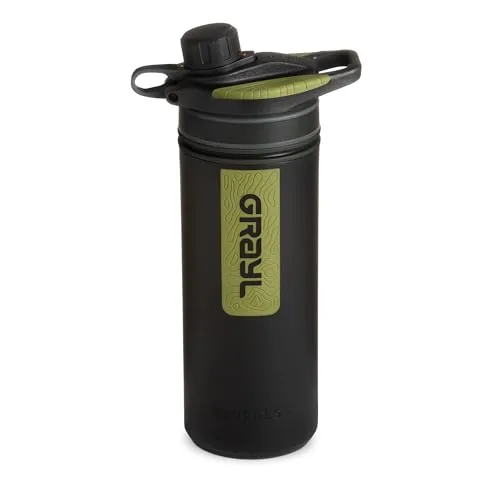
6 Best Water Purifier Bottles For Travel (2026 Review Guide)
Jul 9, 2026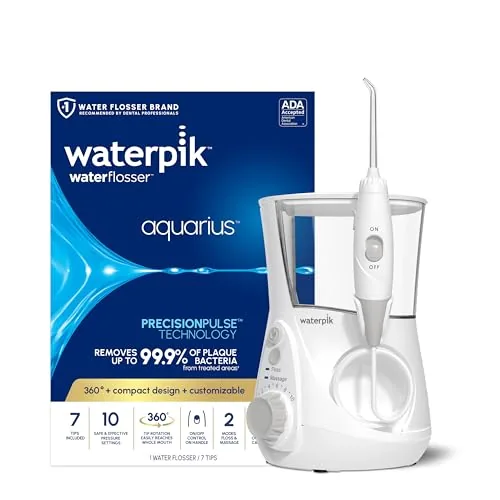
8 Best Water Flossers (2026 Review Guide)
Aug 20, 2026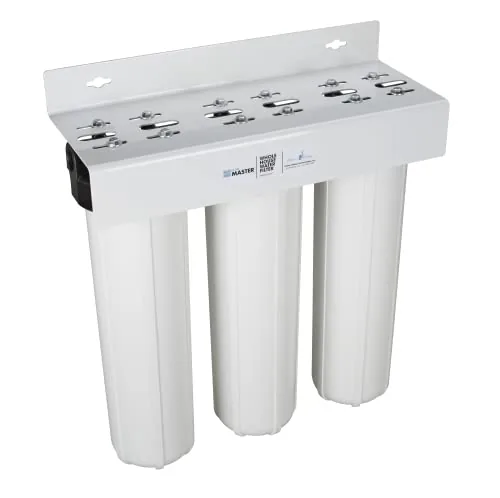
9 Best Water Filters For Sulfur Smell (Rotten Egg Water) (2026 Review Guide)
Aug 1, 2026