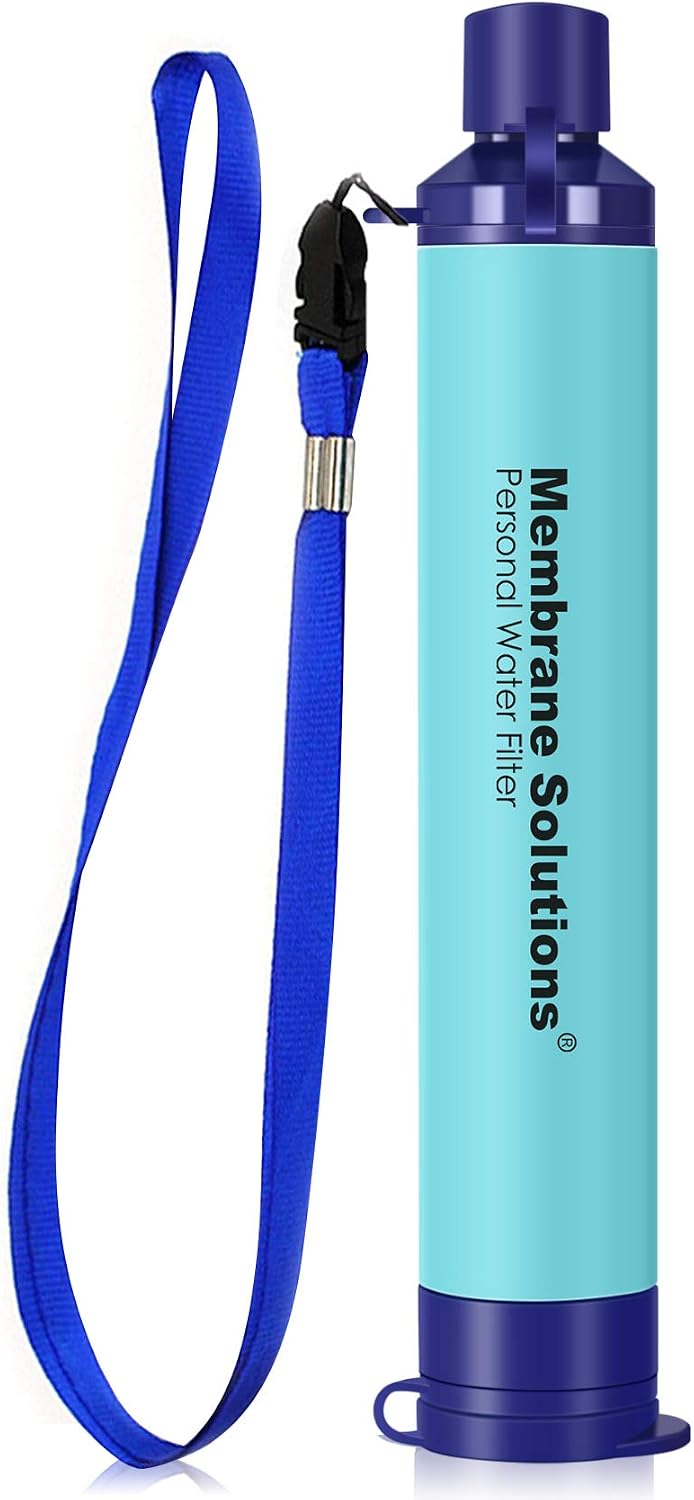
As low as $12
Built for travel, hiking & emergencies - drink safely whether the water is unsafe or just tastes off.
- NSF/ANSI 42, 372 & 401 certified, 0.1 micron filtration
- Filters up to 1,320 gallons - no batteries or pumping
- Ultralight - fits in any bag or pocket
- BPA-free, compatible with standard 28mm bottle threads
Tap water in Italy is generally safe to drink and meets strict EU standards for quality. The country has excellent water infrastructure, with most cities providing high-quality municipal water sourced from springs, wells, and mountain reservoirs. However, some older buildings may have aging pipes, and certain southern regions and islands can occasionally experience supply or quality issues during dry seasons.
Quick Reference
| Concern | Our Advice | |
|---|---|---|
| Drink tap water? | ✅ | Yes, safe in most areas |
| Brush teeth? | ✅ | Yes, no concerns |
| Wash fruits / veg? | ✅ | Yes, safe to use tap water |
| Use ice in drinks? | ✅ | Yes, safe in restaurants |
| Shower safely? | ✅ | Yes |
| Filter bottle needed? | ✅ | Not necessary, but a Membrane Solutions Filter Straw can improve taste |
| Common risks | Aging lead pipes in old buildings, Chlorination byproducts, Occasional agricultural runoff in rural areas, Nitrate contamination in some agricultural zones |

Key Statistics


Affiliate links — we earn a small commission at no extra cost to you.
Water Infrastructure & Supply
Italy's water infrastructure has a long and storied history, from ancient Roman aqueducts to modern treatment plants. Today, the country's municipal water supply is managed by a mix of public and private utilities operating under the supervision of ARERA (the Italian Regulatory Authority for Energy, Networks and Environment). Most urban areas receive water that complies with the stringent EU Drinking Water Directive (2020/2184), which sets limits on over 70 chemical and microbiological parameters.
Italy sources its drinking water primarily from underground aquifers (about 85%) and surface sources such as rivers, lakes, and mountain reservoirs. The water undergoes multi-stage treatment including coagulation, filtration, and disinfection (typically with chlorine dioxide or sodium hypochlorite). Major cities like Rome, Milan, and Turin benefit from high-quality spring water that requires minimal treatment. Rome's ACEA utility, for example, draws from pristine mountain springs in the Apennines.
Despite the overall high quality, Italy faces significant challenges with its aging distribution network. According to ISTAT, about 42% of water fed into the national network is lost to leaks, one of the highest rates in Europe. The Italian government has committed billions of euros through the National Recovery and Resilience Plan (PNRR) to upgrade water infrastructure, reduce leakage, and improve wastewater treatment particularly in the south and on the islands of Sicily and Sardinia.
Contamination & Health Risks
For most travelers, drinking tap water in Italy poses virtually no health risk. Italian municipal water consistently meets EU and WHO guidelines for microbiological and chemical safety. Regular monitoring by local health authorities (ASL) ensures that contamination events are detected and addressed promptly. The most common water quality complaints from locals relate to taste or hardness rather than safety concerns.
The primary contamination risks are localized. In some agricultural regions of the Po Valley and southern Italy, nitrate levels from fertilizer runoff can occasionally approach regulatory limits. Some older buildings, particularly historic apartments in city centers, may still have lead or galvanized iron plumbing that can leach trace metals into standing water. In rare cases, private wells in rural areas may not be subject to the same rigorous testing as municipal supplies.
Travelers with sensitive stomachs may notice mild digestive changes when switching from their home water to Italian tap water, but this is typically due to different mineral content rather than contamination. During summer heat waves, particularly in Sicily, Sardinia, and parts of Calabria, water pressure and supply may be reduced, and some small islands rely on desalination or water tanker deliveries, which are still safe but may taste different.
Regional Water Quality Breakdown
Rome
safeRome's tap water is excellent, sourced primarily from natural springs in the Apennine Mountains. The city's iconic public fountains (nasoni) dispense the same high-quality municipal water and are safe to drink from. ACEA regularly tests the water and publishes results showing consistent compliance with all EU parameters.
Milan & Northern Italy
safeMilan's water comes from deep underground aquifers and is of very high quality with minimal treatment needed. The Lombardy region generally has excellent water infrastructure. Some areas in the Po Valley may have slightly elevated nitrate levels due to intensive agriculture, but these remain within safe limits.
Florence & Tuscany
safeFlorence and most of Tuscany enjoy safe, high-quality tap water sourced from both spring and surface water. The water can be quite hard in some areas, which affects taste but not safety. Publiacqua, the local utility, maintains strict quality controls.
Naples & Campania
cautionNaples' municipal water supply is treated and considered safe, though some locals prefer bottled water due to taste preferences and concerns about aging pipes in older neighborhoods. In rural areas of Campania, particularly near agricultural zones, private water sources should be checked. The Campania region has invested in upgrading its water network.
Sicily
cautionSicily faces intermittent water supply issues, especially during the dry summer months. While the municipal water that flows is treated and safe, some areas experience rationing or rely on tank deliveries. In major cities like Palermo and Catania, the tap water is generally safe, but smaller towns may have inconsistent supply and quality.
Sardinia
cautionSardinia's water quality varies by location. Major cities like Cagliari have reliable, safe municipal water, but some rural and coastal resort areas depend on local wells or desalination plants. During peak tourist season, water pressure can drop significantly. Some areas have elevated mineral content, and travelers in remote locations should verify local water quality.
Practical Tips for Travelers
- Carry a filter straw (e.g., Membrane Solutions) — it removes bacteria, parasites, and microplastics from any tap or stream. Strongly recommend the Membrane Solutions Filter Straw.
- Look for 'nasoni' (the distinctive cast-iron public fountains in Rome) and 'vedovelle' (Milan's public fountains) , they provide free, safe, fresh drinking water throughout the city.
- In restaurants, ask for 'acqua del rubinetto, per favore' (tap water, please) if you'd prefer free tap water, though be aware that most restaurants traditionally serve bottled water and some may be reluctant.
- If you see a sign reading 'acqua non potabile' near a fountain or tap, it means the water is NOT drinkable , avoid drinking from it.
- Carry a reusable water bottle when sightseeing , Italy has numerous public drinking fountains in most cities and towns, saving you money and reducing plastic waste.
- When ordering water in a restaurant, specify 'naturale' (still) or 'frizzante/gassata' (sparkling), as Italians commonly drink both types.
- If staying in a very old building (pre-1960s) in a historic city center, let the tap run for 30 seconds before drinking in the morning to flush any metal residue from old pipes.
- In Sicily and Sardinia during summer, confirm with your accommodation that the tap water is safe to drink, as some rural properties may use water tanks rather than municipal supply.
- Download the 'WAIDY WOW' app, which maps thousands of public drinking water fountains across Italy, making it easy to find free, safe water while exploring.
Bottled Water Availability & Cost
Italy is one of the largest consumers of bottled water in Europe, and bottled water is extremely widely available. Popular Italian brands include Acqua Panna, San Pellegrino, Levissima, Ferrarelle, and Uliveto. A 1.5-liter bottle in a supermarket typically costs 0.20, 0.50, making it among the cheapest in Europe. In restaurants, a bottle of still or sparkling water (acqua naturale or acqua frizzante) usually costs 1.50, 3.00, and it is customary for restaurants to serve bottled water rather than tap.
For budget-conscious travelers, buying water in bulk from supermarkets like Conad, Coop, or Esselunga is the most economical option, with packs of six 1.5-liter bottles costing around 1.00, 2.50. However, it's worth noting that Italy's tap water is perfectly safe and free, so carrying a reusable bottle is both sustainable and practical. Many Italian cities have public drinking fountains (called nasoni in Rome or vedovelle in Milan) that provide fresh, cold, safe drinking water for free throughout the day.
Frequently Asked Questions
Can I brush my teeth with tap water in Italy?
Yes, absolutely. Italian tap water is safe for brushing teeth throughout the country. The water meets strict EU quality standards and is regularly tested for microbiological contaminants. There is no need to use bottled water for oral hygiene.
Is it safe to shower in Italian tap water?
Yes, showering in Italian tap water is completely safe. Some areas have harder water, which may leave your hair or skin feeling slightly different than at home, but there are no health risks. You might consider a moisturizer if you notice dry skin from hard water areas.
Is ice safe in Italian restaurants and bars?
Yes, ice in Italian restaurants and bars is safe. It is made from the same treated municipal water supply. Italy's food safety regulations (controlled by the ASL health authorities) require that ice for consumption meets drinking water standards.
Why do Italian restaurants serve bottled water instead of tap?
It's a cultural tradition rather than a safety issue. Italians have a strong bottled water culture, and restaurants typically charge for water as part of the dining experience. You can request 'acqua del rubinetto' (tap water), but some establishments may be reluctant to serve it. This is gradually changing, especially in more tourist-friendly and sustainability-conscious venues.
How much does bottled water cost in Italy?
Bottled water is very affordable in Italy. In supermarkets, a 1.5-liter bottle costs 0.20, 0.50, and bulk packs are even cheaper. In restaurants, expect to pay 1.50, 3.00 for a bottle. At tourist sites and kiosks, prices range from 1.00, 2.00 for a 500ml bottle.
Is Rome's tap water really safe to drink from the street fountains?
Yes! Rome's famous 'nasoni' (little noses) fountains provide the same high-quality spring water that flows through the municipal system. There are over 2,500 of them throughout the city, and they run continuously with fresh, cold water sourced from Apennine mountain springs. They have been providing safe drinking water to Romans and visitors for over a century.
Do I need a water filter bottle for traveling in Italy?
A filter bottle is not necessary for most travel in Italy. Tap water across major cities and tourist destinations meets EU safety standards. However, if you're planning extended stays in rural southern Italy, small islands, or areas with very old plumbing, a filter bottle can provide extra peace of mind and improve taste.
Is the tap water in Venice safe to drink?
Yes, Venice's tap water is safe to drink. The city receives its water from underground aquifers on the mainland, which is treated and piped across the lagoon. Venice also has numerous public drinking fountains throughout the city. Despite being surrounded by seawater, the municipal drinking water supply is fresh and meets all EU quality standards.
Traveling Nearby?
Check tap water safety in neighboring countries:
Austria France San Marino Slovenia Switzerland Vatican CityInteresting Product Reviews
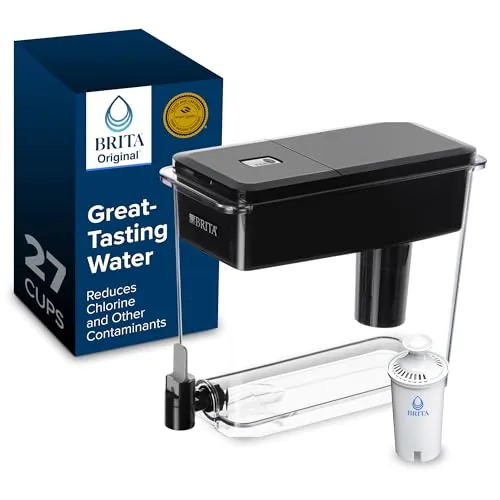
8 Best Water Filter Pitchers (2026 Review Guide)
Jul 18, 2026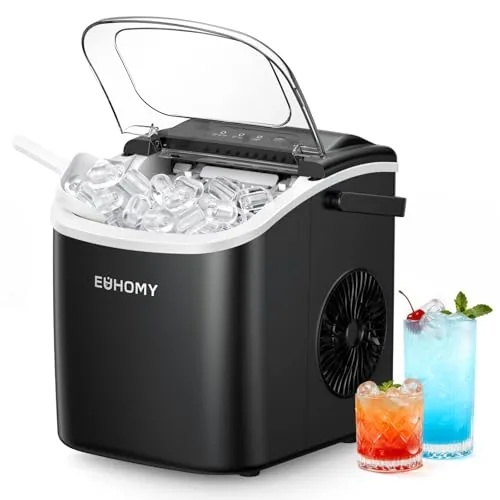
8 Best Countertop Ice Makers (2026 Review Guide)
Aug 10, 2026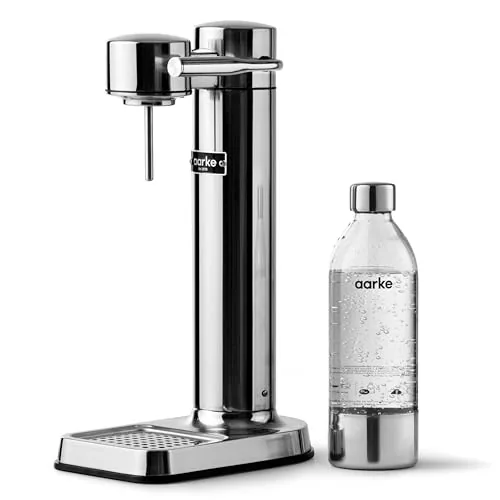
6 Best Water Carbonators (2026 Review Guide)
Aug 11, 2026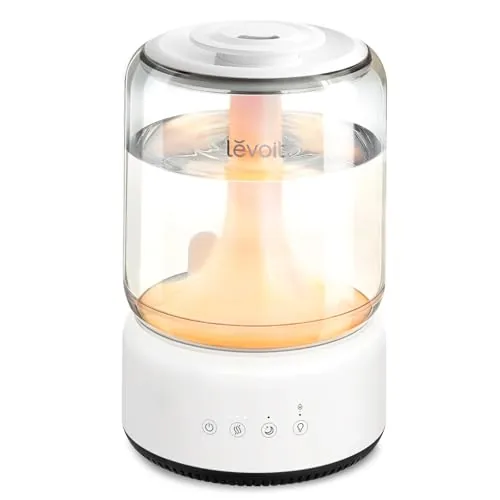
9 Best Humidifiers (2026 Review Guide)
Aug 20, 2026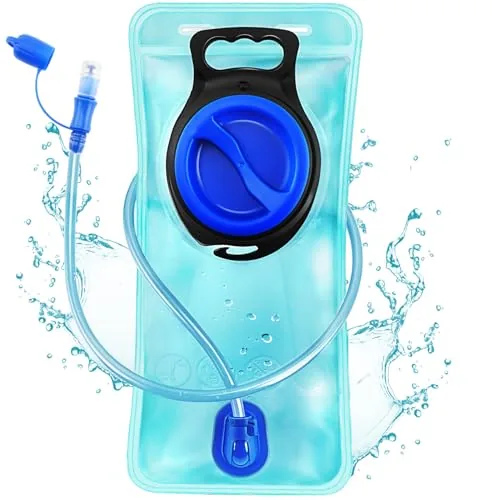
6 Best Hydration Bladders (2026 Review Guide)
Aug 8, 2026