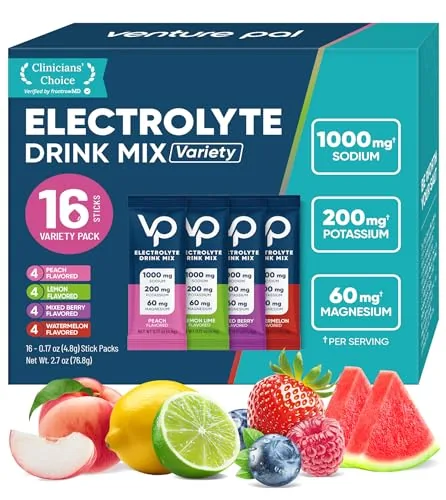
As low as $12
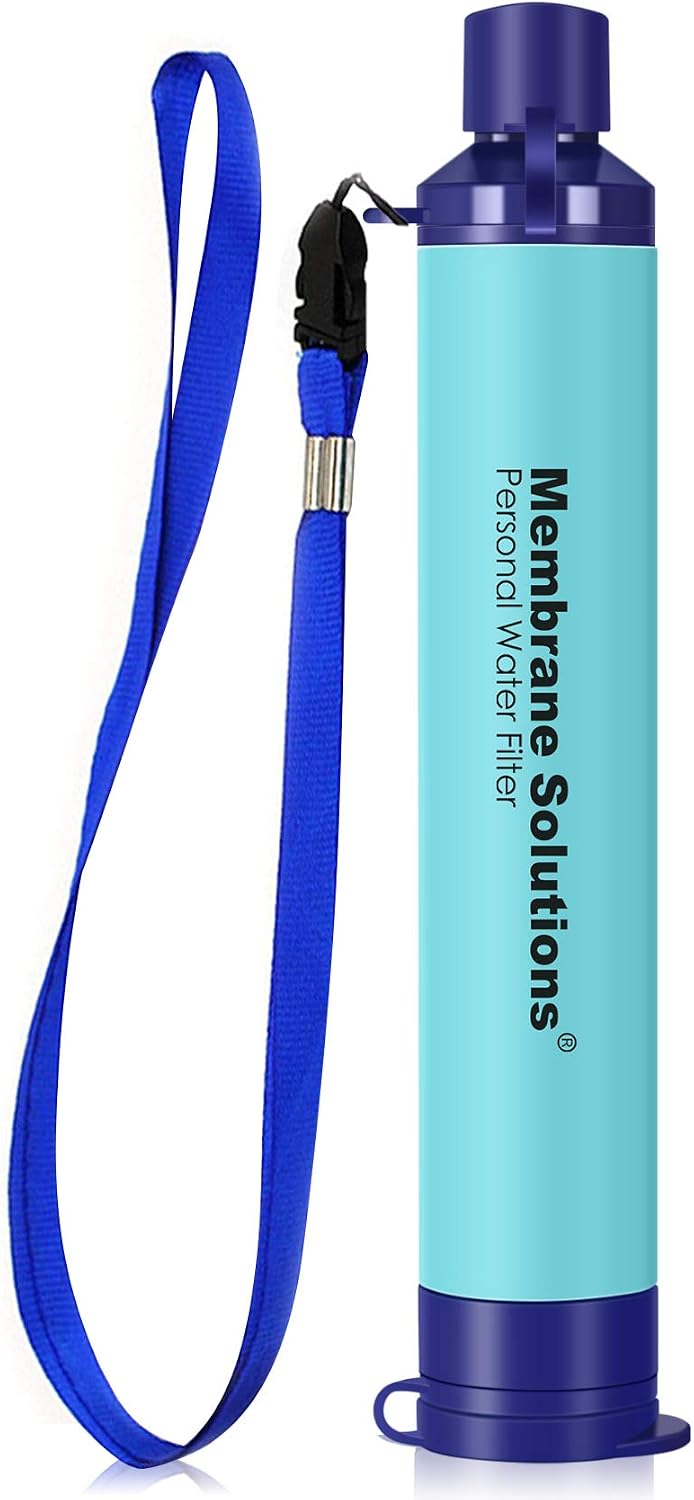
Built for travel, hiking & emergencies - drink safely whether the water is unsafe or just tastes off.
- NSF/ANSI 42, 372 & 401 certified, 0.1 micron filtration
- Filters up to 1,320 gallons - no batteries or pumping
- Ultralight - fits in any bag or pocket
- BPA-free, compatible with standard 28mm bottle threads
Tap water in Brunei is generally safe to drink in urban areas, as the country has invested heavily in modern water treatment infrastructure. The Public Works Department maintains high standards for water quality in the capital Bandar Seri Begawan and surrounding districts. However, travelers in rural or remote areas should exercise caution and consider using bottled or filtered water.
Quick Reference
| Concern | Our Advice | |
|---|---|---|
| Drink tap water? | ✅ | Yes, safe in most areas |
| Brush teeth? | ✅ | Yes, no concerns |
| Wash fruits / veg? | ✅ | Yes, safe to use tap water |
| Use ice in drinks? | ✅ | Yes, safe in restaurants |
| Shower safely? | ✅ | Yes |
| Filter bottle needed? | ✅ | Not necessary, but a Membrane Solutions Filter Straw can improve taste |
| Common risks | Aging pipes in older buildings, Occasional sediment in rural supply, Chlorination byproducts, Microbial contamination in remote areas |

Key Statistics


Affiliate links — we earn a small commission at no extra cost to you.
Water Infrastructure & Supply
Brunei's water supply system is managed by the Department of Water Services under the Ministry of Development. The country sources its water primarily from surface water reservoirs, including the Imang Reservoir and Benutan Reservoir, along with river intakes. The nation has invested significantly in water infrastructure since gaining independence in 1984, and the government provides treated water free of charge to residents as part of its welfare policy.
The water treatment process in Brunei follows international standards, utilizing coagulation, flocculation, sedimentation, rapid sand filtration, and chlorine disinfection. Major water treatment plants include the Bukit Barun Water Treatment Plant and the Jalan Tutong Water Treatment Plant. The distribution network covers the four districts of Brunei-Muara, Tutong, Belait, and Temburong with an extensive pipeline system.
Recent improvement projects have focused on reducing non-revenue water losses, which have historically been around 30%. The government's Wawasan Brunei 2035 national vision includes upgrading aging pipeline infrastructure and expanding capacity to meet growing demand. New projects include the development of additional reservoir capacity and the modernization of treatment plants to incorporate advanced monitoring and automation technologies.
Contamination & Health Risks
All in all, health risks from tap water in Brunei are low for travelers staying in urban and suburban areas. The water treatment facilities maintain compliance with WHO drinking water guidelines, and routine testing is conducted by the Department of Water Services. Chlorination is used as the primary disinfection method, which effectively eliminates most waterborne pathogens.
The primary concerns relate to older buildings that may have corroded or lead-containing plumbing, which can introduce contaminants into otherwise clean water. In the Temburong district, which is more rural and separated from the main part of Brunei by Malaysian territory, some communities rely on smaller-scale water systems that may not always maintain the same treatment standards as the larger urban facilities. During heavy monsoon rains, turbidity in source water can temporarily increase.
For travelers, the practical risk of waterborne illness from tap water in Brunei's main towns and cities is very low. Hotels, restaurants, and shopping centers in Bandar Seri Begawan, Seria, and Kuala Belait all serve water that meets safety standards. Those with sensitive stomachs or compromised immune systems may still prefer bottled water as an extra precaution, but this is generally not necessary for healthy adults.
Regional Water Quality Breakdown
Bandar Seri Begawan
safeThe capital city benefits from the most modern water treatment infrastructure in the country. Tap water is treated to WHO standards and is safe to drink directly from the tap in hotels and residences.
Seria & Kuala Belait (Belait District)
safeThe Belait district, home to Brunei's oil industry, has well-maintained water infrastructure. Tap water quality is comparable to the capital and is considered safe for drinking.
Tutong Town (Tutong District)
safeTutong district receives treated water from reliable treatment plants. Urban areas have safe tap water, though some outlying kampong (village) areas may experience occasional supply interruptions.
Temburong District
cautionTemburong is Brunei's least developed district, separated from the rest of the country by Malaysian territory. While the main town of Bangar has treated water, remote areas near Ulu Temburong National Park may rely on less rigorously treated supplies. Travelers venturing into jungle areas should carry bottled water.
Kampong Ayer (Water Village)
cautionBrunei's famous water village on stilts over the Brunei River has piped water connections, but the aging infrastructure of some houses may affect water quality at the tap. Visitors are advised to drink bottled water when visiting local homes in the water village.
Practical Tips for Travelers
- Tap water in Bandar Seri Begawan's hotels and restaurants is safe to drink , you don't need to buy bottled water in the capital.
- Carry a reusable bottle and refill from the tap in urban areas to reduce plastic waste and save money.
- If visiting Ulu Temburong National Park, bring sufficient bottled water as tap water may not be available in the jungle.
- In Malay, you can ask for water by saying 'Boleh minta air minum?' (May I have drinking water?) at restaurants.
- If staying in older buildings or guesthouses, let the tap run for 30 seconds before filling your glass to flush out any sediment from old pipes.
- Ice in restaurants and food courts across Brunei's main towns is made from treated water and is safe to consume.
- During the monsoon season (November, February), water may appear slightly cloudier , this is temporary and the water remains safe after treatment, but you can use a filter bottle for peace of mind. Strongly recommend the Membrane Solutions Filter Straw.
- Brunei's tap water is free for citizens , as a traveler, take advantage of free water refill stations at mosques and public buildings.
Bottled Water Availability & Cost
Bottled water is widely available throughout Brunei at convenience stores, supermarkets, and restaurants. A 500ml bottle typically costs BND 0.50, 1.00 (approximately USD 0.35, 0.75), while a 1.5-liter bottle ranges from BND 1.00, 2.00 (USD 0.75, 1.50). Popular brands include Pura, Al-Qosor, and imported brands like Evian and Spritzer from neighboring Malaysia.
Buying in bulk from supermarkets such as Hua Ho, Supa Save, or Soon Lee is the most economical option, with 6-packs of 1.5L bottles costing around BND 5, 8. Given that Brunei's tap water is generally safe, travelers can reduce plastic waste by carrying a reusable water bottle and refilling from the tap. This is also more convenient and environmentally responsible, as Brunei has been working to reduce single-use plastic consumption.
Frequently Asked Questions
Can I brush my teeth with tap water in Brunei?
Yes, tap water in Brunei's urban areas is safe for brushing teeth. The water is treated and chlorinated to meet safety standards. Even in hotels in smaller towns like Tutong or Bangar, the tap water is suitable for oral hygiene.
Is it safe to shower in Brunei's tap water?
Absolutely. Brunei's tap water is safe for showering and bathing throughout the country. The chlorination levels are within safe limits and won't cause skin irritation for most people.
Can I drink ice in Brunei's restaurants?
Yes, ice served in restaurants, cafes, and food courts in Brunei is made from treated tap water and is safe to consume. Commercial ice production follows food safety regulations.
Do restaurants in Brunei serve safe drinking water?
Restaurants in Brunei typically serve either filtered tap water or bottled water. Both are safe to drink. Many local restaurants and food courts provide free water that comes from the treated municipal supply.
How much does bottled water cost in Brunei?
A 500ml bottle costs around BND 0.50, 1.00 (USD 0.35, 0.75) at convenience stores. Larger 1.5L bottles are BND 1.00, 2.00. Buying multi-packs at supermarkets is the cheapest option at around BND 5, 8 for a 6-pack of 1.5L bottles.
Is the water safe to drink at Kampong Ayer (Water Village)?
Kampong Ayer has piped water connections from the municipal supply, but some older houses may have aging internal plumbing. If visiting local homes in the water village, it's advisable to drink bottled water. Tourist facilities and restaurants in the area serve safe water.
Do I need a water filter bottle for traveling in Brunei?
For most travelers staying in Brunei's urban areas, a filter bottle is not necessary as tap water is safe. However, if you plan to visit remote areas in Temburong district or go jungle trekking, a filter bottle can provide additional peace of mind.
Why is tap water free in Brunei?
Brunei is one of the few countries in the world where the government provides treated tap water free of charge to households. This is funded by the nation's substantial oil and gas revenues and is part of the government's welfare policy to ensure universal access to clean water.
Interesting Product Reviews
9 Best Moisture Meters (2026 Review Guide)
Aug 17, 2026
7 Best Water Filters For Giardia And Cryptosporidium (2026 Review Guide)
Jul 31, 2026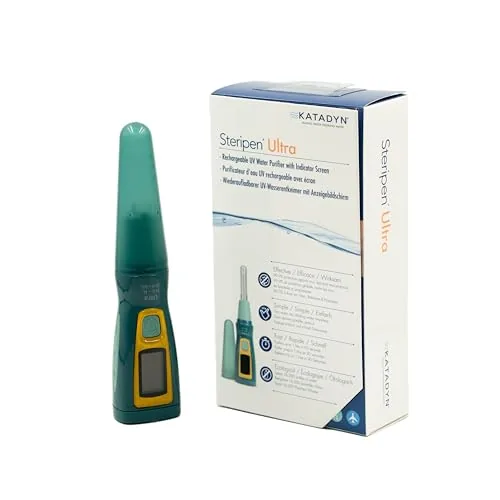
7 Best Uv Water Purifiers For Travel (2026 Review Guide)
Jul 19, 2026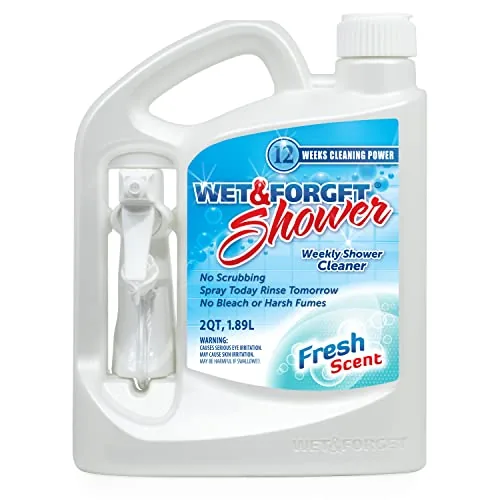
9 Best Shower Descaling Cleaners (2026 Review Guide)
Aug 21, 2026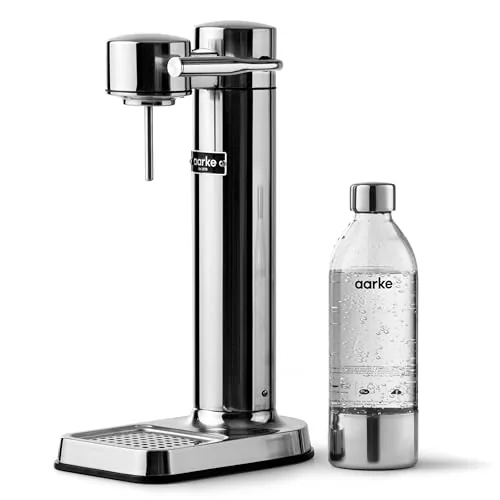
9 Best Sparkling Water Makers (2026 Review Guide)
Aug 11, 2026