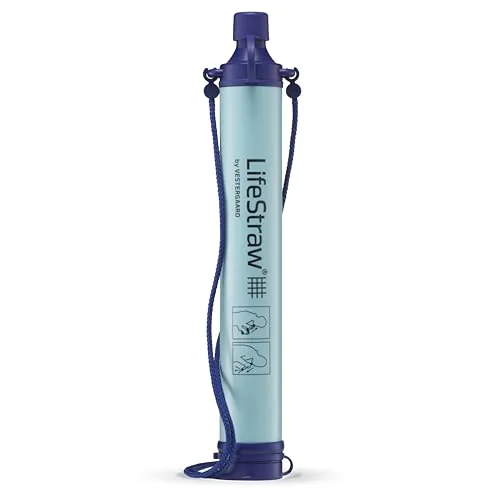
As low as $12
Built for travel, hiking & emergencies - drink safely whether the water is unsafe or just tastes off.
- NSF/ANSI 42, 372 & 401 certified, 0.1 micron filtration
- Filters up to 1,320 gallons - no batteries or pumping
- Ultralight - fits in any bag or pocket
- BPA-free, compatible with standard 28mm bottle threads
Tap water in the United States is generally safe to drink, regulated under the Safe Drinking Water Act enforced by the EPA. However, water quality can vary significantly by region, with some communities, particularly older cities and rural areas, facing contamination issues such as lead pipes and PFAS chemicals. Travelers can drink tap water with confidence in most major cities, though a filter bottle is useful in areas with known quality concerns.
Quick Reference
| Concern | Our Advice | |
|---|---|---|
| Drink tap water? | ✅ | Yes, safe in most areas |
| Brush teeth? | ✅ | Yes, no concerns |
| Wash fruits / veg? | ✅ | Yes, safe to use tap water |
| Use ice in drinks? | ✅ | Yes, safe in restaurants |
| Shower safely? | ✅ | Yes |
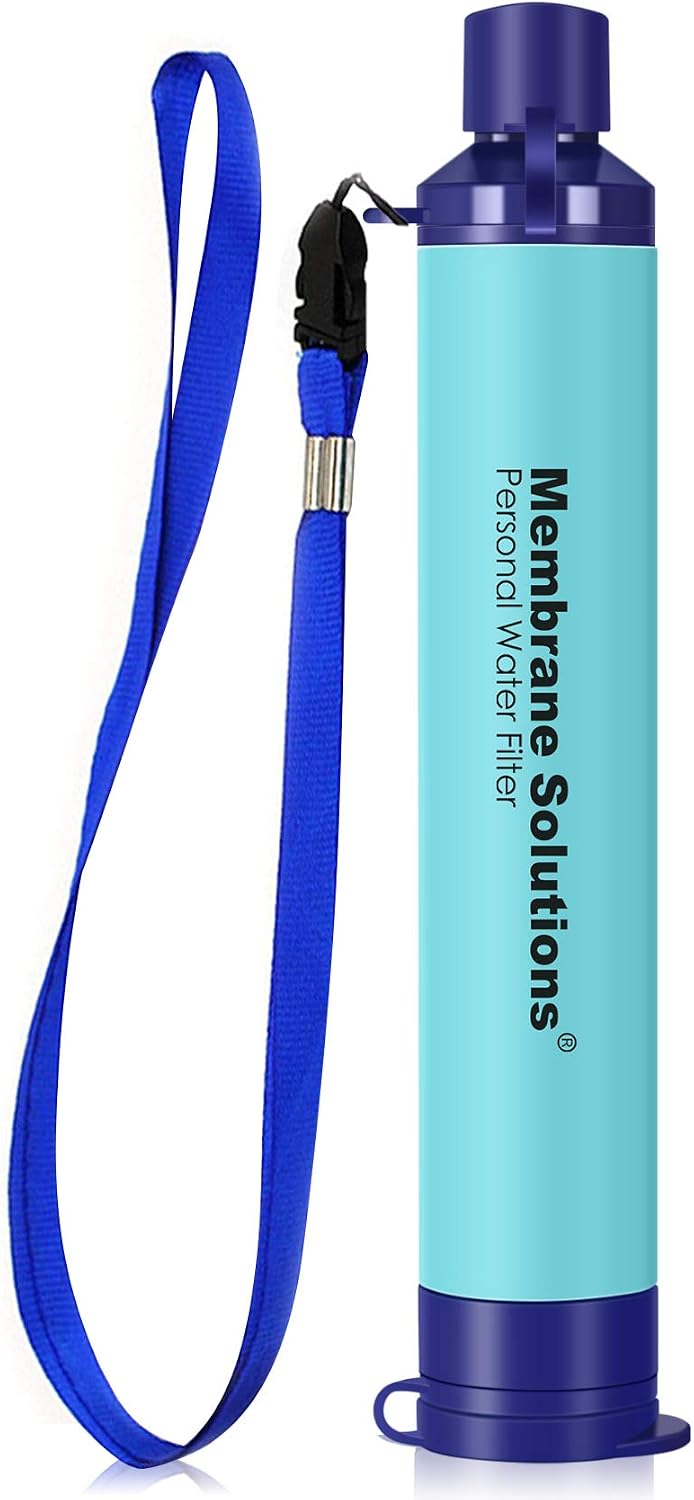
| Filter bottle needed? | ✅ | Not necessary, but a Membrane Solutions Filter Straw can improve taste |
| Common risks | Lead from aging pipes, PFAS contamination, Disinfection byproducts, Nitrate contamination in agricultural areas, Microplastics, Arsenic in some groundwater sources |

Key Statistics


Affiliate links — we earn a small commission at no extra cost to you.
Water Infrastructure & Supply
The United States has one of the most extensive water infrastructure systems in the world, serving over 300 million people through approximately 148,000 public water systems. The foundation of modern U.S. water regulation is the Safe Drinking Water Act (SDWA), enacted in 1974 and significantly amended in 1986 and 1996, which empowers the EPA to set enforceable maximum contaminant levels for over 90 pollutants. Despite this robust regulatory framework, much of the nation's water infrastructure dates back to the early-to-mid 20th century and faces serious aging challenges.
Water treatment in the U.S. typically involves coagulation, sedimentation, filtration, and disinfection (usually chlorine or chloramine). Many systems also add fluoride for dental health. Surface water sources like rivers and reservoirs supply about 66% of public water, while groundwater provides the remainder. Advanced treatment technologies including UV disinfection, ozone treatment, and activated carbon filtration are increasingly used in larger municipalities to address emerging contaminants like PFAS (per- and polyfluoroalkyl substances).
The 2021 Bipartisan Infrastructure Law allocated $55 billion for water infrastructure improvements, including $15 billion specifically for lead service line replacement and $10 billion for PFAS treatment. The EPA's Lead and Copper Rule Improvements finalized in 2024 mandate nationwide replacement of lead service lines within 10 years. Despite these investments, the American Society of Civil Engineers estimates the U.S. still faces a water infrastructure funding gap of over $600 billion over the next 20 years, with an estimated 6 billion gallons of treated water lost daily through leaking pipes.
Contamination & Health Risks
While U.S. tap water is among the safest in the world, several contamination concerns persist. The Flint, Michigan water crisis of 2014-2019 brought national attention to lead contamination, and an estimated 9.2 million lead service lines remain in use across the country. PFAS, so-called "forever chemicals" from industrial and consumer products, have been detected in the drinking water of communities in all 50 states, prompting the EPA to establish the first-ever national drinking water standards for six PFAS compounds in April 2024, with maximum contaminant levels set at 4 parts per trillion for PFOA and PFOS.
Agricultural runoff introduces nitrates and pesticide residues into water sources, particularly in the Midwest and Great Plains. Disinfection byproducts (trihalomethanes and haloacetic acids) form when chlorine reacts with organic matter and are monitored under EPA regulations but still present low-level risks with long-term exposure. Some areas with private wells, used by approximately 43 million Americans, fall outside EPA regulation entirely, leaving these households responsible for their own water testing.
For travelers, the practical risk from U.S. tap water is very low in most destinations. Standard hotels, restaurants, and public facilities in major cities serve water that meets or exceeds federal standards. The primary exceptions are certain rural communities, tribal lands, and a few older cities with known infrastructure issues. Travelers with compromised immune systems may consider using a filter, particularly one certified to remove lead and microbiological contaminants. Visitors can check the water quality of any public system using the EPA's online database or requesting the annual Consumer Confidence Report from the local utility.
Regional Water Quality Breakdown
New York City
safeNew York City is renowned for having some of the best tap water in the country, sourced from protected watersheds in the Catskill Mountains and Delaware River basin. The system is one of only five large U.S. cities with a surface water supply so clean it is exempt from EPA filtration requirements. Water quality consistently exceeds federal standards.
Los Angeles & Southern California
safeLos Angeles tap water meets all federal and state standards, though it is sourced from a mix of local groundwater and imported water from the Colorado River and Northern California aqueducts. Taste may differ from other regions due to mineral content and treatment processes. Occasional PFAS detections in some areas have prompted additional treatment investments.
Flint, Michigan
cautionFlint's water has been restored to compliance with federal standards since switching back to the Detroit water system and installing corrosion control treatment. However, lead service line replacement is ongoing, and some residents still rely on filters as a precaution. Travelers should note that while official testing shows compliance, localized risks from remaining old pipes persist.
Rural Midwest & Great Plains
cautionAgricultural areas across Iowa, Nebraska, Kansas, and surrounding states face elevated nitrate levels from fertilizer runoff, particularly in private wells. Public systems generally treat water to meet standards, but smaller community systems may experience periodic violations. Travelers passing through small towns should check local water advisories.
Hawaii
safeHawaii's public water systems draw primarily from high-quality groundwater aquifers and meet federal standards. Honolulu's Board of Water Supply provides clean, safe tap water throughout Oahu. However, contamination from the Red Hill fuel storage facility near Pearl Harbor raised concerns in 2021-2022, prompting military housing to use alternative supplies and ongoing monitoring.
Tribal and Native American Lands
cautionMany tribal communities face significant water infrastructure challenges, with some lacking access to safely managed drinking water. The Navajo Nation, for instance, has areas where up to 30% of homes lack running water. Travelers visiting tribal lands should carry bottled or filtered water, especially in remote areas where infrastructure may be limited.
Practical Tips for Travelers
- Check your destination's water quality report by searching the EPA's Consumer Confidence Report database at epa.gov/ccr before your trip, every public water system must publish an annual report.
- In restaurants, you can simply ask 'Can I have a glass of tap water, please?', most U.S. restaurants will provide free tap water upon request, and it's perfectly safe in virtually all urban areas.
- If you're staying in a building built before 1986, run the cold tap for 30 seconds to 2 minutes before drinking to flush any lead that may have leached from older plumbing.
- Carry a reusable water bottle and take advantage of the free water refill stations found in most U.S. airports, parks, universities, and public buildings to save money and reduce plastic waste.
- If you're visiting areas with known PFAS or lead concerns, bring a NSF-certified water filter pitcher or filter bottle, look for NSF/ANSI 53 certification for lead removal or NSF/ANSI 401 for emerging contaminants. Strongly recommend the Membrane Solutions Filter Straw.
- At Spanish-speaking establishments, you can ask 'Puedo tener agua del grifo, por favor?' (Can I have tap water, please?), this is helpful in areas with large Spanish-speaking communities.
- Avoid drinking from outdoor streams, rivers, or lakes without purification, even in pristine-looking national parks, Giardia and other parasites are common in U.S. surface waters.
- If you notice a boil water advisory posted at your accommodation or in local news, boil water for at least one full minute (or 3 minutes above 6,500 feet elevation) before drinking, cooking, or brushing teeth.
Bottled Water Availability & Cost
Bottled water is widely available throughout the United States at convenience stores, supermarkets, gas stations, and vending machines. Popular brands include Dasani, Aquafina, Poland Spring, Smartwater, and Fiji. A standard 500ml (16.9 oz) bottle typically costs $1.50, $2.50 at convenience stores, while a gallon jug at a supermarket runs $1.00, $2.00. Premium and imported brands like Evian, San Pellegrino, and Voss range from $2.50, $5.00 per bottle. Prices in airports, theme parks, and tourist attractions can be significantly higher, sometimes $3.00, $6.00 for a single bottle.
Buying in bulk at warehouse stores like Costco or Sam's Club is the most economical approach, a 24-pack of 500ml bottles costs around $4.00, $6.00. Many travelers opt to carry a reusable bottle, as free water refill stations and drinking fountains are common in airports, parks, gyms, and public buildings. Apps like Tap and RefillMyBottle help locate refill stations. Given that U.S. tap water is safe in most locations, using a reusable bottle is both cost-effective and environmentally responsible, Americans use an estimated 50 billion plastic water bottles annually, with only about 30% being recycled.
Frequently Asked Questions
Can I brush my teeth with tap water in the United States?
Yes, tap water is safe for brushing teeth throughout the United States. Public water systems are regulated by the EPA and must meet strict safety standards. This applies to hotels, hostels, Airbnbs, and other accommodations in cities and towns across the country.
Is it safe to shower in U.S. tap water?
Absolutely. Showering and bathing in U.S. tap water is safe everywhere. Even in areas with slightly elevated lead or PFAS levels, the risk from bathing is negligible since these contaminants are primarily a concern through ingestion, not skin contact. People with very sensitive skin may notice differences in water hardness between regions.
Is the ice in drinks safe in the United States?
Yes, ice served in restaurants, bars, and hotels across the U.S. is made from the same regulated tap water or from commercial ice machines using filtered water. It is safe to consume. This includes ice in fast food restaurants, gas stations, and convenience stores.
Is restaurant water safe to drink in the U.S.?
Yes, water served in U.S. restaurants is safe to drink. Most restaurants serve tap water, which is regulated and treated. Some upscale restaurants may offer bottled water, but there's no safety reason to prefer it over tap. By law, restaurants must provide free tap water if requested in most states.
How much does bottled water cost in the United States?
A 500ml bottle typically costs $1.50, $2.50 at convenience stores, $1.00, $1.50 at supermarkets, and can reach $3.00, $6.00 at airports, stadiums, and tourist attractions. Buying a 24-pack at a supermarket or warehouse store costs $4.00, $8.00, making it much more economical. However, since tap water is safe in most areas, a reusable bottle is the best value.
Why does tap water taste different in different U.S. cities?
Tap water taste varies across the U.S. due to differences in water sources (surface water vs. groundwater), mineral content, treatment methods, and disinfectant types. For example, New York City's water from mountain reservoirs tastes notably different from Phoenix's water from the Colorado River. These taste differences don't indicate safety concerns, they're simply a reflection of local geology and treatment processes.
Is U.S. tap water fluoridated, and is it safe?
About 73% of the U.S. population on public water systems receives fluoridated water, typically at 0.7 mg/L as recommended by the U.S. Public Health Service. Community water fluoridation has been practiced since 1945 and is endorsed by the CDC, ADA, and WHO as safe and effective for preventing tooth decay. Some communities have opted out of fluoridation, and travelers can check their destination's status through the CDC's My Water's Fluoride tool.
Should I be concerned about PFAS in U.S. drinking water?
PFAS contamination is a growing concern across the U.S. In 2024, the EPA established enforceable limits for six PFAS compounds in drinking water. Large public water systems must comply by 2029. While short-term exposure during travel poses minimal risk, travelers spending extended time in areas with known PFAS contamination (such as near military bases or industrial sites) may consider using a certified activated carbon or reverse osmosis filter.
Interesting Product Reviews
6 Best Hard Water Stain Removers (2026 Review Guide)
Aug 21, 2026
9 Best Paddle Boards (2026 Review Guide)
Aug 26, 2026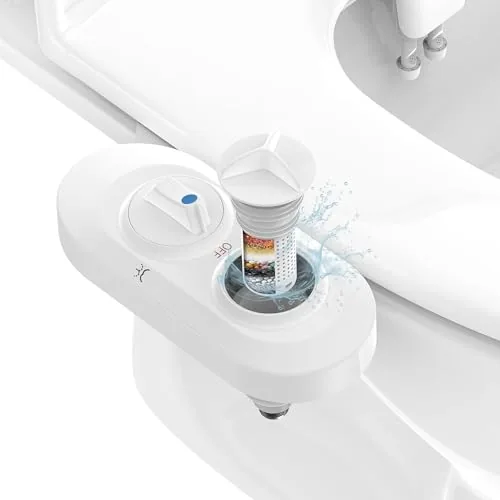
8 Best Bidet Attachments (2026 Review Guide)
Aug 20, 2026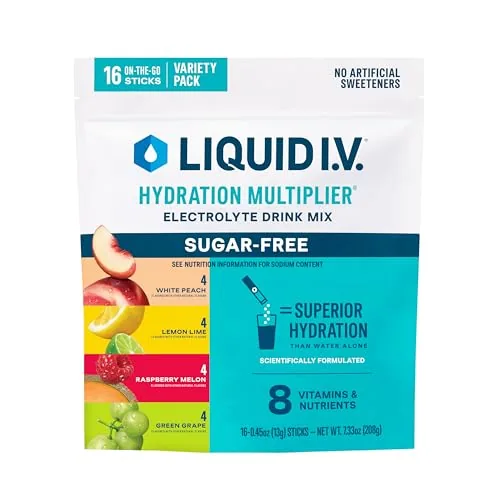
6 Best Sugar-Free Hydration Multipliers (2026 Review Guide)
Aug 9, 2026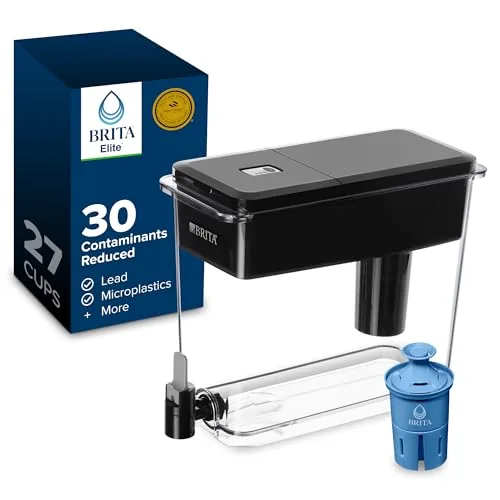
7 Best Water Filters For Lead Removal (2026 Review Guide)
Jul 29, 2026