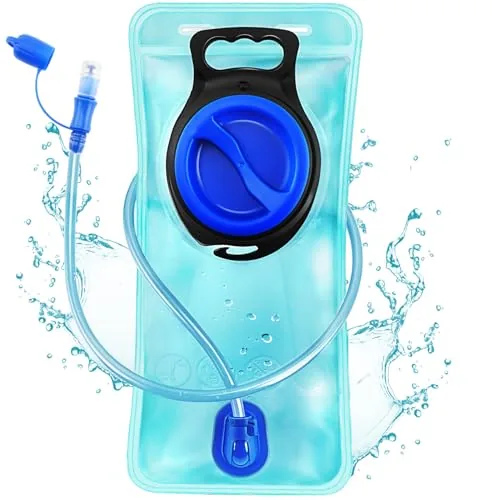
Around $20
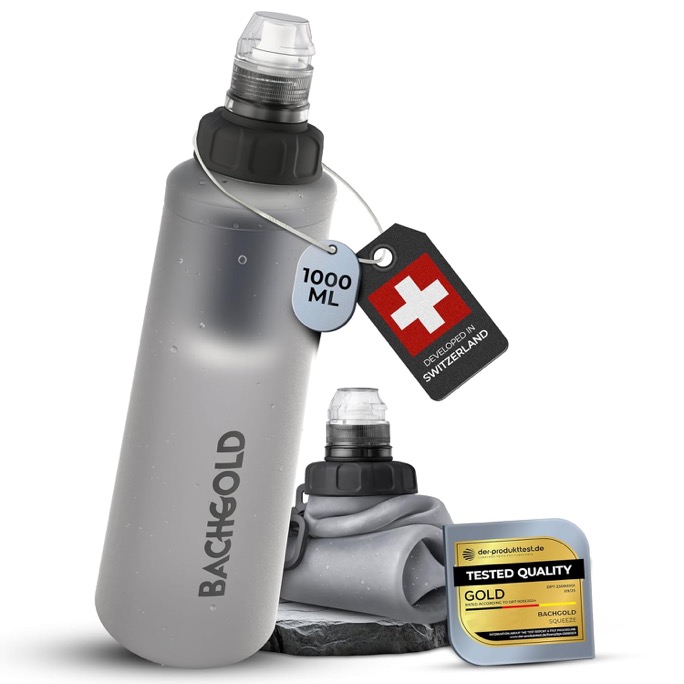
Built for travel, hiking & emergencies - drink safely whether the water is unsafe or just tastes off.
- 2-stage filtration: nanofiber layer + 0.2 micron hollow fiber membrane
- Rinse to restore flow - no replacement cartridges needed
- Collapsible 1L bottle - folds flat to pocket size
- Leak-resistant, taste-neutral, designed in Switzerland
Tap water in Sri Lanka is generally not considered safe for travelers to drink directly from the tap. While urban areas like Colombo have treated municipal water, inconsistent infrastructure, aging pipes, and contamination risks mean that most visitors should rely on bottled or filtered water. Rural areas face greater challenges with water quality, and waterborne illness remains a concern across much of the country.
Quick Reference
| Concern | Our Advice | |
|---|---|---|
| Drink tap water? | ❌ | Use bottled or filtered water |
| Brush teeth? | ✅ | Yes, no concerns |
| Wash fruits / veg? | ❌ | Wash with filtered or bottled water |
| Use ice in drinks? | ❌ | Avoid unless confirmed purified |
| Shower safely? | ✅ | Yes |
| Filter bottle needed? | ❌ | Strongly recommend a Bachgold Squeeze Filter Bottle for all travelers |
| Common risks | Bacterial contamination, E. coli, Pesticide residues, Heavy metals, Chronic Kidney Disease of unknown etiology (CKDu) linked to water, Waterborne parasites |

Key Statistics


Affiliate links — we earn a small commission at no extra cost to you.
Water Infrastructure & Supply
Sri Lanka's water supply is managed primarily by the National Water Supply and Drainage Board (NWSDB), established in 1975. The NWSDB operates over 350 water treatment plants and serves roughly half the population through piped connections, while community-managed rural water supply schemes and private wells serve the remainder. Historically, the country relied heavily on traditional wells and rainwater harvesting, and many rural communities still depend on these sources today.
The main water treatment process includes coagulation, flocculation, sedimentation, rapid sand filtration, and chlorine disinfection. However, aging distribution networks , some dating back to colonial times , suffer from pipe corrosion, leakage rates estimated at 25-30%, and intermittent supply in many areas. Contamination can enter the system through cracked pipes and low-pressure zones, particularly during monsoon flooding when cross-contamination with sewage is a significant risk.
Major improvement projects are underway with support from the Asian Development Bank, World Bank, and JICA. The Greater Colombo Water and Wastewater Management Improvement Project aims to reduce non-revenue water and expand sewerage coverage. The government has also invested in desalination pilots for the Jaffna Peninsula and new treatment plants in rapidly growing suburban areas. Despite these efforts, achieving universal safely managed water supply remains a long-term goal.
Contamination & Health Risks
Waterborne diseases including typhoid, hepatitis A, cholera, and various diarrheal illnesses remain concerns in Sri Lanka, particularly for travelers without built-up immunity. According to the Ministry of Health, diarrheal diseases are among the top notifiable conditions reported annually. The risk is highest during and immediately after monsoon seasons (May, September in the southwest, October, March in the northeast) when flooding contaminates water sources.
A unique health concern in Sri Lanka is Chronic Kidney Disease of unknown etiology (CKDu), concentrated in the North Central, Uva, and North Western provinces. While the exact cause is debated, studies have implicated hard water combined with pesticide residues, heavy metals (cadmium, arsenic), and fluoride as potential contributing factors. For travelers passing through these agricultural regions, avoiding local well water is strongly advised.
Pesticide runoff from tea plantations and rice paddies, industrial effluent, and inadequate sewage treatment , with only about 3% of wastewater safely treated nationally , contribute to surface and groundwater pollution. In tourist areas, larger hotels typically use their own water purification systems, but smaller guesthouses and street food vendors may use untreated tap water for cooking, ice, and washing produce. Travelers should exercise caution with ice in drinks, freshly squeezed juices, and raw salads washed with tap water.
Regional Water Quality Breakdown
Colombo
cautionColombo has the best municipal water infrastructure in Sri Lanka, with water treated at the Ambatale and Labugama plants. However, aging distribution pipes and intermittent pressure drops mean tap water should still be filtered or boiled before drinking. Most upscale hotels and restaurants use additional purification.
Kandy & Hill Country
cautionThe central highlands benefit from cleaner source water from mountain reservoirs, but tea plantation runoff and older pipe systems can introduce contaminants. Kandy's municipal supply is treated but not consistently reliable at the tap. Bottled or filtered water is recommended.
Galle & Southern Coast
cautionTourist areas along the southern coast generally have access to treated municipal water, and many hotels invest in their own filtration systems. However, smaller guesthouses and local eateries may serve untreated tap water. Flooding during the monsoon season increases contamination risk.
Jaffna Peninsula
avoidJaffna faces severe groundwater salinity and contamination from decades of conflict-damaged infrastructure. The limestone aquifer is highly vulnerable to saltwater intrusion and pollution. Bottled water is essential, and a desalination plant has been developed to address chronic water shortages.
North Central Province (Anuradhapura, Polonnaruwa)
avoidThis region is the epicenter of CKDu, with groundwater containing elevated levels of hardness, fluoride, and suspected heavy metals. Many communities rely on wells with limited treatment. Travelers visiting the ancient cities should rely exclusively on bottled or filtered water.
East Coast (Trincomalee, Batticaloa)
cautionThe east coast has improving but still limited water infrastructure, with many areas relying on community wells and rainwater harvesting. Tourist resorts generally provide purified water, but outside these areas, water quality is inconsistent. Post-war reconstruction has improved access but not yet water quality standards.
Practical Tips for Travelers
- Always drink bottled or filtered water , in Sinhala, ask for 'Bopu watura' ( ) meaning bottled water, or in Tamil, 'Thanner bottle' ( ).
- Carry a filter bottle such as LifeStraw or Grayl when traveling outside major cities, as bottled water may not always be readily available in rural areas. Strongly recommend the Bachgold Squeeze Filter Bottle.
- Avoid ice in drinks at street stalls and small restaurants , in tourist areas, upscale restaurants typically use purified water for ice, but it's worth confirming.
- Peel all fruits yourself rather than eating pre-cut fruit from vendors, as it may have been washed with tap water.
- King coconut (thambili) is a safe, naturally sealed, and widely available alternative to water , it's sold at roadside stalls throughout the country and is both hydrating and nutritious.
- During monsoon season (May, September in the southwest), be extra cautious with all water sources as flooding significantly increases contamination risk.
- When visiting the Cultural Triangle (Anuradhapura, Polonnaruwa, Sigiriya), bring ample bottled water as the North Central region has known groundwater quality issues linked to CKDu.
- If staying at budget guesthouses, ask if they provide filtered or boiled water , many eco-conscious accommodations now offer refill stations to reduce plastic waste.
Bottled Water Availability & Cost
Bottled water is widely available throughout Sri Lanka at convenience stores, supermarkets, restaurants, and from street vendors. Popular local brands include Elephant House, Aquafresh, and CeylonSip, while international brands like Nestl Pure Life are also sold. A 1-liter bottle typically costs LKR 80, 120 (approximately $0.25, $0.40 USD), while a 500ml bottle ranges from LKR 50, 80. In tourist areas and hotels, prices may be slightly higher, with a 1.5-liter bottle costing around LKR 120, 180.
For budget-conscious travelers, purchasing 5-liter or 19-liter jugs from supermarkets offers significant savings , a 5-liter bottle costs approximately LKR 200, 300. Many guesthouses provide complimentary filtered or boiled water for guests. To reduce plastic waste, carrying a reusable bottle with a built-in filter is highly recommended, as Sri Lanka faces significant plastic pollution challenges, particularly along its coastline and waterways.
Frequently Asked Questions
Can I brush my teeth with tap water in Sri Lanka?
Generally yes , brushing teeth with tap water in urban areas like Colombo, Kandy, and Galle carries minimal risk since you are not swallowing significant amounts. However, if you have a very sensitive stomach or are in rural areas with untreated well water, using bottled water for brushing is a safer option.
Is it safe to shower in Sri Lanka's tap water?
Yes, showering with tap water is safe throughout Sri Lanka. The risk from waterborne pathogens comes from ingestion, not skin contact. Just avoid swallowing water while showering, and keep your mouth closed. If you have open wounds, you may want to take extra precautions in areas with poor water quality.
Is ice safe in Sri Lankan restaurants?
In upscale hotels and well-known restaurants in tourist areas, ice is typically made from purified water and is generally safe. However, at street stalls, local eateries, and smaller establishments, ice may be made from untreated tap water. When in doubt, order drinks without ice or stick to sealed bottled beverages.
Is restaurant water safe to drink in Sri Lanka?
Most restaurants in tourist areas serve bottled water, and many higher-end establishments use their own purification systems for cooking and beverages. However, some local restaurants may serve tap water or use it in cooking. It's best to request sealed bottled water and confirm that any complimentary water offered has been purified or boiled.
How much does bottled water cost in Sri Lanka?
A 500ml bottle costs approximately LKR 50-80 (about $0.15-$0.25 USD), and a 1.5-liter bottle costs around LKR 120-180 ($0.40-$0.60 USD). Prices are slightly higher in tourist hotspots and hotels. Buying larger 5-liter containers from supermarkets is more economical for longer stays.
What is CKDu and should travelers be concerned?
Chronic Kidney Disease of unknown etiology (CKDu) is an endemic condition affecting thousands of people in Sri Lanka's North Central, North Western, and Uva provinces. It has been linked to contaminated groundwater containing heavy metals, fluoride, and pesticide residues. While the risk from short-term exposure for travelers is extremely low, it is still wise to avoid drinking local well water in these regions and stick to bottled water.
Can I drink king coconut water instead of bottled water?
Absolutely! King coconut (thambili) is one of the safest and most refreshing beverages in Sri Lanka. Since the water is sealed naturally inside the coconut, there is no risk of contamination. It's widely available at roadside stalls for about LKR 50-100 per coconut and is rich in electrolytes , perfect for staying hydrated in the tropical heat.
Is tap water in Colombo hotels safe to drink?
Most 4-star and 5-star hotels in Colombo use their own water purification systems and provide safe drinking water in rooms, often through filtered dispensers or complimentary bottles. However, tap water directly from the faucet in hotel bathrooms is still not recommended for drinking. Always check with your hotel about their water purification practices.
Interesting Product Reviews
6 Best Water Storage Barrels (2026 Review Guide)
Aug 22, 2026
7 Best Travel Water Filters (2026 Review Guide)
Jul 16, 2026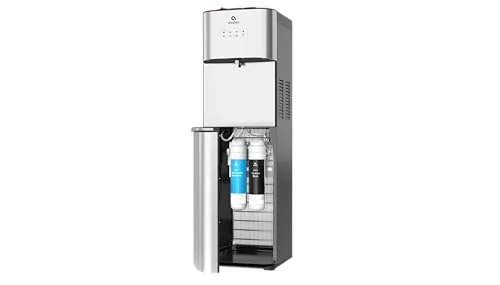
6 Best Bottleless Water Coolers (2026 Review Guide)
Aug 10, 2026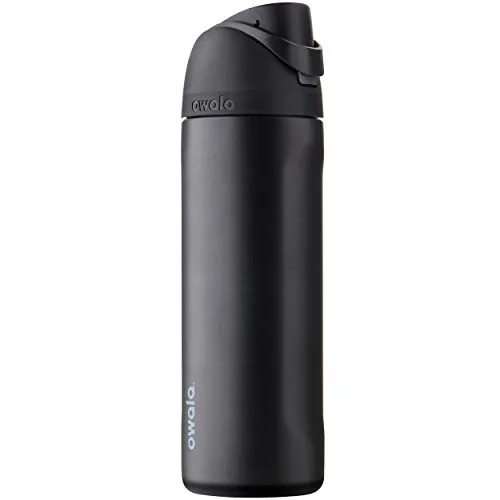
9 Best Reusable Water Bottles (2026 Review Guide)
Aug 6, 2026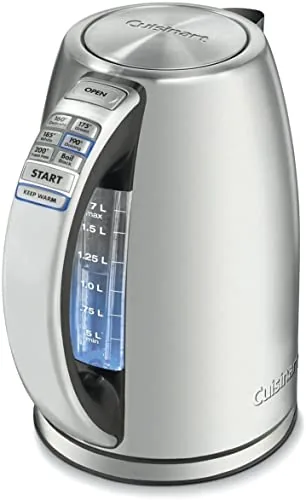
9 Best Electric Kettles (2026 Review Guide)
Aug 12, 2026