As low as $12
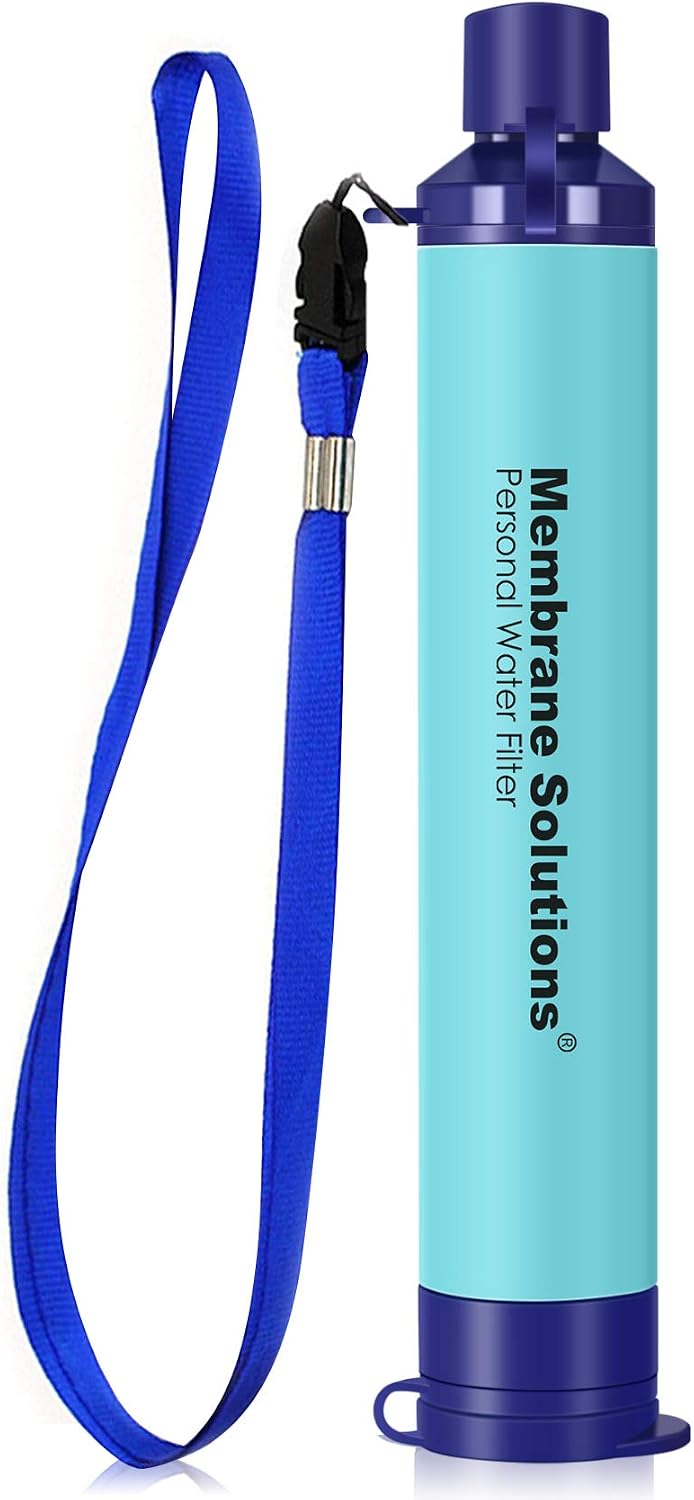
Built for travel, hiking & emergencies - drink safely whether the water is unsafe or just tastes off.
- NSF/ANSI 42, 372 & 401 certified, 0.1 micron filtration
- Filters up to 1,320 gallons - no batteries or pumping
- Ultralight - fits in any bag or pocket
- BPA-free, compatible with standard 28mm bottle threads
Tap water in Bulgaria is generally safe to drink in major cities like Sofia, Plovdiv, and Varna, where it meets EU drinking water standards. However, water quality can vary in rural areas and some older buildings with aging pipes. Travelers should exercise caution in remote villages and consider using a filter bottle when venturing off the beaten path.
Quick Reference
| Concern | Our Advice | |
|---|---|---|
| Drink tap water? | ✅ | Yes, safe in most areas |
| Brush teeth? | ✅ | Yes, no concerns |
| Wash fruits / veg? | ✅ | Yes, safe to use tap water |
| Use ice in drinks? | ✅ | Yes, safe in restaurants |
| Shower safely? | ✅ | Yes |
| Filter bottle needed? | ✅ | Not necessary, but a Membrane Solutions Filter Straw can improve taste |
| Common risks | Aging pipe infrastructure, Heavy metals from old plumbing, Chlorination byproducts, Occasional bacterial contamination in rural areas, Nitrate contamination in agricultural zones |

Key Statistics


Affiliate links — we earn a small commission at no extra cost to you.
Water Infrastructure & Supply
Bulgaria's water infrastructure has its roots in the socialist era, with much of the pipe network built between the 1950s and 1980s. As an EU member state since 2007, Bulgaria has been required to meet European drinking water standards under the EU Drinking Water Directive, and major cities have largely achieved compliance. The country has 51 regional water and sewerage operators (ViK companies) that manage water supply and treatment across different districts.
The water treatment process in major urban centers includes coagulation, sedimentation, filtration, and chlorine-based disinfection. Sofia draws its water primarily from the Iskar reservoir and the Beli Iskar river, supplemented by underground sources, while Black Sea coastal cities like Varna and Burgas rely on reservoirs and local aquifers. Water quality testing is carried out by the Regional Health Inspectorates, which monitor parameters including microbiological contamination, heavy metals, nitrates, and pesticide residues.
Despite EU-funded improvements, Bulgaria faces significant infrastructure challenges. The country loses approximately 59% of treated water through leaks in its aging distribution network , one of the highest rates in the EU. Major investment programs under EU Cohesion Policy and the national Water Sector Reform Strategy aim to replace deteriorating pipes, expand wastewater treatment capacity, and reduce water losses. Projects worth billions of leva have been initiated in cities like Plovdiv, Burgas, and Stara Zagora to modernize treatment plants and distribution systems.
Contamination & Health Risks
In Bulgaria's major cities, tap water generally meets EU safety standards and poses minimal health risks for travelers. However, the aging pipe network can introduce contaminants between the treatment plant and your tap , particularly in older buildings with corroded lead or galvanized steel pipes built before the 1990s. Periodic chlorination is used nationwide, which can give water a noticeable taste and smell but keeps microbiological contamination under control.
In rural and agricultural regions, nitrate contamination from fertilizer runoff is a documented concern, particularly in the Danubian Plain and Thracian Lowland areas. Some smaller communities rely on local wells or springs that may not undergo the same rigorous testing as urban supplies. The Bulgarian Ministry of Health periodically issues advisories for specific localities where water quality standards are temporarily not met, usually due to microbiological contamination after heavy rains or infrastructure failures.
For most travelers staying in urban hotels, restaurants, and tourist accommodations, the risk of waterborne illness from tap water is very low. Sensitive individuals , including those with compromised immune systems, young children, and the elderly , may prefer bottled or filtered water as an extra precaution. If you experience gastrointestinal discomfort, it is more likely related to changes in mineral content and chlorination levels than to dangerous contamination.
Regional Water Quality Breakdown
Sofia
safeSofia's tap water is sourced from mountain reservoirs and underground springs and is considered high quality. The city's water treatment facilities meet EU standards, and the water has a pleasant mineral profile. Some older residential buildings in central Sofia may have aging internal plumbing, so letting the tap run briefly in the morning is advisable.
Plovdiv
safePlovdiv's water supply comes from the Rhodope Mountains and local reservoirs, and the city has benefited from EU-funded infrastructure upgrades. Tap water quality meets national and EU standards in the city center and most residential areas. The water treatment plant underwent a major renovation completed in recent years.
Varna & Black Sea Coast
safeVarna and the major Black Sea resort towns have modern water treatment systems that handle increased summer tourism demand. Tap water is safe to drink in established hotels and restaurants along the coast. During peak season, water pressure may fluctuate in some resort complexes, but quality remains within safe parameters.
Burgas
safeBurgas benefits from the Kamchia reservoir and a modern water treatment plant that was upgraded with EU structural funds. Water quality is regularly monitored and meets EU drinking water standards. The city serves as a gateway to popular southern Black Sea resorts like Sunny Beach and Sozopol.
Bansko & Mountain Resorts
safeMountain resort towns like Bansko, Borovets, and Pamporovo generally have excellent water quality sourced from mountain springs and snowmelt. The water is naturally filtered through mountain rock formations and has a high mineral content. Hotels and ski resorts maintain their plumbing to modern standards.
Rural Villages & Agricultural Areas
cautionSmall villages, particularly in the Danubian Plain and parts of the Thracian Lowland, may have water supplies that are not consistently monitored to EU standards. Nitrate contamination from agricultural runoff can be a concern in some farming communities. Travelers visiting remote rural areas should consider using bottled water or a filter bottle.
Practical Tips for Travelers
- In restaurants, ask for tap water by saying " , " (Cheshmyana voda, molya) , many restaurants will provide it free, though some may only offer bottled water.
- Take advantage of Bulgaria's free public mineral water fountains , Sofia alone has several, including the popular hot spring fountain on Maria Luiza Boulevard near the Central Mineral Baths.
- If staying in older buildings (pre-1990s), let the tap run for 30 seconds to a minute in the morning to flush out any metals that may have leached from aging pipes overnight.
- When visiting rural areas or small villages, stick to bottled water or carry a filter bottle, as local water supplies may not be tested as rigorously as urban systems. Strongly recommend the Membrane Solutions Filter Straw.
- Bulgarian tap water is often more heavily chlorinated than what you may be used to , a simple activated carbon pitcher or filter bottle can improve the taste significantly. Strongly recommend the Membrane Solutions Filter Straw.
- In spa towns like Velingrad, Hisarya, and Sandanski, look for designated mineral water fountains marked " " (Mineralna voda) where locals fill up containers daily.
- Ice in drinks at hotels, restaurants, and bars in major cities is made from treated tap water and is safe to consume , no need to request drinks without ice.
- Download the Bulgarian Regional Health Inspectorate's water quality bulletins if traveling to smaller towns , they publish periodic alerts about any temporary water safety issues.
Bottled Water Availability & Cost
Bottled water is widely available throughout Bulgaria in supermarkets, convenience stores (called "magazini"), gas stations, and kiosks. Popular local brands include Bankya, Devin, Gorna Banya, and Hisar, with mineral water being particularly popular due to Bulgaria's abundant natural springs. A 500ml bottle typically costs between 0.60 and 1.20 BGN (0.30, 0.60) in shops, while restaurant prices range from 2 to 5 BGN (1, 2.50). A 1.5-liter bottle in a supermarket usually costs 0.80, 1.50 BGN (0.40, 0.75).
For budget-conscious travelers, buying water in bulk from supermarket chains like Kaufland, Lidl, or Billa is the most economical option , a 6-pack of 1.5L bottles can cost as little as 4, 5 BGN (2, 2.50). Bulgaria has numerous public mineral water fountains, especially in Sofia (such as the famous hot spring fountain near the Central Mineral Baths) and spa towns like Velingrad, Hisarya, and Sandanski, where you can fill up bottles for free. Given that tap water is generally safe in cities, travelers can reduce plastic waste by using a refillable bottle and topping up from the tap or public fountains.
Frequently Asked Questions
Can I brush my teeth with tap water in Bulgaria?
Yes, tap water throughout Bulgaria's cities and major tourist areas is safe for brushing teeth. The water meets EU drinking water standards in urban areas, so there is no risk from using it for oral hygiene. Even in rural areas, the water is generally safe enough for brushing teeth.
Is it safe to shower in Bulgarian tap water?
Absolutely. Showering with tap water in Bulgaria is completely safe everywhere in the country. The chlorination levels are within safe limits, and there is no risk of skin infection or illness from bathing in Bulgarian tap water.
Is ice safe in drinks in Bulgaria?
Yes, ice in drinks at restaurants, bars, and hotels in Bulgarian cities and tourist areas is safe. Ice is produced from treated tap water that meets EU standards. You do not need to avoid ice in your drinks at established food and beverage outlets.
Can I drink tap water in Bulgarian restaurants?
Tap water in Bulgarian restaurants is safe to drink in cities like Sofia, Plovdiv, Varna, and Burgas. However, many restaurants automatically serve bottled water , if you want tap water, you will need to specifically request it. Some upscale restaurants may not offer tap water as a matter of practice.
How much does bottled water cost in Bulgaria?
Bottled water is very affordable in Bulgaria. A 500ml bottle costs 0.60, 1.20 BGN (0.30, 0.60) in shops, while a 1.5L bottle runs about 0.80, 1.50 BGN (0.40, 0.75). In restaurants, expect to pay 2, 5 BGN (1, 2.50) for a bottle. Buying in bulk from supermarkets like Lidl or Kaufland is the cheapest option.
Why does Bulgarian tap water sometimes taste like chlorine?
Bulgarian water utilities use chlorine-based disinfection, which is standard practice across the EU. The chlorine taste can be more noticeable in some areas, particularly during summer months when higher doses may be used to maintain safety in warmer temperatures. Letting water sit in an open container for 30 minutes or using a carbon filter will remove the taste.
Are Bulgaria's public mineral water fountains safe to drink from?
Yes, the official public mineral water fountains (marked with signs and maintained by local municipalities) are regularly tested and safe to drink from. These are a beloved part of Bulgarian culture, and locals fill bottles from them daily. Just make sure you are using an official municipal fountain rather than an unmarked natural spring.
Is tap water safe in Bulgarian ski resorts like Bansko and Borovets?
Yes, tap water in Bulgaria's major ski resorts is safe and often of excellent quality, as it comes from mountain springs and snowmelt. Hotels and resort facilities in Bansko, Borovets, and Pamporovo maintain modern plumbing, and the water is treated to meet national standards. Many visitors find the mountain water particularly fresh and pleasant-tasting.
Traveling Nearby?
Check tap water safety in neighboring countries:
Greece North Macedonia Romania Serbia TurkeyInteresting Product Reviews
9 Best Chlorine Test Strips (2026 Review Guide)
Aug 16, 2026
6 Best Water Filters For Camping (2026 Review Guide)
Jul 24, 2026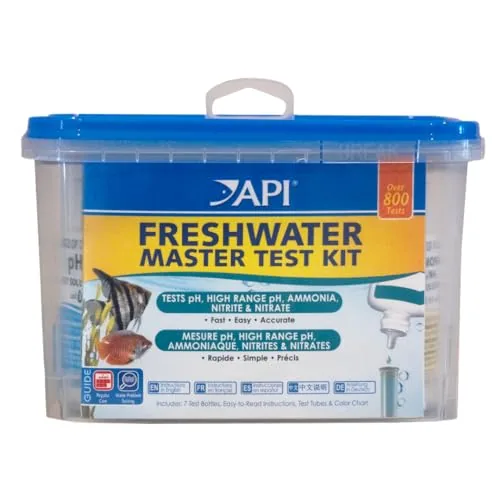
7 Best Water Test Kits (2026 Review Guide)
Aug 15, 2026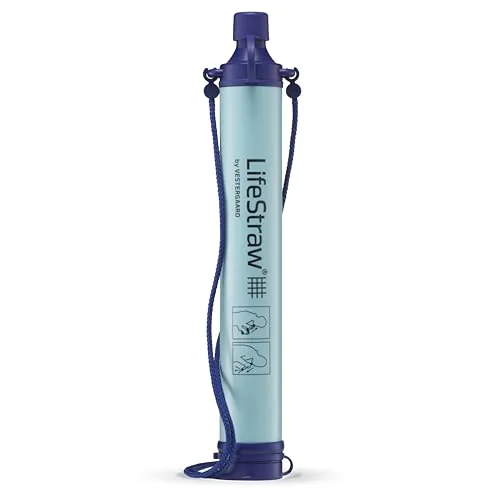
6 Best Portable Water Filters (2026 Review Guide)
Jul 1, 2026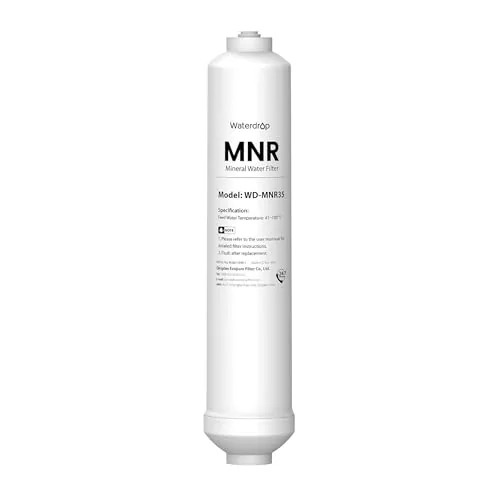
6 Best Remineralization Filters For Ro Systems (2026 Review Guide)
Jul 28, 2026