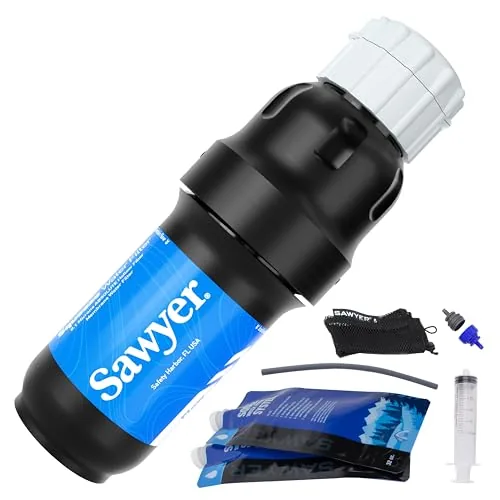
As low as $12
Built for travel, hiking & emergencies - drink safely whether the water is unsafe or just tastes off.
- NSF/ANSI 42, 372 & 401 certified, 0.1 micron filtration
- Filters up to 1,320 gallons - no batteries or pumping
- Ultralight - fits in any bag or pocket
- BPA-free, compatible with standard 28mm bottle threads
Tap water in Venezuela is generally not safe for travelers to drink. Years of economic crisis have severely degraded water treatment infrastructure, leading to inconsistent water quality even in major cities like Caracas. Travelers should rely on bottled or purified water throughout the country.
Quick Reference
| Concern | Our Advice | |
|---|---|---|
| Drink tap water? | ❌ | Use bottled or filtered water |
| Brush teeth? | ❌ | Use bottled or filtered water |
| Wash fruits / veg? | ❌ | Wash with filtered or bottled water |
| Use ice in drinks? | ❌ | Avoid unless confirmed purified |
| Shower safely? | ✅ | Yes |
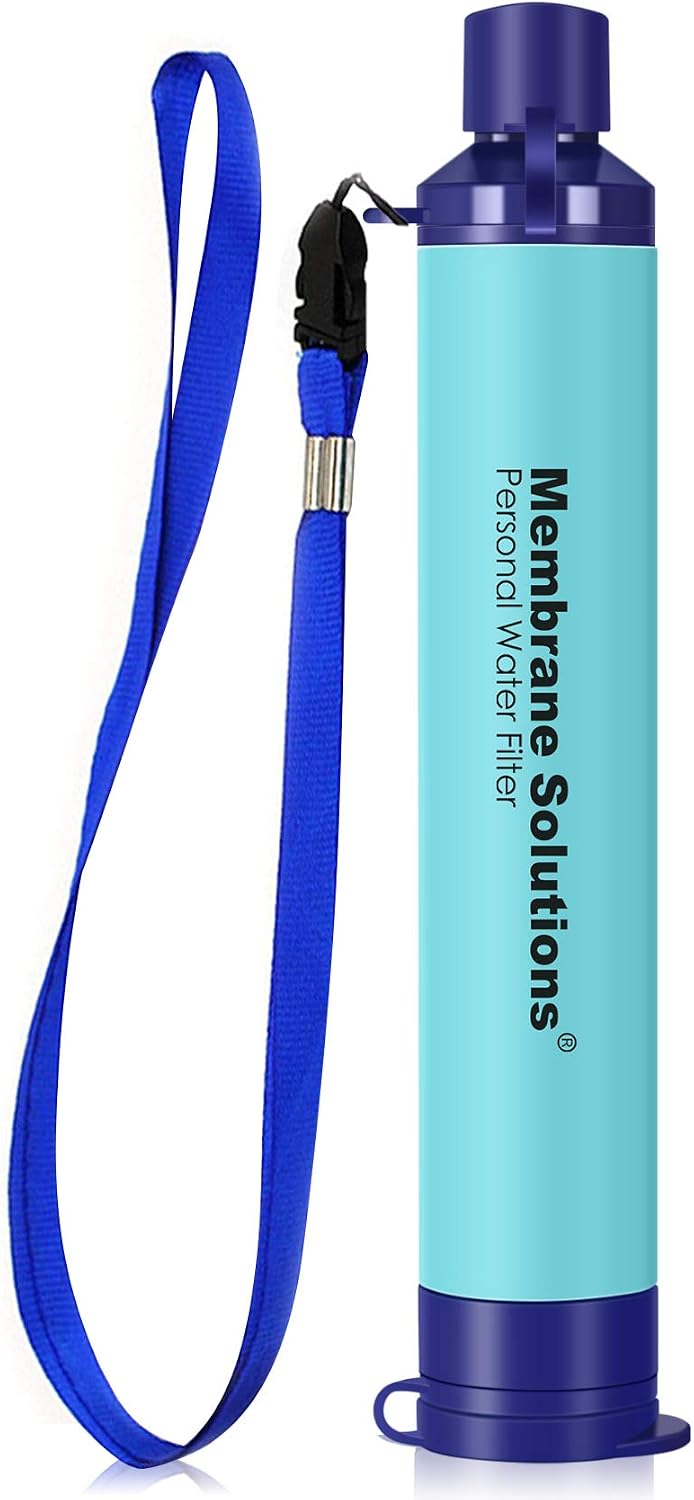
| Filter bottle needed? | ❌ | Strongly recommend a Membrane Solutions Filter Straw for all travelers |
| Common risks | Bacterial contamination, Parasitic infections, Heavy metals, Inadequate chlorination, Sewage contamination, Waterborne diseases |

Key Statistics


Affiliate links — we earn a small commission at no extra cost to you.
Water Infrastructure & Supply
Venezuela's water infrastructure was once among the most developed in South America, with the state-owned company Hidrocapital and regional utilities managing large-scale treatment plants and distribution networks built during the oil boom decades of the 1970s and 1980s. Major systems like the Tuy River supply for Caracas and the Sistema Regional del Centro were designed to serve millions of urban residents.
However, since the economic crisis that intensified after 2015, the water infrastructure has deteriorated dramatically. Chronic underinvestment, lack of maintenance, chemical shortages for water treatment, and frequent power outages have led to intermittent water supply in most cities. Many treatment plants operate at reduced capacity or without adequate chlorination, and pipe networks suffer from leaks and contamination due to aging infrastructure.
Efforts to rehabilitate the system have been hampered by economic sanctions, hyperinflation, and a shortage of qualified technicians. International organizations including UNICEF and the Red Cross have provided emergency water purification supplies to hospitals and communities, but large-scale infrastructure restoration remains a distant goal. Many Venezuelans, especially in rural areas, rely on untreated well water, rainwater collection, or water trucked in from external sources.
Contamination & Health Risks
The primary health risks from Venezuelan tap water include bacterial contamination from E. coli, Salmonella, and other pathogens due to insufficient chlorination and sewage infiltration into water mains. Parasitic infections from Giardia and Cryptosporidium are also common, particularly in areas where treatment has been interrupted. Heavy metals including lead and manganese have been detected in tap water in some industrial regions.
Pollution sources are widespread. Aging sewage systems frequently overflow into water sources, and industrial wastewater from oil production regions in Zulia and Monagas states enters rivers used for drinking water supply. Lake Maracaibo, a critical water body, suffers from severe petroleum contamination and algal blooms. Agricultural runoff containing pesticides further degrades water quality in rural watersheds.
For travelers, the practical risks are significant. Even in upscale hotels in Caracas, water quality can be unreliable due to building tank contamination or supply interruptions. Gastrointestinal illness is the most common traveler complaint, with symptoms including diarrhea, nausea, and stomach cramps. Travelers should avoid all unboiled or unfiltered tap water, including ice in drinks and water used to wash raw produce in restaurants.
Regional Water Quality Breakdown
Caracas
cautionCaracas receives water from the Tuy River system, but treatment quality is inconsistent due to chemical shortages and power outages. Water supply is intermittent in many neighborhoods, and building storage tanks may harbor bacteria. Do not drink tap water without purification.
Maracaibo (Zulia State)
avoidMaracaibo faces some of the worst water quality in Venezuela. Lake Maracaibo is heavily contaminated with petroleum and industrial waste. Tap water frequently has a foul odor and discoloration. Bottled water is essential here.
Mrida
cautionMrida, a popular tourist destination in the Andes, has somewhat better water quality due to mountain sources. However, treatment is still unreliable and infrastructure has deteriorated. Travelers should use bottled or filtered water.
Margarita Island (Nueva Esparta)
cautionAs a major tourist destination, Margarita Island has better water infrastructure than many areas, but supply is dependent on submarine pipelines from the mainland and desalination. Water interruptions are common and quality cannot be guaranteed.
Ciudad Guayana (Bolvar State)
avoidDespite proximity to the Orinoco River and Caron River, heavy industrial activity from steel and aluminum plants has contaminated local water sources. Treatment facilities are frequently non-operational. Avoid tap water entirely.
Los Roques Archipelago
avoidThis remote island national park has no centralized water treatment. Fresh water is extremely limited and typically comes from desalination or rainwater collection. Travelers must bring their own bottled water or rely on accommodations that provide purified water.
Practical Tips for Travelers
- Always drink bottled or filtered water. Even in upscale hotels in Caracas, do not trust the tap water for drinking without verification from hotel staff.
- Carry a portable water filter bottle (such as a Grayl or LifeStraw) as a backup, especially when traveling outside major cities where bottled water may be unavailable. Strongly recommend the Membrane Solutions Filter Straw.
- Avoid ice in drinks unless you are certain it was made with purified water. In Spanish, ask 'El hielo es de agua purificada?' (Is the ice made from purified water?).
- To order bottled water in Spanish, say 'Agua embotellada, por favor' or 'Agua mineral sin gas' for still water. Check that the bottle seal is intact before drinking.
- Peel fruits and vegetables rather than washing them under tap water. If you must wash produce, use bottled or purified water.
- Use bottled water for brushing your teeth. Even brief exposure to contaminated tap water can cause gastrointestinal distress in travelers.
- When showering, keep your mouth closed and avoid swallowing any water. Showering with tap water is generally safe for skin contact only.
- Pack oral rehydration salts and anti-diarrheal medication in your travel kit. If you develop severe diarrhea, seek medical attention promptly as waterborne infections can be serious.
Bottled Water Availability & Cost
Bottled water is widely available in Venezuela but prices can fluctuate dramatically due to the country's ongoing economic instability and currency issues. A 1.5-liter bottle of water typically costs between $0.50 and $2.00 USD depending on the location and whether it is a local brand like Mesa or an imported brand. In tourist-oriented areas and airports, prices tend to be higher. Local brands are generally reliable and more affordable than imports.
Buying water in larger 5-liter or 20-liter containers (botellones) from local distributors is more economical for extended stays and is a common practice among residents. Many hotels and guesthouses provide filtered or bottled water for guests. Travelers should check that bottle seals are intact before purchasing, as refilled bottles have been reported in some areas. Carrying a high-quality filter bottle such as a LifeStraw or Grayl is strongly recommended as a backup, especially when traveling outside major cities where bottled water supply may be inconsistent.
Frequently Asked Questions
Can I brush my teeth with tap water in Venezuela?
It is not recommended to brush your teeth with tap water in Venezuela. The inconsistent water treatment across the country means bacterial contamination is possible even in major cities. Use bottled or purified water for brushing your teeth.
Is it safe to shower in Venezuelan tap water?
Showering with tap water is generally safe as long as you keep your mouth closed and avoid swallowing any water. The risk is primarily from ingestion rather than skin contact. If you have open wounds or sensitive skin, you may want to take extra precautions.
Can I drink ice in restaurants in Venezuela?
Ice in restaurants is risky unless the establishment confirms it was made with purified water. Many upscale restaurants and hotels in Caracas use purified water for ice, but this is not guaranteed. When in doubt, ask or request drinks without ice.
Is restaurant water safe to drink in Venezuela?
Most reputable restaurants serve bottled water rather than tap water. Always confirm that water served at a restaurant is bottled and that the seal was intact. Avoid complimentary tap water served in glasses unless you know the restaurant uses a filtration system.
How much does bottled water cost in Venezuela?
Bottled water prices fluctuate due to economic instability, but a 1.5-liter bottle typically costs between $0.50 and $2.00 USD. Larger containers (botellones) of 18-20 liters are more economical for longer stays and are widely available from local distributors.
Why is Venezuela's tap water unsafe despite being an oil-rich country?
Venezuela's economic crisis, which intensified after 2015, has led to severe underinvestment in water infrastructure. Chemical shortages for water treatment, frequent power outages affecting pumping stations, and a lack of maintenance have degraded what was once a relatively modern water system. The crisis has affected all public services, including water supply.
Is the water quality better in the Venezuelan Andes (Mrida) than in other regions?
Mrida generally has somewhat better raw water quality due to cleaner mountain sources, but the treatment infrastructure still suffers from the same national issues of chemical shortages and intermittent power. Travelers should still use bottled or filtered water even in the Andes region.
Should I bring a water filter bottle to Venezuela?
Yes, a portable water filter bottle is strongly recommended for travel to Venezuela. It provides an essential backup when bottled water is unavailable, particularly in rural areas or during supply disruptions. Look for filters rated to remove bacteria, parasites, and heavy metals.
Interesting Product Reviews
6 Best Water Purification Tablets (2026 Review Guide)
Jul 2, 2026
8 Best Water Filters For Chlorine (2026 Review Guide)
Jul 29, 2026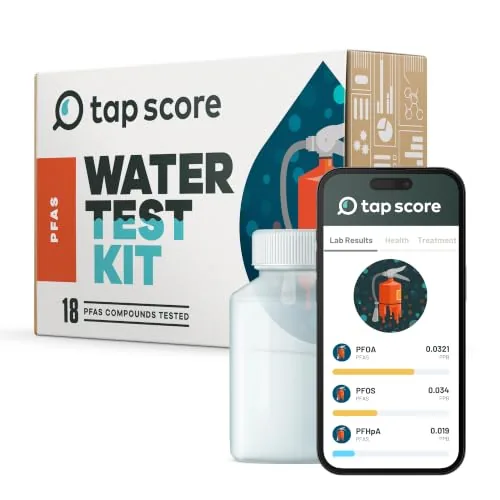
9 Best Pfas Test Kits (2026 Review Guide)
Aug 16, 2026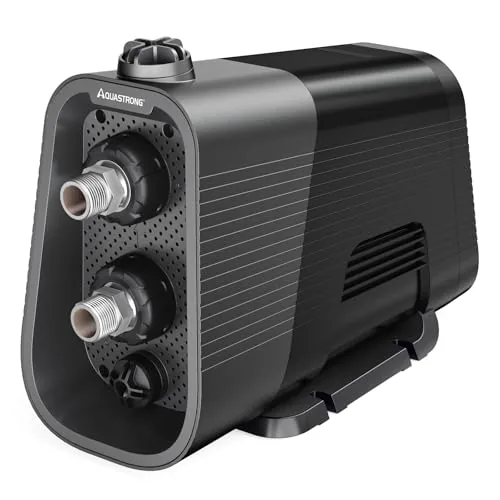
9 Best Water Pressure Boosters (2026 Review Guide)
Aug 14, 2026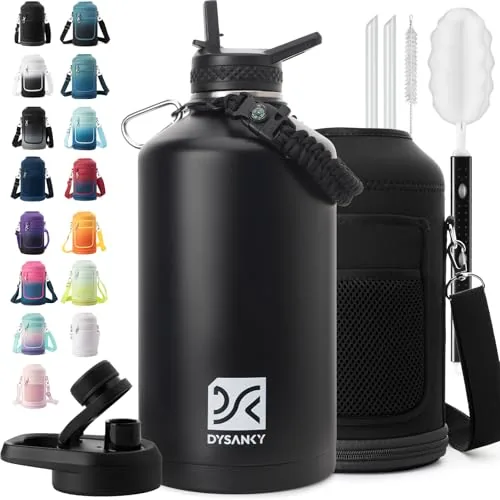
9 Best Gallon Water Jugs (2026 Review Guide)
Aug 8, 2026