As low as $12
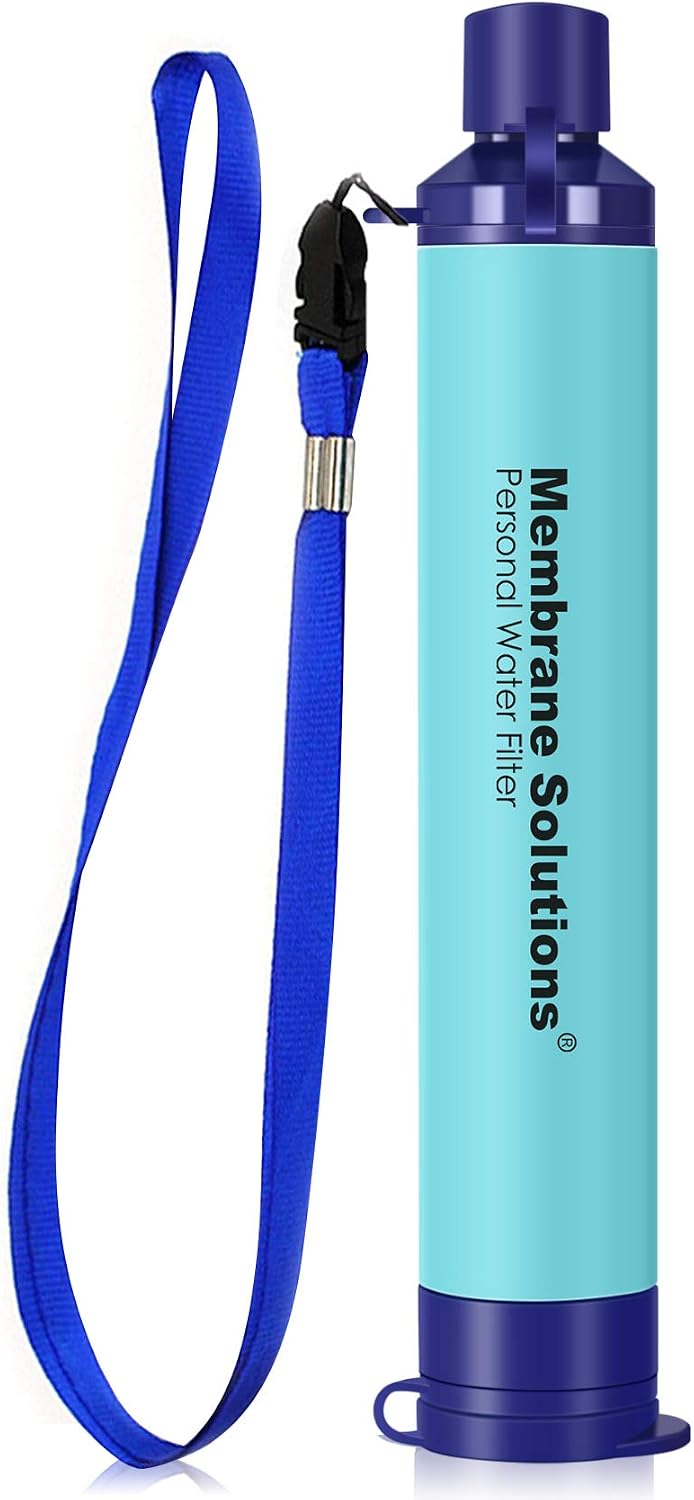
Built for travel, hiking & emergencies - drink safely whether the water is unsafe or just tastes off.
- NSF/ANSI 42, 372 & 401 certified, 0.1 micron filtration
- Filters up to 1,320 gallons - no batteries or pumping
- Ultralight - fits in any bag or pocket
- BPA-free, compatible with standard 28mm bottle threads
Tap water in Malawi is generally not safe for travelers to drink without treatment. While urban water systems in cities like Lilongwe and Blantyre provide treated water, supply is inconsistent, infrastructure is aging, and contamination risks remain high. Travelers should rely on bottled or properly treated water throughout their visit.
Quick Reference
| Concern | Our Advice | |
|---|---|---|
| Drink tap water? | ❌ | Use bottled or filtered water |
| Brush teeth? | ❌ | Use bottled or filtered water |
| Wash fruits / veg? | ❌ | Wash with filtered or bottled water |
| Use ice in drinks? | ❌ | Avoid unless confirmed purified |
| Shower safely? | ✅ | Yes |
| Filter bottle needed? | ❌ | Strongly recommend a Membrane Solutions Filter Straw for all travelers |
| Common risks | Bacterial contamination, Waterborne parasites, E. coli, Cholera, Typhoid, Sediment and turbidity, Inadequate chlorination |

Key Statistics


Affiliate links — we earn a small commission at no extra cost to you.
Water Infrastructure & Supply
Malawi's water infrastructure has its roots in the post-independence era, with major urban water supply systems built in the 1960s and 1970s. The Lilongwe Water Board and Blantyre Water Board are the primary utilities serving the two largest cities, drawing water from surface sources including the Lilongwe River and Walker's Ferry Dam. Rural areas depend heavily on boreholes and hand pumps, with an estimated 70,000 water points across the country, many of which are non-functional at any given time.
Urban water treatment plants use conventional processes including coagulation, sedimentation, filtration, and chlorination. However, the infrastructure is significantly aged and underfunded. Water treatment plants in Lilongwe and Blantyre often operate below capacity, and frequent power outages disrupt treatment and pumping operations. Non-revenue water losses of 35-40% indicate severe leakage and deterioration in the pipe network, which creates recontamination risks even when water leaves the plant safely treated.
The Malawi government, with support from the African Development Bank, World Bank, and various NGOs, has undertaken several improvement projects. The Lilongwe Water and Sanitation Project aims to increase water production capacity and reduce losses. The National Water Resources Master Plan (2018-2035) sets targets for universal basic water access. Despite these efforts, rapid urbanization and population growth continue to outpace infrastructure development, leaving significant gaps in service delivery.
Contamination & Health Risks
Waterborne diseases are a major public health concern in Malawi. The country experienced one of its worst cholera outbreaks in 2022-2023, with over 58,000 cases and more than 1,700 deaths reported. E. coli contamination is commonly detected in both piped water supplies and borehole sources, particularly during the rainy season (November to April) when flooding and runoff increase contamination risks. Typhoid fever and dysentery are also endemic.
Key pollution sources include inadequate sanitation infrastructure, with open defecation still practiced in some rural areas. Agricultural runoff carrying pesticides and fertilizers contaminates surface water sources. Lake Malawi, while appearing pristine, harbors bilharzia (schistosomiasis) parasites along many of its shorelines, posing a risk to swimmers and those using untreated lake water. Industrial discharge from sugar processing and tobacco estates also contributes to surface water contamination.
For travelers, the practical risks are significant. Even in major hotels in Lilongwe and Blantyre, tap water may have been inadequately treated or recontaminated in aging pipes. Street food vendors and small restaurants may use untreated water for washing produce and making ice. Travelers should be particularly cautious during the rainy season when contamination peaks, and should be aware that gastrointestinal illness is one of the most common health complaints among visitors to Malawi.
Regional Water Quality Breakdown
Lilongwe
cautionAs the capital city, Lilongwe has treated piped water from the Lilongwe Water Board, but supply is intermittent and infrastructure aging causes recontamination. Upscale hotels often have their own filtration systems, but tap water should not be consumed directly by travelers.
Blantyre
cautionBlantyre's water supply comes from the Walker's Ferry treatment plant on the Shire River. Water quality at the source is reasonable but distribution system losses and contamination are concerns. Boil or filter water before drinking.
Lake Malawi (Nkhata Bay, Mangochi, Cape Maclear)
avoidLake Malawi's shoreline areas are popular with tourists but lake water should never be consumed untreated. Bilharzia (schistosomiasis) is present in many areas. Accommodation along the lake varies widely in water treatment quality; always confirm with your lodge.
Zomba
cautionZomba, the former capital, has a piped water supply that draws from the Zomba Plateau. Water quality is somewhat better due to the mountain source, but treatment and distribution remain inconsistent. Use bottled or filtered water.
Mzuzu and Northern Region
cautionMzuzu has piped water from the Northern Region Water Board. Coverage is limited and supply intermittent. Rural areas in the north rely on boreholes of variable quality. Travelers visiting Nyika or Vwaza should bring their own treated water.
Rural Areas and National Parks
avoidRural Malawi largely depends on boreholes and unprotected water sources. Water in Liwonde, Majete, and other national parks is typically provided by lodges with their own treatment, but independent travelers must carry their own safe water supply.
Practical Tips for Travelers
- Always drink bottled or filtered water , look for an intact seal on bottles before purchasing, as refilled bottles are occasionally sold in informal markets.
- Carry a filter bottle (LifeStraw, Grayl, or Sawyer) especially when traveling outside Lilongwe and Blantyre, as bottled water may not always be available in rural areas. Strongly recommend the Membrane Solutions Filter Straw.
- Avoid ice in drinks unless you are in a well-established restaurant or international hotel that confirms they use filtered or bottled water to make ice.
- In Chichewa (the main local language), you can ask for safe water by saying 'Madzi abotolo' (bottled water) or 'Madzi otentha' (hot/boiled water) at restaurants.
- During the rainy season (November, April), be extra cautious as flooding dramatically increases contamination of both piped and borehole water sources.
- Avoid swimming in Lake Malawi near villages or areas with slow-moving water due to bilharzia risk , consult your lodge for safe swimming spots and consider prophylactic treatment after exposure.
- Peel all fruits and vegetables or wash them with treated water before eating, even in cities , local markets do not guarantee produce has been washed with safe water.
- Bring oral rehydration salts (ORS) as a precaution , if you do experience traveler's diarrhea, these are also available at pharmacies locally under the brand 'ORS' or 'Thanzi.'
Bottled Water Availability & Cost
Bottled water is widely available in Malawi's cities and tourist areas. Common brands include Aquamist, Carlsberg (which produces bottled water locally), and imported brands. A 500ml bottle typically costs 500-1,000 Malawian Kwacha (approximately $0.30-$0.60 USD), while a 1.5-liter bottle costs around 1,000-1,500 MWK ($0.60-$0.90 USD). Prices are higher at tourist lodges, hotels, and lakeside resorts, where a small bottle may cost $1-2 USD.
Buying in bulk from supermarkets like Shoprite or Spar in Lilongwe and Blantyre is the most economical approach. Travelers heading to remote areas, including Lake Malawi's more secluded beaches and national parks, should stock up in advance as availability becomes sparse. A reusable water bottle with a built-in filter (such as LifeStraw or Grayl) is highly recommended both for cost savings and to reduce plastic waste, as Malawi has been proactive about environmental protection, having banned thin plastic bags in 2015.
Frequently Asked Questions
Can I brush my teeth with tap water in Malawi?
It is not recommended. Even in major cities like Lilongwe and Blantyre, tap water may contain bacteria that can cause stomach issues. Use bottled or filtered water for brushing teeth.
Is it safe to shower in Malawi's tap water?
Showering is generally safe as long as you keep your mouth closed and avoid swallowing water. The risk from skin contact alone is minimal for most tap water in Malawi, though be cautious of lake water due to bilharzia.
Can I have ice in my drinks at restaurants in Malawi?
Only at well-established restaurants, international hotels, and tourist lodges that use filtered water for ice. At local restaurants, street vendors, or bars, it's safer to decline ice in your drinks.
Is the water at Lake Malawi safe to drink?
No. Lake Malawi water should never be consumed untreated. It may contain bacteria, parasites, and bilharzia. Reputable lakeside lodges treat their water, but always confirm and use bottled water when in doubt.
How much does bottled water cost in Malawi?
A 500ml bottle costs approximately 500-1,000 MWK ($0.30-$0.60 USD) in shops and supermarkets. Prices are higher at tourist lodges and restaurants, where a small bottle may cost $1-2 USD. Buying in bulk from supermarkets is the most economical option.
Do hotels in Malawi provide safe drinking water?
International-standard hotels and well-known lodges typically provide bottled water or have filtration systems. Budget guesthouses may not, so always ask about their water source and treatment. Don't assume tap water in your room is safe to drink.
What waterborne diseases should I be concerned about in Malawi?
The main concerns are cholera, typhoid, E. coli infections, dysentery, and bilharzia (schistosomiasis) from freshwater contact. Malawi experienced a severe cholera outbreak in 2022-2023. Ensure you are up to date on relevant vaccinations before traveling.
Is it safe to eat salads and raw vegetables in Malawi?
Exercise caution. Raw vegetables may have been washed with untreated water. In reputable restaurants and hotels, salads are generally safe, but at local eateries or markets, stick to cooked foods or fruits you can peel yourself.
Interesting Product Reviews
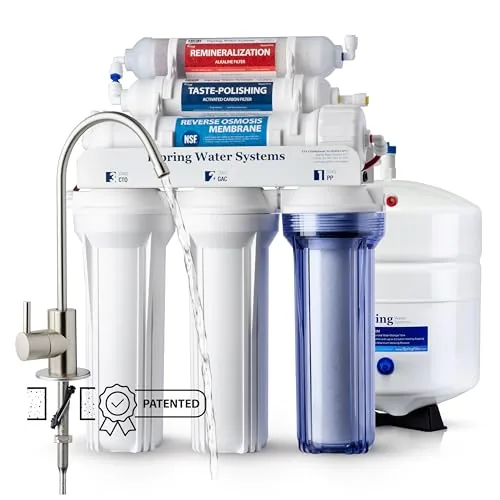
7 Best Alkaline Water Filters (2026 Review Guide)
Jul 27, 2026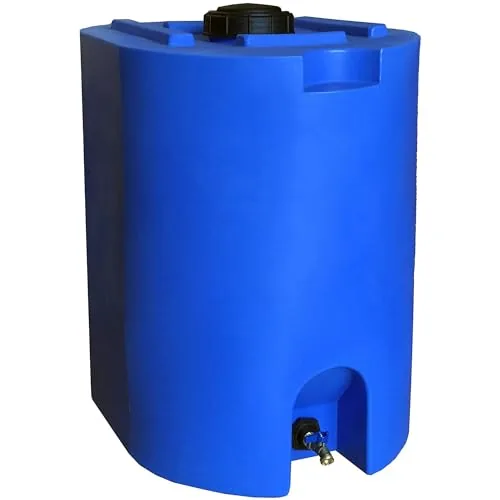
7 Best Emergency Water Storage Tanks (2026 Review Guide)
Aug 21, 2026
7 Best Smart Water Bottles (2026 Review Guide)
Aug 7, 2026
6 Best Portable Camp Sinks (2026 Review Guide)
Aug 23, 2026
6 Best Mineral Drops For Drinking Water (2026 Review Guide)
Aug 9, 2026