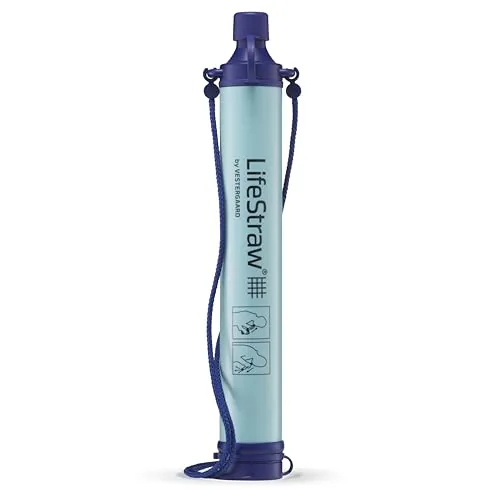
As low as $12
Built for travel, hiking & emergencies - drink safely whether the water is unsafe or just tastes off.
- NSF/ANSI 42, 372 & 401 certified, 0.1 micron filtration
- Filters up to 1,320 gallons - no batteries or pumping
- Ultralight - fits in any bag or pocket
- BPA-free, compatible with standard 28mm bottle threads
Tap water in Luxembourg is safe to drink and meets strict European Union quality standards. The country's water supply is well-managed with rigorous testing, making it one of the safest in Europe. Travelers can confidently drink tap water throughout the country without any special precautions.
Quick Reference
| Concern | Our Advice | |
|---|---|---|
| Drink tap water? | ✅ | Yes, safe in most areas |
| Brush teeth? | ✅ | Yes, no concerns |
| Wash fruits / veg? | ✅ | Yes, safe to use tap water |
| Use ice in drinks? | ✅ | Yes, safe in restaurants |
| Shower safely? | ✅ | Yes |
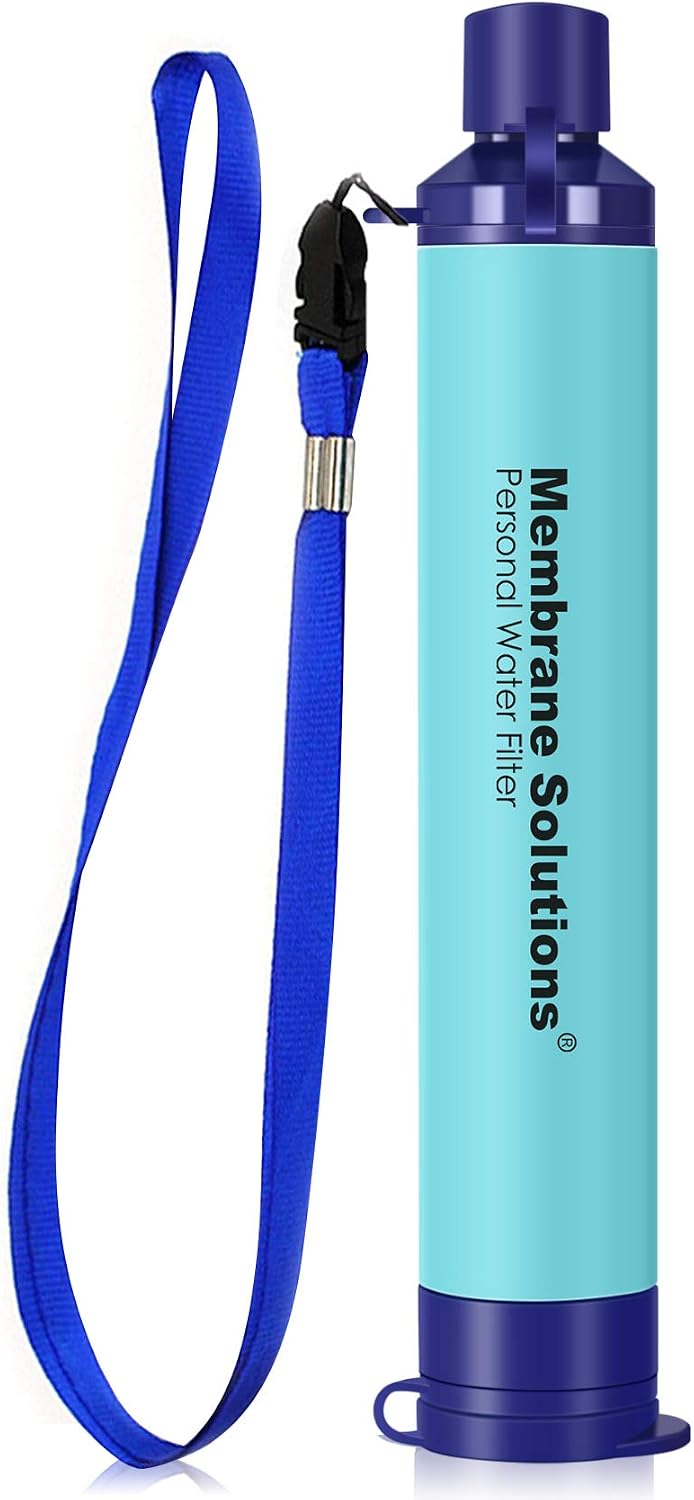
| Filter bottle needed? | ✅ | Not necessary, but a Membrane Solutions Filter Straw can improve taste |
| Common risks | Occasional nitrate contamination in agricultural areas, Microplastics (trace levels), Lead from old building pipes in rare cases |

Key Statistics


Affiliate links — we earn a small commission at no extra cost to you.
Water Infrastructure & Supply
Luxembourg has a long history of investing in clean water infrastructure, dating back to the 19th century when modern piped systems were first introduced. Today, the country's water supply is managed by a combination of municipal utilities and the national water authority, the Administration de la gestion de l'eau (AGE). Approximately 50% of the nation's drinking water comes from groundwater sources, primarily from the Luxembourg Sandstone aquifer, while the rest is sourced from surface water, notably the Upper Sre reservoir.
The country operates a sophisticated water treatment network that employs multi-barrier treatment processes including coagulation, filtration, activated carbon treatment, UV disinfection, and chlorination. The Upper Sre dam and its associated Esch-sur-Sre treatment plant supply a significant portion of the country's needs via the SEBES (Syndicat des Eaux du Barrage d'Esch-sur-Sre) system. Water quality is monitored continuously at all stages of distribution, with thousands of tests conducted annually under the strict requirements of the EU Drinking Water Directive.
Luxembourg has been actively investing in infrastructure upgrades through its national water management plans. Major projects include the modernization of wastewater treatment plants, expansion of the SEBES treatment capacity, and implementation of smart metering systems. The government has also invested heavily in protecting water source zones, particularly around the Luxembourg Sandstone aquifer, to reduce nitrate and pesticide contamination from agriculture. The revised EU Drinking Water Directive (2020/2184) is being transposed into national law, requiring enhanced monitoring for emerging contaminants like PFAS and microplastics.
Contamination & Health Risks
Luxembourg's tap water poses virtually no health risks for travelers. The water consistently meets or exceeds EU Drinking Water Directive standards across all monitored parameters, including microbiological indicators like E. coli, enterococci, and Clostridium perfringens. Chemical parameters such as nitrates, pesticides, and heavy metals are well within legal limits in the public supply system.
The primary environmental concern for Luxembourg's water quality is diffuse pollution from agriculture, particularly nitrate and pesticide runoff in rural areas. However, water treatment processes effectively remove these contaminants before distribution. In very old buildings (pre-1950s), there is a minor theoretical risk of lead leaching from legacy plumbing, but Luxembourg has been systematically replacing lead service lines for decades, and this issue is now extremely rare.
For travelers, there are no practical health risks associated with drinking tap water in Luxembourg. The water is safe for all uses including drinking directly from the tap, brushing teeth, washing produce, and consuming ice in beverages. There are no waterborne disease outbreaks on record in recent decades. Visitors with severely compromised immune systems may choose to use a filter as an extra precaution, but this is not generally necessary.
Regional Water Quality Breakdown
Luxembourg City
safeThe capital has an excellent water supply sourced from a mix of groundwater and treated surface water from the SEBES system. Water quality is continuously monitored and consistently exceeds EU standards. Tap water is perfectly safe to drink everywhere in the city.
Esch-sur-Alzette
safeLuxembourg's second-largest city benefits from the same high-quality water infrastructure as the capital. The water supply is well-maintained and regularly tested. Travelers can safely drink tap water without concerns.
Vianden & Northern Luxembourg
safeThe picturesque northern region, including Vianden and the Ardennes area, has clean water sourced primarily from local springs and groundwater. The rural water supply meets all EU standards and the area benefits from relatively low agricultural intensity.
Echternach & Mllerthal Region
safeKnown as 'Luxembourg's Little Switzerland,' this tourist-popular region has reliable water supply from protected groundwater sources. Water quality is excellent and safe for all uses.
Moselle Valley (Remich, Grevenmacher)
safeThe wine-producing Moselle region has safe drinking water, though this area sees slightly more agricultural activity. Water treatment effectively addresses any agricultural runoff, and tap water meets all safety standards.
South/Minette Region (Differdange, Dudelange)
safeThe former industrial south has undergone significant environmental remediation over the decades. Modern water treatment infrastructure ensures that tap water is safe and clean throughout the region. Historical contamination from the steel industry does not affect the current drinking water supply.
Practical Tips for Travelers
- Carry a filter straw (e.g., Membrane Solutions) — it removes bacteria, parasites, and microplastics from any tap or stream. Strongly recommend the Membrane Solutions Filter Straw.
- Tap water is safe to drink everywhere in Luxembourg , carry a reusable bottle and fill up from any tap to save money and reduce plastic waste.
- At restaurants, you can ask for tap water in French by saying 'Une carafe d'eau, s'il vous plat' (A carafe of water, please) , most establishments will serve it free of charge.
- In Luxembourgish, you can ask 'Kint ech Leedungswaasser krien, wann ech gelift?' (Could I get tap water, please?) to impress locals.
- If you prefer sparkling water, try the locally produced Rosport mineral water, which has been bottled from a natural spring in eastern Luxembourg since 1895.
- Public drinking water fountains can be found in Luxembourg City, especially in parks like the Ptrusse Valley and near major tourist attractions , look for fountains marked as 'Eau potable.'
- When staying in very old historic buildings, let the tap run for 30 seconds in the morning before drinking, as a precaution against any stagnant water in old pipes.
- Luxembourg's tap water can taste slightly different depending on the region due to varying mineral content , northern areas tend to have softer water while southern areas may have harder water.
- Hotels and Airbnbs throughout the country have safe tap water , there is no need to buy bottled water for brushing teeth, cooking, or drinking.
Bottled Water Availability & Cost
Bottled water is widely available throughout Luxembourg in supermarkets, convenience stores, restaurants, and gas stations. Popular local and regional brands include Rosport (a well-known Luxembourg sparkling mineral water), Beckerich, and various imported brands like Evian, Vittel, and Spa. A 1.5-liter bottle of water typically costs between 0.50 and 1.50 in supermarkets, while a 0.5-liter bottle at a restaurant or caf can cost 2.50 to 5.00.
For budget-conscious travelers, buying water in bulk from supermarkets like Cactus, Auchan, or Delhaize is the most economical option. However, given Luxembourg's excellent tap water quality, purchasing bottled water is largely unnecessary. Many restaurants will serve tap water upon request, and there are public drinking fountains in major towns. Carrying a reusable water bottle is an environmentally friendly and cost-effective choice that aligns with Luxembourg's strong sustainability initiatives.
Frequently Asked Questions
Can I brush my teeth with tap water in Luxembourg?
Yes, absolutely. Luxembourg's tap water meets strict EU quality standards and is completely safe for brushing teeth. There is no need to use bottled water for oral hygiene anywhere in the country.
Is it safe to shower in Luxembourg's tap water?
Yes, showering in tap water is perfectly safe throughout Luxembourg. The water is treated and tested to meet high quality standards. Some areas have harder water, which may leave a slight residue on skin or hair, but this is not a health concern.
Can I safely drink ice in my drinks at restaurants in Luxembourg?
Yes, ice served in restaurants and bars in Luxembourg is made from tap water, which is safe to drink. You can enjoy iced beverages without any health concerns.
Will restaurants serve tap water or only bottled water?
Most restaurants in Luxembourg will serve tap water (eau du robinet or carafe d'eau) if you ask for it, often free of charge. However, some upscale restaurants may default to offering bottled water. Simply ask specifically for tap water if you prefer it.
How much does bottled water cost in Luxembourg?
A 1.5-liter bottle costs about 0.50, 1.50 in supermarkets. In restaurants and cafs, a 0.5-liter bottle typically costs 2.50, 5.00. Since tap water is safe, buying bottled water is mostly unnecessary.
Is Luxembourg's tap water hard or soft?
Water hardness varies by region. The northern Ardennes area generally has softer water, while the southern and central regions tend to have moderately hard water due to limestone geology. Hard water is not a health concern but may affect the taste slightly and can leave mineral deposits on fixtures.
Does Luxembourg add chlorine to its tap water?
Luxembourg uses minimal chlorination in its water treatment process, primarily as a precautionary disinfection step. UV treatment is also widely used. The chlorine levels are very low and well within safe limits, so the water generally does not have a noticeable chlorine taste.
Is the tap water in Luxembourg safe for babies and infants?
Yes, Luxembourg's tap water is safe for preparing baby formula and for infant consumption. The water meets strict EU standards for all chemical and microbiological parameters. However, if you have specific concerns, consult a local pharmacist or use bottled water labeled as suitable for infant preparation (suitable brands include Rosport Bleu or imported low-mineral waters).
Interesting Product Reviews
7 Best Smart Water Bottles (2026 Review Guide)
Aug 7, 2026
9 Best Water Descalers (2026 Review Guide)
Aug 15, 2026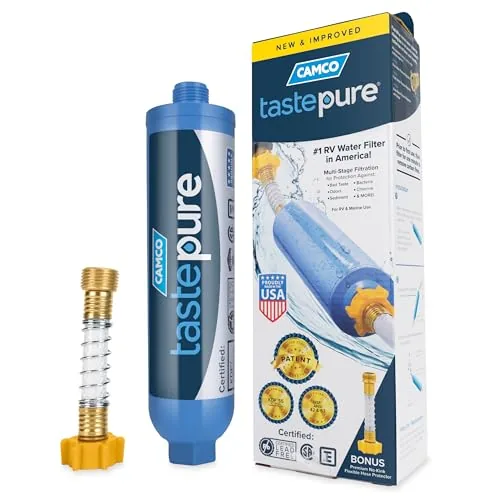
8 Best Water Filters For Rv Living (2026 Review Guide)
Jul 28, 2026
6 Best Whole House Water Filters For Well Water (2026 Review Guide)
Jul 25, 2026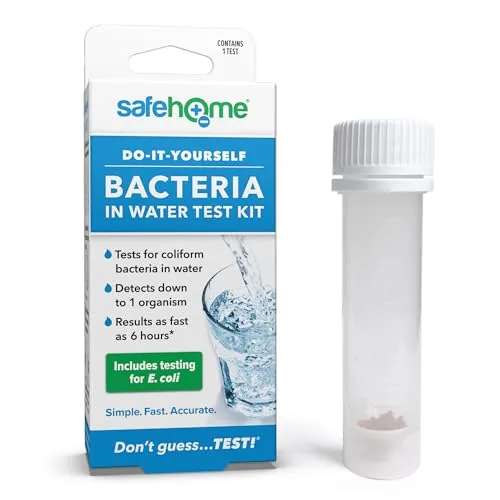
6 Best Bacteria Water Test Kits (2026 Review Guide)
Aug 3, 2026