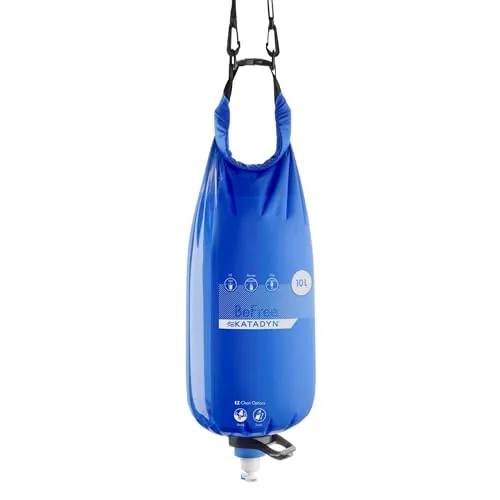
As low as $12
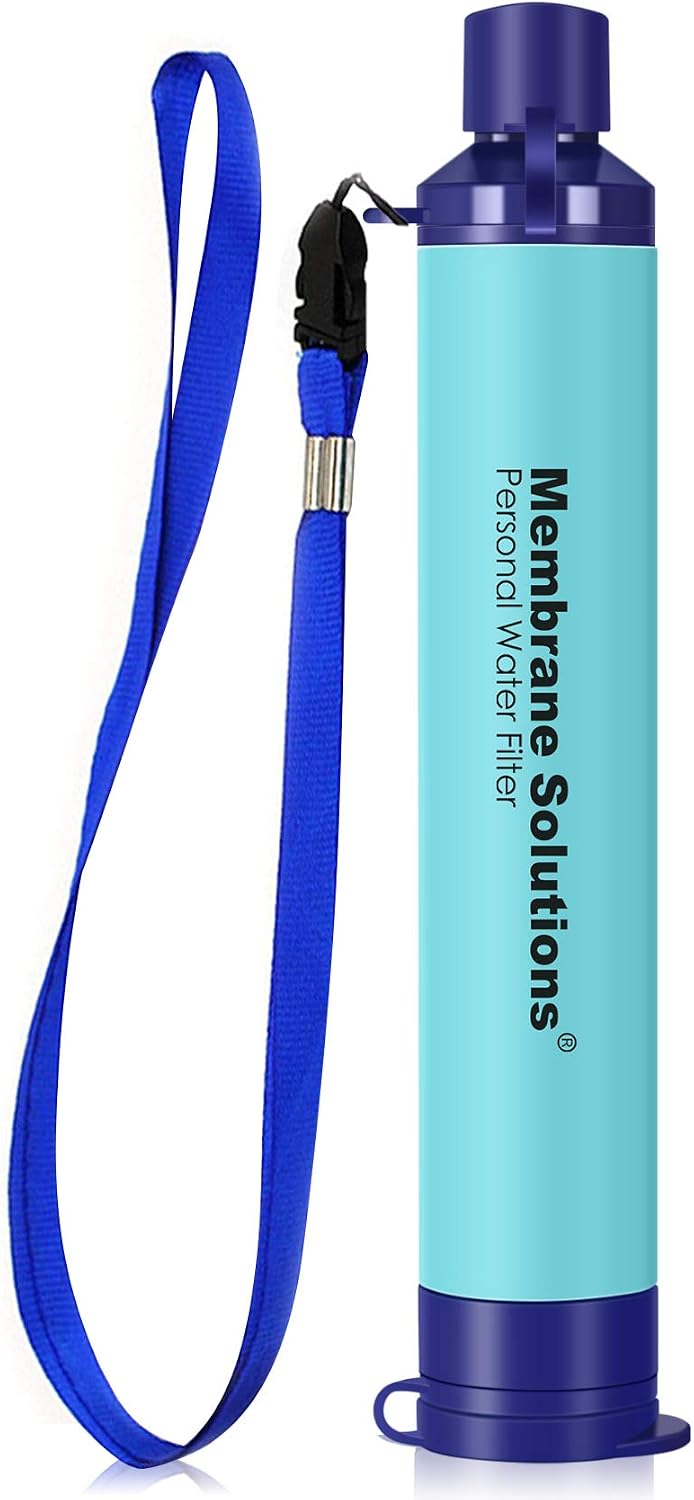
Built for travel, hiking & emergencies - drink safely whether the water is unsafe or just tastes off.
- NSF/ANSI 42, 372 & 401 certified, 0.1 micron filtration
- Filters up to 1,320 gallons - no batteries or pumping
- Ultralight - fits in any bag or pocket
- BPA-free, compatible with standard 28mm bottle threads
Tap water in Tanzania is generally not safe for travelers to drink without treatment. While urban water infrastructure has improved in cities like Dar es Salaam and Arusha, contamination from aging pipes, inconsistent treatment, and microbial pathogens remains a significant concern. Travelers should rely on bottled, boiled, or filtered water throughout their visit.
Quick Reference
| Concern | Our Advice | |
|---|---|---|
| Drink tap water? | ❌ | Use bottled or filtered water |
| Brush teeth? | ❌ | Use bottled or filtered water |
| Wash fruits / veg? | ❌ | Wash with filtered or bottled water |
| Use ice in drinks? | ❌ | Avoid unless confirmed purified |
| Shower safely? | ✅ | Yes |
| Filter bottle needed? | ❌ | Strongly recommend a Membrane Solutions Filter Straw for all travelers |
| Common risks | Bacterial contamination (E. coli, cholera), Parasitic infections (Giardia, Cryptosporidium), Viral pathogens, Fluoride contamination, Sediment and turbidity, Inadequate chlorination |

Key Statistics


Affiliate links — we earn a small commission at no extra cost to you.
Water Infrastructure & Supply
Tanzania's water infrastructure has evolved significantly since independence in 1961, though it remains underdeveloped compared to international standards. The Dar es Salaam Water and Sewerage Corporation (DAWASCO) serves the largest city, while regional water utilities (known as Urban Water Supply and Sanitation Authorities, or UWSSAs) operate in secondary cities. The National Rural Water Supply and Sanitation Programme (NRWSSP) has been the main vehicle for expanding rural access since 2006.
Urban water treatment plants in Dar es Salaam draw primarily from the Ruvu River, with the Upper Ruvu and Lower Ruvu plants having a combined capacity of approximately 504 million liters per day. However, actual output frequently falls short due to aging infrastructure, power outages, and high non-revenue water losses estimated at 40-50%. Many areas receive intermittent supply, and water pressure drops allow contaminants to enter the distribution network through cracked and corroded pipes.
Major improvement projects are underway, including the World Bank-funded Dar es Salaam Metropolitan Development Project and the Kigamboni New City water supply scheme. The government's Water Sector Development Programme Phase II (WSDP-II) aims to achieve 85% rural and 95% urban water coverage. Also, the Lake Victoria Water Supply Project is expanding treated water access to towns in the Lake Zone. Despite these efforts, significant investment gaps remain, particularly in wastewater treatment and rural distribution networks.
Contamination & Health Risks
The primary health risks from tap water in Tanzania include bacterial contamination from E. coli, Salmonella, and Vibrio cholerae, as well as parasitic infections from Giardia lamblia and Cryptosporidium. Cholera outbreaks occur periodically, particularly during rainy seasons when flooding overwhelms drainage systems and contaminates water sources. The CDC classifies Tanzania as a destination where travelers should avoid tap water entirely.
Naturally occurring fluoride is a notable concern in certain regions, particularly in the Rift Valley areas around Arusha, Manyara, and Singida. Fluoride levels in some groundwater sources exceed 8 mg/L , well above the WHO guideline of 1.5 mg/L , leading to endemic dental and skeletal fluorosis among local populations. Agricultural runoff containing pesticides and fertilizers also affects surface water quality, especially near large-scale farming areas in the Kilimanjaro and Morogoro regions.
For travelers, the most immediate risks are gastrointestinal illnesses including traveler's diarrhea, which affects an estimated 40-60% of visitors to East Africa. Even in upscale hotels in cities like Dar es Salaam and Zanzibar, tap water should not be consumed directly. Swallowing water while showering poses minimal risk, but brushing teeth should be done with bottled or treated water. Ice in drinks is unsafe unless you can confirm it was made with purified water, which is common only in international hotels and high-end restaurants.
Regional Water Quality Breakdown
Dar es Salaam
cautionAs the largest city, Dar es Salaam has the most developed water infrastructure through DAWASCO, but supply is intermittent and pipe contamination is common. Travelers should not drink tap water. Upscale hotels typically have their own filtration systems, but always confirm before consuming.
Zanzibar (Stone Town & Beaches)
avoidZanzibar's water supply relies heavily on aging infrastructure and groundwater that is vulnerable to saltwater intrusion and contamination. Water quality is unreliable even by Tanzanian standards. All visitors should use exclusively bottled or purified water.
Arusha & Kilimanjaro Region
cautionArusha has relatively better water access due to mountain spring sources, but fluoride contamination in groundwater is a significant concern in this Rift Valley area. Safari lodges near Ngorongoro and Serengeti typically provide purified or bottled water for guests.
Mwanza & Lake Victoria Region
avoidWater drawn from Lake Victoria faces contamination from industrial discharge, agricultural runoff, and sewage. Treatment capacity is limited, and waterborne disease outbreaks are more frequent here. Bottled water is essential.
Dodoma (Capital City)
cautionAs the official capital, Dodoma has received investment in water infrastructure, but the semi-arid climate causes frequent water scarcity. Groundwater sources may have elevated mineral content. Travelers should rely on bottled water.
Rural Areas & National Parks
avoidRural Tanzania has the lowest rates of access to treated water, with many communities relying on untreated surface water or shallow wells. Visitors to national parks and remote areas should carry sufficient purified water or reliable filtration devices at all times.
Practical Tips for Travelers
- Always carry a reliable filter bottle (such as LifeStraw Go or Grayl GeoPress) when traveling in Tanzania , it's essential for safari trips, hiking, and areas where bottled water may not be readily available. Strongly recommend the Membrane Solutions Filter Straw.
- In Swahili, ask for bottled water by saying 'Maji ya chupa, tafadhali' (Bottled water, please) or 'Maji safi' (clean water) to ensure you receive sealed, purified water.
- Check that bottled water seals are intact before purchasing , refilled bottles with broken seals are occasionally sold, especially from street vendors.
- Avoid ice in drinks unless you're at an international hotel or high-end restaurant that confirms they use purified water for ice-making.
- Brush your teeth with bottled or filtered water only. Keep a bottle next to your sink as a reminder, and keep your mouth closed while showering.
- Peel all fruits and vegetables yourself, or wash them thoroughly with purified water before eating. Avoid pre-cut fruit from street vendors.
- Pack oral rehydration salts (ORS) and anti-diarrheal medication as a precaution. Traveler's diarrhea is common, and prompt treatment prevents dehydration.
- When on safari, ask your lodge or camp about their water purification system , many reputable operators provide filtered or UV-treated water for refilling bottles, which reduces plastic waste.
Bottled Water Availability & Cost
Bottled water is widely available throughout Tanzania, including in remote areas and national parks. Popular local brands include Kilimanjaro, Uhai, and Afya, while international brands like Dasani (Coca-Cola) are also common. A 500ml bottle typically costs 500-1,000 Tanzanian Shillings (approximately $0.20-$0.40 USD), while a 1.5L bottle ranges from 1,000-2,000 TSh ($0.40-$0.80 USD). In tourist areas, lodges, and national parks, prices can be 2-3 times higher, with a 500ml bottle reaching 2,000-3,000 TSh.
Buying water in bulk (5L or 20L containers) from supermarkets in cities is significantly more economical if you're staying in one location. A 5-liter jerrycan of purified water costs around 3,000-5,000 TSh ($1.20-$2.00 USD). Many safari lodges and eco-lodges now provide refill stations with filtered water to reduce plastic waste , bringing a reusable filter bottle like a LifeStraw or Grayl is both cost-effective and environmentally responsible. Tanzania has a growing plastic waste problem, so minimizing single-use bottle consumption is encouraged.
Frequently Asked Questions
Can I brush my teeth with tap water in Tanzania?
No, it's recommended to use bottled or filtered water for brushing your teeth throughout Tanzania. Tap water may contain bacteria and parasites that can cause gastrointestinal illness even in small amounts. Keep a bottle of purified water next to your sink.
Is it safe to shower in Tanzanian tap water?
Yes, showering in tap water is generally safe as long as you avoid swallowing any water and keep your mouth closed. The skin provides an effective barrier against most waterborne pathogens. If you have open wounds or cuts, consider covering them before showering.
Is ice safe in drinks in Tanzania?
Ice should be avoided in most settings in Tanzania, as it's often made from untreated tap water. In international hotels and high-end restaurants, ice is typically made from purified water, but it's always worth asking. When in doubt, order drinks without ice.
Is it safe to eat salads and raw vegetables in Tanzania?
Raw salads and vegetables washed in tap water pose a risk of contamination. In upscale restaurants and hotels that wash produce in purified water, salads are generally safe. At local restaurants and street food stalls, opt for cooked foods and fruits you can peel yourself.
How much does bottled water cost in Tanzania?
A 500ml bottle costs approximately 500-1,000 Tanzanian Shillings ($0.20-$0.40 USD) in shops, while a 1.5L bottle runs 1,000-2,000 TSh ($0.40-$0.80 USD). Prices are significantly higher in tourist areas, national parks, and safari lodges, where a small bottle can cost $1-$2 USD or more.
Do hotels in Tanzania provide safe drinking water?
Most mid-range to high-end hotels provide complimentary bottled water in rooms and have filtration systems for their restaurants. Budget guesthouses may not, so always check. Safari lodges and camps typically provide purified water for guests. Never assume hotel tap water is safe to drink.
What about water safety on Mount Kilimanjaro treks?
Stream and river water on Kilimanjaro is not safe to drink untreated. Reputable trekking companies boil or purify water for their clients. Bring water purification tablets or a UV purifier (like a SteriPEN) as a backup. Staying hydrated at altitude is crucial, so ensure you have reliable access to at least 3-4 liters of safe water per day.
Is the water safe to drink in Zanzibar resorts?
High-end resorts in Zanzibar typically have their own water purification systems and provide safe drinking water. However, you should confirm this with your specific resort. Outside resort grounds , in Stone Town, local restaurants, and public areas , always drink bottled water only. Zanzibar's general water infrastructure is less reliable than mainland cities.
Traveling Nearby?
Check tap water safety in neighboring countries:
Burundi DR Congo Kenya Malawi Mozambique Uganda ZambiaInteresting Product Reviews
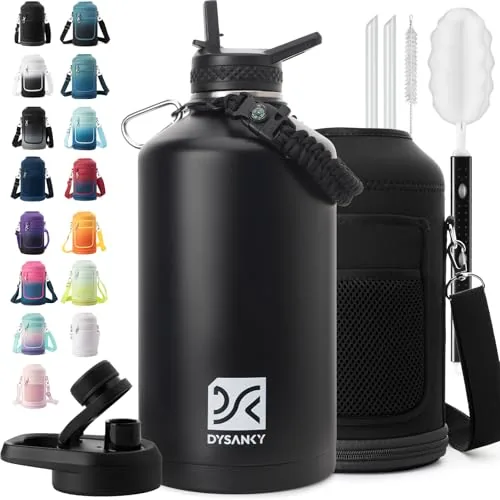
9 Best Gallon Water Jugs (2026 Review Guide)
Aug 8, 2026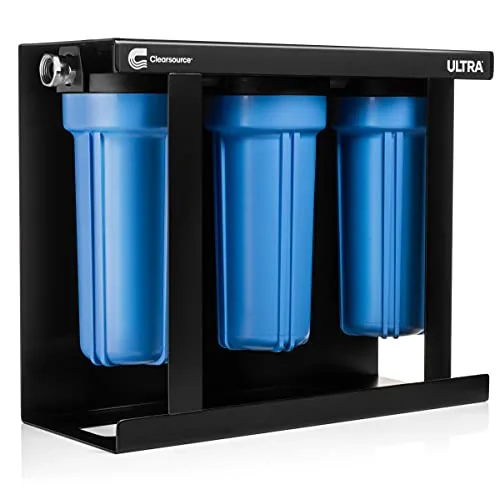
7 Best Water Filters For Bacteria And Viruses (2026 Review Guide)
Jul 31, 2026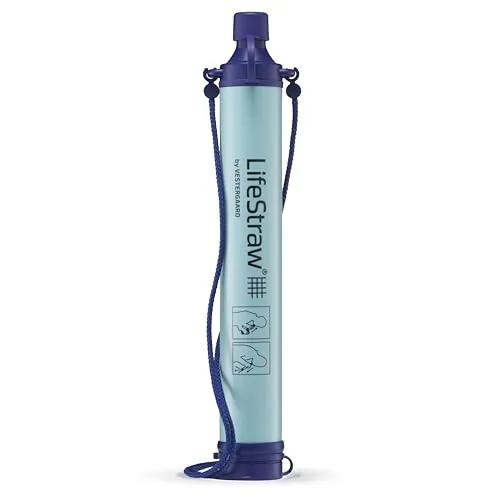
9 Best Water Filters For Backpacking (2026 Review Guide)
Jul 19, 2026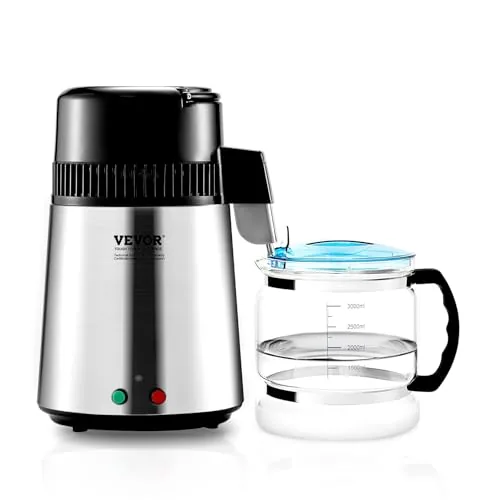
9 Best Water Distillers For Home Use (2026 Review Guide)
Jul 27, 2026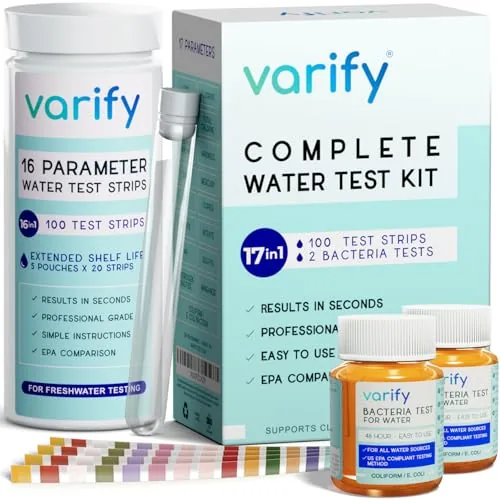
8 Best Lead Water Test Kits (2026 Review Guide)
Aug 3, 2026