Around $20
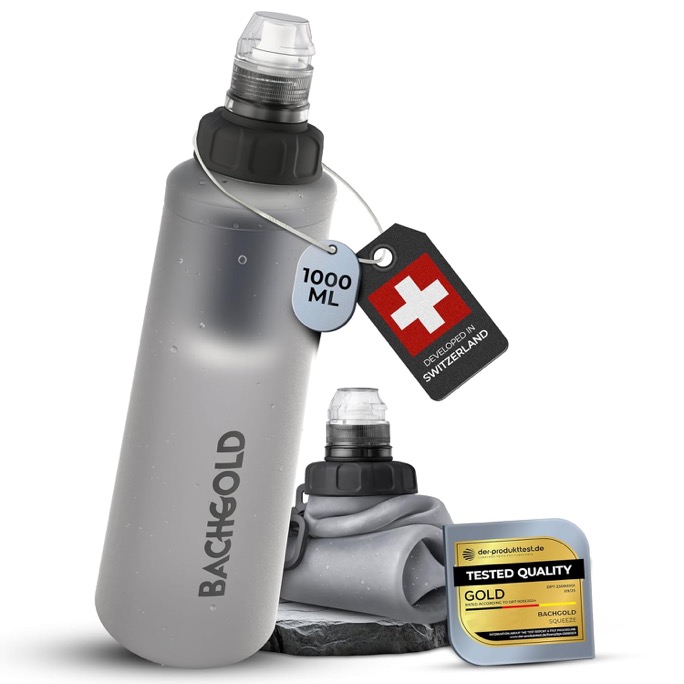
Built for travel, hiking & emergencies - drink safely whether the water is unsafe or just tastes off.
- 2-stage filtration: nanofiber layer + 0.2 micron hollow fiber membrane
- Rinse to restore flow - no replacement cartridges needed
- Collapsible 1L bottle - folds flat to pocket size
- Leak-resistant, taste-neutral, designed in Switzerland
Tap water in Syria is generally unsafe for travelers to drink. Years of civil conflict have severely damaged water infrastructure across the country, leading to widespread contamination risks including bacterial pathogens and chemical pollutants. Travelers should rely exclusively on bottled or properly treated water during their visit.
Quick Reference
| Concern | Our Advice | |
|---|---|---|
| Drink tap water? | ❌ | Use bottled or filtered water |
| Brush teeth? | ❌ | Use bottled or filtered water |
| Wash fruits / veg? | ❌ | Wash with filtered or bottled water |
| Use ice in drinks? | ❌ | Avoid unless confirmed purified |
| Shower safely? | ✅ | Yes |
| Filter bottle needed? | ❌ | Strongly recommend a Bachgold Squeeze Filter Bottle for all travelers |
| Common risks | Bacterial contamination, Waterborne diseases, Cholera, Hepatitis A, Heavy metals, Sewage contamination, Infrastructure damage |

Key Statistics


Affiliate links — we earn a small commission at no extra cost to you.
Water Infrastructure & Supply
Before the conflict that began in 2011, Syria had a relatively developed water supply system, with most urban areas connected to piped water networks. The country relied heavily on the Euphrates River, Orontes River, and extensive groundwater resources. Major cities like Damascus and Aleppo had centralized treatment plants and distribution networks, and approximately 90% of the population had access to improved water sources.
The prolonged conflict caused catastrophic damage to water infrastructure. Pumping stations, treatment plants, pipelines, and sewage systems were directly targeted or suffered collateral damage throughout the war. UNICEF has estimated that water systems operate at roughly 50% of pre-conflict capacity. In cities like Aleppo, Raqqa, and Deir ez-Zor, entire neighborhoods lost piped water access for years, forcing residents to rely on water trucking, private wells of uncertain quality, and untreated surface water.
Reconstruction and rehabilitation efforts are ongoing but face enormous challenges. International organizations including UNICEF, ICRC, and various NGOs have invested in emergency water supply and rehabilitation of pumping stations. However, widespread fuel shortages, lack of spare parts, and continued instability hamper systematic recovery. Groundwater sources have been over-exploited during the conflict, and saltwater intrusion affects coastal aquifers near Latakia and Tartous.
Contamination & Health Risks
The primary health risks from water in Syria are acute waterborne diseases. The 2022 cholera outbreak, the country's first in decades, resulted in approximately 57,000 suspected cases across multiple governorates, directly linked to contaminated water and failing sanitation systems. Hepatitis A, typhoid fever, and acute diarrheal diseases remain endemic threats, particularly during summer months when water scarcity peaks and contamination risks increase.
Sewage contamination is a critical concern throughout the country. Damaged wastewater treatment infrastructure means raw or partially treated sewage frequently enters water sources, including rivers and shallow groundwater used for drinking. Industrial contamination from destroyed facilities and military remnants adds chemical pollutants including heavy metals and hydrocarbons to surface and groundwater sources in conflict-affected areas.
For travelers, the risks are significant and should not be underestimated. Even in areas where piped water is available, intermittent supply causes pressure drops that allow contaminants to enter distribution networks through cracked pipes. Water storage in household tanks and rooftop containers, a necessity due to irregular supply, creates additional risks of bacterial growth. Travelers should treat all tap water as potentially contaminated and avoid consuming ice, raw vegetables washed in tap water, and any unbottled beverages.
Regional Water Quality Breakdown
Damascus
cautionDamascus has the most intact water infrastructure in Syria, with Ain al-Fijeh and Barada springs supplying much of the city. However, infrastructure damage, intermittent supply, and aging pipe networks mean tap water quality is inconsistent. Travelers should still use bottled or filtered water.
Aleppo
avoidAleppo suffered enormous infrastructure destruction during the conflict. The Alouk water station and local networks have been repeatedly disrupted. While rehabilitation is underway, water quality remains unreliable and bacterial contamination risks are high.
Latakia & Tartous (Coastal Region)
cautionThe coastal cities experienced less direct conflict damage, and water infrastructure is relatively more functional. However, saltwater intrusion affects some groundwater sources, and distribution networks still suffer from intermittent supply and aging infrastructure.
Raqqa
avoidRaqqa's water and sewage systems were devastated during the battle to retake the city from ISIS. Despite significant rehabilitation work by international organizations, water quality remains poor and contamination from destroyed infrastructure and unexploded ordnance sites poses ongoing risks.
Homs
avoidHoms experienced severe conflict damage, particularly in the old city and surrounding neighborhoods. Water treatment and distribution systems are partially restored but operate below capacity. Sewage contamination of water sources remains a serious concern.
Northeast Syria (Al-Hasakah)
avoidThe Alouk water station, the primary water source for Al-Hasakah and surrounding areas, has been repeatedly shut down due to conflict dynamics. Hundreds of thousands of people face chronic water shortages, and available water sources carry significant contamination risks.
Practical Tips for Travelers
- Always drink sealed bottled water and check that the cap seal is intact before consuming , counterfeit or refilled bottles exist in some markets.
- Carry a portable water filter bottle with a 0.1-micron or finer filter (such as LifeStraw or Grayl) as a backup, especially when traveling outside Damascus. Strongly recommend the Bachgold Squeeze Filter Bottle.
- To ask for bottled water in Arabic, say 'mayy ma'daniyyeh' ( ) meaning mineral water, or 'mayy b'anneh' ( ) for bottled water.
- Avoid ice in drinks unless you are certain it was made with purified water , most local ice production uses untreated tap water.
- Peel all fruits and vegetables rather than just washing them, as rinse water may be contaminated.
- Use bottled water for brushing teeth and rinsing your toothbrush, as even small amounts of contaminated water can cause gastrointestinal illness.
- Bring water purification tablets (chlorine dioxide type) as an emergency backup , they are lightweight and effective against bacteria, viruses, and protozoa.
- In restaurants, request sealed bottles opened at your table and avoid fresh juices that may have been prepared with tap water or washed ice.
Bottled Water Availability & Cost
Bottled water is available in major Syrian cities, though supply can be irregular in some areas. Local brands and imported water from neighboring countries like Lebanon and Turkey are common. A 1.5-liter bottle typically costs between 5,000-15,000 SYP (approximately $0.30-$1.00 USD at current exchange rates, though rates fluctuate significantly). In tourist-oriented areas and hotels in Damascus, prices may be higher, with imported brands costing more. Five-gallon (19-liter) jugs are used widely by residents and cost proportionally less.
Travelers should stock up on bottled water whenever possible, as availability can fluctuate based on supply chains and local conditions. Always verify that bottle seals are intact before purchasing. For extended stays, a high-quality portable water filter or purification tablets offer a more sustainable and reliable backup. UV water purifiers such as SteriPEN devices are also effective for treating clear tap water. Be aware that in some areas, so-called bottled water may actually be refilled local water sold in reused bottles, buy from reputable shops and check seals carefully.
Frequently Asked Questions
Can I brush my teeth with tap water in Syria?
No, it is not recommended. Use bottled or purified water for brushing teeth. The bacterial and viral contamination risks in Syrian tap water can cause gastrointestinal illness even from the small amounts ingested during tooth brushing.
Is it safe to shower in Syrian tap water?
Showering is generally safe as long as you keep your mouth closed and avoid swallowing any water. The skin exposure risk is low, but consider keeping any open wounds or cuts covered. Be especially cautious with young children who might accidentally swallow water.
Is ice safe in drinks at Syrian restaurants?
Ice is generally not safe in Syria unless you can confirm it was made from purified or bottled water, which is rare outside of high-end hotels. Most ice is made from tap water and carries the same contamination risks. Request drinks without ice to be safe.
Do restaurants in Syria serve safe drinking water?
Most restaurants serve tap water that is not safe for travelers. Always request sealed bottled water and verify the seal is intact. In higher-end restaurants in Damascus, filtered water may be offered, but bottled water remains the safest option.
How much does bottled water cost in Syria?
A 1.5-liter bottle of water typically costs 5,000-15,000 SYP (roughly $0.30-$1.00 USD), though prices fluctuate with exchange rates and supply conditions. Imported brands cost more. Buying larger containers (5-gallon jugs) offers better value for longer stays.
Was the 2022 cholera outbreak in Syria resolved?
The major 2022 cholera outbreak was contained through emergency response efforts, but the underlying conditions that caused it, damaged water infrastructure and sewage contamination, persist. Sporadic cases continue to occur, and the risk of future outbreaks remains significant. Travelers should maintain strict water hygiene precautions.
Is Damascus tap water safer than other Syrian cities?
Damascus has the best-preserved water infrastructure in Syria, supplied partly by natural springs. However, intermittent supply, aging pipes, and distribution system contamination mean the water still carries risks for travelers. It is safer relative to cities like Raqqa or Aleppo, but bottled water is still strongly recommended.
Can I use a water filter bottle instead of buying bottled water in Syria?
A high-quality portable water filter (such as Grayl GeoPress or LifeStraw) that removes bacteria, viruses, and protozoa is an excellent backup and more sustainable than buying bottles. However, these filters may not remove all chemical contaminants from heavily polluted sources. Use filtered tap water in cities with functioning systems, but in severely damaged areas, bottled water remains the safest choice.
Traveling Nearby?
Check tap water safety in neighboring countries:
Iraq Israel Jordan Lebanon TurkeyInteresting Product Reviews
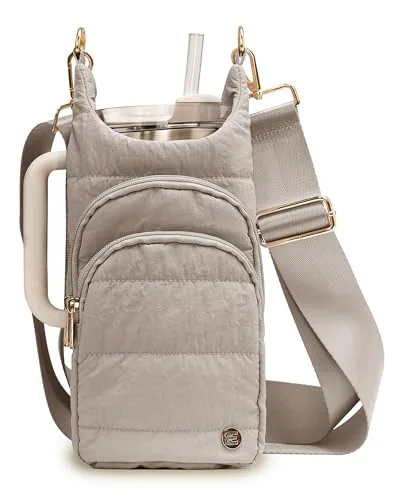
8 Best Water Bottle Carriers And Slings (2026 Review Guide)
Aug 8, 2026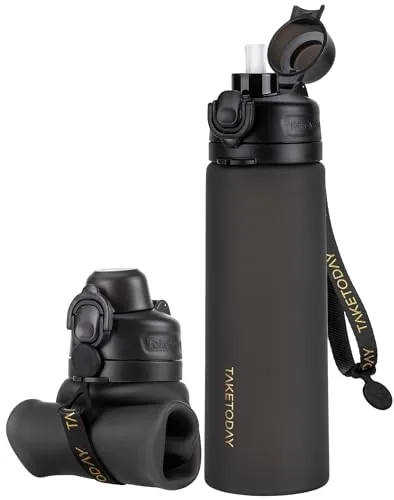
8 Best Collapsible Water Bottles For Travel (2026 Review Guide)
Jul 14, 2026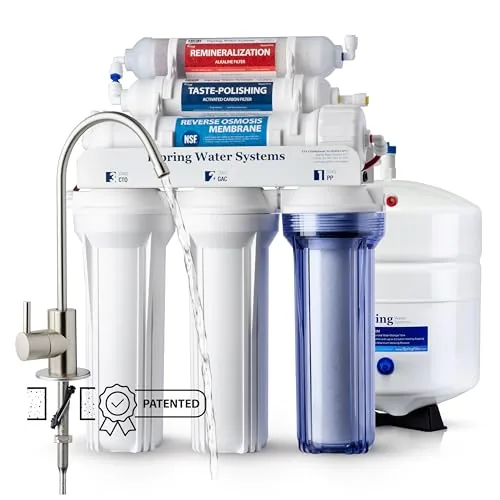
7 Best Alkaline Water Filters (2026 Review Guide)
Jul 27, 2026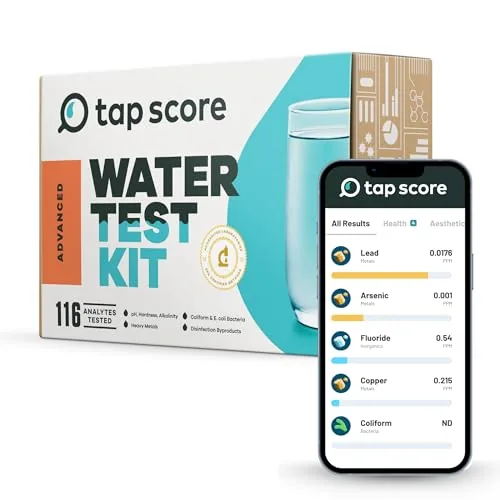
8 Best Water Test Kits For Well Water (2026 Review Guide)
Aug 2, 2026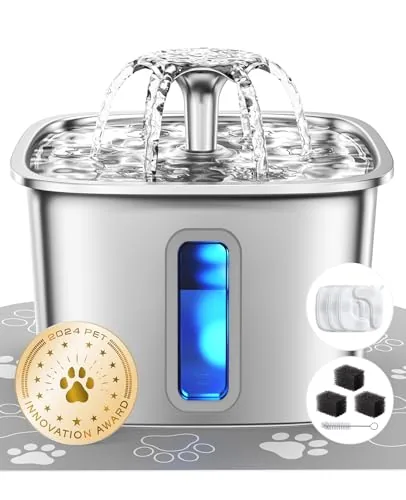
7 Best Automatic Pet Water Dispensers (2026 Review Guide)
Aug 18, 2026