Around $20
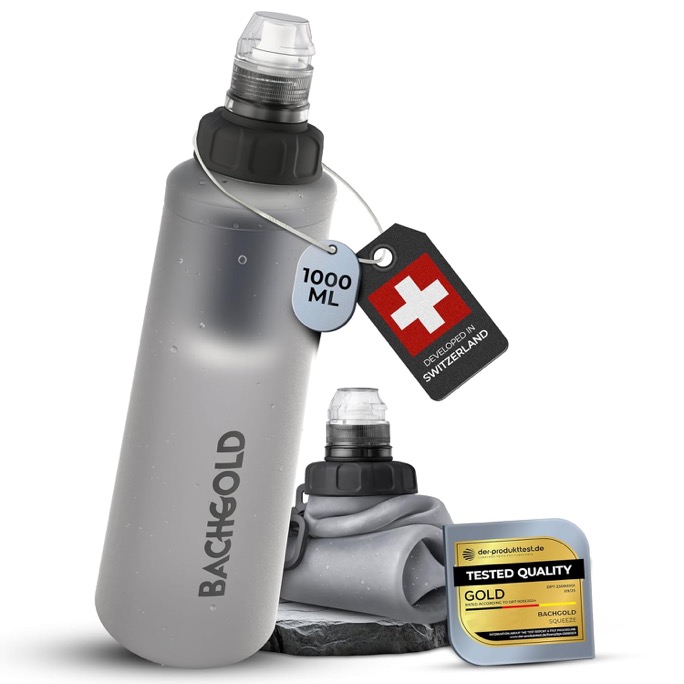
Built for travel, hiking & emergencies - drink safely whether the water is unsafe or just tastes off.
- 2-stage filtration: nanofiber layer + 0.2 micron hollow fiber membrane
- Rinse to restore flow - no replacement cartridges needed
- Collapsible 1L bottle - folds flat to pocket size
- Leak-resistant, taste-neutral, designed in Switzerland
Tap water in Slovakia is generally safe to drink and meets EU water quality standards. The country benefits from abundant natural water sources, including mountain springs in the Tatra and Low Tatra regions. Travelers can confidently drink tap water in most cities and towns, though rural areas with private wells may occasionally have quality variations.
Quick Reference
| Concern | Our Advice | |
|---|---|---|
| Drink tap water? | ✅ | Yes, safe in most areas |
| Brush teeth? | ✅ | Yes, no concerns |
| Wash fruits / veg? | ✅ | Yes, safe to use tap water |
| Use ice in drinks? | ✅ | Yes, safe in restaurants |
| Shower safely? | ✅ | Yes |
| Filter bottle needed? | ✅ | Not necessary, but a Bachgold Squeeze Filter Bottle can improve taste |
| Common risks | Aging pipes in older buildings, Agricultural runoff in rural areas, Nitrate contamination near farmland, Occasional microbiological issues in private wells |

Key Statistics


Affiliate links — we earn a small commission at no extra cost to you.
Water Infrastructure & Supply
Slovakia has a well-established public water supply system that has been significantly modernized since joining the European Union in 2004. The country relies heavily on groundwater sources, which account for approximately 82% of drinking water supply, complemented by surface water reservoirs. Major water utilities such as Bratislavsk vodrensk spolonos and Stredoslovensk vodrensk prevdzkov spolonos manage the distribution networks across the country.
The water treatment process in Slovakia typically involves multi-stage filtration, disinfection using chlorine or chlorine dioxide, and in some cases UV treatment. Water quality is monitored by the Slovak Public Health Authority (rad verejnho zdravotnctva SR) in compliance with EU Drinking Water Directive standards. The country's extensive network of pipelines spans thousands of kilometers, though some sections in older districts still use aging infrastructure that is gradually being replaced.
Significant EU-funded infrastructure projects have been ongoing under the Operational Programme Environment and more recent cohesion funds. These investments have focused on extending public water supply to smaller municipalities, upgrading wastewater treatment plants, and replacing deteriorating pipe networks. Slovakia continues to work toward full compliance with the EU Urban Waste Water Treatment Directive, with particular focus on communities under 2,000 inhabitants.
Contamination & Health Risks
Tap water from public supply systems in Slovakia consistently meets EU standards, with compliance rates above 99% for regulated parameters. The most commonly monitored contaminants include nitrates, heavy metals, pesticide residues, and microbiological indicators, all of which are well within safe limits in the public supply. The Slovak Public Health Authority conducts thousands of water quality tests annually across all regions.
The primary risks are limited and localized. In some agricultural regions, particularly in southern Slovakia (the Danubian Lowland), nitrate levels in private wells can occasionally exceed recommended limits due to fertilizer runoff. Older buildings in historic city centers may still have lead or galvanized steel pipes that could leach trace metals, though municipal water at the source is clean. Travelers staying in very old, unrenovated accommodations should consider running the tap for 30 seconds before drinking.
For travelers, Slovakia presents minimal waterborne health risks. The country has not experienced any significant waterborne disease outbreaks in recent years. Tap water in hotels, restaurants, and public facilities throughout major tourist destinations is safe to consume directly. Those with sensitive stomachs may notice a slight chlorine taste in some areas, which is a sign of proper disinfection rather than a health concern.
Regional Water Quality Breakdown
Bratislava
safeBratislava's water supply is sourced primarily from the itn ostrov (Rye Island) underground reservoir, one of the largest freshwater reserves in Central Europe. Water quality is excellent and consistently meets all EU standards. The city's infrastructure is well-maintained and regularly upgraded.
Koice
safeKoice, Slovakia's second-largest city, draws its water from the Starina reservoir and underground sources. The water quality is very good, with modern treatment facilities ensuring compliance with drinking water standards. Tap water is safe to drink throughout the city.
High Tatras (Vysok Tatry)
safeThe High Tatras region benefits from pristine mountain water sources. Tap water in resort towns like trbsk Pleso, Tatransk Lomnica, and Star Smokovec is of excellent quality. Many natural springs in the area are also safe to drink from and are marked accordingly.
Bansk Bystrica & Central Slovakia
safeCentral Slovakia has reliable water infrastructure with water sourced from mountain springs and reservoirs. Bansk Bystrica and nearby towns like Bansk tiavnica offer safe tap water. The region's mining heritage has been addressed through environmental remediation projects.
ilina & Northern Slovakia
safeilina and the surrounding Povaie region have good water quality sourced from local reservoirs and groundwater. Popular tourist areas like Vrtna dolina and Terchov have safe drinking water. Infrastructure has been modernized with EU funding in recent years.
Southern Rural Areas (Danubian Lowland)
cautionWhile public water supply is safe, some rural communities in the Danubian Lowland still rely on private wells that may have elevated nitrate levels due to intensive agriculture. Travelers staying in rural guesthouses should confirm whether water comes from the public supply or a private well. Public supply water in towns like Nov Zmky and Komrno is safe.
Practical Tips for Travelers
- Carry a filter bottle (e.g., Bachgold Squeeze) — it removes bacteria, parasites, and microplastics from any tap or stream. Strongly recommend the Bachgold Squeeze Filter Bottle.
- Tap water throughout Slovakia's public supply system is safe to drink , save money and reduce plastic waste by carrying a reusable bottle.
- To ask for tap water in a Slovak restaurant, say 'Mem dosta vodu z vodovodu, prosm?' (Can I get tap water, please?). Not all restaurants serve it free, so you may need to order bottled.
- Look for natural spring taps (studniky or pramene) in mountain areas and even some cities , locals regularly fill bottles at these free, tested sources.
- If staying in a very old building with unrenovated plumbing, let the cold tap run for 20-30 seconds in the morning before drinking to flush any standing water from old pipes.
- In rural guesthouses or agrotourism stays in southern Slovakia, ask your host 'Je voda z vodovodu?' (Is the water from the public supply?) to confirm the source.
- Slovak mineral water comes in two types: 'neperliv' (still) and 'perliv' (sparkling). If you prefer still water, always specify when ordering.
- When hiking in the Tatras or Slovak Paradise, bring enough water , while some marked mountain springs are safe, not all streams are drinkable due to livestock grazing at higher pastures.
- Ice in drinks at restaurants and bars throughout Slovakia is made from tap water and is perfectly safe to consume.
Bottled Water Availability & Cost
Bottled water is widely available throughout Slovakia in supermarkets, convenience stores, gas stations, and restaurants. Popular local brands include Budi, Fatra, Rajec, Zlat Studa, and ubovnianka, many of which are sourced from natural mineral springs. A 0.5L bottle typically costs 0.50, 1.00 in shops and 1.50, 3.00 in restaurants. A 1.5L bottle in a supermarket ranges from 0.40 to 0.90.
For budget-conscious travelers, purchasing water in bulk from supermarkets like Tesco, Kaufland, Lidl, or Billa is the most economical option. However, given that tap water is safe throughout the public supply network, carrying a reusable bottle is both cost-effective and environmentally friendly. Many Slovak cities, including Bratislava and Koice, have public drinking fountains and natural spring taps (studniky) where locals regularly fill bottles with fresh water.
Frequently Asked Questions
Can I brush my teeth with tap water in Slovakia?
Yes, tap water in Slovakia is perfectly safe for brushing teeth throughout the country. The water meets EU quality standards and poses no risk for oral hygiene use.
Is it safe to shower in Slovak tap water?
Absolutely. Tap water in Slovakia is safe for showering, bathing, and all personal hygiene purposes. The water is treated and disinfected to EU standards.
Is ice safe in drinks in Slovakia?
Yes, ice served in restaurants, bars, and hotels in Slovakia is made from safe tap water. You can enjoy iced drinks without concern throughout the country.
Do restaurants in Slovakia serve free tap water?
Unlike some Western European countries, Slovak restaurants are not legally obligated to serve free tap water. Many restaurants will provide it if asked, but some may only offer bottled water. It's becoming more common in Bratislava and larger cities to request tap water ('voda z vodovodu').
How much does bottled water cost in Slovakia?
A 0.5L bottle costs approximately 0.50, 1.00 in shops and 1.50, 3.00 in restaurants. A 1.5L bottle from a supermarket costs 0.40, 0.90. Since tap water is safe, you can save significantly by using a reusable bottle.
Is the water safe to drink in the Slovak countryside?
Water from the public supply system is safe throughout Slovakia, including rural areas. However, some rural properties may use private wells, which are not always regularly tested. If you're unsure, ask your accommodation whether they are connected to the public water supply.
Why does Slovak tap water sometimes taste like chlorine?
A slight chlorine taste is normal and indicates proper disinfection of the water supply. Slovakia uses chlorine or chlorine dioxide for water treatment, which is standard EU practice. The levels are well within safe limits. If the taste bothers you, filling a jug and leaving it in the fridge for an hour will allow the chlorine to dissipate.
Can I drink water from mountain springs in Slovakia?
Many natural springs in Slovakia are tested and marked as safe for drinking , look for signs indicating 'pitn voda' (drinking water). These are popular with locals and offer excellent water quality. However, avoid drinking from unmarked streams or springs, as they may be contaminated by livestock or natural mineral content.
Traveling Nearby?
Check tap water safety in neighboring countries:
Austria Czech Republic Hungary Poland UkraineInteresting Product Reviews
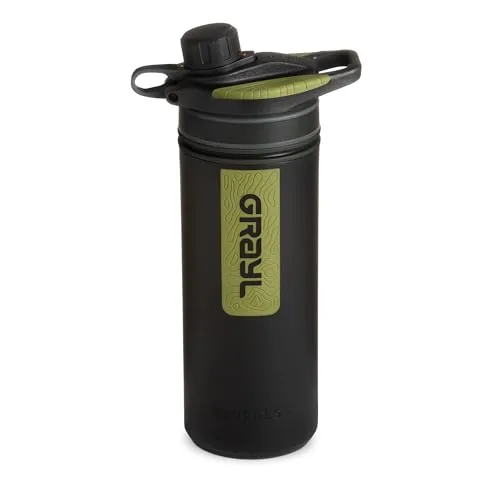
6 Best Water Purifier Bottles For Travel (2026 Review Guide)
Jul 9, 2026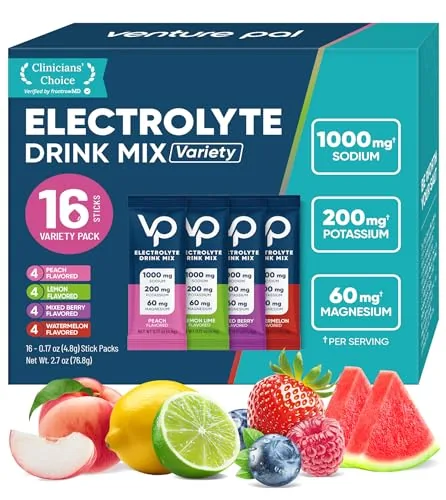
7 Best Electrolyte Drinks And Powders (2026 Review Guide)
Aug 9, 2026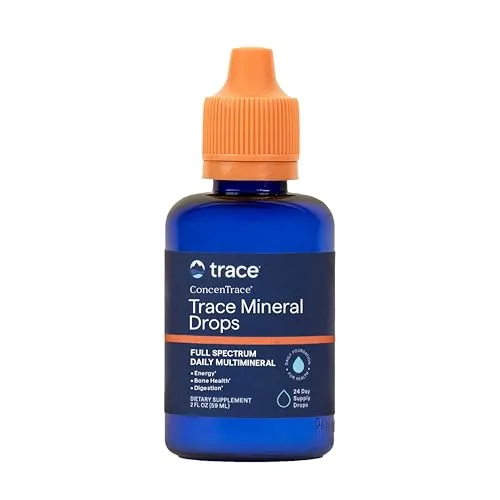
6 Best Mineral Drops For Drinking Water (2026 Review Guide)
Aug 9, 2026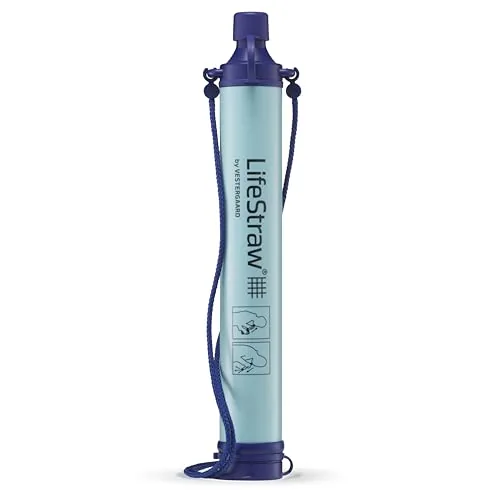
7 Best Water Filters For Giardia And Cryptosporidium (2026 Review Guide)
Jul 31, 2026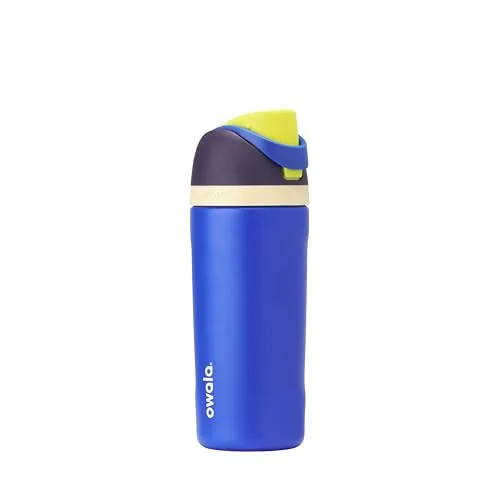
6 Best Water Bottles For Kids (2026 Review Guide)
Aug 7, 2026