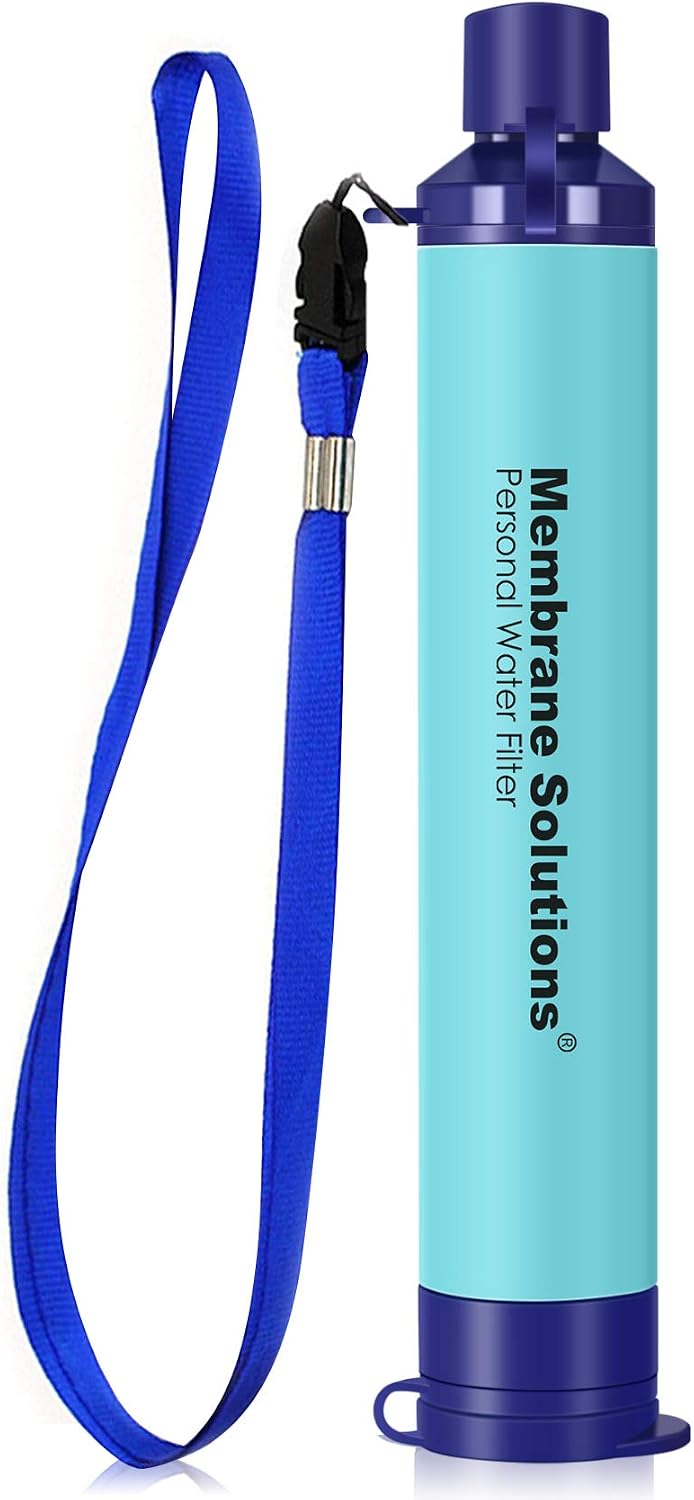
As low as $12
Built for travel, hiking & emergencies - drink safely whether the water is unsafe or just tastes off.
- NSF/ANSI 42, 372 & 401 certified, 0.1 micron filtration
- Filters up to 1,320 gallons - no batteries or pumping
- Ultralight - fits in any bag or pocket
- BPA-free, compatible with standard 28mm bottle threads
Tap water in Malta is technically safe to drink as it meets EU drinking water standards, but most locals and travelers avoid it due to its strong mineral taste caused by high chloride and mineral content from desalination and limestone geology. Bottled water is widely consumed across the islands. Travelers with sensitive stomachs may prefer bottled or filtered water, though using tap water for brushing teeth and cooking is generally fine.
Quick Reference
| Concern | Our Advice | |
|---|---|---|
| Drink tap water? | ✅ | Yes, safe in most areas |
| Brush teeth? | ✅ | Yes, no concerns |
| Wash fruits / veg? | ✅ | Yes, safe to use tap water |
| Use ice in drinks? | ✅ | Yes, safe in restaurants |
| Shower safely? | ✅ | Yes |
| Filter bottle needed? | ❌ | Strongly recommend a Membrane Solutions Filter Straw for all travelers |
| Common risks | High mineral content, Chlorination byproducts, Elevated chloride levels, Nitrate contamination in groundwater, Hard water deposits |

Key Statistics


Affiliate links — we earn a small commission at no extra cost to you.
Water Infrastructure & Supply
Malta's water infrastructure is managed by the Water Services Corporation (WSC), a government entity established in 1992. The islands have historically faced severe freshwater scarcity due to their semi-arid Mediterranean climate and small size, leading to early adoption of reverse osmosis desalination technology in the 1980s. Today, Malta operates three major reverse osmosis plants at Pembroke, Lapsi, and irkewwa, which together produce over half of the country's drinking water supply.
The remaining water supply comes from groundwater extracted through a network of boreholes and galleries tapping into the Upper and Lower Coralline Limestone aquifers and the mean sea-level aquifer system. The WSC blends desalinated water with treated groundwater before distribution through approximately 2,000 km of pipes serving over 250,000 connections. Water undergoes chlorination for disinfection and is regularly tested at over 1,500 sampling points across the distribution network.
Significant investment has been made through EU-funded projects to modernize the water network, reduce non-revenue water losses (which dropped from over 40% to around 22%), and improve energy efficiency of desalination plants using renewable energy sources. The WSC has also invested in new polishing reverse osmosis technology to further improve the taste and reduce mineral content of blended water, with upgrades continuing through 2025-2026.
Contamination & Health Risks
Malta's tap water consistently meets EU Drinking Water Directive standards, with compliance rates exceeding 99% across all monitored parameters. However, the water's high mineral content , particularly calcium, magnesium, and chloride , gives it a distinctive hard, slightly salty taste that many find unpalatable. Historical concerns about nitrate contamination in groundwater from agricultural activities have been addressed through increased reliance on desalinated water and stricter groundwater management.
The primary health concern for travelers is not acute contamination but rather the taste and potential digestive discomfort from unfamiliar mineral profiles. Some older buildings, particularly in Valletta and the Three Cities, may have aging internal plumbing that could leach trace metals into standing water. Trihalomethane (THM) levels from chlorination have occasionally been flagged in monitoring reports, though they remain within EU regulatory limits.
For most healthy travelers, drinking Malta's tap water poses no significant health risk. Those with kidney conditions or on low-sodium diets should be aware of the elevated mineral content. Running the tap for 30 seconds before drinking can help flush any standing water from internal pipes, and a carbon filter can significantly improve taste while removing residual chlorine and potential trace contaminants.
Regional Water Quality Breakdown
Valletta & Grand Harbour Area
cautionWater meets safety standards but older buildings in the historic capital may have aging internal plumbing. The water has a noticeable mineral taste. Running the tap before drinking and using a filter is recommended.
Sliema, St Julian's & Paceville
safeThese popular tourist areas have more modern infrastructure and reliable water supply. Tap water is safe to drink, though the taste remains characteristically hard and minerally. Most hotels and restaurants serve bottled water.
Gozo (Victoria, Marsalforn, Xlendi)
cautionGozo receives water from its own groundwater sources supplemented by a submarine pipeline from Malta. Water quality meets EU standards but may have higher mineral content than the main island. Many visitors prefer bottled water here.
Melliea & Northern Malta
safeNorthern Malta benefits from proximity to the irkewwa desalination plant. Water quality is consistent and safe, though the hard mineral taste persists. Tourist resorts in this area typically provide filtered or bottled water options.
Mdina & Central Malta
safeCentral Malta has reliable water infrastructure with blended desalinated and groundwater supply. The historic areas of Mdina and Rabat have maintained plumbing systems, and water is safe for all daily uses.
Marsaxlokk & Southern Malta
cautionSouthern Malta relies more heavily on groundwater which can have elevated nitrate and mineral levels from agricultural activity. While still within EU limits, taste may be more pronounced. A filter bottle is particularly useful here.
Practical Tips for Travelers
- Carry a filter bottle with a carbon filter to significantly improve tap water taste , brands like Brita, LifeStraw, or GRAYL work well for removing the strong mineral and chlorine flavor common in Maltese tap water. Strongly recommend the Membrane Solutions Filter Straw.
- In Maltese, you can ask for bottled water by saying 'Ilma fil-flixkun, jekk jogbok' (Water in a bottle, please), or simply say 'Still water, please' as English is an official language and universally spoken.
- Run the cold tap for 20-30 seconds before filling your glass, especially in older buildings in Valletta, the Three Cities, or Gozo, to flush out any standing water from internal pipes.
- Buy 5-liter water jugs from supermarkets like Lidl, Pavi, or PAMA for your accommodation , they cost around 1.00, 1.50 and are far more economical and eco-friendly than individual bottles.
- Ice in drinks at restaurants, bars, and hotels in tourist areas is made from treated water and is safe to consume , Malta follows EU food safety regulations strictly.
- If you're staying in a self-catering apartment, check if a water filter jug is provided , many Maltese landlords and Airbnb hosts now include one as standard.
- The WSC website (wsc.com.mt) publishes real-time water quality data , check it if you want specific information about water quality in your area of stay.
- Stay well hydrated during Malta's hot summers (June-September) when temperatures often exceed 35C , carry water at all times, especially when visiting open-air sites like aar Qim or the Blue Grotto.
Bottled Water Availability & Cost
Bottled water is extremely popular in Malta and readily available at every supermarket, convenience store, restaurant, and hotel. The most common local brand is San Michel, while international brands like Evian, Vittel, and various Italian mineral waters are also widely sold. A 1.5-liter bottle of still water typically costs 0.50, 1.00 at supermarkets, while a 500ml bottle from a convenience store or tourist area kiosk may cost 1.00, 2.00. In restaurants, a bottle of water generally costs 1.50, 4.00 depending on the establishment.
Buying larger 5-liter containers from supermarkets like Lidl, Pavi, or PAMA is the most economical approach, costing around 1.00, 1.50. Travelers can also invest in a reusable filter bottle to improve tap water taste while reducing plastic waste , an important consideration given Malta's limited landfill capacity and environmental challenges. Some hotels and rental accommodations now provide water filter jugs, reflecting growing sustainability awareness on the islands.
Frequently Asked Questions
Can I brush my teeth with tap water in Malta?
Yes, tap water in Malta is perfectly safe for brushing teeth. It meets EU drinking water standards and poses no health risk for oral hygiene use. The taste may be slightly mineral-heavy but this is completely harmless.
Is it safe to shower in Malta's tap water?
Absolutely. Showering in Malta's tap water is completely safe. The water's high mineral content may leave your skin feeling slightly dry and your hair a bit stiff , using a moisturizer and conditioner can help counteract the effects of hard water.
Is ice in drinks safe in Malta?
Yes, ice in Malta is safe. All commercial ice production and restaurant ice machines use treated water that meets EU standards. You can confidently order ice in your drinks at any bar, restaurant, or hotel across Malta and Gozo.
Why does Malta's tap water taste bad if it's safe?
Malta's tap water has a strong mineral taste due to the high calcium, magnesium, and chloride content from both the limestone geology and the desalination process. Residual chlorine used for disinfection also contributes to the taste. While unpleasant to many, these minerals are not harmful and actually meet all EU safety parameters.
Do restaurants in Malta serve tap water?
Most restaurants in Malta serve bottled water rather than tap water, and it's customary to order a bottle of still or sparkling water with your meal. Some more casual or eco-conscious establishments may offer filtered tap water if you ask. Expect to pay 1.50, 4.00 for a bottle of water at restaurants.
How much does bottled water cost in Malta?
Bottled water is affordable in Malta. A 1.5-liter bottle costs 0.50, 1.00 at supermarkets, while a 500ml bottle from convenience stores costs 1.00, 2.00. In restaurants and tourist areas, prices range from 1.50, 4.00. Buying larger 5-liter containers from supermarkets is the most economical option.
Is the tap water quality different in Gozo compared to Malta?
Gozo's water supply differs slightly from Malta's main island. It relies more on local groundwater supplemented by water pumped from Malta via a submarine pipeline. The water meets the same EU safety standards but may have a slightly different mineral profile and taste. Many Gozo visitors prefer bottled or filtered water.
Can I use Malta's tap water to make baby formula?
While Malta's tap water is technically safe, its high mineral content may not be ideal for preparing infant formula. Pediatricians in Malta often recommend using low-mineral bottled water (look for 'suitable for infant feeding' labels) for babies. San Michel Natural still water or similar low-sodium options are readily available at pharmacies and supermarkets.
Interesting Product Reviews
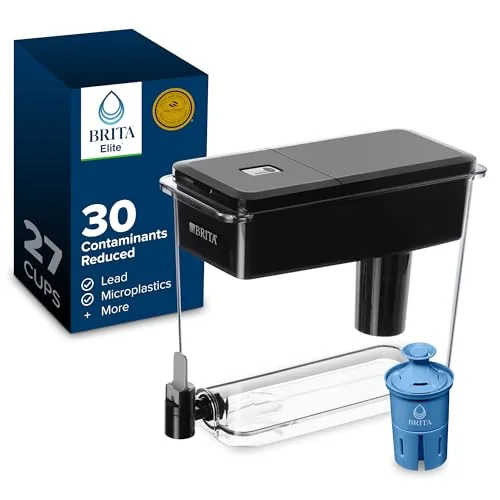
9 Best Water Filter Dispensers (2026 Review Guide)
Jun 27, 2026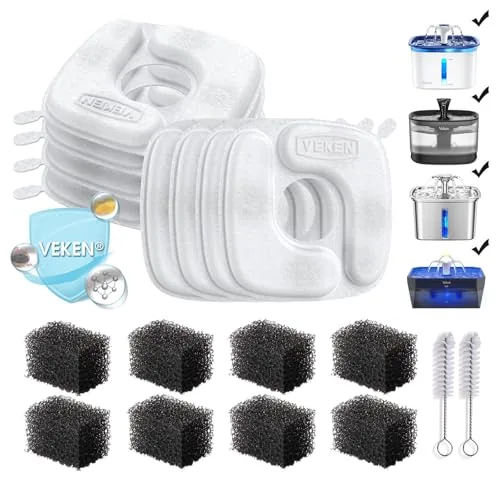
7 Best Water Filters For Pets (2026 Review Guide)
Aug 4, 2026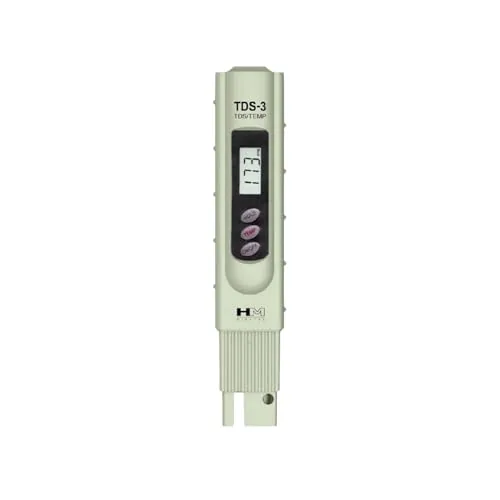
6 Best Tds Meters (2026 Review Guide)
Aug 3, 2026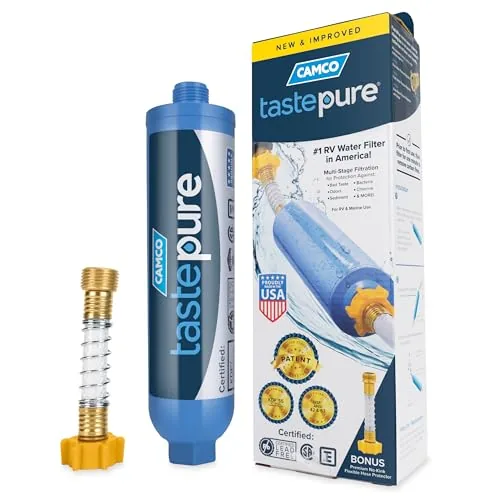
8 Best Water Filters For Rv Living (2026 Review Guide)
Jul 28, 2026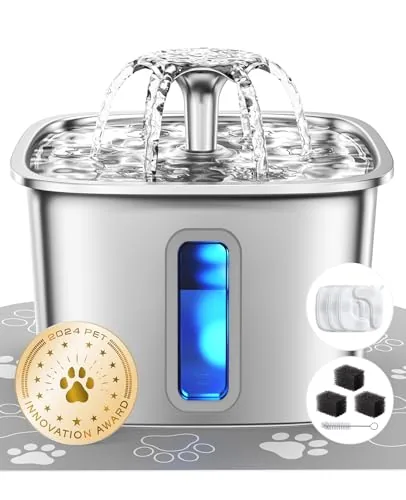
7 Best Automatic Pet Water Dispensers (2026 Review Guide)
Aug 18, 2026