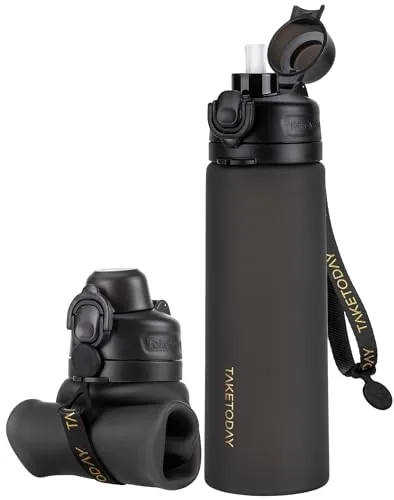
As low as $12
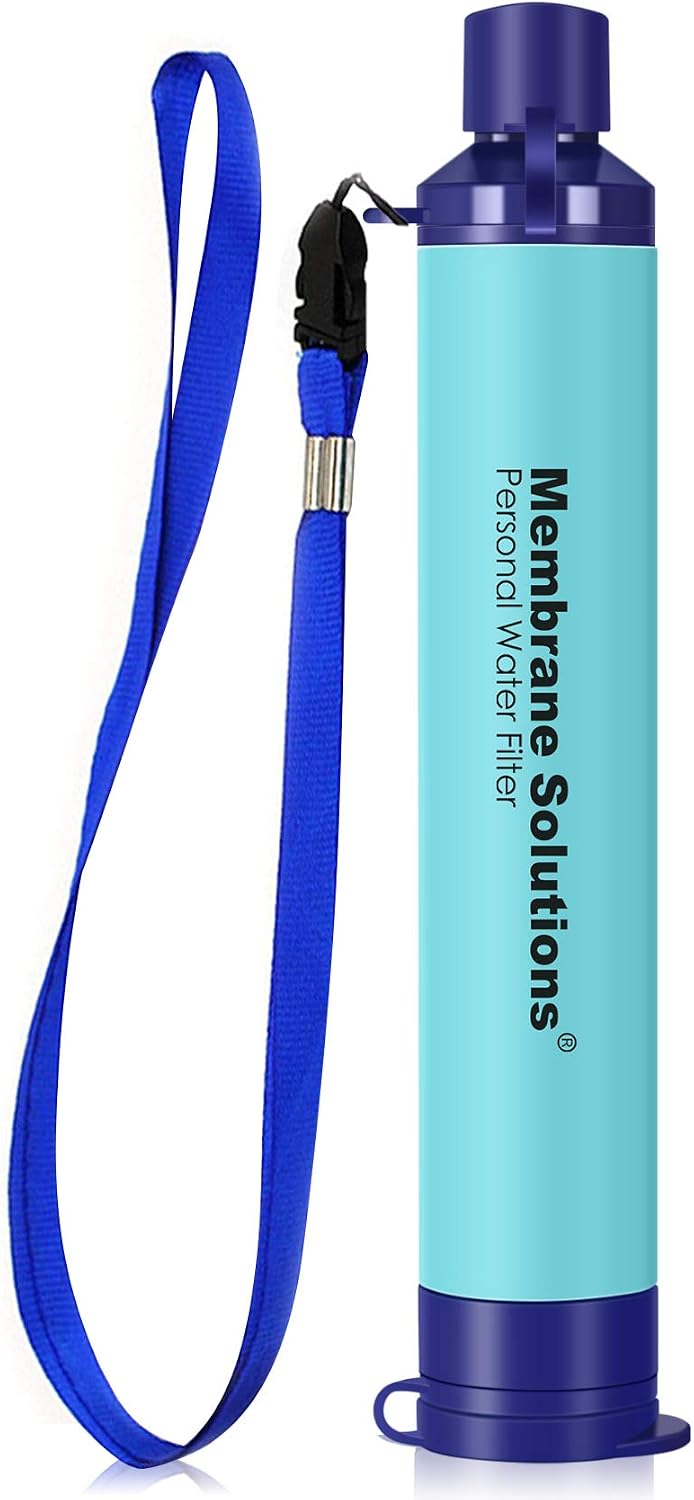
Built for travel, hiking & emergencies - drink safely whether the water is unsafe or just tastes off.
- NSF/ANSI 42, 372 & 401 certified, 0.1 micron filtration
- Filters up to 1,320 gallons - no batteries or pumping
- Ultralight - fits in any bag or pocket
- BPA-free, compatible with standard 28mm bottle threads
Finland's tap water is among the safest and highest quality in the world. Sourced primarily from pristine groundwater and surface water that undergoes rigorous treatment, Finnish tap water consistently meets or exceeds EU and WHO drinking water standards. Travelers can confidently drink tap water anywhere in Finland without concern.
Quick Reference
| Concern | Our Advice | |
|---|---|---|
| Drink tap water? | ✅ | Yes, safe in most areas |
| Brush teeth? | ✅ | Yes, no concerns |
| Wash fruits / veg? | ✅ | Yes, safe to use tap water |
| Use ice in drinks? | ✅ | Yes, safe in restaurants |
| Shower safely? | ✅ | Yes |
| Filter bottle needed? | ✅ | Not necessary, but a Membrane Solutions Filter Straw can improve taste |
| Common risks | Minor seasonal variations in surface water sources, Aging pipes in some older buildings, Naturally occurring radon in some well water in rural areas |

Key Statistics


Affiliate links — we earn a small commission at no extra cost to you.
Water Infrastructure & Supply
Finland has a long history of investing in clean water infrastructure, dating back to the early 20th century when major cities like Helsinki began building centralized water treatment systems. Today, approximately 90% of the population is served by municipal water utilities, with the remainder relying on private wells. The Finnish water supply system is considered one of the most advanced in Europe, with water treatment plants using modern multi-barrier approaches.
Most Finnish drinking water comes from groundwater (about 65%) and surface water sources including lakes and rivers (about 35%). Surface water undergoes extensive treatment including coagulation, sedimentation, filtration, ozonation, and UV disinfection. Groundwater is naturally filtered through Finland's abundant sand and gravel formations (eskers), often requiring only minimal treatment. Helsinki's water, for example, travels through a 120-kilometer rock tunnel from Lake Pijnne and is treated at the Pitkkoski and Vanhakaupunki plants.
Finland continues to invest in water infrastructure upgrades, with ongoing projects to replace aging pipe networks and improve wastewater treatment. The country's Water Services Act ensures high standards of service and quality. Major renovation programs are underway in cities like Tampere and Turku to modernize distribution systems built in the mid-20th century, and Finland is at the forefront of adopting real-time water quality monitoring technologies.
Contamination & Health Risks
Finland's tap water poses virtually no health risks to travelers. The water is continuously monitored by municipal utilities and supervised by Valvira, the National Supervisory Authority for Welfare and Health. Chemical and microbiological testing occurs regularly, and compliance with EU Drinking Water Directive standards exceeds 99% across all parameters.
The most notable concern is naturally occurring radon in groundwater in certain regions, particularly in southern and southeastern Finland. However, this primarily affects private well users rather than those on municipal supply, as treatment processes effectively remove radon. Some older buildings, particularly those built before the 1970s, may have lead or copper pipes that can marginally affect water quality, though Finnish utilities actively monitor and manage this issue.
For travelers, the risk of waterborne illness from Finnish tap water is essentially zero. There have been no significant waterborne disease outbreaks in Finnish municipal systems in recent decades. Even in remote areas, lake and river water in Finland is remarkably clean by global standards, though untreated surface water should still be avoided as a precaution due to potential Giardia or other parasites from wildlife.
Regional Water Quality Breakdown
Helsinki
safeHelsinki's tap water is sourced from Lake Pijnne, one of Finland's cleanest lakes, and treated at world-class facilities. The water is soft, clean, and regularly wins taste comparisons. Tap water is safe to drink throughout the Helsinki metropolitan area including Espoo and Vantaa.
Tampere
safeTampere draws its water from Lake Roine and supplements with artificial groundwater production. The water is thoroughly treated and monitored, meeting all EU standards. The city has invested significantly in upgrading its water infrastructure in recent years.
Turku
safeTurku sources its water from the Aura River and Virttaankangas groundwater system. A major infrastructure project completed in recent years shifted supply toward high-quality artificial groundwater, significantly improving taste and quality.
Lapland (Rovaniemi, Levi, Saariselk)
safeLapland's water is exceptionally pure, often sourced from pristine groundwater reserves. In popular tourist destinations like Rovaniemi, Levi, and Saariselk, tap water is perfectly safe and some of the cleanest in the country. Rural cabins on private wells also generally have excellent water quality.
Oulu
safeOulu uses a combination of groundwater and surface water from the Oulujoki river system. The water utility maintains excellent quality standards and the tap water is safe to drink throughout the city and surrounding areas.
Finnish Archipelago & land
safeWhile water infrastructure on smaller islands can be more limited, major destinations in the Finnish Archipelago and land maintain good water quality. land's municipal water comes from treated freshwater sources and meets all safety standards. On very small islands, some accommodations may use rainwater collection or desalination.
Practical Tips for Travelers
- Carry a filter straw (e.g., Membrane Solutions) — it removes bacteria, parasites, and microplastics from any tap or stream. Strongly recommend the Membrane Solutions Filter Straw.
- Finnish tap water is excellent, bring a reusable bottle and refill freely from any tap. There's no need to buy bottled water.
- In restaurants, ask for tap water by saying "Hanavett, kiitos" (hah-nah-vet-tah, kee-tos), which means "Tap water, please." It is always served free of charge.
- If you're staying in a very old building, let the cold tap run for 10, 15 seconds in the morning before drinking to flush any standing water from pipes.
- Avoid drinking untreated water directly from lakes or rivers, even though they may look pristine. Giardia from animal waste is a small but real risk in wilderness areas.
- In Lapland, many accommodations have their own wells with exceptionally pure water, don't hesitate to drink it straight from the tap.
- Public water fountains (vesipiste) are available in many Finnish cities, airports, and shopping centers, perfect for refilling your bottle on the go.
- Finland's water is naturally soft in most areas, which is gentle on skin and hair. Enjoy showers without worry about hard water buildup.
- If visiting a Finnish sauna, the cool water from the tap or shower is perfectly safe to drink for rehydration during your sauna session.
Bottled Water Availability & Cost
Bottled water is widely available throughout Finland in supermarkets, kiosks (kioski), restaurants, and convenience stores. A 500ml bottle typically costs 1.50, 3.00, while a 1.5-liter bottle at a supermarket ranges from 0.50, 1.50. Popular Finnish brands include Novelle, Olvi, and Hartwall Jaffa Spring. International brands like Evian and Voss are also available at higher prices.
Many Finns consider buying bottled water unnecessary given the exceptional tap water quality, and restaurants will typically provide tap water for free upon request. For sustainability-conscious travelers, carrying a reusable bottle is highly recommended, refill stations are common in public spaces, and Finnish tap water often tastes better than bottled alternatives. Buying in bulk at supermarkets like S-Market, K-Citymarket, or Lidl offers the best value if bottled water is preferred.
Frequently Asked Questions
Can I brush my teeth with tap water in Finland?
Absolutely. Finnish tap water is completely safe for brushing teeth everywhere in the country, from Helsinki to remote Lapland villages on municipal supply.
Is it safe to drink tap water in Finnish hotels and Airbnbs?
Yes, tap water in all Finnish accommodations connected to municipal water supply is safe to drink. Even most private wells in Finland produce high-quality water. Hotels do not provide bottled water as a safety measure, it's simply unnecessary.
Can I safely use ice in my drinks in Finland?
Yes, ice in Finnish restaurants, bars, and cafs is made from tap water and is perfectly safe. There are no concerns about ice quality anywhere in the country.
Is shower water safe in Finland?
Completely safe. Finnish shower water is the same high-quality tap water used for drinking. The water is generally soft, which is gentle on skin and leaves hair feeling clean.
How much does bottled water cost in Finland?
A 500ml bottle typically costs 1.50, 3.00 at convenience stores and kiosks, while 1.5-liter bottles at supermarkets cost 0.50, 1.50. However, most Finns and seasoned travelers skip bottled water entirely since tap water quality is exceptional.
Is the water in Helsinki restaurants safe to drink?
Yes, Helsinki has some of the best tap water in the world, sourced from Lake Pijnne. Restaurants serve it free upon request, and it is completely safe. Simply ask for "hanavett" (tap water).
Can I drink water from Finnish lakes while hiking?
While many Finnish lakes are very clean, drinking untreated surface water is not recommended due to potential Giardia or bacterial contamination from wildlife. Carry a water bottle and fill it from taps at huts, shelters, or visitor centers along hiking trails. If you must use lake water, boiling or filtering it first is advisable.
Does Finnish tap water contain fluoride?
Finland does not add fluoride to its tap water. The naturally occurring fluoride levels in Finnish water are very low, typically well below 0.5 mg/L. Fluoride protection for dental health comes from toothpaste and other sources rather than the water supply.
Interesting Product Reviews
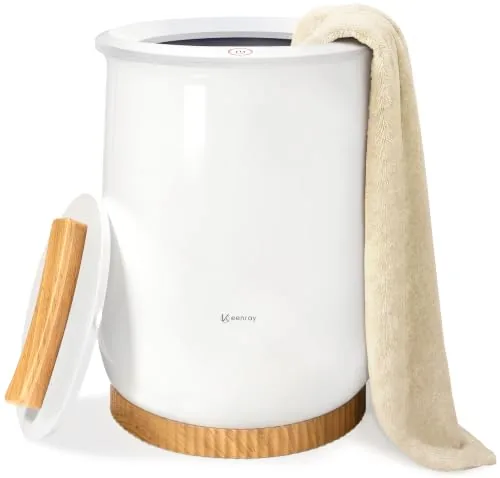
8 Best Towel Warmers (2026 Review Guide)
Aug 21, 2026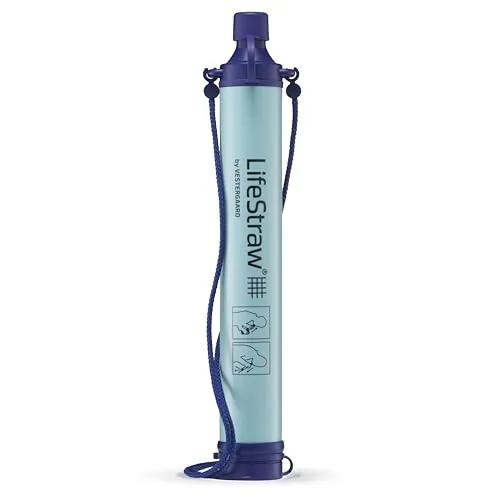
9 Best Water Filters For Backpacking (2026 Review Guide)
Jul 19, 2026
8 Best Water Filters For Chlorine (2026 Review Guide)
Jul 29, 2026
8 Best Water Filters For Microplastics (2026 Review Guide)
Jul 31, 2026
6 Best Faucet Water Filters (2026 Review Guide)
Jul 5, 2026