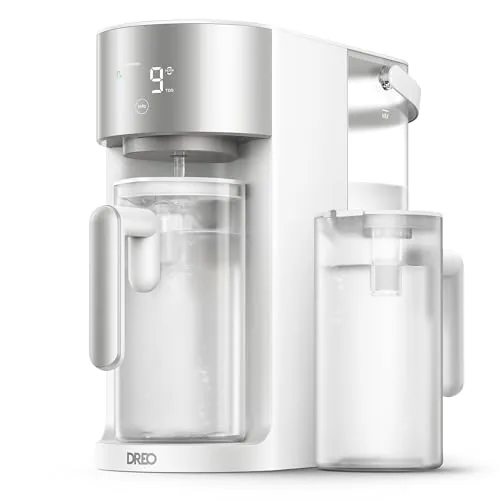
Around $20
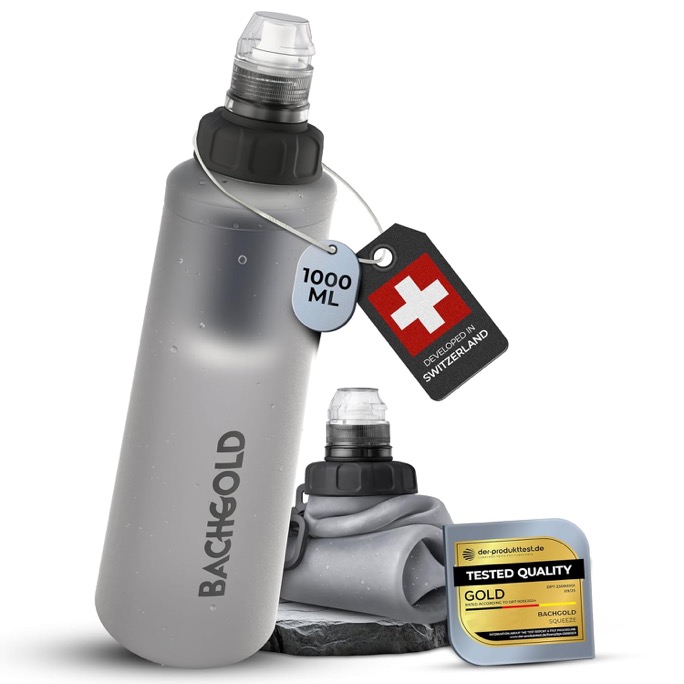
Built for travel, hiking & emergencies - drink safely whether the water is unsafe or just tastes off.
- 2-stage filtration: nanofiber layer + 0.2 micron hollow fiber membrane
- Rinse to restore flow - no replacement cartridges needed
- Collapsible 1L bottle - folds flat to pocket size
- Leak-resistant, taste-neutral, designed in Switzerland
Tap water in Tunisia is generally treated and chlorinated in major cities, but it is not recommended for travelers to drink directly from the tap due to aging infrastructure, high mineral content, and potential bacterial contamination in some areas. Most locals in urban areas drink tap water without issues, but visitors with unaccustomed digestive systems should exercise caution. Bottled water is widely available and affordable throughout the country.
Quick Reference
| Concern | Our Advice | |
|---|---|---|
| Drink tap water? | ❌ | Use bottled or filtered water |
| Brush teeth? | ✅ | Yes, no concerns |
| Wash fruits / veg? | ✅ | Yes, safe to use tap water |
| Use ice in drinks? | ❌ | Avoid unless confirmed purified |
| Shower safely? | ✅ | Yes |
| Filter bottle needed? | ❌ | Strongly recommend a Bachgold Squeeze Filter Bottle for all travelers |
| Common risks | High mineral content, Bacterial contamination in rural areas, Aging pipe infrastructure, Chlorination byproducts, Seasonal water shortages affecting quality |

Key Statistics


Affiliate links — we earn a small commission at no extra cost to you.
Water Infrastructure & Supply
Tunisia's water supply infrastructure is managed primarily by SONEDE (Socit Nationale d'Exploitation et de Distribution des Eaux), the national water utility, which serves the vast majority of urban and peri-urban areas. The system relies on a combination of surface water from major dams (particularly in the north), groundwater from deep aquifers, and desalination plants. Water treatment plants chlorinate and filter water to meet national standards, though the system was largely built in the 1970s-1990s and faces aging challenges.
The country's water distribution network extends over 55,000 km of pipes, with non-revenue water losses estimated at around 25-30% due to leaks and aging infrastructure. In major cities like Tunis, Sousse, and Sfax, the water treatment is generally reliable, but pipe corrosion can introduce contaminants between the treatment plant and the tap. In rural areas, water quality can be more variable, with some communities relying on untreated well water or small local systems.
Tunisia has invested significantly in water infrastructure modernization, including new desalination plants along the coast. The Sfax desalination plant, operational since 2022, and the planned Sousse and Zarrat plants aim to reduce dependence on increasingly stressed freshwater sources. The government, with support from the World Bank and African Development Bank, has launched programs to reduce water losses, upgrade aging pipelines, and improve wastewater reuse for agriculture.
Contamination & Health Risks
The primary health concern with Tunisian tap water for travelers is the high mineral content (total dissolved solids), particularly in southern and central regions where groundwater is the main source. This hard water, while not dangerous for locals accustomed to it, can cause gastrointestinal discomfort in visitors. Also, the heavy chlorination used to compensate for distribution system vulnerabilities can produce noticeable taste and odor issues.
Bacterial contamination is a risk primarily in rural areas and during the hot summer months (June-September) when water demand peaks and reservoir levels drop, potentially concentrating contaminants. E. coli and coliform bacteria have been detected in some distribution endpoints, particularly in older neighborhoods with deteriorated pipes. Agricultural runoff containing nitrates and pesticide residues is also a concern in some inland regions, especially in the Cap Bon agricultural area.
For travelers, the most practical risk is traveler's diarrhea, which can be triggered not just by pathogens but by the different mineral composition of the water. This is especially common in the first few days of a visit. Visitors to southern oasis towns like Tozeur and Douz should be particularly cautious, as groundwater sources in these areas tend to have very high salinity and mineral content. Travelers with compromised immune systems should strictly avoid tap water throughout the country.
Regional Water Quality Breakdown
Tunis & Greater Tunis
cautionThe capital has the most reliable water treatment infrastructure in the country, supplied primarily by northern dams and modern treatment facilities. Water is heavily chlorinated and generally safe for brushing teeth, but the taste can be unpleasant and aging pipes in the medina and older neighborhoods may introduce contaminants.
Sousse & Monastir (Sahel Coast)
cautionPopular tourist destinations with decent water infrastructure. Water quality is generally acceptable for bathing and teeth brushing, but high seasonal demand in summer can strain the system. Tourists should stick to bottled water for drinking.
Hammamet & Nabeul (Cap Bon)
cautionThis major resort area has good water infrastructure, but agricultural activity in the Cap Bon peninsula contributes nitrates to groundwater. Water is treated but may have higher mineral content than the capital. Bottled water is recommended for drinking.
Sfax
cautionTunisia's second-largest city has historically had variable water quality due to groundwater reliance. The new desalination plant has improved supply, but industrial activity in the region raises concerns about trace contaminants. Bottled water is strongly recommended.
Djerba Island
cautionThis popular tourist island has limited freshwater resources and relies heavily on desalinated water and mainland supply via pipeline. Water is safe for showering and hygiene but has a notably salty taste. All resort hotels provide bottled water, and visitors should not drink from the tap.
Tozeur, Douz & Southern Oases
avoidSouthern Tunisia relies almost entirely on deep groundwater that is extremely high in dissolved minerals and salinity. The water often tastes strongly of minerals and can cause significant stomach upset for visitors. Bottled water is essential for drinking in this region.
Practical Tips for Travelers
- Always carry bottled water when traveling outside major cities, especially in the south where groundwater has very high mineral content that can cause digestive issues.
- In restaurants, ask for bottled water by saying 'Ma' ma'daniya, min fadlik' ( ) , meaning 'mineral water, please' in Tunisian Arabic.
- Bring a quality filter bottle like a Grayl or LifeStraw for day trips and excursions , it saves money on bottled water and reduces plastic waste. Strongly recommend the Bachgold Squeeze Filter Bottle.
- Be cautious with ice in drinks outside of high-end hotels and international restaurants, as it may be made from tap water; ask 'Bla glace' (without ice) if unsure.
- During summer months (June-September), water quality can decline as demand peaks , be extra vigilant about drinking only bottled or filtered water during this period.
- Tap water is fine for showering and bathing throughout Tunisia, but avoid swallowing water in the shower, especially in southern regions.
- At local markets (souks), wash fruits and vegetables with bottled water before eating them raw, or peel them as an extra precaution.
- In tourist hotels, check if your accommodation provides complimentary bottled water or a filtered water dispenser , many now offer this service to guests at no extra charge.
Bottled Water Availability & Cost
Bottled water is widely available throughout Tunisia at very affordable prices. A 1.5-liter bottle typically costs 0.8-1.5 Tunisian Dinars (approximately $0.25-0.50 USD) in supermarkets and 1.5-3 TND in tourist areas or convenience shops. Popular local brands include Safia, Cristaline, Ain Garci, and Marwa, all of which are produced domestically and subject to quality regulations. Imported brands like Evian are available in upscale hotels and shops at higher prices.
For budget travelers, buying water in bulk (packs of 6 or 12) from supermarkets like Carrefour, Monoprix, or Magasin Gnral offers the best value. A 5-liter jug costs around 2-3 TND ($0.65-1.00 USD). However, travelers should consider bringing a quality filter bottle such as a LifeStraw or Grayl to reduce plastic waste, as Tunisia already faces significant plastic pollution challenges. Many hotels and riads will provide filtered or bottled water for guests, and some eco-lodges now offer refill stations.
Frequently Asked Questions
Can I brush my teeth with tap water in Tunisia?
Yes, brushing teeth with tap water is generally safe in Tunisia's cities and tourist areas. The water is chlorinated and the small amount used for brushing poses minimal risk. However, in the far south or very rural areas, you may want to use bottled water as an extra precaution.
Is it safe to shower in Tunisian tap water?
Yes, showering with tap water is safe throughout Tunisia. The chlorinated water will not cause skin issues for most people. Just avoid swallowing water in the shower. Some people with sensitive skin may notice the water feels harder than they're used to due to high mineral content.
Is ice safe in drinks at Tunisian restaurants?
In upscale hotels and international restaurants in tourist areas, ice is typically made from purified water and is safe. However, in local cafs and smaller establishments, ice may be made from tap water, which could cause stomach upset for visitors. When in doubt, order drinks without ice.
How much does bottled water cost in Tunisia?
Bottled water is very affordable in Tunisia. A 1.5-liter bottle costs about 0.8-1.5 TND ($0.25-0.50 USD) in supermarkets and 1.5-3 TND in tourist spots. Buying in bulk from supermarkets is the most economical option. A 5-liter jug costs around 2-3 TND.
Can I drink tap water in Tunisian hotels?
While tap water in most Tunisian hotels is treated and chlorinated, it's not recommended for drinking due to taste issues and potential pipe contamination. Most mid-range and upscale hotels provide complimentary bottled water in rooms or have filtered water dispensers available for guests.
Why does tap water taste different in southern Tunisia?
Southern Tunisia (Tozeur, Douz, Tataouine) relies on deep groundwater from Saharan aquifers that have extremely high levels of dissolved minerals and salts. This gives the water a distinctly salty or mineral taste and makes it unsuitable for drinking by visitors. The mineral content can exceed 2,000 mg/L TDS compared to under 500 mg/L in the north.
Is it safe to eat salads and raw vegetables in Tunisia?
In reputable restaurants and hotels, salads are generally washed with clean water and safe to eat. At street food stalls or local eateries, there's a slightly higher risk. If you're concerned, stick to cooked foods or fruits you can peel yourself. The traditional Tunisian salad (mechouia) is grilled and thus safer.
Does Tunisia have water shortages that affect travelers?
Tunisia is classified as water-stressed, with per capita renewable water resources well below the scarcity threshold of 500 m/year. During hot summer months, some areas may experience reduced water pressure or scheduled cuts. Travelers should keep a supply of bottled water on hand, especially when visiting in July and August.
Interesting Product Reviews
7 Best Anti-Scale Devices (2026 Review Guide)
Aug 15, 2026
7 Best Water Leak Detectors (2026 Review Guide)
Aug 17, 2026
6 Best Water Filters For Boats And Sailing (2026 Review Guide)
Jul 28, 2026
7 Best Water Filters For Nitrates (2026 Review Guide)
Jul 30, 2026
7 Best Pet Water Fountains (2026 Review Guide)
Aug 18, 2026