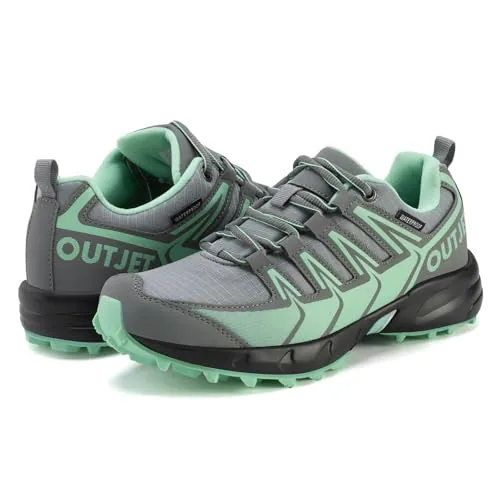
As low as $12
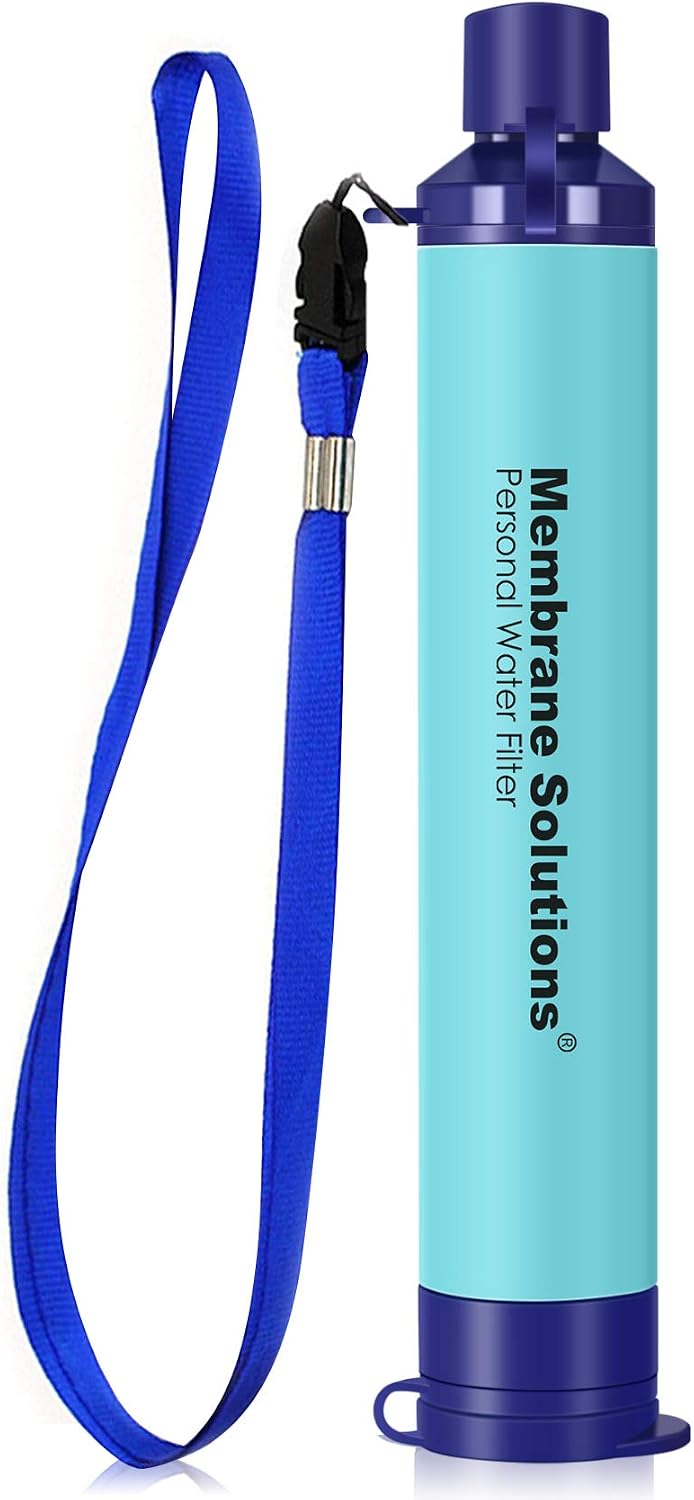
Built for travel, hiking & emergencies - drink safely whether the water is unsafe or just tastes off.
- NSF/ANSI 42, 372 & 401 certified, 0.1 micron filtration
- Filters up to 1,320 gallons - no batteries or pumping
- Ultralight - fits in any bag or pocket
- BPA-free, compatible with standard 28mm bottle threads
Tap water in Barbados is generally considered safe to drink for both locals and travelers. The Barbados Water Authority treats and monitors the water supply to meet WHO standards, drawing primarily from underground limestone-filtered aquifers. While the water quality is among the best in the Caribbean, some visitors may notice a slight chlorine taste and occasional disruptions after heavy rains.
Quick Reference
| Concern | Our Advice | |
|---|---|---|
| Drink tap water? | ✅ | Yes, safe in most areas |
| Brush teeth? | ✅ | Yes, no concerns |
| Wash fruits / veg? | ✅ | Yes, safe to use tap water |
| Use ice in drinks? | ✅ | Yes, safe in restaurants |
| Shower safely? | ✅ | Yes |
| Filter bottle needed? | ✅ | Not necessary, but a Membrane Solutions Filter Straw can improve taste |
| Common risks | Chlorination byproducts, Occasional turbidity after heavy rainfall, Aging distribution pipes in some areas, Saltwater intrusion risk in coastal aquifers |

Key Statistics


Affiliate links — we earn a small commission at no extra cost to you.
Water Infrastructure & Supply
Barbados has one of the most developed water supply systems in the Caribbean, managed by the Barbados Water Authority (BWA). The island's water supply relies almost entirely on underground aquifers formed within its coral limestone geology, which acts as a natural filter. This groundwater system has been in use since the colonial era and was formalized with the establishment of the BWA in 1980.
The BWA operates over 20 pumping stations across the island and manages approximately 2,000 km of distribution pipelines. Water is chlorinated at the pumping stations before entering the distribution network. The limestone aquifer system provides naturally clean water, but the aging pipeline infrastructure contributes to significant non-revenue water losses estimated at around 40%, which the government has been working to address.
In recent years, Barbados has invested in infrastructure upgrades with support from the Caribbean Development Bank and the Inter-American Development Bank. Projects include pipeline replacement, smart metering, leak detection programs, and the development of a desalination facility near the south coast to supplement groundwater supplies during dry periods. The government's Water Sector Modernization Programme aims to reduce losses and improve service reliability across the island.
Contamination & Health Risks
Barbados's groundwater is naturally filtered through coral limestone, which removes many contaminants before the water even reaches treatment facilities. The BWA regularly tests for bacterial contamination, chemical pollutants, and other parameters according to WHO guidelines. Routine monitoring generally shows the water meets international drinking water standards, making it safe for consumption by both residents and visitors.
The main concerns for water quality include the risk of saltwater intrusion into coastal aquifers due to over-extraction, particularly during dry seasons. Agricultural runoff containing nitrates and pesticides from sugarcane farming has historically been a concern, though stricter regulations have helped mitigate this. After periods of heavy rainfall or tropical storms, temporary increases in turbidity and bacterial counts can occur, though the BWA typically issues advisories when this happens.
For travelers, the health risks from drinking tap water in Barbados are minimal. The water is chlorinated and regularly tested, and the vast majority of hotels, restaurants, and public facilities serve tap water that is safe to drink. Visitors with sensitive stomachs may experience mild adjustment symptoms due to the different mineral composition of the water, but this is not a health concern. The island's restaurants and bars use tap water for ice, which is safe to consume.
Regional Water Quality Breakdown
Bridgetown & Surrounding Parishes
safeThe capital city and surrounding areas of St. Michael and Christ Church receive well-treated water from the BWA's main distribution network. Water quality is consistently monitored and meets international standards. This is where most tourists stay and the infrastructure is well-maintained.
South Coast (St. Lawrence Gap, Oistins)
safeThe popular south coast tourist corridor has reliable water service with good quality tap water. Hotels and restaurants in this area serve safe tap water. A desalination plant nearby provides supplemental supply during peak demand periods.
West Coast (Holetown, Speightstown)
safeThe Platinum Coast on the western side of the island, home to many luxury resorts, has excellent water quality. The area is well-served by the BWA's distribution network. Some high-end resorts use additional on-site filtration, though this is not strictly necessary.
Scotland District (St. Andrew, St. Joseph)
cautionThe rural, hilly Scotland District in the northeast has different geology with less limestone filtration. While water is still treated by the BWA, this area can experience lower water pressure and occasional supply interruptions during dry seasons. Travelers hiking in this area should carry sufficient water.
East Coast (Bathsheba, Cattlewash)
safeThe rugged east coast has safe drinking water, though the area is less developed and more rural. Water supply can occasionally be affected by storms. Surfers and visitors to the Andromeda Botanical Gardens can safely drink the tap water at local establishments.
Northern Parishes (St. Lucy, St. Peter)
safeThe quieter northern parishes have safe tap water provided by the BWA. Areas around the Animal Flower Cave and Farley Hill have reliable supply. During extended dry periods, some elevated areas may experience reduced water pressure, but quality remains safe.
Practical Tips for Travelers
- Carry a filter straw (e.g., Membrane Solutions) — it removes bacteria, parasites, and microplastics from any tap or stream. Strongly recommend the Membrane Solutions Filter Straw.
- Tap water in Barbados is safe to drink directly from the faucet , you don't need to boil or filter it in most circumstances.
- Carry a reusable water bottle to stay hydrated in the tropical heat. You can refill it at your hotel or many restaurants without concern.
- If you want to order water at a restaurant, simply say 'Could I have a glass of water, please?' , Bajans speak English, and tap water served at restaurants is safe.
- Ice in drinks at hotels, restaurants, and beach bars is made from treated tap water and is safe to consume.
- If you notice a slight chlorine taste, fill a jug and leave it uncovered in the refrigerator for a few hours , the chlorine will dissipate naturally.
- After a tropical storm or period of heavy rain, check with your hotel or the BWA's social media channels for any temporary boil-water advisories before drinking from the tap.
- Stay well-hydrated , Barbados's tropical climate means you'll need more water than usual. Aim for at least 2-3 liters per day, especially if you're active outdoors.
- If you're visiting the Scotland District for hiking, bring extra water as the area is rural with fewer shops and restaurants available for refills.
Bottled Water Availability & Cost
Bottled water is widely available throughout Barbados in supermarkets, convenience stores, gas stations, and tourist areas. A 500ml bottle typically costs BBD $2.50, $4.00 (USD $1.25, $2.00) at shops, while restaurants and hotels may charge BBD $5.00, $10.00 (USD $2.50, $5.00). Popular local brands include BWA-sourced brands and imported options like Evian and Dasani. You'll find both still and sparkling varieties readily available.
For longer stays, purchasing water in bulk from supermarkets like Massy Stores or Super Centre is more economical , a 1-gallon (3.8L) jug typically costs around BBD $5.00, $7.00 (USD $2.50, $3.50). However, given that tap water in Barbados is safe to drink, carrying a reusable water bottle is both cost-effective and environmentally responsible. Barbados has been working to reduce single-use plastics, and many eco-conscious hotels now provide refillable water stations.
Frequently Asked Questions
Can I brush my teeth with tap water in Barbados?
Yes, tap water in Barbados is safe for brushing your teeth. The water is treated and chlorinated by the Barbados Water Authority and meets WHO drinking water standards.
Is it safe to shower in Barbados tap water?
Absolutely. Showering and bathing in Barbados tap water is completely safe. The water is treated and poses no health risk through skin contact or accidental ingestion while showering.
Is the ice safe in Barbados restaurants and bars?
Yes, ice served at restaurants, bars, and hotels in Barbados is made from treated tap water and is safe to use in your drinks. There is no need to request drinks without ice.
Do restaurants in Barbados serve tap water?
Most restaurants in Barbados will serve tap water upon request, and it is safe to drink. Some upscale restaurants may automatically serve bottled water, so specify if you prefer tap water to avoid additional charges.
How much does bottled water cost in Barbados?
A 500ml bottle typically costs BBD $2.50, $4.00 (about USD $1.25, $2.00) at shops. Restaurants may charge BBD $5.00, $10.00 (USD $2.50, $5.00). Buying larger jugs at supermarkets is more economical, but since tap water is safe, a reusable bottle is your best bet.
Why does Barbados have such good water quality compared to other Caribbean islands?
Barbados benefits from a unique coral limestone geology that naturally filters rainwater as it percolates into underground aquifers. This natural filtration, combined with the BWA's treatment processes, produces water quality that is among the highest in the Caribbean region.
Does Barbados ever have water shortages?
Barbados is classified as a water-scarce country with limited freshwater resources per capita. During dry seasons (January, May), some areas may experience reduced water pressure or scheduled supply interruptions. Hotels typically have storage tanks to maintain service, but it's wise to be mindful of water conservation.
Should I use a water filter bottle when traveling to Barbados?
A filter bottle is not necessary for health safety in Barbados, as the tap water is safe to drink. However, if you're particularly sensitive to chlorine taste or prefer extra filtration, a carbon filter bottle can improve the taste. It's more of a preference than a necessity.
Interesting Product Reviews
7 Best Anti-Scale Devices (2026 Review Guide)
Aug 15, 2026
6 Best Tds Meters (2026 Review Guide)
Aug 3, 2026
9 Best Paddle Boards (2026 Review Guide)
Aug 26, 2026
9 Best Reusable Water Bottles (2026 Review Guide)
Aug 6, 2026
6 Best Water Filters For Apartments (2026 Review Guide)
Jul 5, 2026