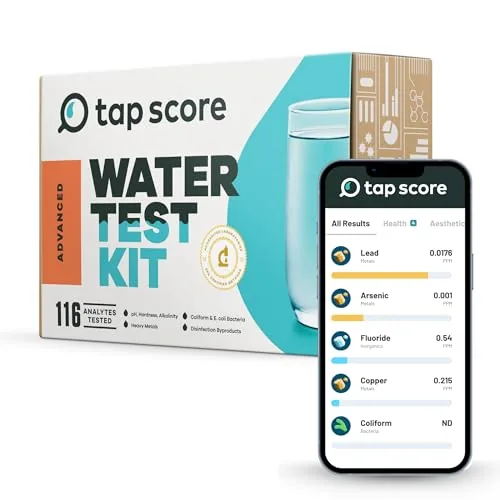
Around $20
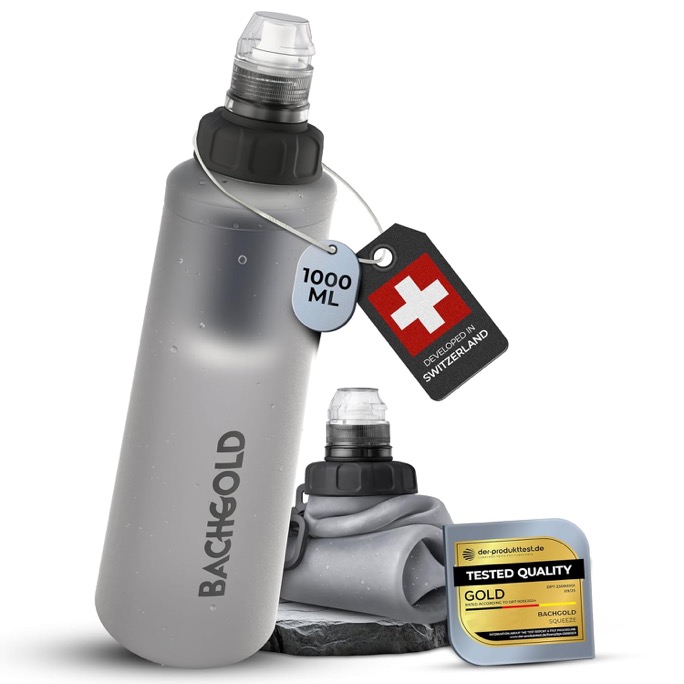
Built for travel, hiking & emergencies - drink safely whether the water is unsafe or just tastes off.
- 2-stage filtration: nanofiber layer + 0.2 micron hollow fiber membrane
- Rinse to restore flow - no replacement cartridges needed
- Collapsible 1L bottle - folds flat to pocket size
- Leak-resistant, taste-neutral, designed in Switzerland
Tap water in Jordan is generally not considered safe for travelers to drink directly from the faucet. While water in Amman and other major cities is treated and chlorinated, aging infrastructure, intermittent supply, and rooftop storage tanks can compromise water quality. Travelers are strongly advised to drink bottled or filtered water throughout their stay.
Quick Reference
| Concern | Our Advice | |
|---|---|---|
| Drink tap water? | ❌ | Use bottled or filtered water |
| Brush teeth? | ✅ | Yes, no concerns |
| Wash fruits / veg? | ❌ | Wash with filtered or bottled water |
| Use ice in drinks? | ❌ | Avoid unless confirmed purified |
| Shower safely? | ✅ | Yes |
| Filter bottle needed? | ❌ | Strongly recommend a Bachgold Squeeze Filter Bottle for all travelers |
| Common risks | Bacterial contamination from storage tanks, Heavy metals from aging pipes, Intermittent supply causing pressure drops and pipe infiltration, High mineral content, E. coli contamination in rural areas |

Key Statistics


Affiliate links — we earn a small commission at no extra cost to you.
Water Infrastructure & Supply
Jordan is one of the most water-scarce countries in the world, with per capita freshwater availability well below the internationally recognized water poverty line of 500 m per year. The country has relied on a combination of groundwater extraction, surface water from the Yarmouk River and King Abdullah Canal, and increasingly on desalinated brackish water to meet demand. The influx of refugees since 2011 has placed additional enormous strain on an already stressed system.
Water in Amman is managed by Miyahuna, a utility under the Water Authority of Jordan (WAJ), and is treated and chlorinated at the source. However, due to intermittent supply , most Jordanian households receive piped water only 1-3 times per week , residents rely heavily on rooftop storage tanks. These tanks are often poorly maintained, exposing stored water to bacterial growth, sediment buildup, and temperature fluctuations that degrade quality between the treatment plant and the consumer's tap.
Major infrastructure projects are underway, most notably the Aqaba-Amman Water Desalination and Conveyance Project (also known as the National Water Carrier), which aims to desalinate Red Sea water and pump it to Amman and other cities by 2028. The Disi Water Conveyance Project, completed in 2013, already brings fossil groundwater from the southern Disi aquifer to Amman. International donors including USAID, the EU, and KfW continue to invest in network rehabilitation to reduce the country's extremely high non-revenue water losses of approximately 50%.
Contamination & Health Risks
The primary health risk from Jordanian tap water is not at the treatment plant level but at the last mile , specifically in rooftop storage tanks and aging distribution pipes. Studies by the Jordan Ministry of Health and international organizations have found elevated coliform bacteria counts in household tap water samples, particularly during summer months when tank water temperatures rise. In rural areas and refugee camp settings, contamination risks are higher, with occasional detection of E. coli and elevated nitrate levels from agricultural runoff.
Heavy metals including lead and iron can leach from older galvanized pipes still present in parts of Amman's older neighborhoods and other cities. The high mineral content of Jordanian water, while not necessarily a health hazard, can cause gastrointestinal discomfort in travelers unaccustomed to it. Chlorine residuals can also be inconsistent by the time water reaches the tap after extended tank storage.
For travelers, the practical risk is primarily traveler's diarrhea from consuming tap water or ice made from tap water. This is especially relevant in budget accommodations, smaller restaurants, and rural tourist areas like Dana Nature Reserve or desert camps in Wadi Rum. Higher-end hotels in Amman, Aqaba, and near Petra often use additional filtration systems, but visitors should still verify this rather than assume safety.
Regional Water Quality Breakdown
Amman
cautionAmman's water is treated and chlorinated by Miyahuna but supplied intermittently, requiring rooftop tank storage that can degrade quality. Water in upscale hotels with in-house filtration is generally acceptable, but tap water in residential areas and budget accommodations should not be consumed directly.
Petra / Wadi Musa
cautionWater in the Wadi Musa area serving Petra visitors is treated but supply infrastructure is aging. Hotels catering to tourists typically provide bottled water or filtered options. Avoid drinking tap water directly and be cautious with ice in smaller establishments.
Aqaba
cautionAqaba benefits from the Disi Water Conveyance Project and a dedicated desalination plant, offering relatively better water quality than much of Jordan. However, storage tank issues persist and travelers should still rely on bottled or filtered water for drinking.
Dead Sea Resort Area
cautionMajor resort hotels along the Dead Sea generally have their own water treatment and filtration systems, making tap water safer than average. However, it is still advisable to use bottled water for drinking and confirm with your hotel about their water filtration practices.
Wadi Rum
avoidDesert camps in Wadi Rum have limited water infrastructure, and water is often trucked in and stored in tanks of varying cleanliness. Travelers should bring sufficient bottled or filtered water for their stay. Some camps provide bottled water, but availability can be inconsistent.
Irbid and Northern Jordan
cautionIrbid and surrounding areas have experienced significant pressure on water infrastructure due to population growth and refugee influx. Water is treated but intermittent supply and aging networks mean tap water quality at the point of use is unreliable for drinking.
Practical Tips for Travelers
- Always drink bottled or filtered water in Jordan. Ask for water by saying 'mai ma'daniyeh' ( ) for mineral water or 'mai' (/) for water in general at restaurants and shops.
- Invest in a portable water filter bottle like a Grayl GeoPress or LifeStraw Go , it's invaluable for the Jordan Trail, Wadi Rum desert camps, and reducing plastic waste during your trip. Strongly recommend the Bachgold Squeeze Filter Bottle.
- Avoid ice in drinks at smaller local restaurants and street food stalls, as it may be made from unfiltered tap water. In upscale hotels and international chain restaurants, ice is usually made from purified water.
- When buying bottled water, check that the seal is intact and the bottle hasn't been exposed to prolonged sun, which can cause chemical leaching from the plastic , especially important in Jordan's extreme summer heat.
- Wash or peel fruits and vegetables using bottled or filtered water before eating them raw. Cooked food is generally safe regardless of the water source used in preparation.
- In Petra, carry at least 2-3 liters of water per person per day, as the site is vast and extremely hot. Purchase water before entering, as prices from vendors inside the site are significantly marked up.
- Brushing your teeth with tap water is generally fine in Amman and major cities, but use bottled water in remote areas like Wadi Rum or Dana Nature Reserve where water sources are less reliable.
- If you experience gastrointestinal issues, oral rehydration salts (ORS) are available at Jordanian pharmacies without prescription , ask for 'amlah al-tajfaf' ( ) or simply 'ORS.'
Bottled Water Availability & Cost
Bottled water is widely available throughout Jordan at convenience stores, supermarkets, hotels, and tourist sites. Popular local brands include Nestl Pure Life, Delta, and Tannoureen. A 500ml bottle typically costs 0.25-0.50 JOD (approximately $0.35-0.70 USD), while a 1.5-liter bottle ranges from 0.35-0.75 JOD ($0.50-1.05 USD). Prices can be 2-3 times higher at tourist sites like Petra and in hotel minibars.
Buying water in bulk from supermarkets like Carrefour, Sameh Mall, or Cozmo is significantly cheaper , a pack of six 1.5-liter bottles can cost around 1.50-2.50 JOD ($2.10-3.50 USD). To reduce plastic waste, travelers are encouraged to bring a reusable bottle with a built-in filter, such as a LifeStraw or Grayl, which can safely purify Jordanian tap water. This is especially practical for multi-day treks like the Jordan Trail where bottled water access may be limited.
Frequently Asked Questions
Can I brush my teeth with tap water in Jordan?
In Amman, Aqaba, and other major cities, brushing your teeth with tap water is generally considered safe as the water is chlorinated. However, in remote desert areas like Wadi Rum or smaller villages, it's advisable to use bottled or filtered water even for brushing teeth.
Is it safe to shower in Jordanian tap water?
Yes, showering with tap water is safe throughout Jordan. The chlorinated water poses no risk for external contact. Just avoid swallowing water while showering, and be aware that the high mineral content may make your skin and hair feel dry.
Is ice safe in Jordanian restaurants and hotels?
In upscale hotels and international restaurants in Amman and tourist areas, ice is typically made from purified or filtered water and is safe. In smaller local restaurants, street food stalls, and juice shops, ice may be made from unfiltered tap water and should be avoided.
Do restaurants in Jordan serve safe drinking water?
Most restaurants will serve bottled water, which you may be charged for. Some restaurants, especially in tourist areas, offer complimentary filtered water. If you're unsure, always request a sealed bottle of water. Higher-end restaurants generally use filtered water for cooking and ice.
How much does bottled water cost in Jordan?
A 500ml bottle costs approximately 0.25-0.50 JOD ($0.35-0.70 USD) in shops. At tourist sites like Petra, prices can double or triple. Buying in bulk from supermarkets is the most economical option , a six-pack of 1.5-liter bottles costs around 1.50-2.50 JOD.
Why is water supply intermittent in Jordan?
Jordan is the second most water-scarce country in the world. To manage limited resources, water is distributed to neighborhoods on a rotating schedule, typically 1-3 times per week. Households store water in rooftop tanks for use between supply days. This intermittent system is a major reason tap water quality degrades before reaching consumers.
Is the tap water in Jordanian hotels safe to drink?
Most 4-5 star hotels in Amman, Aqaba, the Dead Sea, and near Petra have their own water filtration or purification systems and provide complimentary bottled water. However, even in hotels, it's best to confirm with the front desk rather than assume tap water is potable. Budget hotels and hostels are unlikely to have additional filtration.
Can I fill my water bottle from public fountains or springs in Jordan?
Natural springs exist in areas like Wadi Mujib and Ajloun, but their safety varies and they are not regularly tested. It's not recommended to drink from public taps, fountains, or springs without filtering the water first. A portable filter bottle is ideal for outdoor adventures in Jordan.
Traveling Nearby?
Check tap water safety in neighboring countries:
Iraq Israel Palestine Saudi Arabia SyriaInteresting Product Reviews
9 Best Well Pressure Tanks (2026 Review Guide)
Aug 14, 2026
8 Best Water Bottle Carriers And Slings (2026 Review Guide)
Aug 8, 2026
8 Best Waterproof Phone Pouches (2026 Review Guide)
Aug 23, 2026
8 Best Dehumidifiers (2026 Review Guide)
Aug 20, 2026
6 Best Water Filters For Hard Water (2026 Review Guide)
Jul 9, 2026