As low as $12
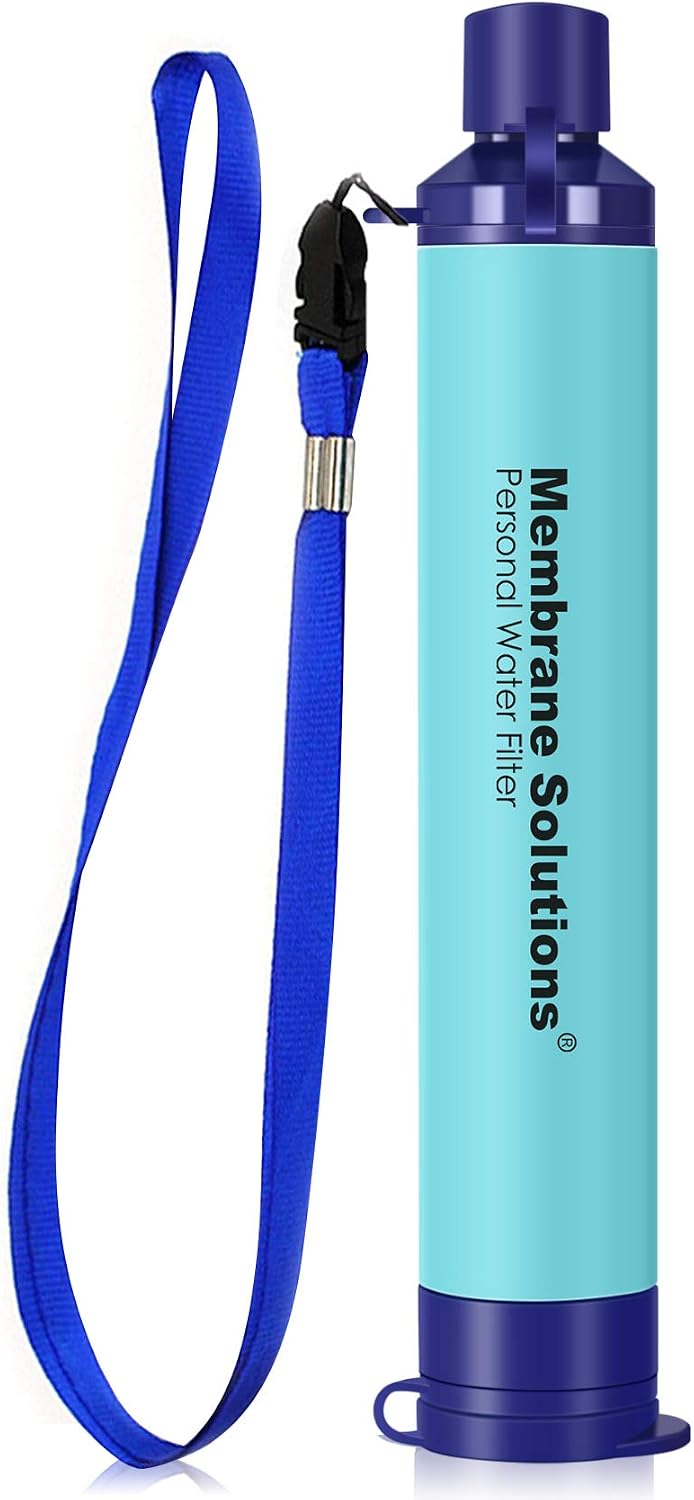
Built for travel, hiking & emergencies - drink safely whether the water is unsafe or just tastes off.
- NSF/ANSI 42, 372 & 401 certified, 0.1 micron filtration
- Filters up to 1,320 gallons - no batteries or pumping
- Ultralight - fits in any bag or pocket
- BPA-free, compatible with standard 28mm bottle threads
Tap water in Ukraine is generally not recommended for drinking by travelers, especially since the ongoing conflict has severely damaged water infrastructure in many regions. While major cities like Kyiv and Lviv have treated municipal water, aging Soviet-era pipes and wartime disruptions make bottled or filtered water the safer choice. Brushing teeth and showering with tap water is typically fine in western and central Ukraine, but extra caution is needed in conflict-affected areas.
Quick Reference
| Concern | Our Advice | |
|---|---|---|
| Drink tap water? | ❌ | Use bottled or filtered water |
| Brush teeth? | ✅ | Yes, no concerns |
| Wash fruits / veg? | ✅ | Yes, safe to use tap water |
| Use ice in drinks? | ❌ | Avoid unless confirmed purified |
| Shower safely? | ✅ | Yes |
| Filter bottle needed? | ❌ | Strongly recommend a Membrane Solutions Filter Straw for all travelers |
| Common risks | Bacterial contamination, Heavy metals from aging pipes, Chlorination byproducts, Nitrate contamination, War-related infrastructure damage, Industrial pollution |

Key Statistics


Affiliate links — we earn a small commission at no extra cost to you.
Water Infrastructure & Supply
Ukraine's water infrastructure was largely built during the Soviet era, with centralized water treatment plants and extensive pipe networks serving major cities. Before the 2022 full-scale invasion, the country was already struggling with aging pipes (many over 40-50 years old), leading to high leakage rates of 30-40% and secondary contamination of treated water during distribution. Surface water from the Dnipro River system supplied the majority of the population, with groundwater serving smaller towns and rural communities.
The water treatment process in Ukrainian cities typically involves coagulation, sedimentation, filtration, and chlorination. However, the heavy chlorination used to compensate for pipe contamination creates disinfection byproducts such as trihalomethanes, which contribute to the unpleasant taste and smell many residents notice. In smaller towns, treatment facilities may lack modern equipment and proper monitoring, leading to inconsistent water quality.
Since 2022, the armed conflict has caused catastrophic damage to water infrastructure, particularly in eastern and southern regions. The destruction of the Kakhovka Dam in June 2023 had devastating consequences for water supply in Kherson and Zaporizhzhia oblasts. International organizations including UNICEF, the Red Cross, and the EU have invested hundreds of millions of dollars in emergency water supply repairs and longer-term reconstruction projects. Ukraine's government has outlined plans for comprehensive modernization of water systems as part of its post-war recovery strategy, including EU-standard treatment upgrades.
Contamination & Health Risks
The primary health risks from Ukrainian tap water include exposure to heavy metals (lead, iron, manganese) leaching from corroded Soviet-era pipes, elevated chlorine and its byproducts, and periodic bacterial contamination particularly after pipe breaks or during infrastructure failures. Nitrate contamination from agricultural runoff is a concern in rural areas, especially in central and southern Ukraine where intensive farming is prevalent. In conflict zones, the risk of contamination from unexploded ordnance, industrial chemicals released during shelling, and non-functioning treatment plants is significantly elevated.
For travelers, the most common issues are gastrointestinal discomfort from unfamiliar microorganisms and the high mineral content in some regions. Even in Kyiv, where water treatment meets national standards at the plant, the distribution system can introduce contaminants before water reaches the tap. Restaurants in tourist areas of western Ukraine typically use filtered water for cooking, but ice in drinks may be made from unfiltered tap water, so it is wise to ask.
Conflict-affected areas in eastern and southern Ukraine present serious water safety concerns. Damaged treatment plants, broken distribution networks, and contaminated water sources mean that residents in places like Mykolaiv, parts of Kherson, and the Donetsk region have experienced extended periods without safe drinking water. Travelers should absolutely avoid drinking tap water in any area close to active conflict and rely exclusively on bottled or purified water.
Regional Water Quality Breakdown
Kyiv
cautionKyiv's Dniprovodokanal treats water from the Dnipro River and Desna River to national standards at the plant level. However, aging distribution pipes mean secondary contamination is common, and locals widely use filters or buy bottled water. Boiling or filtering tap water is advisable for drinking.
Lviv
cautionLviv has some of Ukraine's better water quality, sourcing water from Carpathian mountain springs and reservoirs. The water is generally cleaner than in eastern cities, but old pipes in the historic center can still introduce contaminants. Filtered or bottled water is recommended for drinking.
Odesa
cautionOdesa draws water primarily from the Dnister River, and the treatment system has been under strain. The water often has a noticeable chlorine taste and elevated mineral content. Bottled water is strongly recommended, and conflict-related power outages can periodically disrupt water treatment.
Kharkiv
cautionKharkiv's water infrastructure has suffered significant damage from the ongoing conflict, with repeated strikes on energy infrastructure affecting water pumping stations. When water is available, it is treated but the distribution system has been compromised. Travelers should rely exclusively on bottled water.
Donetsk and Luhansk Oblasts (frontline areas)
avoidAreas near the front line in eastern Ukraine face severe water supply disruptions. Treatment plants have been damaged or destroyed, and contamination from conflict is a serious risk. These areas are generally inaccessible to tourists and water is unsafe without professional purification.
Western Ukraine (Ivano-Frankivsk, Ternopil, Uzhhorod)
cautionWestern Ukraine generally has better water quality due to cleaner Carpathian water sources and distance from the conflict zone. Infrastructure is still aging, however, and filtration is recommended for drinking. Many accommodations in tourist areas provide filtered water or water coolers.
Practical Tips for Travelers
- Carry a filter bottle (like LifeStraw or Grayl) , it effectively removes bacteria, parasites, and heavy metals from Ukrainian tap water and saves money on bottled water. Strongly recommend the Membrane Solutions Filter Straw.
- In Ukrainian, ask for bottled water by saying ' , ' (Bud laska, plyashku vody) , meaning 'A bottle of water, please.' Specify ' ' (bez hazu) for still water or ' ' (z hazom) for sparkling.
- When staying in hotels or apartments, check for a filter pitcher (popular brands include Brita and local brand Nasha Voda) , many Ukrainian hosts provide them as standard.
- Avoid ice in drinks at smaller restaurants and street vendors; in upscale establishments in major cities, ice is usually made from filtered water, but it is worth asking.
- If visiting Carpathian mountain villages, locals often drink from natural springs (dzherela) , these are generally safe but unregulated, so use your filter bottle as a precaution. Strongly recommend the Membrane Solutions Filter Straw.
- Buy large 5-liter bottles of Morshynska or Bona Aqua at ATB or Silpo supermarkets to save money , they cost roughly the same as two small bottles.
- If you experience a sudden loss of water pressure or discoloration, do not drink the water even after it clears , flush the tap for several minutes first and use your filter.
- Check local Telegram channels or ask your accommodation host for real-time updates on water supply disruptions, which can occur due to infrastructure attacks in some regions.
Bottled Water Availability & Cost
Bottled water is widely available throughout Ukraine in supermarkets, convenience stores (produkty), pharmacies, and kiosks. Popular domestic brands include Morshynska, Myrhorodska, and Bona Aqua. A 0.5-liter bottle typically costs 15-30 UAH (approximately $0.35-0.75 USD), while a 1.5-liter bottle ranges from 25-50 UAH ($0.60-1.20 USD). International brands like Evian or Perrier are available in larger cities at higher prices.
Buying water in bulk (5-liter or 6-liter jugs) from supermarkets like Silpo, ATB, or Novus is the most economical option, costing around 50-90 UAH ($1.20-2.20 USD) for five liters. Many Ukrainians also use refillable water dispensers with 19-liter bottles delivered to homes and offices. For environmentally conscious travelers, carrying a filter bottle such as a LifeStraw or Grayl is an excellent alternative that reduces plastic waste while ensuring safe water from virtually any tap in the country.
Frequently Asked Questions
Can I brush my teeth with tap water in Ukraine?
Yes, brushing teeth with tap water is generally safe in Ukrainian cities like Kyiv, Lviv, and Odesa. The small amount of water involved poses minimal risk. However, in conflict-affected areas in the east, use bottled water for all oral hygiene.
Is it safe to shower with tap water in Ukraine?
Showering with Ukrainian tap water is safe throughout the country, including in areas with lower water quality. The main concern with Ukrainian tap water is ingestion rather than skin contact. Some people with sensitive skin may notice dryness from the high chlorine content.
Is ice safe in Ukrainian restaurants?
In upscale restaurants and international chains in major cities, ice is typically made from filtered water and is safe. At smaller establishments, street cafes, and outside major cities, ice may be made from unfiltered tap water. When in doubt, request your drink without ice (' ' , bez lodu).
Is restaurant water safe to drink in Ukraine?
Most Ukrainian restaurants do not serve free tap water as in some Western countries. Water is typically ordered as bottled (still or sparkling). If a restaurant does serve tap water, it has likely been filtered, but it's always safer to order sealed bottled water.
How much does bottled water cost in Ukraine?
Bottled water is affordable in Ukraine. A 0.5-liter bottle costs 15-30 UAH ($0.35-0.75), and a 1.5-liter bottle costs 25-50 UAH ($0.60-1.20). Large 5-liter bottles in supermarkets cost 50-90 UAH ($1.20-2.20). Prices may be slightly higher in tourist areas and conflict-affected regions.
Has the war affected water safety in Ukraine?
Yes, significantly. The conflict has damaged over 600 water supply systems, destroyed the Kakhovka Dam, and caused repeated disruptions to power supplies needed for water treatment and pumping. Western and central Ukraine are less affected, but eastern and southern regions face serious water safety challenges.
Can I drink tap water in Lviv?
While Lviv has some of Ukraine's better water quality thanks to Carpathian mountain sources, drinking unfiltered tap water is still not recommended for travelers. The aging pipe infrastructure can introduce contaminants during distribution. Use a filter or drink bottled water.
Do Ukrainians drink tap water?
Most Ukrainians do not drink tap water directly. The majority use home filtration systems (like pitcher filters or under-sink reverse osmosis systems), buy bottled water, or use water delivery services with large 19-liter bottles. This practice predates the conflict and reflects long-standing concerns about pipe quality.
Traveling Nearby?
Check tap water safety in neighboring countries:
Belarus Hungary Moldova Poland Romania Russia SlovakiaInteresting Product Reviews
6 Best Faucet Water Filters (2026 Review Guide)
Jul 5, 2026
6 Best Hard Water Stain Removers (2026 Review Guide)
Aug 21, 2026
6 Best Water Filters For Coffee And Espresso Machines (2026 Review Guide)
Aug 4, 2026
9 Best Paddle Boards (2026 Review Guide)
Aug 26, 2026
8 Best Waterproof Travel Document Holders (2026 Review Guide)
Aug 24, 2026