As low as $12
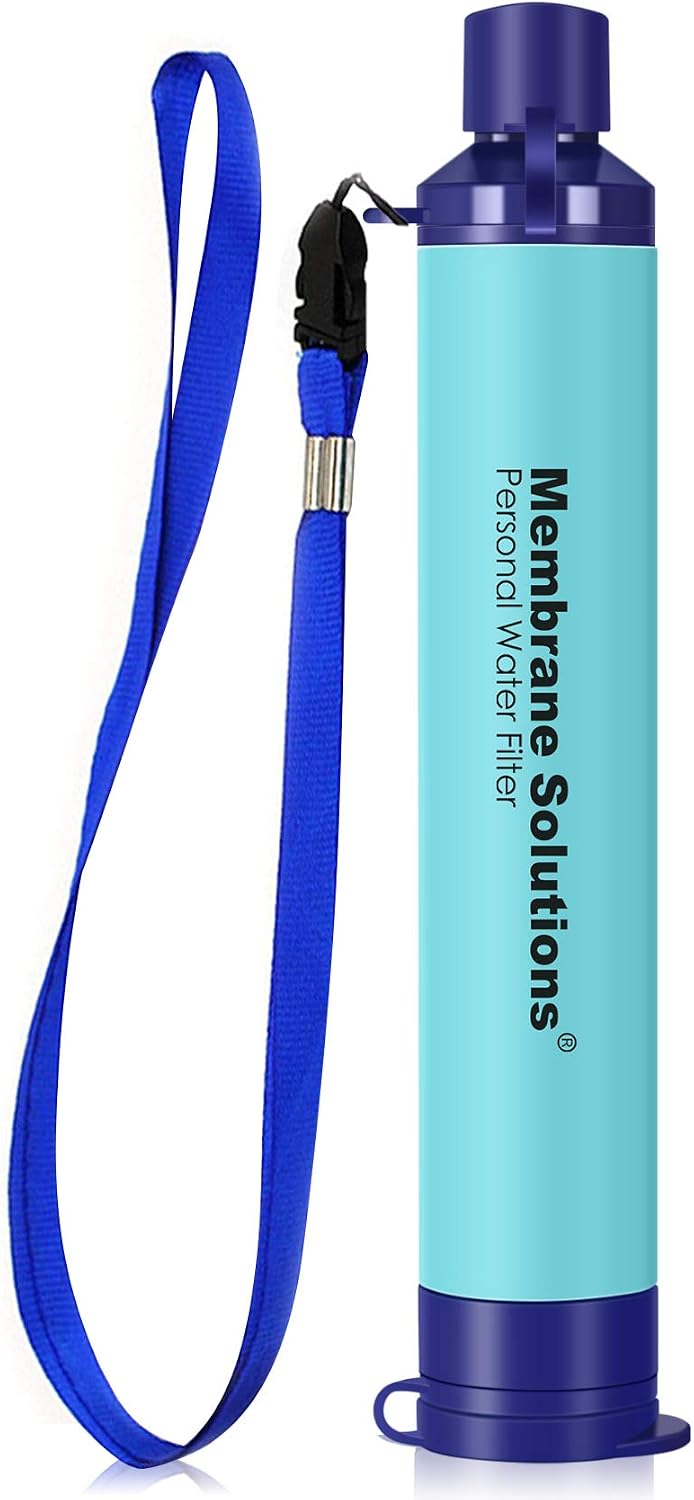
Built for travel, hiking & emergencies - drink safely whether the water is unsafe or just tastes off.
- NSF/ANSI 42, 372 & 401 certified, 0.1 micron filtration
- Filters up to 1,320 gallons - no batteries or pumping
- Ultralight - fits in any bag or pocket
- BPA-free, compatible with standard 28mm bottle threads
Tap water in Liechtenstein is exceptionally safe to drink and among the highest quality in Europe. Sourced primarily from pristine Alpine springs and well-maintained groundwater reserves, the water undergoes rigorous quality monitoring. Travelers can confidently drink tap water throughout the country without any need for filtration or bottled alternatives.
Quick Reference
| Concern | Our Advice | |
|---|---|---|
| Drink tap water? | ✅ | Yes, safe in most areas |
| Brush teeth? | ✅ | Yes, no concerns |
| Wash fruits / veg? | ✅ | Yes, safe to use tap water |
| Use ice in drinks? | ✅ | Yes, safe in restaurants |
| Shower safely? | ✅ | Yes |
| Filter bottle needed? | ✅ | Not necessary, but a Membrane Solutions Filter Straw can improve taste |
| Common risks | Minimal risks, Occasional agricultural runoff in lowland areas, Microplastics (trace levels common across Europe) |

Key Statistics


Affiliate links — we earn a small commission at no extra cost to you.
Water Infrastructure & Supply
Liechtenstein's water supply system has a long history rooted in Alpine spring water management, with modern infrastructure developed extensively during the 20th century. The principality relies almost entirely on local springs and groundwater wells located in the Rhine Valley and surrounding Alpine areas. The Liechtensteinische Wasserversorgung (LWV) coordinates water supply across the country's 11 municipalities, each of which maintains its own distribution network.
The water treatment infrastructure is modern and efficient, with state-of-the-art UV disinfection and minimal chemical treatment needed due to the naturally high quality of source water. Groundwater is extracted from protected wellfields along the Rhine Valley, while numerous mountain springs feed reservoir systems at various elevations. The pipe network is continuously maintained and upgraded, with low leakage rates typical of Swiss and Liechtenstein engineering standards.
Recent improvement projects have focused on climate adaptation, ensuring supply security as Alpine glacier melt patterns change. Liechtenstein participates in cross-border water management agreements with Switzerland and Austria, and has invested in enhanced monitoring systems for real-time water quality tracking. The ARA Bendern wastewater treatment plant, shared with several Swiss municipalities, provides advanced tertiary treatment before discharge into the Rhine.
Contamination & Health Risks
Liechtenstein's tap water presents virtually no health risks to travelers. The water consistently meets or exceeds EU Drinking Water Directive standards, with regular testing for over 50 parameters including heavy metals, pesticides, microbiological contaminants, and nitrates. Contamination events are extremely rare and are communicated immediately to the public when they occur.
Potential pollution sources are minimal but include agricultural activity in the Rhine Valley lowlands, which can contribute trace levels of nitrates and pesticides to groundwater. However, strict environmental regulations and protected water catchment zones keep these levels well below any health concern thresholds. Industrial contamination is negligible due to Liechtenstein's clean technology sector and stringent environmental enforcement.
For travelers, there are no practical health risks associated with drinking tap water anywhere in the country. The water is safe for all uses including drinking directly from the tap, brushing teeth, preparing baby formula, and washing produce. Many public fountains throughout Vaduz and other towns also provide safe drinking water unless explicitly marked otherwise.
Regional Water Quality Breakdown
Vaduz
safeThe capital city has excellent tap water quality sourced from both mountain springs and Rhine Valley groundwater. The municipal water supply is well-maintained and regularly tested, making it perfectly safe for all consumption.
Schaan
safeAs the largest municipality by population, Schaan benefits from modern water infrastructure connected to high-quality local spring and groundwater sources. Tap water meets all safety standards and is safe to drink directly.
Balzers
safeLocated in the southern part of Liechtenstein near the Swiss border, Balzers has reliable and safe tap water. The municipality's water supply benefits from Alpine spring sources with minimal treatment required.
Triesenberg
safeThis mountain municipality at higher elevation sources its water predominantly from pristine Alpine springs. The water quality is outstanding, often considered among the best in the country due to the protected mountain catchment areas.
Malbun
safeLiechtenstein's popular ski resort area in the Alps receives high-quality mountain spring water. Even during peak tourist seasons, the water supply remains safe and reliable for all visitors.
Eschen-Nendeln
safeLocated in the northern lowlands of the Rhine Valley, Eschen has well-managed water infrastructure. While closer to agricultural areas, water treatment and monitoring ensure tap water remains completely safe to drink.
Practical Tips for Travelers
- Carry a filter straw (e.g., Membrane Solutions) — it removes bacteria, parasites, and microplastics from any tap or stream. Strongly recommend the Membrane Solutions Filter Straw.
- Carry a reusable water bottle , Liechtenstein's tap water is excellent, and many public fountains in Vaduz and other towns offer free, safe drinking water marked as 'Trinkwasser' (drinking water).
- In restaurants, you can ask for tap water by saying 'Leitungswasser, bitte' (tap water, please) in German, though note that some restaurants may prefer to serve bottled water.
- Look for public fountains marked with 'Trinkwasser' or without a 'Kein Trinkwasser' (not drinking water) sign , these are safe to drink from and commonly found in town centers.
- If hiking in the Alps above Malbun or Triesenberg, mountain stream water may look clean but should not be consumed untreated due to potential livestock contamination upstream.
- Supermarkets like Coop and Migros offer affordable multi-packs of bottled water if you prefer it, but there is no health reason to avoid the tap water.
- Liechtenstein uses Swiss francs (CHF), and prices are comparable to Switzerland , save money by skipping bottled water at restaurants and requesting tap water instead.
- Ice in drinks at hotels, restaurants, and bars is made from tap water and is completely safe to consume throughout the country.
Bottled Water Availability & Cost
Bottled water is readily available in Liechtenstein's supermarkets, convenience stores, and restaurants, though it is largely unnecessary given the excellent tap water quality. Popular brands include local Swiss options like Valser, Henniez, and Aproz, as well as international brands. A 1.5-liter bottle typically costs CHF 1.00, 2.50 (approximately 1.00, 2.50) in supermarkets, while a 0.5-liter bottle in a restaurant may cost CHF 3.00, 5.00.
For budget-conscious travelers, purchasing multi-packs at supermarkets like Coop or Migros (both have locations in Liechtenstein) offers better value, but carrying a reusable bottle and refilling from the tap is both the most economical and environmentally responsible choice. Liechtenstein's commitment to sustainability means that reducing single-use plastic is encouraged, and many cafs and restaurants will happily refill your water bottle upon request.
Frequently Asked Questions
Can I brush my teeth with tap water in Liechtenstein?
Yes, absolutely. Tap water in Liechtenstein is of excellent quality and perfectly safe for brushing teeth. There is no need to use bottled water for oral hygiene anywhere in the country.
Is it safe to shower in Liechtenstein's tap water?
Yes, showering in Liechtenstein's tap water is completely safe. The water is soft to moderately hard depending on the municipality, and contains no harmful contaminants. It is also gentle on skin and hair.
Is ice in drinks safe in Liechtenstein?
Yes, ice in drinks is safe throughout Liechtenstein. All ice is made from the same high-quality tap water supply, which meets strict European and national safety standards.
Do restaurants in Liechtenstein serve safe water?
Yes, both tap water and bottled water served in Liechtenstein restaurants are completely safe. Many restaurants default to serving bottled mineral water (still or sparkling), but you can specifically request tap water ('Leitungswasser'), which is equally safe.
How much does bottled water cost in Liechtenstein?
A 1.5-liter bottle costs approximately CHF 1.00, 2.50 in supermarkets. In restaurants, a small bottle (0.5L) typically costs CHF 3.00, 5.00. Prices are similar to neighboring Switzerland.
Can I drink from public fountains in Liechtenstein?
Yes, most public fountains provide safe drinking water. Look for fountains without a 'Kein Trinkwasser' sign , if there is no such warning, the water is safe to drink, following the same convention used in Switzerland and Austria.
Is Liechtenstein's water hard or soft?
Water hardness varies by municipality but generally ranges from soft to moderately hard, depending on whether the source is Alpine spring water (typically softer) or Rhine Valley groundwater (slightly harder). Neither poses any health concern.
Do I need a water filter bottle when visiting Liechtenstein?
No, a water filter bottle is unnecessary in Liechtenstein. The tap water quality is among the best in Europe, sourced from protected Alpine springs and groundwater, and undergoes thorough quality monitoring. You can drink directly from any tap.
Interesting Product Reviews
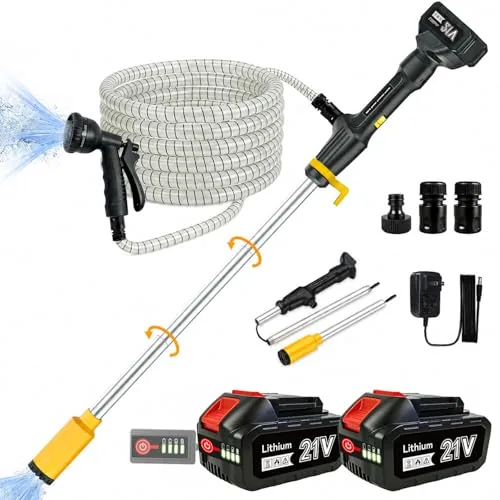
9 Best Rain Barrel Pumps (2026 Review Guide)
Aug 22, 2026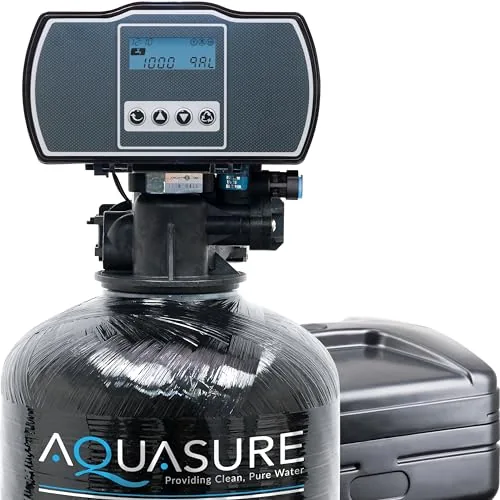
9 Best Water Softeners For Hard Water (2026 Review Guide)
Jul 8, 2026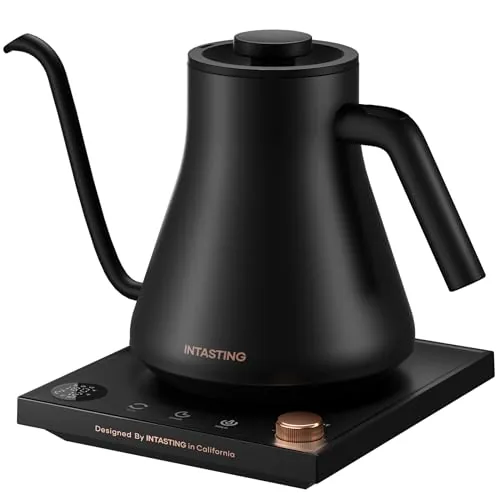
9 Best Gooseneck Kettles (2026 Review Guide)
Aug 12, 2026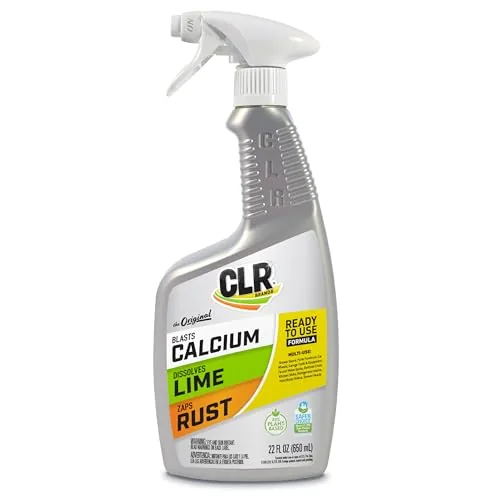
6 Best Hard Water Stain Removers (2026 Review Guide)
Aug 21, 2026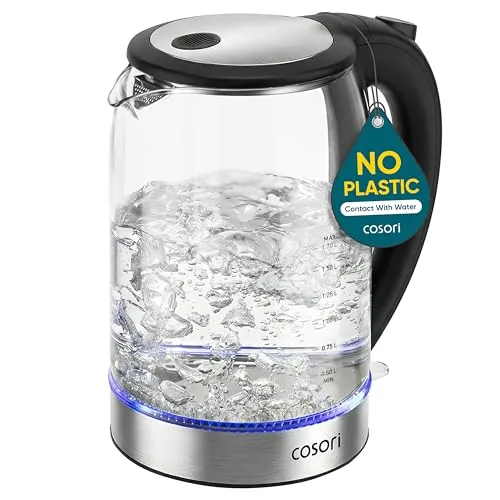
6 Best Kettles (2026 Review Guide)
Aug 11, 2026