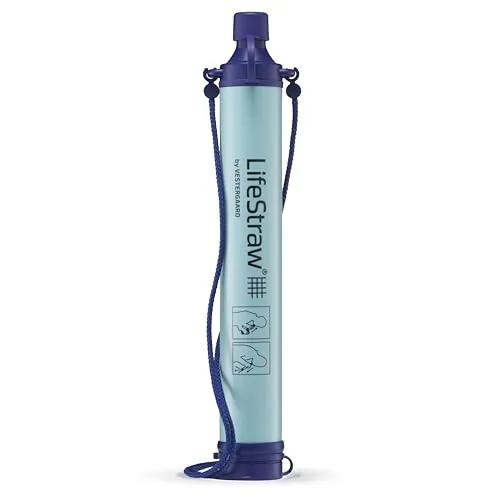
As low as $12
Built for travel, hiking & emergencies - drink safely whether the water is unsafe or just tastes off.
- NSF/ANSI 42, 372 & 401 certified, 0.1 micron filtration
- Filters up to 1,320 gallons - no batteries or pumping
- Ultralight - fits in any bag or pocket
- BPA-free, compatible with standard 28mm bottle threads
Tap water in Chad is not safe for travelers to drink. The country has one of the lowest rates of access to safely managed drinking water in the world, with widespread contamination from bacteria, parasites, and poor sanitation infrastructure. Travelers should rely exclusively on bottled or thoroughly purified water during their visit.
Quick Reference
| Concern | Our Advice | |
|---|---|---|
| Drink tap water? | ❌ | Use bottled or filtered water |
| Brush teeth? | ❌ | Use bottled or filtered water |
| Wash fruits / veg? | ❌ | Wash with filtered or bottled water |
| Use ice in drinks? | ❌ | Avoid unless confirmed purified |
| Shower safely? | ✅ | Yes |
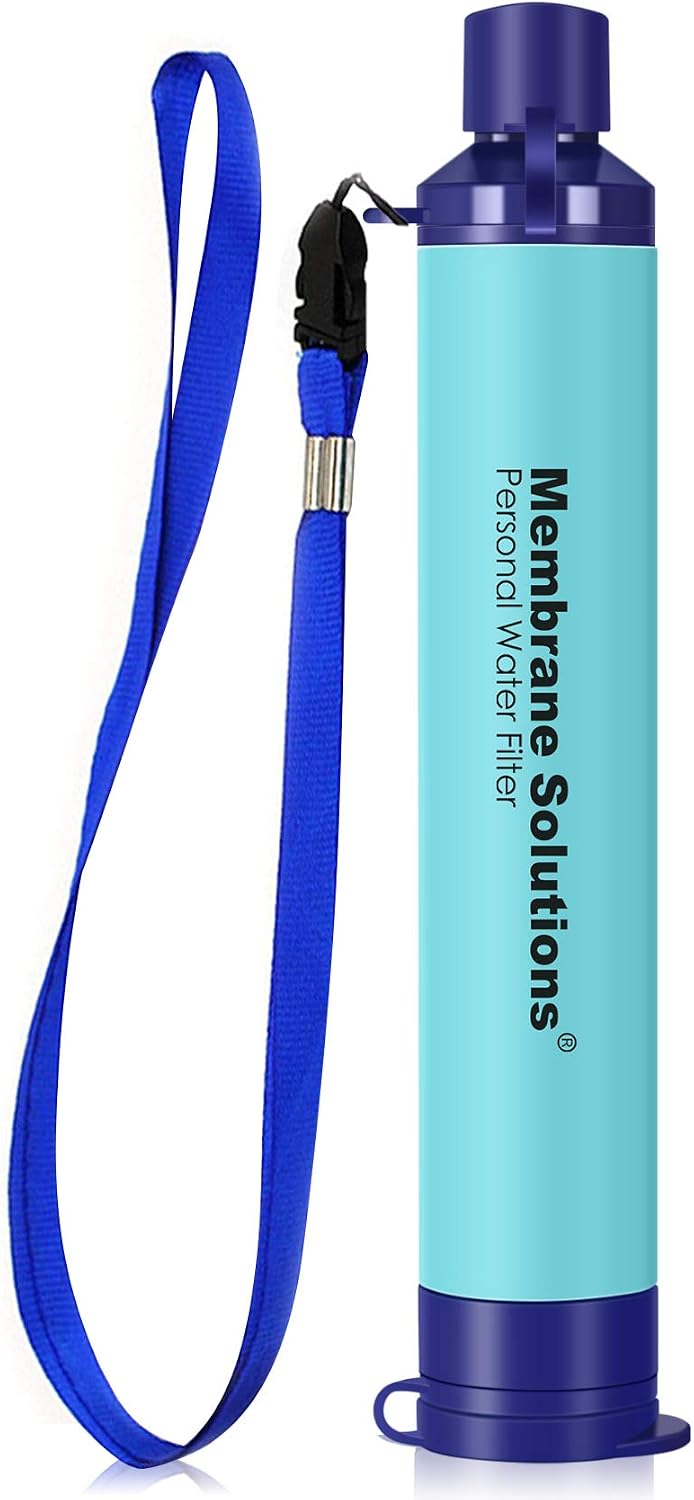
| Filter bottle needed? | ❌ | Strongly recommend a Membrane Solutions Filter Straw for all travelers |
| Common risks | Bacterial contamination, Parasitic infections, Fecal coliforms, Cholera, Typhoid, Hepatitis A, Sediment and turbidity, Lack of water treatment |

Key Statistics


Affiliate links — we earn a small commission at no extra cost to you.
Water Infrastructure & Supply
Chad's water infrastructure is among the least developed in the world. The national water utility, Socit Tchadienne des Eaux (STE), operates treatment plants primarily in N'Djamena, the capital, but coverage is extremely limited and the treated water is frequently subject to pipeline contamination before reaching consumers. Most of the population, especially in rural areas, relies on untreated surface water from rivers, lakes, and seasonal ponds, or on shallow unprotected wells.
The primary water sources include the Chari and Logone rivers, Lake Chad, and groundwater aquifers. Lake Chad itself has shrunk dramatically over the past several decades due to climate change and overuse, reducing the availability of surface water across the region. Water treatment, where it exists, is rudimentary, and distribution networks in urban areas suffer from aging pipes, frequent breaks, and low pressure that allows infiltration of contaminants.
Several international organizations, including UNICEF, the World Bank, and the African Development Bank, have invested in water and sanitation projects in Chad. The World Bank's Urban Water Supply and Sanitation Project has focused on expanding infrastructure in N'Djamena and secondary cities. However, progress is slow due to ongoing conflict, limited institutional capacity, and the vast geographic challenge of serving a largely rural, dispersed population across arid and semi-arid terrain.
Contamination & Health Risks
The health risks from consuming untreated water in Chad are severe and wide-ranging. Waterborne diseases are among the leading causes of illness and death, particularly among children. Common contaminants include E. coli, Salmonella, cholera vibrio, Giardia, and Cryptosporidium, all resulting from the widespread lack of sanitation and the prevalence of open defecation near water sources.
Cholera outbreaks occur regularly in Chad, particularly during the rainy season from June to October when flooding spreads sewage into water sources. The Lake Chad basin region is a well-known cholera hotspot. Hepatitis A and typhoid fever are also significant risks for travelers who consume contaminated water or food washed in untreated water. In some areas, particularly near mining operations, heavy metal contamination including lead and arsenic has also been documented in groundwater.
For travelers, the practical risks are high. Even in upscale hotels in N'Djamena, tap water should not be consumed without treatment. Ice in drinks is unsafe unless you can confirm it was made with purified water. Salads, raw vegetables, and fruits washed in local water should be avoided unless you peel them yourself. Showering is generally safe as long as you avoid swallowing water, but brushing teeth should be done only with bottled or purified water.
Regional Water Quality Breakdown
N'Djamena
cautionThe capital has the best water infrastructure in the country, with piped water from the Chari River treated by STE. However, contamination in the distribution network is common, and tap water should still not be consumed without further purification. Bottled water is readily available.
Moundou
avoidChad's second largest city has limited piped water coverage and industrial activity contributes to localized water pollution. Most residents rely on wells and boreholes, many of which are not adequately protected from contamination.
Abch
avoidLocated in eastern Chad near refugee-hosting areas, Abch faces chronic water shortages and poor water quality. Groundwater sources are often contaminated, and humanitarian organizations provide much of the safe water infrastructure in the region.
Lake Chad Region
avoidThe Lake Chad basin is a known cholera hotspot with extremely poor sanitation. Surface water is widely contaminated, and the receding lake has concentrated pollutants. Travelers visiting this region must be completely self-sufficient in water purification.
Sarh
avoidThis southern city along the Chari River has minimal water treatment infrastructure. Seasonal flooding regularly contaminates water sources, and waterborne disease outbreaks are frequent during the rainy season.
Faya-Largeau
avoidIn the remote northern Saharan region, water is extremely scarce and comes almost exclusively from deep wells and oases. Water quality testing is rare, and travelers must carry all necessary water supplies when visiting this area.
Practical Tips for Travelers
- Carry a filter straw (e.g., Membrane Solutions) — it removes bacteria, parasites, and microplastics from any tap or stream. Strongly recommend the Membrane Solutions Filter Straw.
- Always drink bottled or purified water , never drink tap water, even in hotels in N'Djamena. Check that bottle seals are intact before purchasing.
- Invest in a high-quality portable water filter or UV purifier such as a LifeStraw, Sawyer, or SteriPEN. This is essential for travel outside major cities.
- Avoid ice in drinks unless you can verify it was made with purified water. In local restaurants and street vendors, ice is almost always made from untreated water.
- Peel all fruits and vegetables yourself rather than eating pre-cut produce or salads. If you cannot peel it, wash it with purified water or skip it entirely.
- Use bottled or purified water for brushing teeth. Even a small amount of contaminated water can cause gastrointestinal illness.
- In French, which is widely spoken in Chad, you can ask for bottled water by saying 'De l'eau en bouteille, s'il vous plat' (some bottled water, please). In Chadian Arabic, say 'Moya helwa' for clean water.
- Stock up on bottled water in N'Djamena before traveling to rural areas. Availability drops sharply outside major cities, and prices increase significantly.
- Pack oral rehydration salts (ORS) and anti-diarrheal medication in your travel medical kit. Seek medical attention promptly if you develop severe diarrhea, bloody stools, or fever.
Bottled Water Availability & Cost
Bottled water is available in N'Djamena and other major towns, though it can be scarce or expensive in rural and remote areas. A 1.5-liter bottle typically costs between 500 and 1,000 CFA francs (approximately $0.80, $1.60 USD) in urban shops and supermarkets. Common brands include Mounira and various imported brands from Cameroon and Nigeria. In restaurants and hotels, prices can be significantly higher, sometimes reaching 2,000, 3,000 CFA francs per bottle.
Travelers heading outside major cities should stock up on bottled water before departing, as availability diminishes rapidly in rural areas. Buying in bulk from supermarkets in N'Djamena is the most cost-effective approach. A high-quality portable water filter or UV purification device is strongly recommended as a backup. Be sure to check that bottled water seals are intact, as refilled bottles have been reported in some markets. From a sustainability perspective, using a reliable filter bottle can reduce plastic waste, which is a growing environmental problem in Chad.
Frequently Asked Questions
Can I brush my teeth with tap water in Chad?
No, you should not brush your teeth with tap water in Chad. Even in N'Djamena, the tap water carries risk of bacterial and parasitic contamination. Use bottled or purified water for brushing your teeth throughout your stay.
Is it safe to shower in tap water in Chad?
Showering is generally safe as long as you keep your mouth closed and avoid swallowing any water. If you have open wounds or cuts, consider covering them before showering. For young children, extra caution should be taken to prevent accidental ingestion.
Is ice safe in drinks in Chad?
Ice is not safe in Chad unless you are certain it was made with purified or bottled water. Most local establishments use untreated water to make ice. Even in higher-end restaurants and hotels, it's best to ask specifically about the water source used for ice.
Can I drink water served at restaurants in Chad?
Do not drink water served from a jug or tap at restaurants. Always request sealed bottled water and check that the seal is intact when it arrives at your table. Some restaurants may refill bottles with tap water, so vigilance is important.
How much does bottled water cost in Chad?
A 1.5-liter bottle typically costs 500, 1,000 CFA francs ($0.80, $1.60 USD) in shops in N'Djamena. Prices are higher in restaurants (up to 2,000, 3,000 CFA) and in rural areas where supply is limited. Buying in bulk from urban supermarkets is the most economical option.
Is the water from Lake Chad safe to drink?
Absolutely not. Lake Chad water is heavily contaminated with bacteria, parasites, and agricultural runoff. The lake basin is a known cholera hotspot. The water must be treated thoroughly with filtration and disinfection before it is safe for any consumption.
What waterborne diseases should I be concerned about in Chad?
The main risks include cholera, typhoid fever, hepatitis A, giardiasis, and amoebiasis. Cholera outbreaks are particularly common during the rainy season (June, October). Ensure your routine vaccinations are up to date and consider hepatitis A and typhoid vaccines before traveling.
Do I need a water filter bottle for traveling in Chad?
Yes, a portable water filter or purification system is strongly recommended for any travel in Chad, and it is absolutely essential outside of N'Djamena. Look for filters that remove bacteria, parasites, and viruses (such as those with hollow-fiber membranes combined with activated carbon or UV treatment).
Traveling Nearby?
Check tap water safety in neighboring countries:
Cameroon Central African Republic Libya Niger Nigeria SudanInteresting Product Reviews
6 Best High Pressure Shower Heads (2026 Review Guide)
Aug 19, 2026
9 Best Gooseneck Kettles (2026 Review Guide)
Aug 12, 2026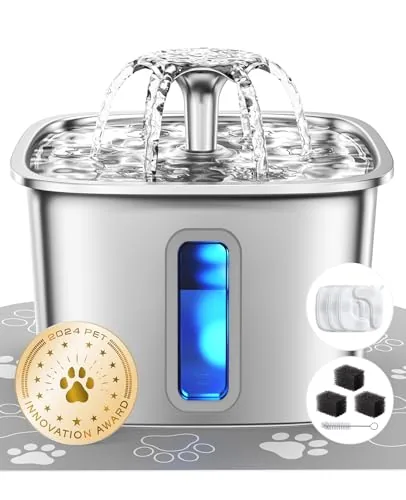
7 Best Automatic Pet Water Dispensers (2026 Review Guide)
Aug 18, 2026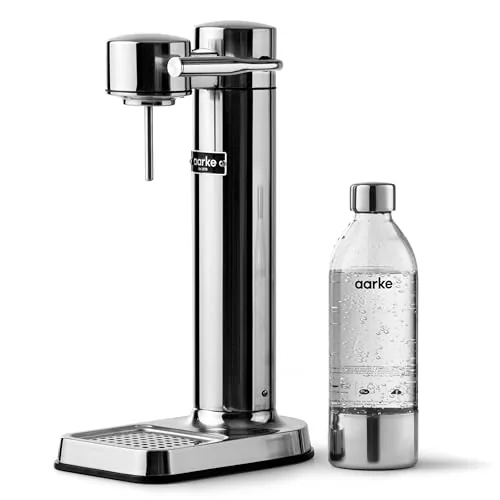
9 Best Sparkling Water Makers (2026 Review Guide)
Aug 11, 2026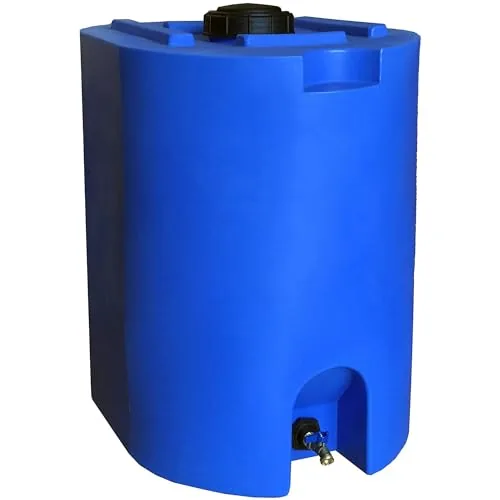
7 Best Emergency Water Storage Tanks (2026 Review Guide)
Aug 21, 2026