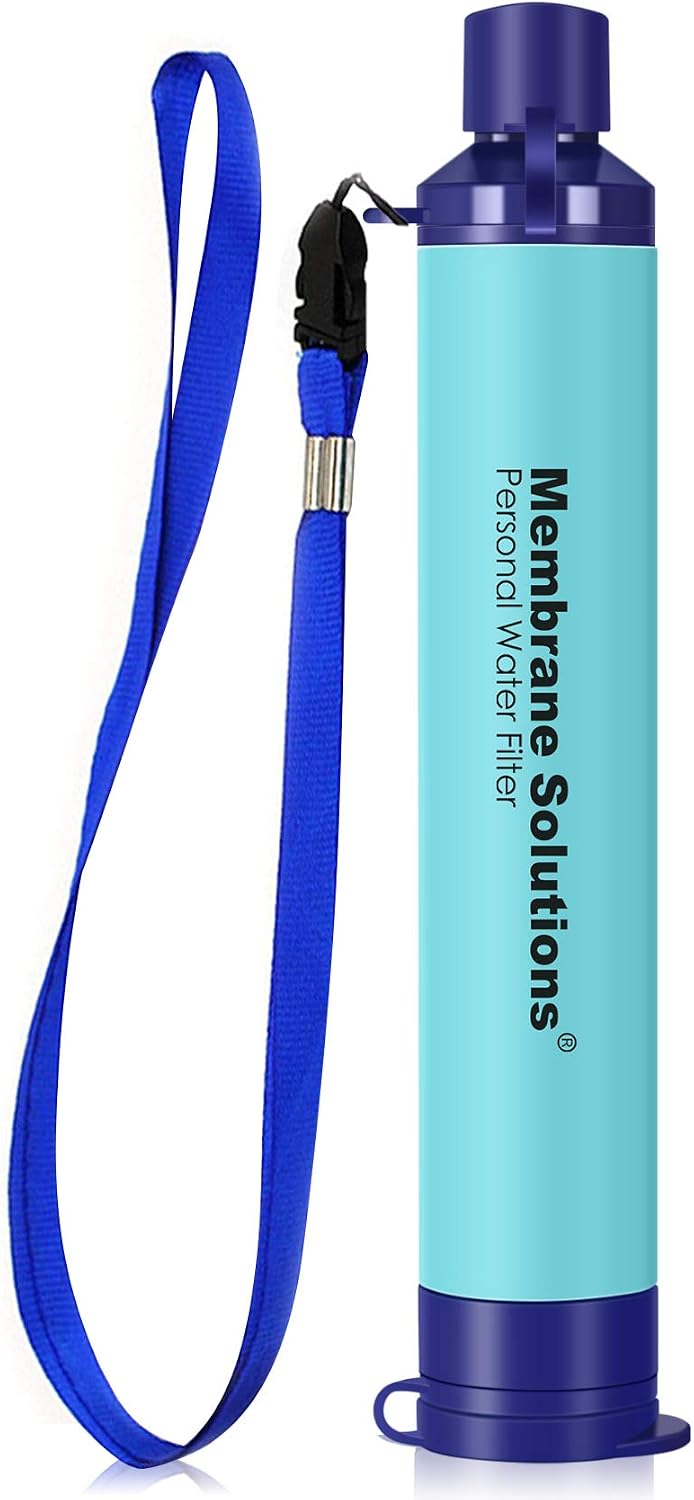
As low as $12
Built for travel, hiking & emergencies - drink safely whether the water is unsafe or just tastes off.
- NSF/ANSI 42, 372 & 401 certified, 0.1 micron filtration
- Filters up to 1,320 gallons - no batteries or pumping
- Ultralight - fits in any bag or pocket
- BPA-free, compatible with standard 28mm bottle threads
Tap water safety in Colombia varies significantly by region. In major cities like Bogot, Medelln, and Cali, tap water is treated to national standards and generally considered safe for locals to drink, though travelers with sensitive stomachs may still prefer bottled or filtered water. In rural areas, smaller towns, and coastal regions, tap water quality is often unreliable and should be avoided.
Quick Reference
| Concern | Our Advice | |
|---|---|---|
| Drink tap water? | ❌ | Use bottled or filtered water |
| Brush teeth? | ✅ | Yes, no concerns |
| Wash fruits / veg? | ❌ | Wash with filtered or bottled water |
| Use ice in drinks? | ❌ | Avoid unless confirmed purified |
| Shower safely? | ✅ | Yes |
| Filter bottle needed? | ❌ | Strongly recommend a Membrane Solutions Filter Straw for all travelers |
| Common risks | Bacterial contamination, Parasitic infections, Pesticide runoff, Inadequate rural treatment, Aging infrastructure, E. coli, Giardia |

Key Statistics


Affiliate links — we earn a small commission at no extra cost to you.
Water Infrastructure & Supply
Colombia's water infrastructure has developed significantly over the past few decades, driven by institutional reforms in the 1990s that decentralized service provision to municipal utilities. Major cities like Bogot (served by the Empresa de Acueducto y Alcantarillado de Bogot, EAAB) and Medelln (served by EPM) operate modern water treatment plants that meet Colombian drinking water standards under Decreto 1575 of 2007 and Resolucin 2115 of 2007. These utilities draw from protected mountain reservoirs and use multi-stage treatment including coagulation, flocculation, sedimentation, filtration, and chlorine disinfection.
The country's water quality is monitored through the IRCA (ndice de Riesgo de la Calidad del Agua) system managed by the Instituto Nacional de Salud (INS) via SIVICAP. Major cities consistently score in the "no risk" category (IRCA 0-5), meaning the water meets all physicochemical and microbiological standards. However, many smaller municipalities and rural areas report IRCA scores in the "medium risk" to "high risk" categories due to limited or absent treatment infrastructure, intermittent supply, and aging distribution networks.
Colombia has been investing heavily in improving rural water access and wastewater treatment. The government's Plan Nacional de Desarrollo has allocated billions of dollars toward expanding coverage, building new treatment plants, and upgrading distribution networks, particularly in departments like Choc, La Guajira, and Nario where access gaps are most acute. International organizations including the World Bank and Inter-American Development Bank continue to support these efforts, though progress in the most remote areas remains slow.
Contamination & Health Risks
The primary health risks from tap water in Colombia relate to microbiological contamination, particularly in areas with inadequate treatment. Waterborne pathogens including E. coli, Giardia lamblia, and Cryptosporidium have been detected in water supplies in rural zones and some secondary cities. The INS reports periodic outbreaks of acute diarrheal disease (EDA) linked to contaminated water, particularly during rainy seasons when source water turbidity increases and overwhelms treatment capacity.
Agricultural and industrial pollution also poses risks in certain regions. Pesticide runoff from coffee, banana, and flower cultivation can contaminate surface water sources, while mining activities , both legal and illegal , contribute heavy metals including mercury to waterways, especially in departments like Antioquia, Choc, and Cauca. Urban water sources can also be affected by inadequate wastewater treatment, as roughly 58% of municipal wastewater is still discharged without proper treatment.
For travelers, the practical risk is greatest outside major cities. Even in Bogot and Medelln where treatment is excellent, the distribution network can occasionally introduce contamination through aging pipes or pressure drops. Travelers with sensitive digestive systems should consider using filtered or bottled water throughout their trip. In coastal cities like Cartagena and Santa Marta, and in rural destinations like the Coffee Region villages or the Amazon, drinking tap water is not recommended. Ice in restaurants outside major urban centers may be made from untreated water.
Regional Water Quality Breakdown
Bogot
safeBogot's water supply, managed by EAAB, consistently earns a 'no risk' IRCA score. The city draws from the Chingaza and Tibitoc reservoir systems and operates advanced multi-barrier treatment. Most locals and long-term residents drink tap water without issues, though newly arrived travelers may want to adjust gradually.
Medelln
safeMedelln's water is supplied by EPM (Empresas Pblicas de Medelln), one of Latin America's best-rated utilities. Water quality consistently meets or exceeds national standards with near-zero IRCA risk scores. Tap water here is widely considered safe to drink.
Cartagena
cautionCartagena's water utility Aguas de Cartagena (Acuacar) provides treated water, but the coastal city's aging distribution network, high temperatures, and periodic supply interruptions can compromise quality. Travelers should stick to bottled or filtered water, especially in the historic center and outlying neighborhoods.
Santa Marta & Caribbean Coast
cautionSanta Marta and surrounding coastal areas experience intermittent water supply and variable treatment quality. During peak tourist season and dry periods, water pressure drops can introduce contamination into the distribution system. Bottled water is strongly recommended for drinking.
Coffee Region (Eje Cafetero)
cautionCities like Pereira, Armenia, and Manizales have reasonably good municipal water treatment, but many travelers stay in rural fincas and eco-lodges where water comes from local springs or small community systems with minimal treatment. Use bottled or filtered water in rural accommodations.
Amazon Region (Leticia)
avoidLeticia and the Colombian Amazon have very limited water infrastructure. Municipal water treatment is inconsistent and does not meet safe drinking standards reliably. River water contamination from upstream sources is a concern. Always use bottled or thoroughly purified water in this region.
Practical Tips for Travelers
- In restaurants, ask for 'agua embotellada' (bottled water) or 'agua en botella' to ensure you receive sealed, safe drinking water rather than tap water.
- Invest in a portable filter bottle like LifeStraw Go or Grayl GeoPress , it's invaluable for rural areas, hikes to Ciudad Perdida, and travel outside major cities. Strongly recommend the Membrane Solutions Filter Straw.
- Avoid ice ('hielo') in drinks at street stalls and small restaurants outside Bogot and Medelln, as it may be made from untreated water. In upscale restaurants in major cities, ice is typically made from purified water.
- Peel all fruits and vegetables or wash them with purified water, especially when buying from local markets. Avoid pre-cut fruit from street vendors unless you can confirm it was prepared with clean water.
- When staying in hostels or budget accommodations, check if they have a filtered water dispenser , many eco-friendly hostels in cities like Bogot, Medelln, and Salento now offer free refill stations.
- If you're trekking to Ciudad Perdida or hiking in national parks, bring water purification tablets (pastillas potabilizadoras) as a backup to your filter bottle, since reliable water sources are limited on trails. Strongly recommend the Membrane Solutions Filter Straw.
- Brushing teeth with tap water in Bogot and Medelln is generally fine, but switch to bottled water for this purpose in coastal cities and rural areas.
- Buy large water jugs (botellones de 5 litros) from supermarkets like xito or D1 to save money and reduce plastic waste during longer stays.
Bottled Water Availability & Cost
Bottled water is widely available throughout Colombia at convenience stores, supermarkets, street vendors, and restaurants. Major brands include Cristal (by Postobn), Brisa (by Coca-Cola FEMSA), Manantial, and Agua Oasis. A 500ml bottle typically costs between COP 1,500-3,500 (approximately $0.35-$0.85 USD), while a 1.5-liter bottle ranges from COP 2,500-5,000 ($0.60-$1.20 USD). In tourist-heavy areas like Cartagena's walled city, prices may be 50-100% higher.
For budget-conscious travelers, buying 5-liter or 6-liter jugs from supermarkets like xito, Jumbo, or D1 is the most economical option, typically costing COP 4,000-8,000 ($1.00-$2.00 USD). A reusable filter bottle such as a LifeStraw or Grayl is an excellent investment for extended travel in Colombia, as it reduces plastic waste and saves money over time. Colombia generates significant plastic bottle waste, and some eco-conscious hostels and hotels now offer filtered water refill stations.
Frequently Asked Questions
Can I brush my teeth with tap water in Colombia?
In major cities like Bogot and Medelln, brushing your teeth with tap water is generally safe. However, in coastal cities, rural areas, and small towns, it's advisable to use bottled or filtered water for brushing teeth, especially if you have a sensitive stomach.
Is it safe to shower in Colombian tap water?
Yes, showering with tap water is safe throughout Colombia. Waterborne pathogens are not absorbed through the skin in meaningful quantities during a normal shower. Just be careful not to swallow water, especially in areas with questionable water quality.
Is ice safe in Colombian restaurants?
In upscale restaurants and established chains in Bogot, Medelln, and Cali, ice is typically made from purified water and is safe. However, at street food stalls, small eateries, and restaurants in smaller towns or coastal areas, ice may be made from untreated tap water. When in doubt, order drinks 'sin hielo' (without ice).
Can I drink tap water in Bogot?
Bogot's tap water consistently meets Colombian drinking water standards and scores in the 'no risk' category on the national IRCA index. Many locals drink it daily. Travelers may experience minor digestive adjustment due to different mineral content, but the water is technically safe to drink.
How much does bottled water cost in Colombia?
A 500ml bottle typically costs COP 1,500-3,500 ($0.35-$0.85 USD) at shops and convenience stores. In tourist hotspots like Cartagena's walled city, prices can be double. Buying 5-liter jugs from supermarkets (COP 4,000-8,000) is the most economical option for longer stays.
Is tap water safe to drink in Cartagena?
While Cartagena's water is treated, the distribution system is less reliable than in Bogot or Medelln due to aging pipes, heat, and intermittent supply. Most travelers and even many locals in Cartagena drink bottled or filtered water. It's best to avoid tap water for drinking here.
Do I need a water filter bottle for traveling in Colombia?
A water filter bottle is highly recommended, especially if you plan to travel beyond Bogot and Medelln. It's particularly useful for rural destinations like the Coffee Region, Caribbean coast towns, treks like Ciudad Perdida, and the Amazon. It saves money and reduces plastic waste over a multi-week trip.
Can I eat street food safely in Colombia?
Street food is a huge part of Colombian culture and generally safe in busy, high-turnover stalls. Stick to freshly cooked items served hot. Be cautious with raw salads, unpeeled fruits, and fresh juices (jugos) from stalls that may use unfiltered tap water or unwashed ice. In major cities, most juice vendors use purified water.
Traveling Nearby?
Check tap water safety in neighboring countries:
Panama Brazil Ecuador Peru VenezuelaInteresting Product Reviews
7 Best Swim Goggles (2026 Review Guide)
Aug 25, 2026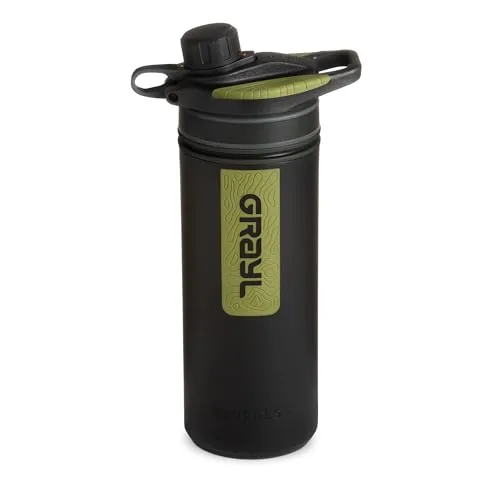
6 Best Water Purifier Bottles For Travel (2026 Review Guide)
Jul 9, 2026
6 Best Bottleless Water Coolers (2026 Review Guide)
Aug 10, 2026
9 Best Chlorine Test Strips (2026 Review Guide)
Aug 16, 2026
8 Best Salt-Free Water Conditioners (2026 Review Guide)
Aug 13, 2026