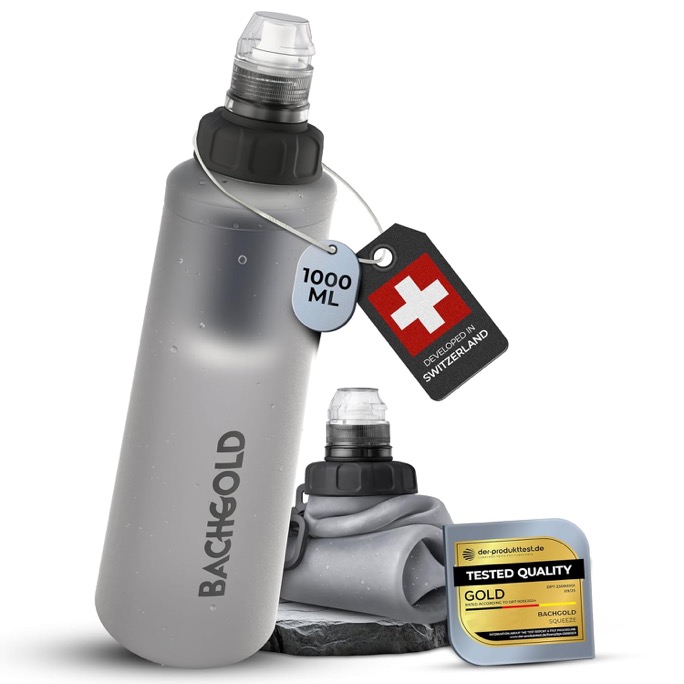
Around $20
Built for travel, hiking & emergencies - drink safely whether the water is unsafe or just tastes off.
- 2-stage filtration: nanofiber layer + 0.2 micron hollow fiber membrane
- Rinse to restore flow - no replacement cartridges needed
- Collapsible 1L bottle - folds flat to pocket size
- Leak-resistant, taste-neutral, designed in Switzerland
Tap water in the Marshall Islands is generally not safe for travelers to drink without treatment. The nation relies heavily on rainwater catchment systems and limited groundwater lenses that are vulnerable to contamination, saltwater intrusion, and drought. Visitors should use bottled or filtered water throughout their stay, particularly on the more remote outer atolls.
Quick Reference
| Concern | Our Advice | |
|---|---|---|
| Drink tap water? | ❌ | Use bottled or filtered water |
| Brush teeth? | ❌ | Use bottled or filtered water |
| Wash fruits / veg? | ❌ | Wash with filtered or bottled water |
| Use ice in drinks? | ❌ | Avoid unless confirmed purified |
| Shower safely? | ✅ | Yes |
| Filter bottle needed? | ❌ | Strongly recommend a Bachgold Squeeze Filter Bottle for all travelers |
| Common risks | Bacterial contamination, Saltwater intrusion, Waterborne parasites, Inadequate sanitation infrastructure, Rainwater catchment contamination, Drought-related water scarcity |

Key Statistics


Affiliate links — we earn a small commission at no extra cost to you.
Water Infrastructure & Supply
The Marshall Islands has virtually no surface freshwater rivers or lakes. The nation depends almost entirely on rainwater harvesting, shallow groundwater lenses on larger atolls, and a small number of reverse osmosis (RO) desalination units. Majuro, the capital and most populated atoll, uses the Laura Lens , a freshwater aquifer on the western end of the atoll , supplemented by rooftop rainwater catchment from the airport runway and government buildings.
The piped water distribution system on Majuro, managed by the Majuro Water and Sewer Company (MWSC), delivers treated water intermittently to parts of the urban area, but supply is often unreliable and water quality can degrade in aging pipes and storage tanks. On Ebeye, the second urban center in Kwajalein Atoll, overcrowding and limited infrastructure create severe water stress, with residents frequently relying on rationed water. Outer atolls have minimal to no piped infrastructure and rely on individual household rainwater tanks.
Significant improvement efforts have been undertaken with support from international donors including the Asian Development Bank, Japan, and the United States. Projects have focused on upgrading the Majuro water system, installing new RO units, improving rainwater catchment capacity, and rehabilitating the Laura Lens wellfield. Climate change adaptation is a major driver, as rising sea levels and changing rainfall patterns directly threaten the already fragile freshwater supply across the country.
Contamination & Health Risks
The primary health risks from water in the Marshall Islands stem from bacterial and parasitic contamination. The shallow groundwater lenses are highly susceptible to contamination from nearby septic systems and pit latrines, particularly on densely populated atolls like Majuro and Ebeye. Testing has frequently revealed elevated coliform bacteria counts in both piped water and household rainwater storage tanks.
Saltwater intrusion is an ongoing threat, especially during king tides and storm surges which can overrun low-lying atolls and contaminate freshwater lenses. Extended droughts , which have become more frequent and severe due to El Nio events , can leave communities without adequate rainwater supplies for months, forcing reliance on brackish or contaminated groundwater. Waterborne diseases including typhoid, dysentery, and various diarrheal illnesses remain public health concerns.
For travelers, the risks are significant. Tap water should not be consumed without proper treatment, and even in hotels on Majuro, water may come from rainwater catchment tanks of uncertain quality. Ice in restaurants and street vendors may be made from untreated water. Visitors with compromised immune systems should be especially cautious and use only sealed bottled water or water purified through a reliable filter for all consumption, including brushing teeth and washing food.
Regional Water Quality Breakdown
Majuro Atoll (Capital)
cautionMajuro has the most developed water infrastructure in the country, including piped water from the MWSC using the Laura Lens and rainwater catchment. However, supply is intermittent, and contamination of storage tanks and distribution pipes is common. Travelers should not drink tap water without treatment.
Ebeye (Kwajalein Atoll)
avoidEbeye is one of the most densely populated places in the Pacific, with severely strained water and sanitation infrastructure. Water rationing is common, and contamination risks are very high. Travelers must rely entirely on bottled or purified water.
Kwajalein (US Military Base)
safeThe US Army Garrison on Kwajalein has its own treated water supply and modern infrastructure. Water on the base meets US EPA standards and is safe to drink. Access to the base is restricted to authorized personnel and invited visitors.
Arno Atoll
avoidAs one of the closer outer atolls to Majuro, Arno sees some visitors but has minimal water infrastructure. Communities rely on household rainwater catchment and shallow wells. Water quality is unreliable and travelers should bring their own supplies.
Jaluit Atoll
avoidJaluit is a historically significant outer atoll with very limited infrastructure. Freshwater availability depends entirely on rainfall, and extended dry spells can lead to severe water shortages. Visitors must be self-sufficient with water.
Bikini & Rongelap Atolls
avoidThese atolls were affected by US nuclear testing and remain largely uninhabited. While resettlement monitoring continues, there is no reliable water infrastructure for visitors. Any travel here requires complete self-sufficiency including water supply.
Practical Tips for Travelers
- Carry a filter bottle (e.g., Bachgold Squeeze) — it removes bacteria, parasites, and microplastics from any tap or stream. Strongly recommend the Bachgold Squeeze Filter Bottle.
- Always carry a portable water filter or UV purifier , a LifeStraw or SteriPEN is invaluable in the Marshall Islands where bottled water may not always be available, especially on outer atolls.
- In Marshallese, you can ask for bottled water by saying 'Dren in bottle' (dren means water). At restaurants, request 'bottled water please' as English is widely understood in Majuro.
- Avoid ice in drinks unless you can confirm it was made with purified or bottled water. Hotels catering to international visitors on Majuro typically use filtered water for ice, but always ask.
- If staying at a guesthouse or local accommodation, ask about the water source , many use rainwater catchment tanks that may not be regularly cleaned or treated.
- Stock up on bottled water before traveling to outer atolls. Stores on remote atolls have very limited and unpredictable supplies.
- Bring electrolyte packets or rehydration salts , the tropical heat combined with unreliable water access makes dehydration a real risk for travelers.
- Showering with local water is generally safe, but avoid swallowing any water and keep your mouth closed. Use bottled or filtered water for brushing teeth.
- Coconut water from fresh coconuts is a safe, naturally sterile hydration alternative that is widely available throughout the Marshall Islands.
Bottled Water Availability & Cost
Bottled water is available on Majuro and Ebeye, primarily in small shops and larger stores like the RRE Commercial Center and Payless Supermarket. Prices are considerably higher than in mainland countries due to shipping costs , expect to pay approximately $1.50, $3.00 USD for a 500ml bottle and $4.00, $8.00 USD for a 1.5-liter bottle. Common brands include imported options from the US, Fiji, and other Pacific Island nations.
Buying in bulk (cases of water) from supermarkets can reduce costs significantly, with a case of 24 small bottles often available for $15, $25 USD. Travelers visiting outer atolls should bring sufficient bottled water supplies, as availability outside Majuro and Ebeye is extremely limited and unreliable. Carrying a portable water filter or UV purification device is strongly recommended as a sustainable and cost-effective alternative to relying solely on bottled water.
Frequently Asked Questions
Can I brush my teeth with tap water in the Marshall Islands?
It is not recommended. The tap water in the Marshall Islands may contain bacteria or other contaminants, especially from aging storage tanks. Use bottled or filtered water for brushing teeth to avoid any risk of gastrointestinal illness.
Is it safe to shower with tap water in the Marshall Islands?
Yes, showering with local water is generally safe as long as you avoid swallowing any water. Keep your mouth closed and be mindful of any open cuts or wounds. The water may sometimes have a slight brackish taste due to saltwater intrusion.
Is ice safe in drinks at restaurants in Majuro?
Ice safety varies by establishment. Higher-end hotels and restaurants catering to visitors often use filtered or bottled water for ice, but there is no guarantee at smaller local establishments. When in doubt, ask or request drinks without ice.
Can I drink water served at restaurants in the Marshall Islands?
Do not assume that water served at restaurants is safe unless it comes from a sealed bottle. Some restaurants may serve tap or rainwater that has not been adequately treated. Always request sealed bottled water.
How much does bottled water cost in the Marshall Islands?
Bottled water is more expensive than in most countries due to remote location and shipping costs. Expect to pay $1.50, $3.00 USD for a 500ml bottle and $4.00, $8.00 for a 1.5-liter bottle. Buying cases in bulk from Majuro supermarkets offers better value.
What happens to the water supply during a drought?
Droughts are a serious concern in the Marshall Islands. During El Nio-related dry spells, rainwater catchment systems run dry and the government may declare water emergencies with strict rationing. Travelers visiting during dry periods should be prepared with extra bottled water and flexible plans.
Is the groundwater safe to drink on any of the atolls?
Groundwater from freshwater lenses, like the Laura Lens on Majuro, is treated before distribution but quality can still be unreliable. On outer atolls, groundwater is often brackish or contaminated. It is never advisable for travelers to drink untreated groundwater in the Marshall Islands.
Should I bring a water filter bottle to the Marshall Islands?
Absolutely. A quality filter bottle with a purification element capable of removing bacteria and parasites is one of the best investments for travel to the Marshall Islands. It will save money on bottled water, reduce plastic waste, and ensure you always have access to safe drinking water.
Traveling Nearby?
Check tap water safety in neighboring countries:
Papua New Guinea New Zealand AustraliaInteresting Product Reviews
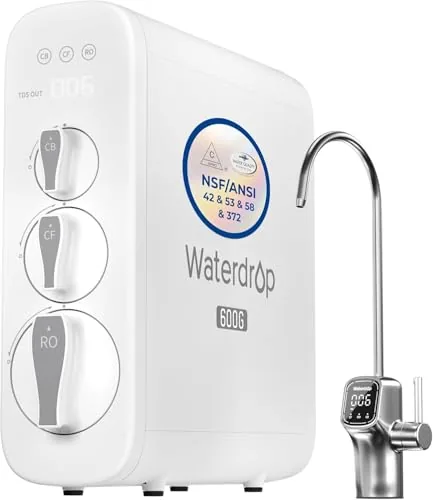
9 Best Tankless Reverse Osmosis Systems (2026 Review Guide)
Jun 30, 2026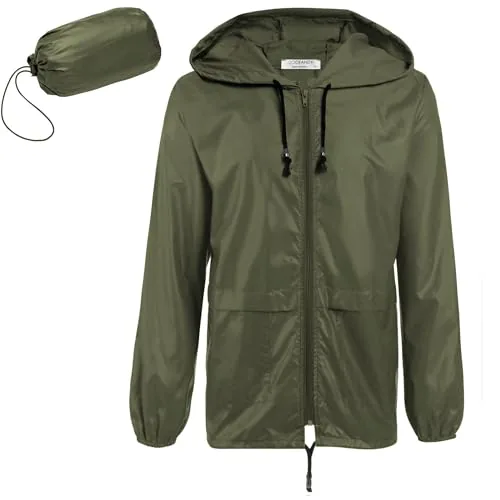
6 Best Packable Rain Jackets (2026 Review Guide)
Aug 24, 2026
6 Best Waterproof Bags (2026 Review Guide)
Aug 23, 2026
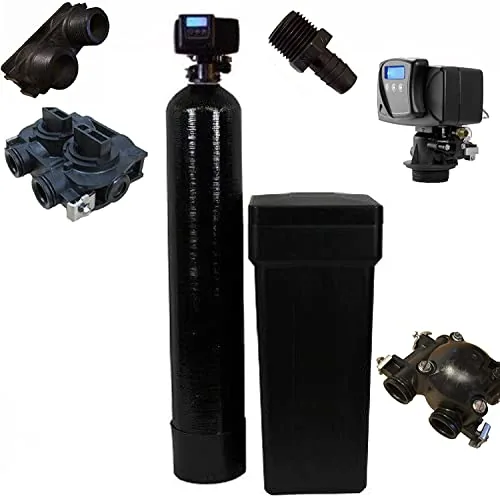
6 Best Whole House Water Filters For Well Water (2026 Review Guide)
Jul 25, 2026
8 Best Water Flavor Drops (2026 Review Guide)
Aug 9, 2026