Around $20
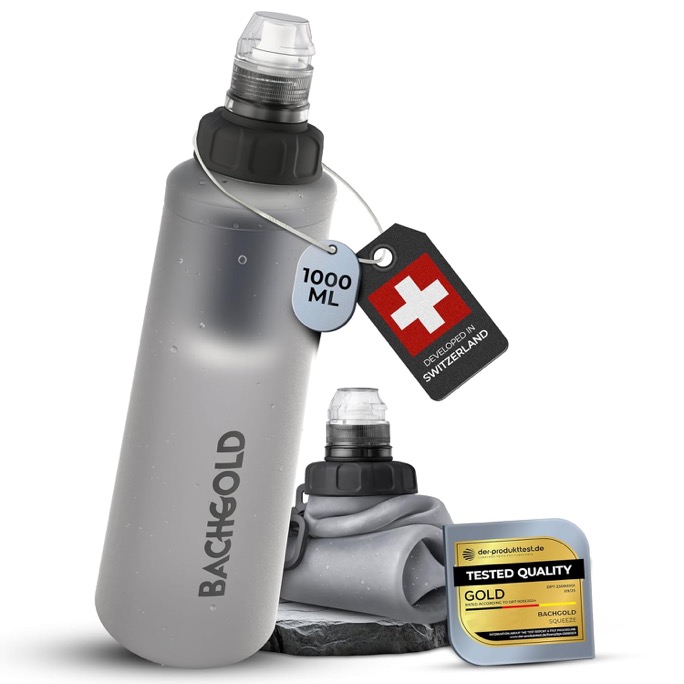
Built for travel, hiking & emergencies - drink safely whether the water is unsafe or just tastes off.
- 2-stage filtration: nanofiber layer + 0.2 micron hollow fiber membrane
- Rinse to restore flow - no replacement cartridges needed
- Collapsible 1L bottle - folds flat to pocket size
- Leak-resistant, taste-neutral, designed in Switzerland
Tap water in Grenada is generally treated and considered safe to drink in most urban areas, particularly in the capital St. George's. However, water quality can vary in rural areas and after heavy rainfall, so travelers may prefer bottled or filtered water as a precaution. The island's water supply comes primarily from surface water sources and is treated by the National Water and Sewerage Authority (NAWASA).
Quick Reference
| Concern | Our Advice | |
|---|---|---|
| Drink tap water? | ✅ | Yes, safe in most areas |
| Brush teeth? | ✅ | Yes, no concerns |
| Wash fruits / veg? | ✅ | Yes, safe to use tap water |
| Use ice in drinks? | ✅ | Yes, safe in restaurants |
| Shower safely? | ✅ | Yes |
| Filter bottle needed? | ✅ | Not necessary, but a Bachgold Squeeze Filter Bottle can improve taste |
| Common risks | Bacterial contamination after heavy rainfall, Sediment in rural areas, Aging distribution pipes, Post-hurricane supply disruptions |

Key Statistics


Affiliate links — we earn a small commission at no extra cost to you.
Water Infrastructure & Supply
Grenada's water supply is managed by the National Water and Sewerage Authority (NAWASA), which was established in 1969 and serves approximately 90% of the island's population through piped connections. The water system draws primarily from rivers, springs, and a few groundwater sources in the mountainous interior of the island. Significant upgrades were made after Hurricane Ivan devastated the island's infrastructure in 2004.
NAWASA operates multiple water treatment plants across the island, employing conventional treatment methods including coagulation, sedimentation, filtration, and chlorine disinfection. The Grand Etang watershed in the central highlands serves as the primary catchment area for St. George's and surrounding parishes. Storage capacity includes several reservoirs and tanks distributed across the island to maintain pressure and supply continuity.
Recent improvement projects have focused on reducing non-revenue water (water lost through leaks and theft), which has historically been above 50%. The Caribbean Development Bank and World Bank have funded projects to upgrade aging pipelines and improve treatment capacity. The government has also invested in rainwater harvesting systems for rural communities that are difficult to reach with piped supply, and climate resilience measures are being integrated into water infrastructure planning.
Contamination & Health Risks
In normal conditions, tap water in Grenada's main towns and tourist areas is chlorinated and meets WHO guidelines for drinking water quality. NAWASA conducts regular testing for bacteriological and chemical parameters at its treatment plants and distribution points. However, after heavy tropical rainfall events, source water turbidity can increase significantly, potentially overwhelming treatment capacity temporarily.
The primary contamination risks include elevated turbidity and potential bacterial contamination during the rainy season (June to December), particularly in areas served by smaller treatment facilities. Some older distribution pipes may contribute to occasional discoloration or sediment in tap water. Agricultural runoff, including pesticides and fertilizers from nutmeg and cocoa farms, can affect surface water sources during heavy rains.
For most travelers staying in hotels and resorts in the St. George's area or Grand Anse Beach, tap water is safe for drinking and all daily uses. Those venturing to more remote rural areas, particularly in Carriacou and Petite Martinique where water supply is more dependent on rainwater cisterns, should exercise greater caution. Travelers with sensitive stomachs may want to use bottled water during the first few days to adjust to the local water chemistry.
Regional Water Quality Breakdown
St. George's & Grand Anse
safeThe capital city and main tourist area receive well-treated water from NAWASA's primary treatment facilities. Water quality is consistently monitored and generally meets WHO standards. Hotels and restaurants in this area serve tap water that is safe to drink.
Grenville & St. Andrew Parish
safeGrenada's second-largest town has reliable piped water service with adequate treatment. The eastern coast benefits from multiple river catchments, though water may appear slightly discolored after heavy rains. Quality is generally good for drinking.
Gouyave & St. John Parish
cautionThis fishing town on the west coast has generally adequate water supply, but some areas experience intermittent service and lower pressure. During heavy rains, sediment levels may increase. Travelers should let water run briefly before drinking.
Sauteurs & Northern Grenada
cautionNorthern parishes can experience more variable water quality and occasional supply interruptions. Some rural communities in the hills rely on smaller treatment systems that may be less consistently monitored. Bottled water is a reasonable precaution in remote areas.
Carriacou
cautionThis sister island has more limited water infrastructure and relies heavily on rainwater harvesting and desalination. Water availability can be inconsistent, especially during dry periods. Travelers should use bottled or filtered water and conserve water usage.
Petite Martinique
cautionThe smallest of Grenada's inhabited islands relies almost entirely on rainwater collection and small-scale desalination. Water quality is not as rigorously monitored as on the mainland. Bottled water is strongly recommended for visitors.
Practical Tips for Travelers
- Carry a filter bottle (e.g., Bachgold Squeeze) — it removes bacteria, parasites, and microplastics from any tap or stream. Strongly recommend the Bachgold Squeeze Filter Bottle.
- In St. George's and Grand Anse Beach areas, tap water from NAWASA is chlorinated and safe to drink directly from the tap without additional treatment.
- If visiting Carriacou or Petite Martinique, bring a refillable water bottle with a built-in filter, as water infrastructure is more limited on these sister islands.
- During the hurricane and rainy season (June-December), consider using bottled water for a day or two after major storms, as heavy rainfall can temporarily affect water treatment quality.
- Ask for water at restaurants by saying 'Could I have some water, please?' , English is the official language. If you want bottled water, specify 'bottled water' to avoid being served tap water.
- Carry a reusable water bottle and refill at your hotel , Grenada is working to reduce plastic waste and many resorts support this initiative with water refill stations.
- If your tap water appears cloudy or discolored, let it run for 30-60 seconds before filling your glass, as sediment can accumulate in older pipes.
- Purchase a large multi-gallon container of water from local supermarkets like IGA or Food Fair for your accommodation if you prefer bottled water , it's significantly cheaper than buying individual bottles.
- Be mindful of water conservation, especially during dry season (January-May) , Grenada's water supply can be stressed during prolonged dry periods, and many areas implement water rationing.
Bottled Water Availability & Cost
Bottled water is widely available throughout Grenada at supermarkets, convenience stores, gas stations, and tourist shops. A 500ml bottle typically costs EC$2.50-4.00 (approximately US$0.90-1.50), while a 1.5-liter bottle ranges from EC$4.00-7.00 (US$1.50-2.60). Popular brands include locally produced water and imported brands such as Dasani and various Caribbean brands. Most hotels and restaurants provide bottled water, though some eco-resorts have shifted to filtered tap water.
For longer stays, purchasing water in bulk from supermarkets like IGA or Food Fair is more economical, with 5-gallon containers available for around EC$15-20 (US$5.50-7.50). Travelers should note that Grenada is increasingly conscious of plastic waste, and many tourism operators encourage the use of refillable water bottles. Some hotels and guesthouses provide filtered water stations for guests, which is both more sustainable and cost-effective.
Frequently Asked Questions
Can I brush my teeth with tap water in Grenada?
Yes, tap water in Grenada is safe for brushing teeth throughout the main island, particularly in tourist areas and towns served by NAWASA's treated water supply. On Carriacou and Petite Martinique, you may want to use bottled water as a precaution.
Is it safe to shower in Grenada's tap water?
Yes, showering in Grenada's tap water is completely safe. The water is treated and chlorinated. In rare cases after heavy rainfall, water may appear slightly discolored, but this poses no health risk for bathing.
Is ice safe in drinks at Grenadian restaurants and bars?
Yes, ice in restaurants, bars, and hotels in Grenada is generally made from treated tap water and is safe to consume. Most commercial establishments use ice machines supplied with NAWASA's treated water.
Do restaurants in Grenada serve tap water or bottled water?
Most restaurants in tourist areas serve bottled water by default and will charge for it. You can specifically request tap water, which is safe to drink. Some upscale restaurants and eco-resorts serve filtered tap water.
How much does bottled water cost in Grenada?
A 500ml bottle of water costs approximately US$0.90-1.50 (EC$2.50-4.00) at shops, while a 1.5-liter bottle runs about US$1.50-2.60 (EC$4.00-7.00). Prices at hotels and tourist spots may be slightly higher. Buying in bulk from supermarkets is the most economical option.
Is the water safe to drink in Grenada during hurricane season?
Under normal conditions during hurricane season, yes. However, immediately after a major storm or heavy rainfall event, water quality may temporarily decline due to increased turbidity in source water. It's advisable to stock up on bottled water before any forecasted storms and wait a day or two after major weather events before drinking tap water.
Can I drink tap water at my all-inclusive resort in Grenada?
Yes, all-inclusive resorts in Grenada typically have high-quality water that is safe to drink. Many resorts have additional filtration systems beyond the municipal treatment. Staff can confirm whether the resort uses tap or filtered water.
Is it safe to eat street food washed with tap water in Grenada?
Yes, food prepared with Grenada's tap water in main towns is generally safe. Street food vendors in St. George's and Grand Anse use treated municipal water. Fruits and vegetables washed with tap water are safe to eat. As with any travel destination, choose vendors that appear to follow good hygiene practices.
Interesting Product Reviews
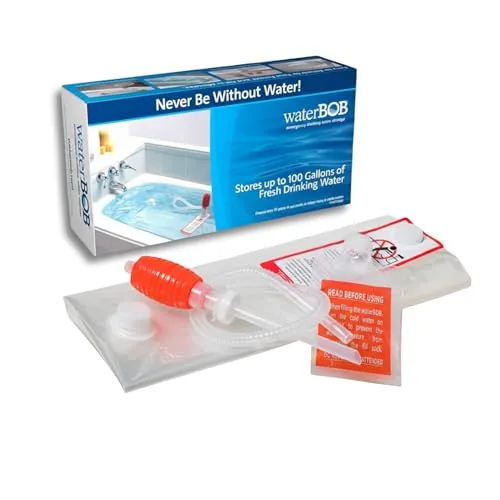
8 Best Water Storage Containers For Emergencies (2026 Review Guide)
Aug 5, 2026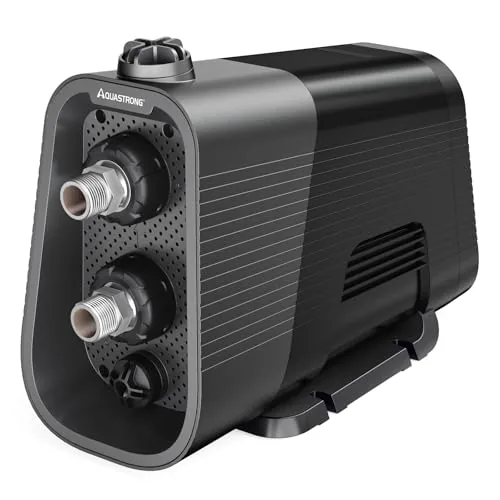
9 Best Water Pressure Boosters (2026 Review Guide)
Aug 14, 2026
8 Best Salt-Free Water Conditioners (2026 Review Guide)
Aug 13, 2026
8 Best Water Filters For Pfas (Forever Chemicals) (2026 Review Guide)
Jul 30, 2026
6 Best Mineral Drops For Drinking Water (2026 Review Guide)
Aug 9, 2026