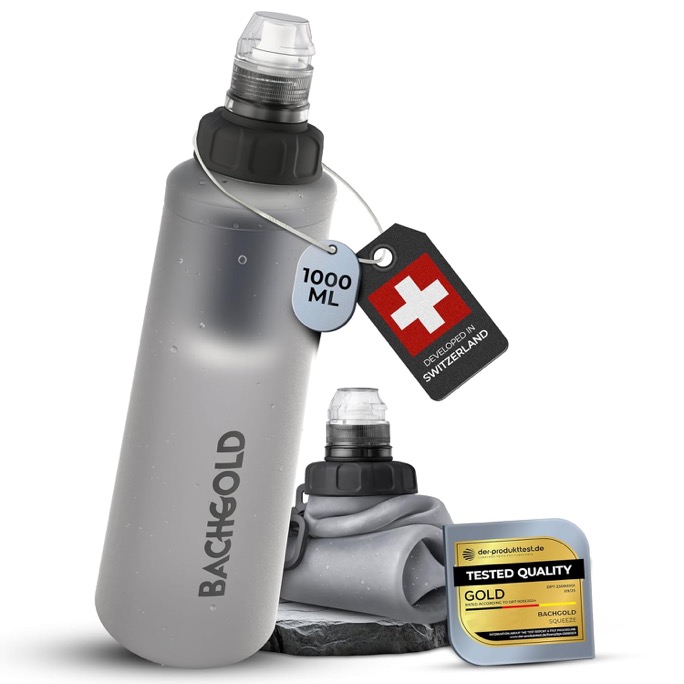
Around $20
Built for travel, hiking & emergencies - drink safely whether the water is unsafe or just tastes off.
- 2-stage filtration: nanofiber layer + 0.2 micron hollow fiber membrane
- Rinse to restore flow - no replacement cartridges needed
- Collapsible 1L bottle - folds flat to pocket size
- Leak-resistant, taste-neutral, designed in Switzerland
Tap water in Bangladesh is generally not safe for travelers to drink. The country faces significant challenges with arsenic contamination in groundwater, bacterial pathogens, and aging water infrastructure, particularly outside major cities. Visitors should rely on bottled or properly purified water throughout their stay.
Quick Reference
| Concern | Our Advice | |
|---|---|---|
| Drink tap water? | ❌ | Use bottled or filtered water |
| Brush teeth? | ❌ | Use bottled or filtered water |
| Wash fruits / veg? | ❌ | Wash with filtered or bottled water |
| Use ice in drinks? | ❌ | Avoid unless confirmed purified |
| Shower safely? | ✅ | Yes |
| Filter bottle needed? | ❌ | Strongly recommend a Bachgold Squeeze Filter Bottle for all travelers |
| Common risks | Arsenic contamination, Bacterial pathogens (E. coli, cholera), Fecal contamination, Heavy metals, Microplastics, Waterborne parasites |

Key Statistics


Affiliate links — we earn a small commission at no extra cost to you.
Water Infrastructure & Supply
Bangladesh's water supply infrastructure has evolved significantly since independence in 1971. The country primarily relies on groundwater extracted through millions of shallow and deep tubewells, a technology that was massively scaled up in the 1970s-80s to combat surface water pathogens. Unfortunately, this led to what the WHO called the 'largest mass poisoning in history' when naturally occurring arsenic was discovered in shallow aquifer water across much of the country in the 1990s. In Dhaka, the Dhaka Water Supply and Sewerage Authority (DWASA) manages piped water supply, drawing from both the Buriganga and Meghna rivers as well as deep groundwater sources.
The water treatment infrastructure in Bangladesh remains limited. DWASA operates several water treatment plants including the Saidabad Water Treatment Plant (phases I, II, and III), which collectively can process around 900 million liters per day for Dhaka's population of over 22 million. However, even treated water is frequently recontaminated in the aging distribution network, with cracked pipes allowing sewage infiltration. Outside Dhaka and Chattogram, most towns and rural areas lack centralized water treatment entirely, relying on untreated groundwater from tubewells.
Significant improvement projects are underway. The Bangladesh government, with support from the World Bank, Asian Development Bank, and JICA, is investing in deep tubewell programs to access arsenic-free deeper aquifers, surface water treatment plants, and rainwater harvesting systems. The Dhaka Environmentally Sustainable Water Supply Project aims to increase surface water treatment capacity and reduce dependence on rapidly depleting groundwater. Rural areas are seeing expanded arsenic mitigation programs including community-level arsenic removal filters and piped water schemes.
Contamination & Health Risks
The most significant water quality issue in Bangladesh is arsenic contamination in shallow groundwater, which affects an estimated 39 million people. Chronic arsenic exposure causes skin lesions, cardiovascular disease, and various cancers. While arsenic is primarily a long-term health risk rather than an immediate danger for short-term travelers, it underscores the broader unreliability of the water supply. Microbial contamination is the more immediate concern for visitors, with studies consistently finding fecal coliform bacteria in both piped water and tubewell water.
Waterborne diseases remain a major public health concern. Cholera outbreaks occur regularly, particularly during the monsoon season (June-October) when flooding overwhelms sanitation systems and contaminates water sources. Travelers are at risk of acute diarrheal illness, typhoid fever, and hepatitis A from consuming contaminated water or food washed in unsafe water. The CDC classifies Bangladesh as a high-risk destination for waterborne illness and recommends that travelers avoid tap water entirely.
Industrial pollution adds another layer of risk, particularly near textile and tannery districts in Dhaka (such as the Hazaribagh area) and industrial zones in Chattogram and Gazipur. Heavy metals including chromium, lead, and mercury have been detected in surface water and shallow groundwater near industrial areas. For travelers, the practical advice is straightforward: never drink tap water or tubewell water, avoid ice in drinks unless at high-end establishments that use purified water, and peel or cook all fruits and vegetables.
Regional Water Quality Breakdown
Dhaka
avoidDhaka's piped water, managed by DWASA, is treated but frequently recontaminated in the aging distribution system. Bacterial contamination, heavy metals from industrial discharge, and low water pressure causing backflow make tap water unsafe. Stick exclusively to bottled or purified water.
Chattogram (Chittagong)
avoidChattogram's water supply faces similar challenges to Dhaka, with industrial contamination from the port and ship-breaking yards adding to microbial risks. The Chattogram WASA system covers only a fraction of the city's needs. Travelers should use only bottled or filtered water.
Cox's Bazar
avoidThis popular tourist beach town has limited municipal water infrastructure. Hotels often rely on their own deep tubewells or tanker water. Water quality is unreliable, and the massive influx of Rohingya refugees has strained regional water resources. Use only sealed bottled water.
Sylhet Division
cautionSylhet's hilly terrain means water sources differ from the floodplain areas, with lower arsenic levels in many locations. However, microbial contamination remains a concern, especially during monsoon season. Tourist tea gardens may have better-maintained water systems, but travelers should still avoid tap water.
Sundarbans Region
avoidThe Sundarbans mangrove region has extremely limited freshwater infrastructure. Salinity intrusion from rising sea levels and cyclones contaminates many freshwater sources. Travelers on boat tours should bring all their own water supplies, as local sources are unreliable and often brackish.
Rajshahi & Northwestern Bangladesh
avoidThe northwestern region is one of the most severely affected by arsenic contamination in shallow groundwater. While deep tubewells provide safer alternatives, microbial contamination remains common. Travelers visiting Paharpur or other archaeological sites should carry ample bottled water.
Practical Tips for Travelers
- Always check that bottled water seals are intact before purchasing , counterfeit or refilled bottles exist. Press the cap to ensure it clicks and hasn't been tampered with.
- Carry a portable water purifier or filter bottle (such as LifeStraw or Grayl) as backup, especially when traveling outside Dhaka and Chattogram where bottled water may be harder to find. Strongly recommend the Bachgold Squeeze Filter Bottle.
- In Bangla, ask for sealed bottled water by saying 'Bottol-er paani din' ( ) meaning 'Give me bottled water.' You can also say 'filtered paani' for purified water.
- Avoid ice in drinks at street stalls and local restaurants. In upscale hotels and international restaurant chains, ice is generally made from purified water, but always confirm by asking.
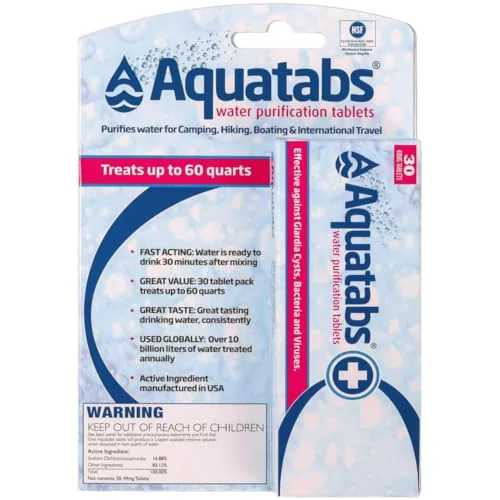
- During monsoon season (June-October), be extra cautious as flooding dramatically increases water contamination risks. Carry extra water supplies and water purification tablets.
- Use bottled or purified water for brushing teeth , even brief exposure to contaminated water can cause gastrointestinal illness for visitors not accustomed to local pathogens.
- When eating street food, choose items that are freshly cooked at high temperatures. Avoid salads, cut fruits, and any uncooked items that may have been washed in tap water.
- Many hotels in tourist areas provide complimentary bottled water , ask at check-in. For longer stays, request a 20-liter water jar delivery through your hotel or guesthouse.
Bottled Water Availability & Cost
Bottled water is widely available throughout Bangladesh at shops, restaurants, hotels, and from street vendors. Popular local brands include MUM, Fresh, Jibon, and ACME, while international brands like Kinley and Aquafina are available in larger cities. A 500ml bottle typically costs 15-25 BDT (approximately $0.13-$0.22 USD), while a 1-liter bottle ranges from 20-35 BDT ($0.17-$0.30 USD). A 5-liter jar costs approximately 60-100 BDT ($0.50-$0.85 USD) and is a more economical option for hotel stays.
Buying water in bulk from supermarkets like Shwapno, Agora, or Meena Bazar is more cost-effective for extended stays. A 20-liter dispenser jar can be delivered to your accommodation for about 50-80 BDT ($0.43-$0.68 USD) with a refundable jar deposit. Always check that bottle seals are intact, as refilled bottles with fake seals are occasionally sold by unscrupulous vendors. For sustainability-conscious travelers, investing in a quality filter bottle with activated carbon or UV purification is strongly recommended, as plastic waste management infrastructure in Bangladesh is extremely limited.
Frequently Asked Questions
Can I brush my teeth with tap water in Bangladesh?
No, it is not recommended to brush your teeth with tap water in Bangladesh. Microbial contamination is widespread in the water supply, even in major cities like Dhaka. Use bottled or purified water for brushing teeth to avoid gastrointestinal illness.
Is it safe to shower in Bangladeshi tap water?
Showering is generally safe as long as you keep your mouth closed and don't swallow any water. The primary risk from Bangladesh's water is through ingestion, not skin contact. However, if you have open wounds or cuts, you may want to use purified water to clean them.
Is ice safe in drinks at restaurants in Bangladesh?
Ice is generally unsafe at local restaurants and street food stalls, as it is often made from unfiltered tap water. High-end hotels, international restaurants, and established tourist-oriented cafes in Dhaka typically use purified water for ice, but it's always worth asking. When in doubt, order drinks without ice.
Do restaurants in Bangladesh serve safe drinking water?
Most restaurants will serve you bottled water (for a charge) if you request it. Some local restaurants may offer tap or filtered water for free, but the quality cannot be guaranteed. Always ask for sealed bottled water and check the seal yourself. Upscale restaurants typically have their own water purification systems.
How much does bottled water cost in Bangladesh?
Bottled water is very affordable in Bangladesh. A 500ml bottle costs 15-25 BDT (about $0.15-$0.22 USD), and a 1-liter bottle costs 20-35 BDT ($0.17-$0.30 USD). Larger 5-liter bottles cost around 60-100 BDT ($0.50-$0.85 USD). Prices may be slightly higher in tourist areas and hotel mini-bars.
What is the arsenic problem in Bangladesh's water?
Bangladesh has one of the world's worst arsenic contamination crises. Naturally occurring arsenic leaches from geological formations into shallow groundwater, affecting millions of tubewells across the country. About 39 million people are exposed to arsenic levels above WHO guidelines. While arsenic is mainly a long-term health risk, travelers should still avoid untreated groundwater as it may also contain microbial contaminants.
Is it safe to eat fruits and vegetables washed in tap water?
No, fruits and vegetables washed in tap water may carry harmful bacteria and parasites. Peel all fruits yourself, and avoid raw salads and pre-cut fruits from street vendors. In upscale hotels and restaurants, produce is typically washed in purified water, but when in doubt, choose cooked vegetables.
Should I bring water purification tablets when traveling to Bangladesh?
Yes, bringing water purification tablets or a portable water filter is highly recommended, especially if you plan to travel outside major cities or during monsoon season. Products like chlorine dioxide tablets, iodine tablets, or a UV purifier like SteriPEN provide good backup options. A filter bottle like Grayl or LifeStraw Go can be particularly convenient for daily use.
Interesting Product Reviews
9 Best Pool Test Kits (2026 Review Guide)
Aug 25, 2026
6 Best Travel Water Filter Bottles (2026 Review Guide)
Jul 16, 2026
9 Best Bath Filters For Babies (2026 Review Guide)
Jul 27, 2026
9 Best Self-Cleaning Water Bottles (2026 Review Guide)
Aug 7, 2026
6 Best Water Filters For Boats And Sailing (2026 Review Guide)
Jul 28, 2026