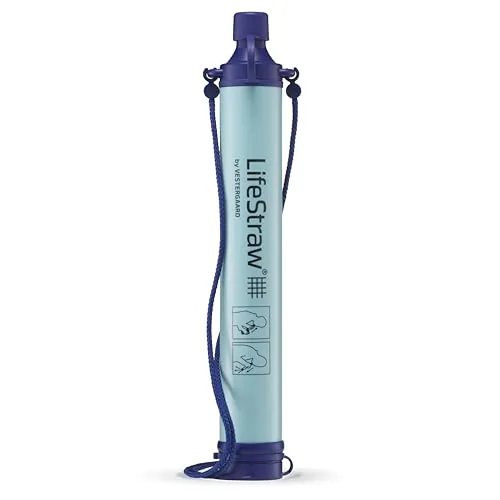
Built for travel, hiking & emergencies - drink safely whether the water is unsafe or just tastes off.
- 5-stage filtration with 0.1 micron ultrafiltration membrane
- Filters up to 5,300 liters - no batteries or pumping
- Ultralight - fits in any bag or pocket
- Backwashable & reusable, includes 1.5 gal gravity water bag

Tap water in Nepal is generally not safe to drink for travelers. Municipal water systems, including in Kathmandu, often suffer from aging infrastructure, bacterial contamination, and inconsistent treatment. Visitors should rely on bottled, filtered, or boiled water throughout their stay.
Quick Reference
| Concern | Our Advice | |
|---|---|---|
| Drink tap water? | ❌ | Use bottled or filtered water |
| Brush teeth? | ❌ | Use bottled or filtered water |
| Wash fruits / veg? | ❌ | Wash with filtered or bottled water |
| Use ice in drinks? | ❌ | Avoid unless confirmed purified |
| Shower safely? | ✅ | Yes |
| Filter bottle needed? | ❌ | Strongly recommend a Waterdrop Filter Straw for all travelers |
| Common risks | Bacterial contamination (E. coli, Salmonella), Parasitic infections (Giardia, Cryptosporidium), Heavy metals (arsenic, iron), Fecal coliform contamination, Viral pathogens (Hepatitis A, Rotavirus) |

Key Statistics


Affiliate links — we earn a small commission at no extra cost to you.
Water Infrastructure & Supply
Nepal's water infrastructure has historically struggled to keep pace with rapid urbanization and population growth. The Kathmandu Valley, home to over 5 million people, relies primarily on the Melamchi Water Supply Project and older systems managed by Kathmandu Upatyaka Khanepani Limited (KUKL). Many rural areas depend on community-managed gravity-flow schemes, springs, and shallow wells, which are vulnerable to contamination and seasonal variation.
The Melamchi Water Supply Project, completed in its first phase in 2021, was designed to bring 170 million liters of fresh water per day from the Melamchi River to Kathmandu. However, distribution networks remain outdated, with extensive leakage (estimated at 30-40% non-revenue water) and cross-contamination from sewage lines running alongside water pipes. Chlorination is used at treatment plants, but residual chlorine often dissipates before reaching household taps due to intermittent supply and old pipelines.
Significant improvement projects are underway, including ADB-funded upgrades to Kathmandu's distribution network, World Bank support for rural water supply through the RWSSP program, and Japanese (JICA) assistance for water treatment infrastructure. Nepal's government has set ambitious targets under its 2019 National Water Supply and Sanitation Policy to achieve universal access to safely managed water by 2030, though progress remains challenging given the country's difficult terrain and seismic vulnerability.
Contamination & Health Risks
The primary health risks from Nepal's tap water include bacterial contamination (particularly E. coli and fecal coliforms), parasites like Giardia lamblia and Cryptosporidium, and viral pathogens including Hepatitis A and Rotavirus. Studies consistently find that 70-80% of piped water samples in Kathmandu fail WHO drinking water guidelines for microbial contamination. Arsenic contamination is a notable concern in Terai (southern plains) groundwater, with some wells exceeding the WHO guideline of 10 g/L.
Pollution sources include inadequate sewage treatment (the Bagmati River and its tributaries are heavily polluted), agricultural runoff in rural areas, and industrial discharge near urban centers. The intermittent water supply system is particularly problematic, as negative pressure during off-hours can draw sewage and groundwater contaminants into the distribution pipes through cracks and joints.
For travelers, the practical risks are significant. Traveler's diarrhea affects an estimated 30-50% of visitors to Nepal, making it one of the most common health issues for tourists. Even in upscale hotels in Kathmandu and Pokhara, tap water should not be consumed directly. Trekkers in remote areas face additional challenges, as mountain streams , while appearing pristine , may carry parasitic cysts from upstream settlements and yak pastures. Water purification tablets, UV purifiers, or reliable filter bottles are essential gear for any trek.
Regional Water Quality Breakdown
Kathmandu Valley
avoidDespite the Melamchi project, Kathmandu's tap water remains unsafe due to aging distribution networks, intermittent supply causing pipe contamination, and high E. coli levels. Even filtered hotel water should be treated with caution. Use bottled or purified water only.
Pokhara
avoidPokhara's water supply comes from local springs and the Seti River, but treatment and distribution are inconsistent. Tourist areas along Lakeside have better access to purified water, but tap water should not be consumed directly.
Chitwan (Terai Region)
avoidThe Terai lowlands face groundwater arsenic contamination in addition to microbial risks. Resorts in Chitwan National Park typically provide filtered or bottled water, but tap water and well water should be avoided entirely.
Everest Region (Solukhumbu)
cautionWater along the Everest Base Camp trek comes from mountain streams and springs. While it may appear clean, Giardia and other parasites are common. Use purification tablets, UV treatment, or a filter bottle. Safe Water stations are available at some lodges.
Annapurna Region
cautionThe Annapurna Circuit and Annapurna Base Camp treks have Safe Drinking Water Stations operated by local communities, offering affordable purified refills. Stream water should still be treated before drinking. Conditions vary by season and altitude.
Lumbini
avoidAs a Terai town, Lumbini shares the lowland groundwater concerns including arsenic and bacterial contamination. Hotels near the UNESCO site typically provide bottled water. Do not drink from taps or public hand pumps.
Practical Tips for Travelers
- Always use bottled, boiled, or purified water for drinking and brushing teeth throughout Nepal , even in upscale hotels in Kathmandu and Pokhara.
- Invest in a portable water purifier like a Grayl GeoPress or LifeStraw filter bottle before your trip , it will save money and reduce plastic waste, especially on treks. Strongly recommend the Waterdrop Filter Straw.
- In Nepali, ask for safe water by saying 'Khaane paani dinus' ( ) meaning 'please give me drinking water,' or specifically 'bottle ko paani' ( ) for bottled water.
- Avoid ice in drinks unless you're in a well-established tourist restaurant that confirms they use purified water for ice-making , street vendors and local eateries typically use unfiltered tap water.
- On popular trekking routes like the Annapurna Circuit, look for 'Safe Drinking Water' stations marked with blue signs , they offer affordable purified water refills and help reduce plastic pollution on the trails.
- Carry water purification tablets (chlorine dioxide types like Aquatabs or Katadyn Micropur) as a lightweight backup, especially for remote trekking areas where bottled water is unavailable or extremely expensive.
- Peel all fruits and avoid raw salads washed in tap water, particularly from street food stalls. Cooked food served hot is generally the safest option.
- If you experience persistent diarrhea lasting more than 3 days, seek medical help at a travel clinic , CIWEC Hospital in Kathmandu specializes in treating travelers' illnesses and waterborne diseases.
Bottled Water Availability & Cost
Bottled water is widely available throughout Nepal, from Kathmandu to remote trekking villages. Popular local brands include Aqua Nepal, Himalayan, and Sarbottam, with a 1-liter bottle typically costing NPR 25-40 (approximately $0.18-$0.30 USD) in urban areas and shops. In tourist areas like Thamel (Kathmandu) or Lakeside (Pokhara), prices may be slightly higher at NPR 40-60. On trekking routes, prices increase significantly with altitude , a 1-liter bottle can cost NPR 100-300 ($0.75-$2.25 USD) or more on the Everest Base Camp or Annapurna Circuit treks.
Buying larger bottles (5L or 20L jars) from shops or supermarkets is more economical for longer stays, with 20-liter jars available for NPR 80-150 in Kathmandu. Many guesthouses and trekking lodges offer boiled water or refill stations , the Safe Drinking Water initiative along popular trekking routes (like the Annapurna region) provides purified refills for NPR 30-80 per liter, significantly reducing plastic waste. Travelers are strongly encouraged to use reusable bottles with integrated filters (such as LifeStraw or Grayl) or purification tablets like Aquatabs to reduce both cost and the enormous plastic bottle waste problem that plagues Nepal's trails and rivers.
Frequently Asked Questions
Can I brush my teeth with tap water in Nepal?
No, it's not recommended. Tap water in Nepal frequently contains harmful bacteria and parasites. Use bottled or purified water for brushing teeth to avoid ingesting even small amounts of contaminated water.
Is it safe to shower in Nepal's tap water?
Yes, showering is generally safe as long as you avoid swallowing any water. Keep your mouth closed, and be cautious with any open cuts or wounds. The risk of skin issues from showering is minimal.
Is ice safe in drinks at restaurants in Nepal?
In most local restaurants and street stalls, ice is made from unfiltered tap water and should be avoided. Higher-end tourist restaurants and international hotels in Kathmandu and Pokhara often use purified water for ice, but it's best to ask before ordering.
How much does bottled water cost in Nepal?
A 1-liter bottle costs NPR 25-50 (about $0.20-$0.35 USD) in cities. Prices increase on trekking routes , expect to pay NPR 100-300 per liter at higher altitudes. Using a filter bottle or purification tablets is more economical for trekkers.
Can I drink water from mountain streams while trekking in Nepal?
No, even crystal-clear mountain streams can harbor parasites like Giardia from upstream villages and animal pastures. Always treat stream water with a filter, UV purifier, or purification tablets before drinking.
Do hotels in Kathmandu provide safe drinking water?
Most mid-range and upscale hotels provide complimentary bottled water or have in-house filtration systems. Budget guesthouses may not, so always check. Don't assume that a hotel water dispenser uses properly maintained filters , when in doubt, use sealed bottled water.
What waterborne diseases are common for travelers in Nepal?
Traveler's diarrhea is the most common, affecting 30-50% of visitors. Giardiasis, typhoid fever, Hepatitis A, and amoebic dysentery are also risks. Getting a Hepatitis A vaccination before your trip is strongly recommended, and carrying oral rehydration salts is wise.
Is the water safe at trekking teahouses on the Annapurna or Everest routes?
Teahouses typically serve boiled water (called 'tato paani'), which is generally safe if properly boiled. However, quality varies. Many teahouses charge NPR 100-200 for boiled water. The most reliable option is to carry your own purification system and refill from available water sources.
Interesting Product Reviews
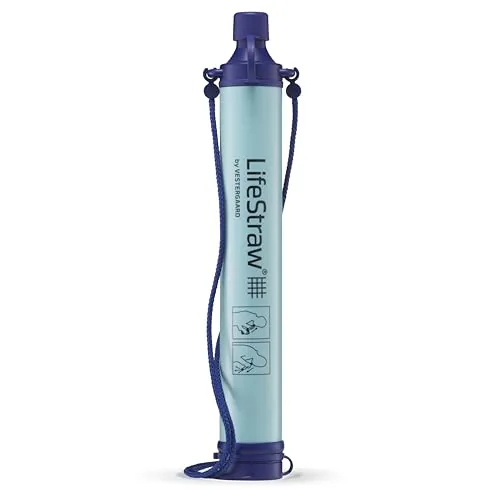
8 Best Water Filters For Hiking (2026 Review Guide)
Jul 19, 2026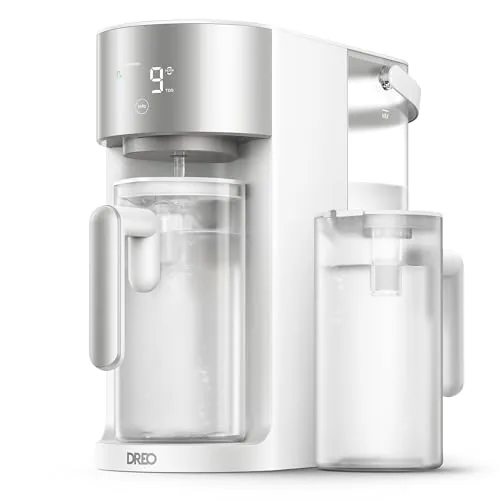
7 Best Countertop Water Filters (2026 Review Guide)
Jul 25, 2026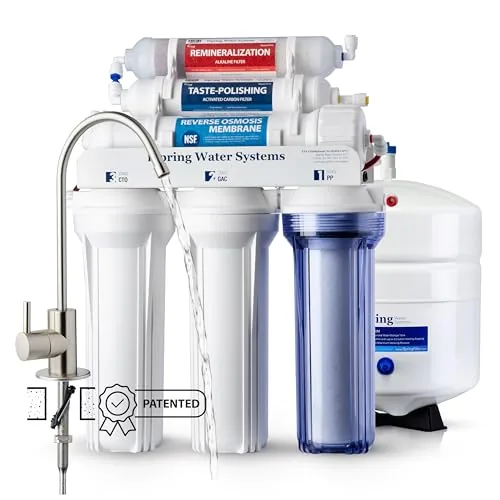
9 Best Reverse Osmosis Systems (2026 Review Guide)
Jul 16, 2026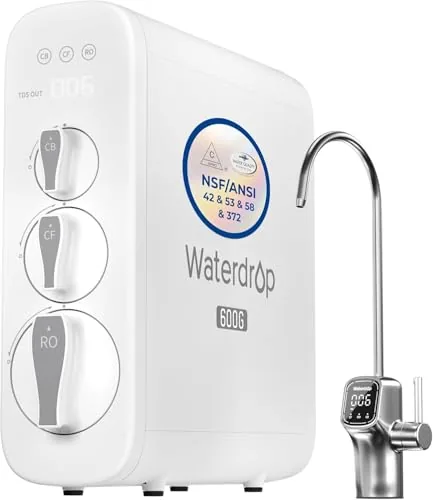
9 Best Tankless Reverse Osmosis Systems (2026 Review Guide)
Jun 30, 2026
7 Best Water Filters For Well Water (2026 Review Guide)
Jul 25, 2026