As low as $12
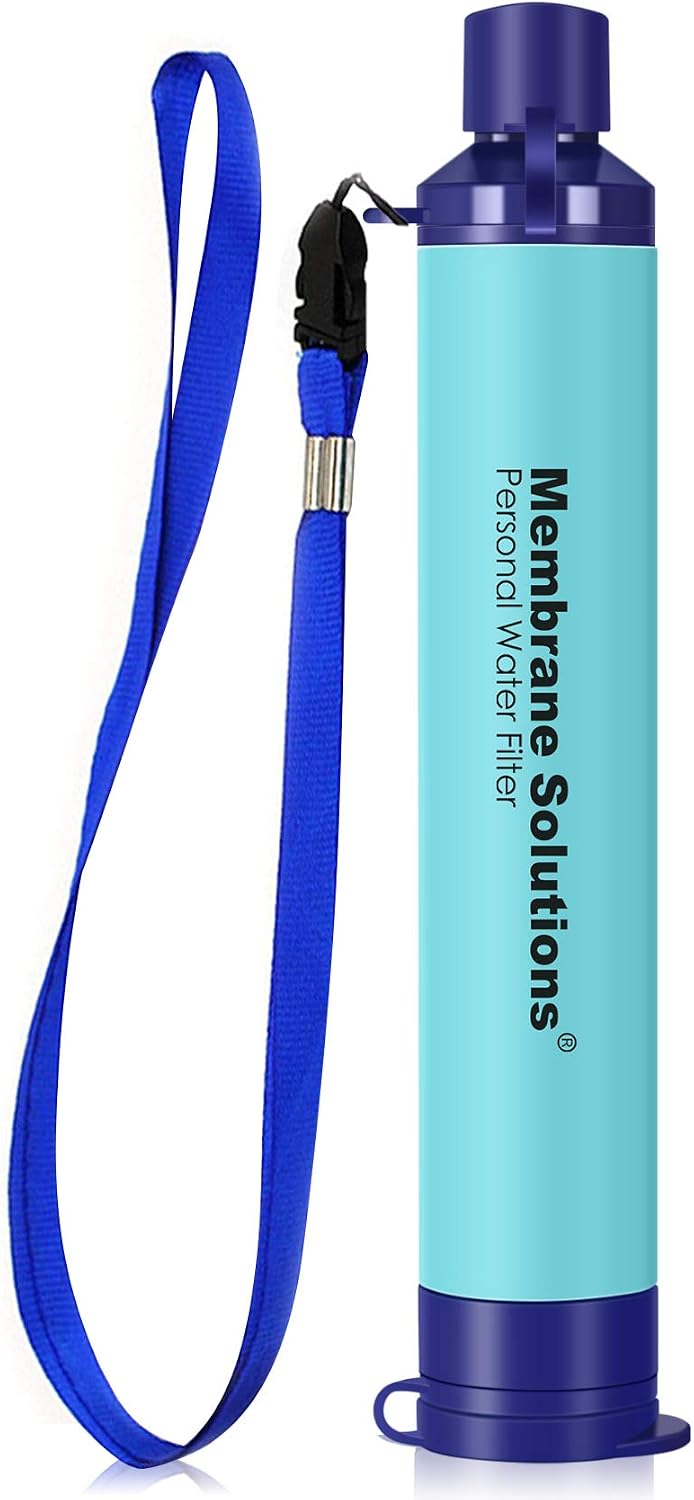
Built for travel, hiking & emergencies - drink safely whether the water is unsafe or just tastes off.
- NSF/ANSI 42, 372 & 401 certified, 0.1 micron filtration
- Filters up to 1,320 gallons - no batteries or pumping
- Ultralight - fits in any bag or pocket
- BPA-free, compatible with standard 28mm bottle threads
Tap water in Zambia is generally not safe for travelers to drink without treatment. While urban water utilities in cities like Lusaka provide treated water, inconsistent supply, aging infrastructure, and contamination risks mean that bottled or purified water is strongly recommended for visitors. Rural areas face even greater challenges with water quality and access.
Quick Reference
| Concern | Our Advice | |
|---|---|---|
| Drink tap water? | ❌ | Use bottled or filtered water |
| Brush teeth? | ❌ | Use bottled or filtered water |
| Wash fruits / veg? | ❌ | Wash with filtered or bottled water |
| Use ice in drinks? | ❌ | Avoid unless confirmed purified |
| Shower safely? | ✅ | Yes |
| Filter bottle needed? | ❌ | Strongly recommend a Membrane Solutions Filter Straw for all travelers |
| Common risks | Bacterial contamination, E. coli, Cholera, Typhoid, Heavy metals from mining runoff, Turbidity, Parasitic infections, Inadequate chlorination |

Key Statistics


Affiliate links — we earn a small commission at no extra cost to you.
Water Infrastructure & Supply
Zambia's water supply infrastructure dates back to the colonial era, with major treatment plants built in the mid-20th century. The Lusaka Water Supply and Sanitation Company (LWSC) and several other commercial utilities manage urban water supply, while the National Water Supply and Sanitation Council (NWASCO) serves as the regulatory body. Despite reforms in the 1990s that commercialized water utilities, many systems remain underfunded and struggle to meet growing demand.
The country relies heavily on surface water from rivers, lakes, and dams, as well as groundwater from boreholes. Treatment typically involves coagulation, sedimentation, filtration, and chlorination, but many facilities operate below optimal capacity due to aging equipment, power outages, and chemical supply shortages. In Lusaka, the rapid expansion of peri-urban settlements has outpaced infrastructure development, leading to areas with no piped water connections that rely on shallow wells vulnerable to contamination.
Major improvement projects are underway, including the Lusaka Sanitation Program supported by the World Bank and the Millennium Challenge Corporation's Lusaka Water Supply and Sanitation Project, which aims to expand and rehabilitate water treatment capacity. The African Development Bank has also funded water infrastructure upgrades in secondary towns. These projects collectively aim to improve access and water quality, but full implementation will take several more years.
Contamination & Health Risks
The primary health risks from Zambia's tap water include bacterial contamination (E. coli, Salmonella), parasitic infections (Giardia, Cryptosporidium), and viral pathogens that cause cholera and typhoid. Zambia experienced a severe cholera outbreak in 2023, 2024, centered on Lusaka, which was directly linked to contaminated water sources and poor sanitation infrastructure. Heavy metals, particularly copper and cobalt from the Copperbelt mining region, pose additional long-term contamination risks in certain areas.
Water quality varies dramatically across the country. In urban areas served by commercial utilities, treated water at the plant may meet standards, but contamination often occurs during distribution through leaking and aging pipes, low-pressure episodes that allow backflow, and intermittent supply that forces residents to store water in unsanitary containers. Peri-urban and informal settlements often have no access to treated piped water and rely on shallow wells that are frequently contaminated with fecal matter.
For travelers, the risks are significant. Gastrointestinal illness from waterborne pathogens is common among visitors who consume untreated water. Even in upscale hotels in Lusaka or Livingstone, the piped water supply may not be consistently safe. Travelers should avoid tap water for drinking, brushing teeth, and washing produce, and should be cautious with ice in drinks unless they can confirm it was made with purified water.
Regional Water Quality Breakdown
Lusaka
cautionLusaka's water utility provides treated water, but aging pipes, intermittent supply, and rapid urban growth create contamination risks. The 2023, 2024 cholera outbreak was centered here. Travelers should stick to bottled or purified water.
Livingstone (Victoria Falls)
cautionAs Zambia's main tourist hub, Livingstone has better water infrastructure than most towns, and upscale hotels often have their own filtration systems. However, tap water is still not recommended for drinking by travelers. Bottled water is readily available.
Copperbelt (Kitwe, Ndola)
avoidWhile urban water treatment exists, the Copperbelt region faces additional risks from heavy metal contamination linked to decades of copper and cobalt mining. Mine tailings and acid drainage can contaminate both surface and groundwater sources. Bottled water is strongly recommended.
South Luangwa / Safari Areas
cautionSafari lodges and camps typically provide filtered or bottled water for guests. However, travelers on budget camping trips should bring their own water purification method. River and borehole water in remote areas should never be consumed untreated.
Rural Areas / Northern & Western Provinces
avoidRural Zambia has very limited access to treated water. Most communities rely on boreholes, shallow wells, or untreated surface water. Contamination with bacteria and parasites is common. Travelers must carry their own purified water or reliable filtration equipment.
Lake Kariba / Siavonga
cautionTowns along Lake Kariba have basic municipal water supply, but treatment quality varies. Tourist lodges generally provide safe drinking water. Tap water should not be consumed directly, and lake water should never be drunk untreated due to bilharzia and bacterial risks.
Practical Tips for Travelers
- Carry a filter straw (e.g., Membrane Solutions) — it removes bacteria, parasites, and microplastics from any tap or stream. Strongly recommend the Membrane Solutions Filter Straw.
- Always drink bottled or purified water in Zambia , even in major cities like Lusaka and Livingstone, tap water is not reliably safe for travelers.
- Carry a portable water filter or purifier (like a LifeStraw or Grayl bottle) especially if you plan to visit national parks, safari areas, or rural regions where bottled water may be unavailable.
- In restaurants and hotels, ask for sealed bottled water. In Bemba, one of Zambia's main languages, you can say 'Napapata amenshi ya mu botolo' (I would like bottled water). In English, which is widely spoken, simply ask: 'Do you have bottled water?'
- Avoid ice in drinks unless you are at an upscale hotel or restaurant that confirms they use purified water for ice-making.
- Peel or thoroughly wash all fruits and vegetables with purified water before eating. Street food vendors often rinse produce with tap water, so buy whole fruits you can peel yourself.
- Use bottled or purified water for brushing your teeth , this is an easy way to accidentally ingest contaminated water that many travelers overlook.
- If you are visiting during the rainy season (November, April), be extra cautious as flooding and waterlogging significantly increase contamination risks in both urban and rural water supplies.
- Check with your doctor about cholera vaccination before traveling to Zambia, especially if you plan to visit Lusaka's peri-urban areas or rural regions with limited water infrastructure.
Bottled Water Availability & Cost
Bottled water is widely available throughout Zambia's urban centers, tourist areas, and along major highways. Common brands include Mist, Castle, SunAqua, and various imported brands. A 500ml bottle typically costs 5, 10 Zambian Kwacha (ZMW), roughly $0.20, 0.40 USD, while a 1.5-liter bottle ranges from 12, 25 ZMW ($0.50, 1.00 USD). In tourist hotspots like Livingstone near Victoria Falls, prices may be slightly higher, particularly at hotels and lodges.
For longer stays, buying water in bulk (5-liter or 18.5-liter refillable containers) is far more economical and widely available from supermarkets like Shoprite, Pick n Pay, and local shops. A 5-liter container typically costs 20, 40 ZMW. Travelers concerned about plastic waste should consider investing in a quality filter bottle such as a LifeStraw or Grayl, which can purify tap and river water on the go , this is especially useful for safari and bush camping trips where bottled water may be harder to find.
Frequently Asked Questions
Can I brush my teeth with tap water in Zambia?
It is not recommended. Even small amounts of contaminated water can cause gastrointestinal illness. Use bottled or purified water for brushing your teeth, especially in areas with known water quality issues.
Is it safe to shower in Zambian tap water?
Yes, showering is generally safe as long as you keep your mouth closed and avoid swallowing any water. The main risk is ingestion, not skin contact. If you have any open cuts or wounds, you may want to take extra precautions.
Is ice safe in drinks in Zambia?
Ice should be treated with caution. In high-end hotels and established restaurants in tourist areas, ice is often made with purified water, but it's always worth asking. In local bars, street food stalls, and smaller establishments, it's best to avoid ice entirely.
Can I drink water served in restaurants in Zambia?
Only drink water in restaurants if it comes in a sealed bottle. Some upscale restaurants may serve filtered water, but always confirm how it was purified. Avoid accepting glasses of tap water, which is commonly offered.
How much does bottled water cost in Zambia?
Bottled water is quite affordable. A 500ml bottle costs about 5, 10 ZMW ($0.20, 0.40 USD) and a 1.5-liter bottle costs 12, 25 ZMW ($0.50, 1.00 USD). Prices are slightly higher in tourist areas and hotel shops.
Is the water safe at safari lodges in Zambia?
Most reputable safari lodges provide filtered or bottled water for guests and clearly indicate which taps are drinkable. Budget campsites may not have this, so always bring your own purification method. Ask your lodge about their water source upon arrival.
What about the water in Livingstone near Victoria Falls?
Livingstone has better water infrastructure than most Zambian towns, and tourist-oriented hotels typically have filtration systems. However, tap water is still not considered safe for travelers to drink directly. Stick to bottled water or water provided by your accommodation that is labeled as purified.
Is there a cholera risk from water in Zambia?
Yes. Zambia experienced a major cholera outbreak in 2023, 2024 with over 23,000 cases, primarily in Lusaka. Cholera is transmitted through contaminated water and food. Travelers should drink only purified water, practice good hand hygiene, and consider getting a cholera vaccine before their trip.
Traveling Nearby?
Check tap water safety in neighboring countries:
Angola Botswana DR Congo Malawi Mozambique Namibia Tanzania ZimbabweInteresting Product Reviews
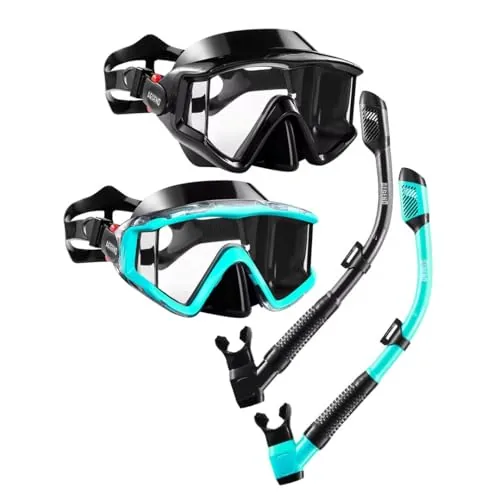
9 Best Snorkel Gear (2026 Review Guide)
Aug 26, 2026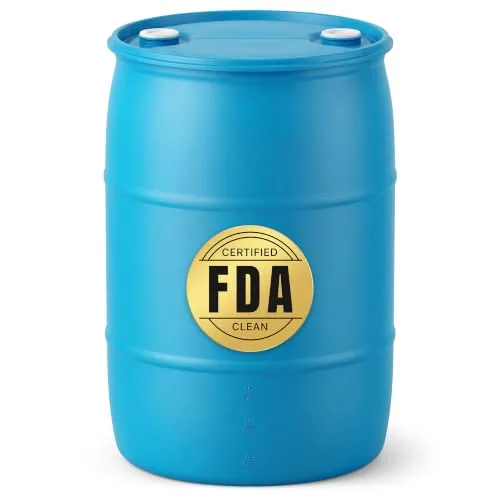
6 Best Water Storage Barrels (2026 Review Guide)
Aug 22, 2026
9 Best Water Filters For Sulfur Smell (Rotten Egg Water) (2026 Review Guide)
Aug 1, 2026
7 Best Water Filters For Iron In Well Water (2026 Review Guide)
Aug 1, 2026
9 Best Water Softeners For Hard Water (2026 Review Guide)
Jul 8, 2026