As low as $12
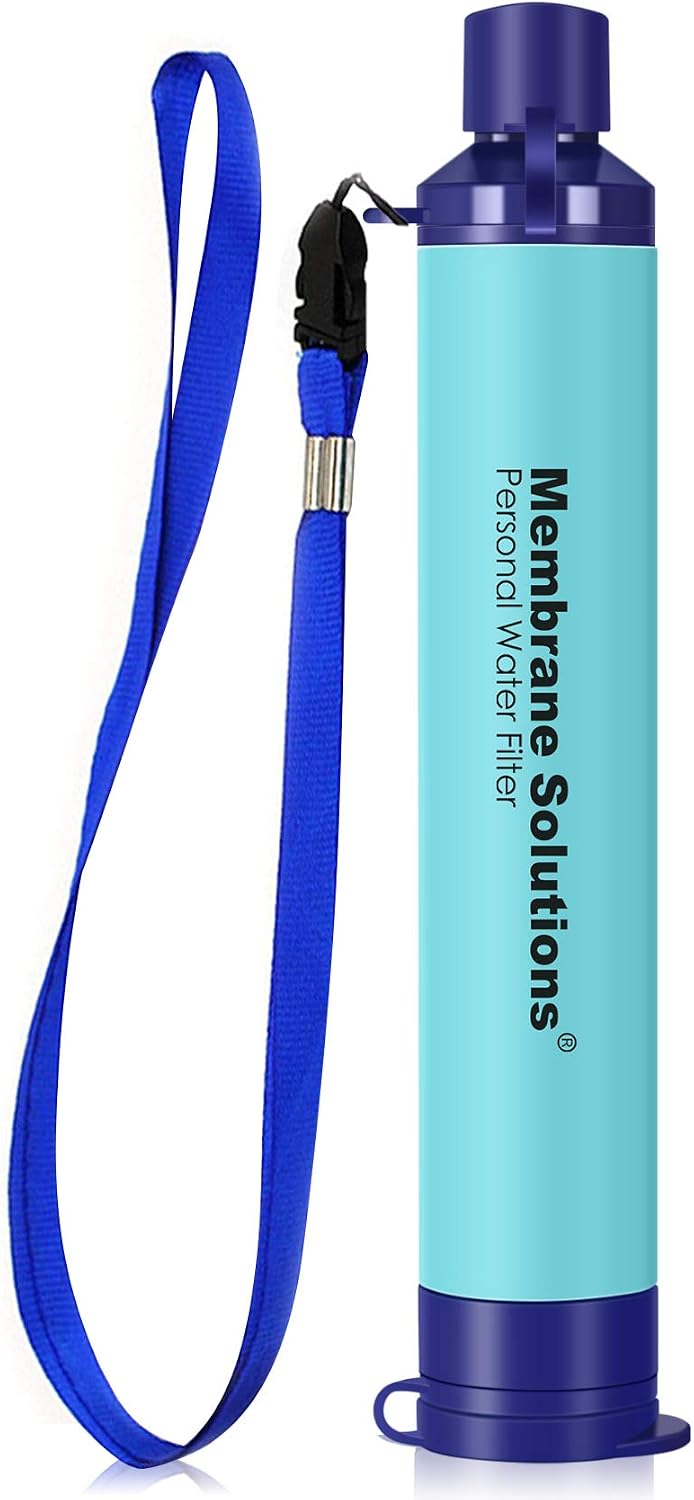
Built for travel, hiking & emergencies - drink safely whether the water is unsafe or just tastes off.
- NSF/ANSI 42, 372 & 401 certified, 0.1 micron filtration
- Filters up to 1,320 gallons - no batteries or pumping
- Ultralight - fits in any bag or pocket
- BPA-free, compatible with standard 28mm bottle threads
Tap water in Cuba is generally not safe for travelers to drink. While some urban areas like parts of Havana have treated municipal water, aging infrastructure, frequent pipe breaks, and inconsistent chlorination mean contamination risks are high. Visitors are strongly advised to drink bottled or purified water throughout their stay.
Quick Reference
| Concern | Our Advice | |
|---|---|---|
| Drink tap water? | ❌ | Use bottled or filtered water |
| Brush teeth? | ❌ | Use bottled or filtered water |
| Wash fruits / veg? | ❌ | Wash with filtered or bottled water |
| Use ice in drinks? | ❌ | Avoid unless confirmed purified |
| Shower safely? | ✅ | Yes |
| Filter bottle needed? | ❌ | Strongly recommend a Membrane Solutions Filter Straw for all travelers |
| Common risks | Bacterial contamination, Parasitic infections, Aging pipe infrastructure, Inconsistent chlorination, E. coli, Giardia, Cryptosporidium |

Key Statistics


Affiliate links — we earn a small commission at no extra cost to you.
Water Infrastructure & Supply
Cuba's water infrastructure was largely built in the mid-20th century, with significant investment from the Soviet Union during the 1960s, 1980s. Since the collapse of the Soviet Union and the tightening of the U.S. embargo, maintaining and upgrading this infrastructure has been extremely challenging. The Instituto Nacional de Recursos Hidrulicos (INRH) manages the country's water supply, but chronic underfunding has left many systems in disrepair.
The country's water treatment relies primarily on chlorination, though chemical shortages frequently disrupt consistent treatment. Distribution networks suffer from extensive leaks, with estimates suggesting over 50% of treated water is lost before reaching consumers. Many neighborhoods, especially outside major cities, rely on intermittent water supply delivered by truck (pipas) or stored in rooftop tanks (tanques) that can become contaminated if not properly maintained.
Recent improvement efforts have focused on partnerships with international organizations. UNICEF and the Spanish Agency for International Development Cooperation (AECID) have funded projects to rehabilitate water systems in Santiago de Cuba and other eastern provinces. The Cuban government has also invested in new wells and pumping stations, though progress remains slow due to economic constraints and the impact of hurricanes that regularly damage water infrastructure.
Contamination & Health Risks
The primary health risks from Cuba's tap water include bacterial contamination (E. coli, coliform bacteria), parasites such as Giardia and Cryptosporidium, and occasional viral pathogens. Water stored in rooftop tanks, a common practice due to intermittent supply, is particularly prone to contamination from algae, insects, and bird droppings. Pipe breaks in aging distribution networks allow soil and sewage infiltration, especially during heavy rains.
Cuba has experienced periodic outbreaks of waterborne diseases including cholera (notably in 2012, 2013 in eastern provinces), acute diarrheal diseases, and hepatitis A. Rural areas and eastern provinces like Santiago de Cuba, Holgun, and Guantnamo tend to have higher contamination risks than Havana. Agricultural runoff can introduce pesticides and fertilizers into water sources, particularly near sugar cane growing regions.
For travelers, the most common risk is traveler's diarrhea, which can be caused by even low levels of bacteria that locals may have developed tolerance to. Symptoms typically include stomach cramps, nausea, and diarrhea within 1, 3 days of exposure. Visitors should avoid tap water for drinking, brushing teeth, and washing produce, and should be cautious with ice in drinks unless at a reputable tourist hotel that uses purified water.
Regional Water Quality Breakdown
Havana
cautionHavana has the most developed water treatment infrastructure in Cuba, but aging pipes, frequent leaks, and inconsistent chlorination mean tap water is still not safe for travelers. Tourist hotels in Vedado and Habana Vieja typically use filtered or treated water systems.
Varadero
cautionAs Cuba's premier beach resort area, Varadero's all-inclusive hotels generally provide purified water and safe ice. However, tap water outside resort premises should still be avoided, and local restaurants may not use purified water.
Trinidad
cautionTrinidad's colonial-era infrastructure means water supply can be intermittent and quality inconsistent. Many casas particulares provide boiled or bottled water. Travelers should be especially cautious during the rainy season when contamination risks increase.
Santiago de Cuba
avoidSantiago de Cuba has historically faced significant water quality challenges, including cholera outbreaks in 2012. Infrastructure damage from hurricanes has compounded problems. Travelers should exclusively use bottled or purified water here.
Viales
cautionThis popular rural destination in Pinar del Ro province relies on local wells and small-scale water systems. Water quality varies considerably, and agricultural runoff from tobacco farming can affect sources. Stick to bottled or filtered water.
Holgun & Eastern Provinces
avoidEastern Cuba's water infrastructure is among the least developed in the country. Intermittent supply, limited treatment capacity, and hurricane damage make tap water unsafe. Waterborne disease rates are historically higher in this region.
Practical Tips for Travelers
- Always carry bottled or filtered water with you, as availability can be unpredictable outside major tourist zones. Stock up when you find it.
- Use bottled water for brushing your teeth and rinsing your toothbrush, even in upscale hotels, tap water may not be adequately treated.
- In Spanish, ask for safe water by saying "Tiene agua embotellada?" (Do you have bottled water?) or "Agua purificada, por favor" (Purified water, please).
- Invest in a quality filter bottle like a Grayl GeoPress or LifeStraw Go before your trip, it will save money and ensure safe water even in remote areas. Strongly recommend the Membrane Solutions Filter Straw.
- Be cautious with ice in drinks. In tourist hotels, ice is usually made from purified water, but at local bars and paladares, ask "El hielo es de agua purificada?" (Is the ice made from purified water?).
- Wash and peel all fruits and vegetables using bottled or purified water. Avoid pre-cut fruit from street vendors unless you can verify it was prepared safely.
- If staying at a casa particular, ask your host to boil water ("Puede hervir el agua?") as many hosts will happily do this for guests at no extra charge.
- Pack oral rehydration salts (ORS) and anti-diarrheal medication as a precaution, since pharmacies in Cuba often have limited stock of common medicines.
Bottled Water Availability & Cost
Bottled water is widely available in Cuba, particularly in tourist areas, hotels, and casas particulares. The most common local brand is Ciego Montero, which typically costs 1, 2 CUP (roughly $0.80, $1.50 USD at official rates) for a 500ml bottle in state-run shops. In tourist-oriented establishments, prices can be higher, ranging from $1.50, $3.00 USD for a 1.5-liter bottle. International brands are occasionally available but tend to be more expensive and harder to find.
Travelers are advised to buy water in bulk when possible, as availability can be inconsistent, especially outside Havana and Varadero. Many casas particulares will provide boiled or purified water for guests. Carrying a reliable filter bottle (such as a LifeStraw or Grayl) is highly recommended as a cost-effective and sustainable alternative, especially for travel to rural areas where bottled water may be scarce. Always check that bottled water seals are intact before purchasing, as refilled bottles are occasionally sold.
Frequently Asked Questions
Can I brush my teeth with tap water in Cuba?
It's best to use bottled or purified water for brushing your teeth in Cuba. While brief exposure to tap water is unlikely to cause serious illness, the inconsistent treatment and aging pipes mean there's a real risk of ingesting harmful bacteria, especially if you have a sensitive stomach.
Is it safe to shower in Cuban tap water?
Yes, showering in Cuban tap water is generally safe. The risk of illness from showering is minimal as long as you avoid swallowing any water. Keep your mouth closed and be careful if you have any open cuts or wounds. The water may occasionally have a chlorine smell or slight discoloration, but this is not typically harmful for external use.
Is ice safe in Cuban hotels and restaurants?
In major tourist hotels and resorts (especially all-inclusive properties in Varadero and Cayo Coco), ice is typically made from purified water and is safe. However, at local restaurants (paladares) and bars, ice may be made from tap water. When in doubt, order drinks without ice or ask if the ice is made from purified water.
How much does bottled water cost in Cuba?
A 500ml bottle of water costs roughly $0.80, $1.50 USD in state shops, while 1.5-liter bottles range from $1.50, $3.00 USD in tourist areas. Prices can vary significantly, and water is sometimes in short supply. It's wise to buy several bottles whenever you find them available.
Do locals in Cuba drink the tap water?
Many Cuban locals do drink tap water out of necessity, though many also boil it first or use basic filtration. Locals may have built up some tolerance to the bacteria present in their local water supply, but even Cubans frequently experience waterborne illnesses. As a traveler without this acclimatization, you're at higher risk.
Is the water safe at all-inclusive resorts in Cuba?
Most all-inclusive resorts in Cuba (particularly in Varadero, Cayo Coco, and Cayo Santa Mara) have their own water treatment and purification systems. Drinking water, ice, and water used in food preparation at these resorts is generally safe. However, it's still worth confirming with the resort and sticking to bottled water if you have any doubts.
Can I use a filter bottle instead of buying bottled water in Cuba?
Absolutely, a quality filter bottle is one of the best investments for travel to Cuba. Bottles like the Grayl GeoPress or LifeStraw Go can remove bacteria, parasites, and many chemicals from tap water. This is especially useful in rural areas where bottled water may be unavailable, and it significantly reduces plastic waste.
Has Cuba had any recent waterborne disease outbreaks?
Cuba experienced a notable cholera outbreak in 2012, 2013, primarily in eastern provinces like Santiago de Cuba and Granma. While the situation has improved, sporadic cases of waterborne illness continue to occur, particularly after hurricanes or heavy rains that damage infrastructure. The eastern part of the country remains most vulnerable to such outbreaks.
Traveling Nearby?
Check tap water safety in neighboring countries:
Grenada Antigua and Barbuda BarbadosInteresting Product Reviews
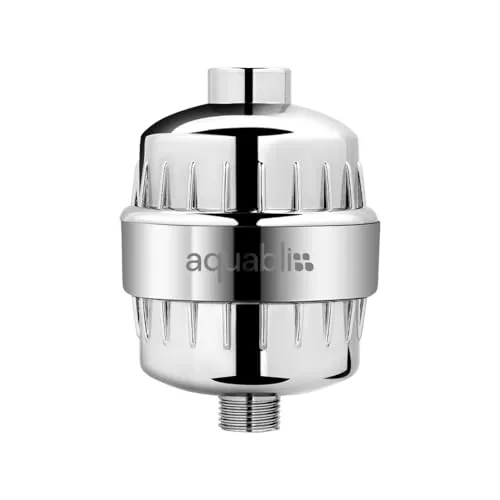
6 Best Water Filters For Hard Water (2026 Review Guide)
Jul 9, 2026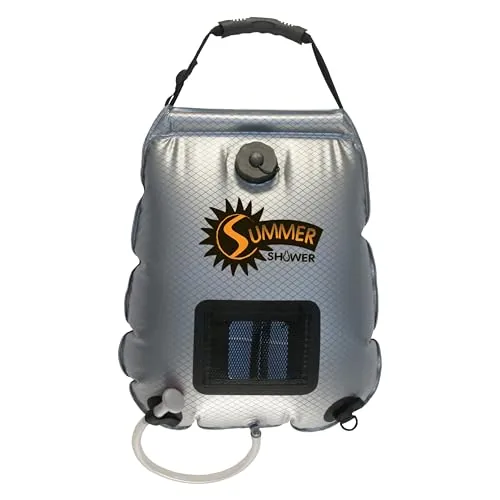
9 Best Solar Showers For Camping (2026 Review Guide)
Aug 22, 2026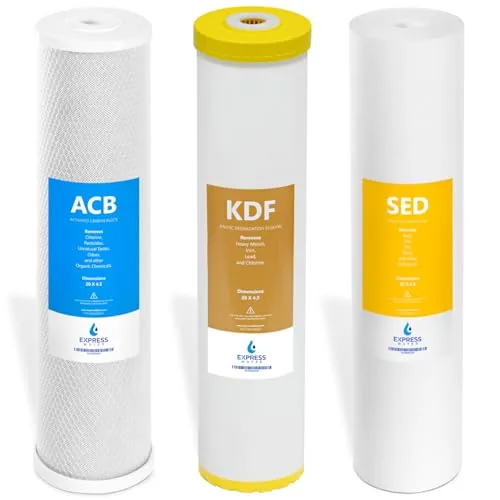
7 Best Water Filters For Heavy Metals (2026 Review Guide)
Jul 31, 2026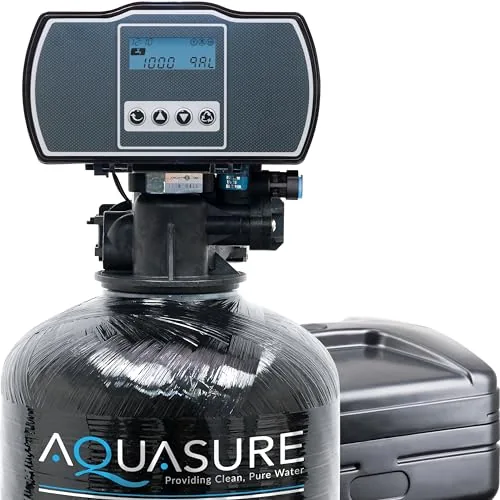
9 Best Water Softeners For Hard Water (2026 Review Guide)
Jul 8, 2026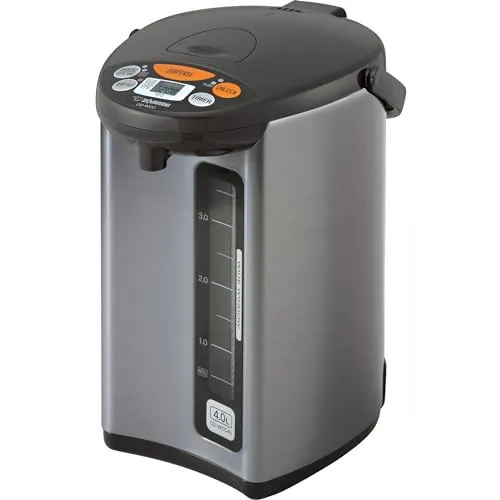
6 Best Water Boilers And Warmers (2026 Review Guide)
Aug 12, 2026