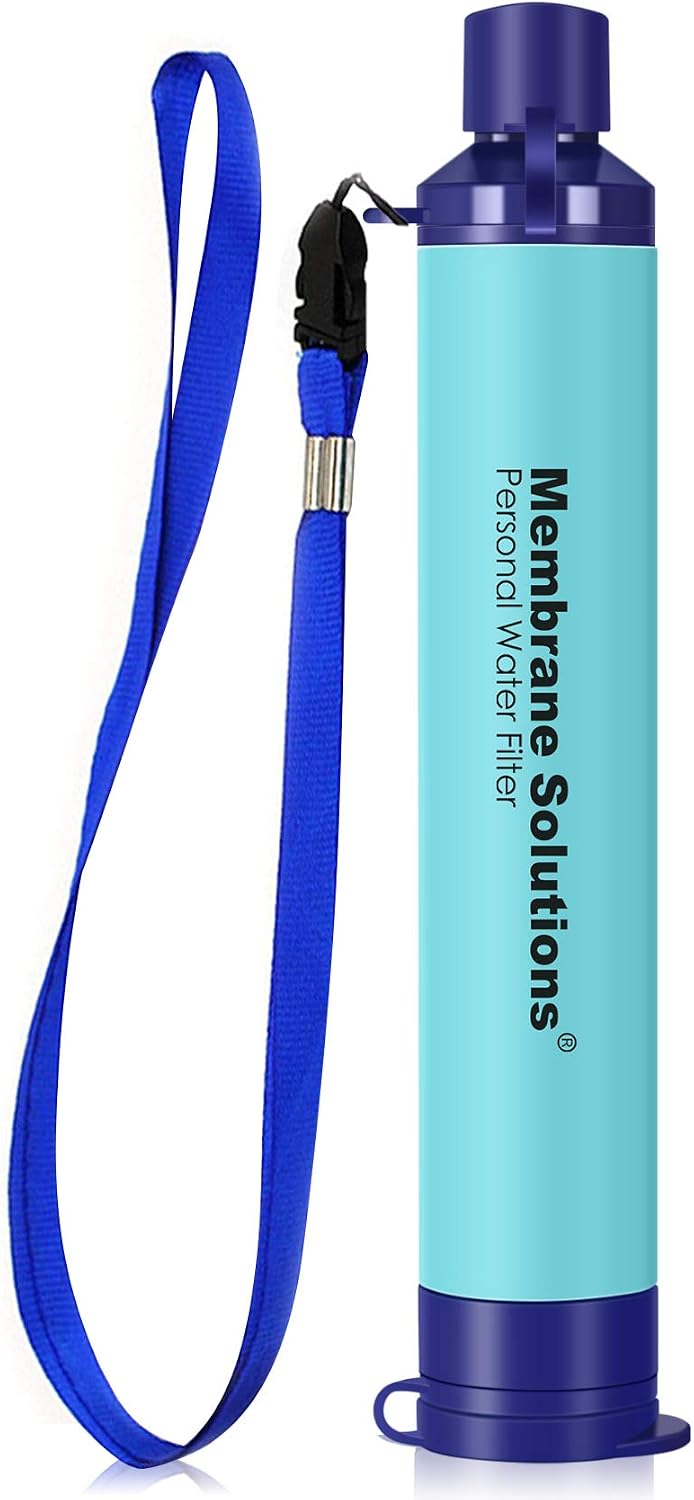
As low as $12
Built for travel, hiking & emergencies - drink safely whether the water is unsafe or just tastes off.
- NSF/ANSI 42, 372 & 401 certified, 0.1 micron filtration
- Filters up to 1,320 gallons - no batteries or pumping
- Ultralight - fits in any bag or pocket
- BPA-free, compatible with standard 28mm bottle threads
Tap water in Kazakhstan is generally not considered safe for travelers to drink without treatment. While major cities like Almaty and Astana have improved their water infrastructure significantly, aging Soviet-era pipes, inconsistent chlorination, and regional disparities mean that bottled or filtered water remains the recommended choice for visitors. Rural areas and smaller towns face more serious water quality challenges.
Quick Reference
| Concern | Our Advice | |
|---|---|---|
| Drink tap water? | ❌ | Use bottled or filtered water |
| Brush teeth? | ✅ | Yes, no concerns |
| Wash fruits / veg? | ✅ | Yes, safe to use tap water |
| Use ice in drinks? | ❌ | Avoid unless confirmed purified |
| Shower safely? | ✅ | Yes |
| Filter bottle needed? | ❌ | Strongly recommend a Membrane Solutions Filter Straw for all travelers |
| Common risks | Bacterial contamination, Heavy metals, Chlorination byproducts, Aging pipe infrastructure, Agricultural runoff, Uranium and arsenic in groundwater |

Key Statistics


Affiliate links — we earn a small commission at no extra cost to you.
Water Infrastructure & Supply
Kazakhstan's water infrastructure was largely built during the Soviet era, with extensive pipeline networks serving urban centers. Since independence in 1991, much of this infrastructure has deteriorated due to inadequate maintenance and underinvestment. Many water treatment plants use outdated technology, and distribution pipe networks in some cities are over 50 years old, leading to secondary contamination even when treated water leaves the plant in acceptable condition.
The country sources its drinking water from both surface water (rivers and reservoirs) and groundwater. Major cities like Astana rely heavily on surface water from rivers such as the Ishim, while Almaty uses a combination of mountain rivers and groundwater from the Ile Alatau range. Chlorination remains the primary disinfection method, though some newer facilities have introduced UV treatment and modern filtration systems.
The Kazakh government has launched several major modernization programs, including the "Nurly Zhol" infrastructure initiative and the "Ak Bulak" drinking water program, aimed at providing clean water to 80% of rural settlements and 100% of urban areas. International partners including the World Bank, the Asian Development Bank, and the European Bank for Reconstruction and Development have funded billions of dollars in water infrastructure upgrades across the country.
Contamination & Health Risks
The primary health risks from Kazakhstan's tap water include bacterial contamination from deteriorating distribution systems, heavy metals leaching from old pipes, and naturally occurring contaminants such as uranium and arsenic found in groundwater in certain regions. Agricultural runoff containing pesticides and nitrates is a concern in the southern and central farming regions. In the Aral Sea region (Kyzylorda and surrounding areas), water quality is severely compromised by decades of environmental degradation.
For travelers, the most common risk is gastrointestinal illness from waterborne pathogens that can survive inconsistent chlorination or enter through cracked distribution pipes. Hepatitis A, while less common than in previous decades, remains a concern in rural areas with poor sanitation. Travelers with sensitive stomachs may experience discomfort even from properly treated municipal water due to different mineral compositions and residual chlorine levels.
Industrial pollution is a significant concern in areas near mining operations and former nuclear test sites. The Semipalatinsk (Semey) region in the northeast has legacy contamination from Soviet nuclear testing. Cities like Temirtau and areas near the Caspian coast may have elevated levels of industrial pollutants in water sources. Travelers are strongly advised to use bottled or filtered water throughout the country, particularly outside of Almaty and Astana's central districts.
Regional Water Quality Breakdown
Almaty
cautionAlmaty benefits from mountain water sources in the Ile Alatau range, giving it some of the better raw water quality in the country. However, aging Soviet-era pipes in older districts can introduce contaminants during distribution. Water in newer developments and central areas is generally better, but filtering or boiling is still recommended for drinking.
Astana (Nur-Sultan)
cautionAs the capital, Astana has received significant infrastructure investment and has relatively modern water treatment facilities. The city draws water from the Ishim River and Vyacheslav Reservoir. Water quality in the newer Left Bank (government district) tends to be better than in older neighborhoods on the Right Bank. Boiling or filtering remains advisable.
Shymkent
cautionKazakhstan's third-largest city has been expanding its water infrastructure with international funding. Water quality is variable depending on the neighborhood, and older parts of the city have particularly aged pipe networks. Agricultural contamination from the surrounding Turkestan region can affect source water quality.
Kyzylorda & Aral Sea Region
avoidThe Aral Sea environmental disaster has severely impacted water quality in this region. Groundwater contains elevated levels of salts, pesticide residues, and heavy metals. Residents report water with noticeable taste and odor issues. Travelers should exclusively use sealed bottled water for all consumption.
Semey (Semipalatinsk)
avoidLocated near the former Soviet nuclear testing site, Semey has legacy contamination concerns. While municipal water undergoes treatment, the Irtysh River source and surrounding groundwater have been affected by decades of nuclear testing and industrial activity. Strictly use bottled water here.
Aktau & Mangystau Region
cautionThis Caspian coast city relies heavily on desalinated seawater, which gives the tap water an unusual taste. The desalination infrastructure is aging and sometimes struggles to meet demand. Water is generally safe for bathing but should not be consumed without additional treatment. Oil industry operations in the region pose additional groundwater contamination risks.
Practical Tips for Travelers
- Always carry a reusable filter bottle (like Grayl or LifeStraw) when traveling outside major cities , it will save money and reduce plastic waste while keeping you safe from waterborne pathogens. Strongly recommend the Membrane Solutions Filter Straw.
- In restaurants, order bottled water by saying " , " (Btelkedegi su, tinemin) in Kazakh or " , " (Butilirovannyuyu vodu, pozhaluysta) in Russian.
- Request drinks without ice in local cafes and restaurants outside Almaty and Astana, as ice is often made from unfiltered tap water , say " " (Bez lda) in Russian.
- When buying bottled water, check that the seal is intact , refilled bottles are occasionally sold at informal vendors, especially near bazaars and bus stations.
- Boiling tap water for at least one minute is effective for killing bacteria and parasites if you don't have access to bottled water , most hotel rooms and hostels provide electric kettles (/chainik).
- In rural areas and yurt camps on the steppe, your hosts may offer kumis (fermented mare's milk) or tea made with boiled water , both are generally safe, as the boiling or fermentation process kills pathogens.
- If you're visiting during summer (June, August), increase your water intake significantly , Kazakhstan's continental climate means extreme heat and low humidity, especially in southern and western regions.
- Download the 2GIS app (popular in Kazakhstan) to locate nearby supermarkets and pharmacies where bottled water is available at reasonable prices, especially when traveling between cities.
Bottled Water Availability & Cost
Bottled water is widely available throughout Kazakhstan in supermarkets, convenience stores, gas stations, and kiosks. Popular local brands include Tassay, Byrzhan, and AquAstana, while international brands like Bonaqua and Evian can be found in larger stores. A 0.5-liter bottle typically costs 150, 300 tenge (approximately $0.30, $0.60 USD), while a 1.5-liter bottle ranges from 300, 600 tenge ($0.60, $1.20 USD). In restaurants and tourist areas, prices can be 2, 3 times higher.
For longer stays, purchasing 5-liter or 19-liter water jugs from delivery services is common and economical , a 19-liter jug costs around 800, 1,500 tenge ($1.60, $3.00 USD). Most hotels in major cities provide complimentary bottled water to guests. Travelers concerned about plastic waste should consider investing in a quality filter bottle such as a Grayl or LifeStraw, which can make tap water safe and reduce reliance on single-use plastic throughout the trip.
Frequently Asked Questions
Can I brush my teeth with tap water in Kazakhstan?
Yes, brushing teeth with tap water is generally considered safe in major cities like Almaty and Astana, as brief exposure to small amounts of water carries minimal risk. In rural areas or the Aral Sea region, it's best to use bottled water even for brushing.
Is it safe to shower in tap water in Kazakhstan?
Yes, showering in tap water is safe throughout Kazakhstan. The risk from waterborne contaminants is through ingestion, not skin contact. Just be careful not to swallow water while showering, especially in areas with known water quality issues.
Can I drink ice in my drinks at restaurants in Kazakhstan?
In upscale restaurants and international hotels in Almaty and Astana, ice is often made from filtered or bottled water and is generally safe. In smaller restaurants, local cafes, and outside major cities, it's safer to request drinks without ice, as it may be made from unfiltered tap water.
Do restaurants in Kazakhstan serve safe drinking water?
Most restaurants serve bottled water, which is safe. Some may serve tap water that has been boiled for tea , this is also safe. If a restaurant brings you a glass of water without specifying, ask if it's filtered (/filtrovannaya) or bottled (/butilirovannaya) before drinking.
How much does bottled water cost in Kazakhstan?
A 0.5-liter bottle costs approximately 150, 300 tenge ($0.30, $0.60 USD) in shops. In restaurants or tourist spots, expect to pay 500, 1,000 tenge ($1.00, $2.00 USD). For budget travelers, buying 5-liter jugs at supermarkets (around 500, 800 tenge) is the most economical option.
Is the tap water in Almaty better than other cities in Kazakhstan?
Almaty generally has better source water quality than most Kazakh cities because it draws from clean mountain rivers and aquifers of the Ile Alatau range. However, the distribution infrastructure is aging, so the water that reaches your tap may still contain contaminants. It's still advisable to filter or boil before drinking.
Can I drink water from natural springs and mountain streams in Kazakhstan?
While mountain streams in the Ile Alatau and Altai ranges may look pristine, they can carry Giardia, E. coli, and other pathogens from livestock grazing in alpine meadows. Always filter or treat natural water sources before drinking, even at high elevations.
Is it safe to eat fresh salads and fruits washed in tap water in Kazakhstan?
In most urban restaurants, fruits and salads washed in tap water pose minimal risk since the chlorine content is usually sufficient for surface cleaning. For extra caution, especially in rural areas, peel fruits yourself and avoid raw salads at roadside eateries. Washing produce with bottled water is the safest approach.
Traveling Nearby?
Check tap water safety in neighboring countries:
Russia China Kyrgyzstan Turkmenistan UzbekistanInteresting Product Reviews
6 Best Water Boilers And Warmers (2026 Review Guide)
Aug 12, 2026
6 Best Water Filters For Pesticides And Herbicides (2026 Review Guide)
Aug 2, 2026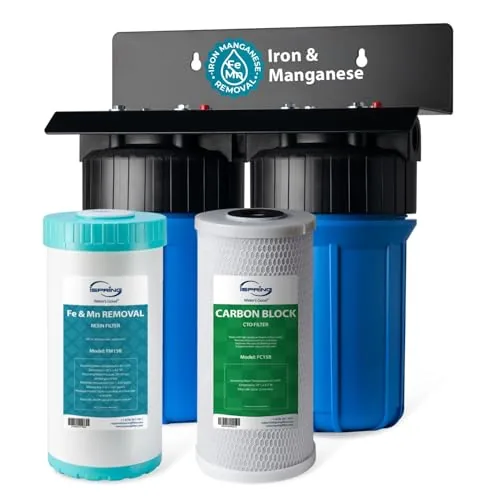
7 Best Water Filters For Iron In Well Water (2026 Review Guide)
Aug 1, 2026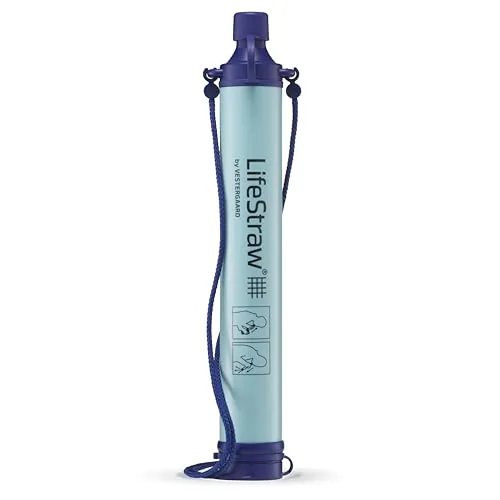
6 Best Water Filters For Camping (2026 Review Guide)
Jul 24, 2026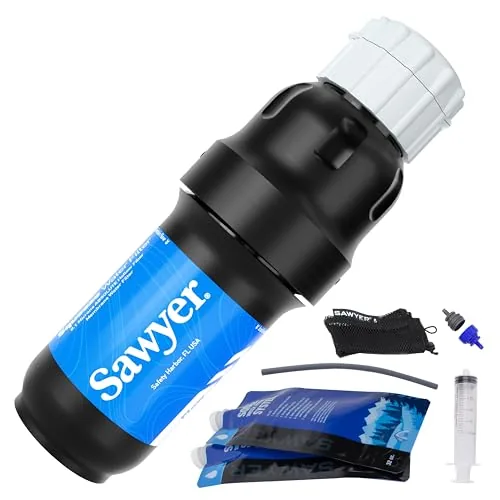
8 Best Squeeze Water Filters (2026 Review Guide)
Jul 20, 2026