Around $20
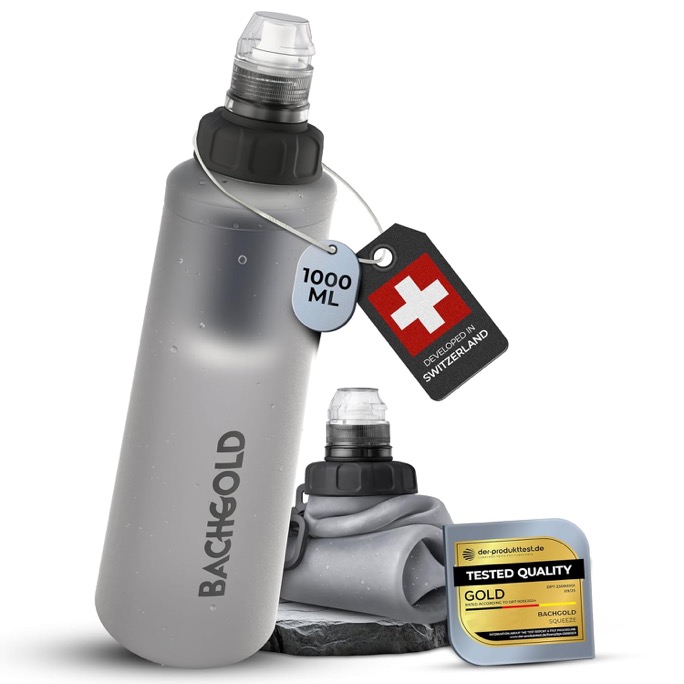
Built for travel, hiking & emergencies - drink safely whether the water is unsafe or just tastes off.
- 2-stage filtration: nanofiber layer + 0.2 micron hollow fiber membrane
- Rinse to restore flow - no replacement cartridges needed
- Collapsible 1L bottle - folds flat to pocket size
- Leak-resistant, taste-neutral, designed in Switzerland
Tap water in Uruguay is generally safe to drink in urban areas, particularly in Montevideo and other major cities served by the state utility OSE. Uruguay has one of the highest rates of access to safely managed drinking water in Latin America. However, travelers visiting rural areas or smaller towns should exercise some caution, and a filter bottle can be useful during occasional water quality advisories.
Quick Reference
| Concern | Our Advice | |
|---|---|---|
| Drink tap water? | ✅ | Yes, safe in most areas |
| Brush teeth? | ✅ | Yes, no concerns |
| Wash fruits / veg? | ✅ | Yes, safe to use tap water |
| Use ice in drinks? | ✅ | Yes, safe in restaurants |
| Shower safely? | ✅ | Yes |
| Filter bottle needed? | ✅ | Not necessary, but a Bachgold Squeeze Filter Bottle can improve taste |
| Common risks | Seasonal algal blooms, Agricultural runoff, Elevated salinity during droughts, Chlorination byproducts |

Key Statistics


Affiliate links — we earn a small commission at no extra cost to you.
Water Infrastructure & Supply
Uruguay's drinking water system is primarily managed by the state-owned utility Obras Sanitarias del Estado (OSE), which has been responsible for water supply and sanitation across the country since 1952. OSE serves approximately 95% of the country's population and operates treatment plants, reservoirs, and extensive pipeline networks. Uruguay's strong institutional framework for water management is notable in the Latin American context, and in 2004, a constitutional amendment enshrined access to water as a fundamental human right.
The main water source for Montevideo and the surrounding metropolitan area is the Santa Luca River, which feeds the Aguas Corrientes treatment plant , one of the largest in South America. Treatment processes include coagulation, flocculation, sedimentation, filtration, and chlorine disinfection, meeting WHO guidelines for drinking water quality. In the interior, OSE operates over 200 smaller treatment systems drawing from rivers, reservoirs, and groundwater sources.
In recent years, Uruguay has invested in upgrading its infrastructure, including the construction of the Casup reservoir project (Proyecto Neptuno/Arazat alternatives have been debated) to secure a secondary water source for the Montevideo metropolitan area. The 2023 water crisis , caused by a severe drought that reduced the Santa Luca River's flow , highlighted vulnerabilities in relying on a single source and accelerated plans for diversification. International financing from the World Bank and Inter-American Development Bank has supported improvements in both urban and rural water systems.
Contamination & Health Risks
In normal conditions, tap water in Montevideo and major Uruguayan cities meets international safety standards and is safe for travelers to drink. OSE conducts regular testing for microbiological and chemical parameters, and contamination events are rare. However, the 2023 drought led to temporarily elevated sodium and chloride levels in Montevideo's tap water when the utility had to blend reservoir water with brackish estuary water, prompting the government to distribute bottled water to vulnerable populations.
Agricultural runoff poses an ongoing challenge, particularly from intensive soybean and cattle farming in the Santa Luca River basin. This has contributed to periodic algal blooms caused by cyanobacteria, which can produce toxins such as microcystin. OSE has invested in activated carbon treatment to address these episodes, and the government has established buffer zones along waterways. Nitrate levels in some rural groundwater sources can also be elevated, though they typically remain within safe limits.
For most travelers, the practical health risks from tap water in Uruguay are very low. The main concern is during exceptional events like droughts, when water quality advisories may be issued , in such cases, following local news and OSE announcements is important. Travelers with compromised immune systems or those visiting very remote rural areas may prefer bottled or filtered water as an extra precaution. Showering, brushing teeth, and using ice in drinks are all considered safe throughout urban Uruguay.
Regional Water Quality Breakdown
Montevideo
safeMontevideo's tap water is treated at the Aguas Corrientes plant and meets WHO standards under normal conditions. The 2023 drought was an exceptional event, and since then, the government has worked to secure alternative water sources. Day-to-day water quality is reliable and safe for travelers.
Punta del Este & Maldonado
safeThis popular resort area has well-maintained water infrastructure managed by OSE. Tap water is safe to drink year-round, including during the busy summer tourist season. Hotels and restaurants all use tap water for cooking and ice.
Colonia del Sacramento
safeThis UNESCO World Heritage town on the Ro de la Plata has reliable tap water service. Water is treated and monitored by OSE, and travelers can drink from the tap without concern. The town's tourism infrastructure is well-developed.
Salto & Northern Interior
cautionWhile Salto city itself has treated tap water, some smaller towns and rural areas in the northern interior may have less consistent water quality. Agricultural activity in the region can affect water sources. Travelers venturing into rural areas may want to carry bottled or filtered water.
Rocha & Cabo Polonio
cautionRocha's coastal towns generally have safe tap water, but the remote, off-grid settlement of Cabo Polonio relies on wells and rainwater collection, which may not be treated. Travelers to Cabo Polonio should bring bottled water or a reliable filter.
Rivera & Brazilian Border Region
cautionRivera city has OSE-supplied tap water that is generally safe, but smaller settlements along the border may have aging infrastructure and less rigorous monitoring. Agricultural runoff from large-scale farming in the region is an occasional concern.
Practical Tips for Travelers
- Carry a filter bottle (e.g., Bachgold Squeeze) — it removes bacteria, parasites, and microplastics from any tap or stream. Strongly recommend the Bachgold Squeeze Filter Bottle.
- In restaurants, you can ask for tap water by saying "agua de la canilla, por favor" , most establishments in urban areas will serve it without issue, and it is safe to drink.
- Monitor local news and the OSE website (www.ose.com.uy) for any water quality advisories, especially during dry summer months (January, March) when drought conditions can occasionally affect supply.
- If you're visiting off-grid destinations like Cabo Polonio, bring your own bottled water or a portable filter, as these areas lack conventional water treatment infrastructure.
- Ice in drinks at restaurants and bars in Montevideo, Punta del Este, and other cities is made from treated tap water and is safe to consume.
- Carry a refillable water bottle , Uruguay's urban tap water is safe, and reducing plastic waste aligns with the country's growing environmental awareness. Many cafes will refill bottles for free.
- If you notice an unusual taste or color in the tap water (very rare), switch to bottled water temporarily and check OSE's social media channels for updates , they are responsive during any quality events.
- For mate (Uruguay's national drink), locals always use tap water heated in a kettle. Boiling water provides an extra layer of safety, so enjoying mate is perfectly safe everywhere in the country.
- At supermarkets, look for "Salus" brand water if you prefer bottled , it's the most popular Uruguayan mineral water brand and is sourced from natural springs in Lavalleja department.
Bottled Water Availability & Cost
Bottled water is widely available throughout Uruguay in supermarkets, convenience stores (almacenes), gas stations, and restaurants. Popular local brands include Salus, Nativa, and Vitale. A 500ml bottle typically costs between UYU 50, 80 (approximately USD 1.20, 1.90) at a shop, while restaurants may charge UYU 80, 150 (USD 1.90, 3.50). A 1.5-liter bottle from a supermarket generally costs UYU 55, 90 (USD 1.30, 2.10).
Buying larger 5-liter or 6-liter bottles from supermarkets like Tienda Inglesa, Disco, or Devoto is the most economical option if you prefer bottled water, typically costing UYU 100, 160 (USD 2.40, 3.80). Given that Uruguay's tap water is generally safe, relying on a refillable bottle is both practical and environmentally friendly. Uruguay has been increasing efforts to reduce single-use plastics, and many cafes and restaurants will happily refill your water bottle on request.
Frequently Asked Questions
Can I brush my teeth with tap water in Uruguay?
Yes, brushing your teeth with tap water is safe throughout urban Uruguay, including Montevideo, Punta del Este, Colonia del Sacramento, and other cities. The water is treated and disinfected to meet international safety standards.
Is it safe to shower in Uruguay's tap water?
Absolutely. Showering in tap water is completely safe everywhere in Uruguay. The water is treated and poses no risk for bathing or personal hygiene.
Can I drink ice in my drinks at restaurants in Uruguay?
Yes, ice served at restaurants, bars, and cafes in Uruguayan cities is made from treated tap water and is safe. There's no need to request drinks without ice as you might in some other South American countries.
Is restaurant tap water safe to drink in Uruguay?
Yes, water served at restaurants in cities and tourist areas is safe. Uruguay's tap water quality is among the best in South America. If you want tap water rather than bottled, just ask for "agua de la canilla."
How much does bottled water cost in Uruguay?
A 500ml bottle costs around UYU 50, 80 (USD 1.20, 1.90) in shops and UYU 80, 150 (USD 1.90, 3.50) in restaurants. Larger 1.5-liter bottles at supermarkets cost UYU 55, 90 (USD 1.30, 2.10). Given that tap water is safe, a refillable bottle is more economical.
What happened with Uruguay's water crisis in 2023?
A severe drought in 2023 drastically reduced water levels in the Santa Luca River, forcing OSE to mix in brackish water from the Ro de la Plata. This raised sodium and chloride levels above recommended limits for several weeks. The government distributed free bottled water and has since accelerated plans for alternative water sources. Normal water quality was restored once rainfall returned.
Is tap water safe to drink in rural Uruguay?
In most towns served by OSE, tap water is treated and safe. However, very small settlements and off-grid locations may rely on wells or untreated sources. If you're traveling deep into rural areas, carrying bottled or filtered water is a sensible precaution.
Do I need a water filter bottle for traveling in Uruguay?
For most travelers staying in cities and popular tourist destinations, a filter bottle is not necessary , Uruguay's urban tap water is safe to drink. However, if you plan to visit remote rural areas, off-grid beaches like Cabo Polonio, or want extra peace of mind, a filter bottle can be a useful addition to your travel kit.
Interesting Product Reviews
7 Best Water Filters For Heavy Metals (2026 Review Guide)
Jul 31, 2026
9 Best Water Descalers (2026 Review Guide)
Aug 15, 2026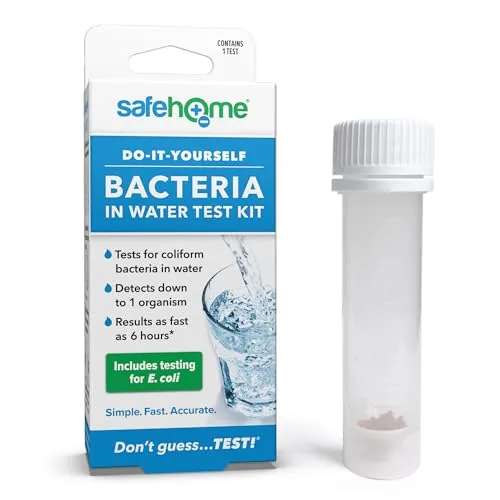
6 Best Bacteria Water Test Kits (2026 Review Guide)
Aug 3, 2026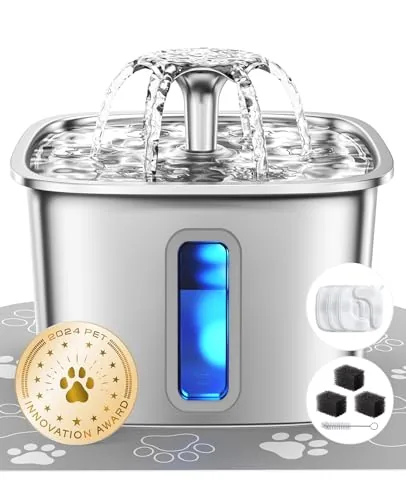
7 Best Pet Water Fountains (2026 Review Guide)
Aug 18, 2026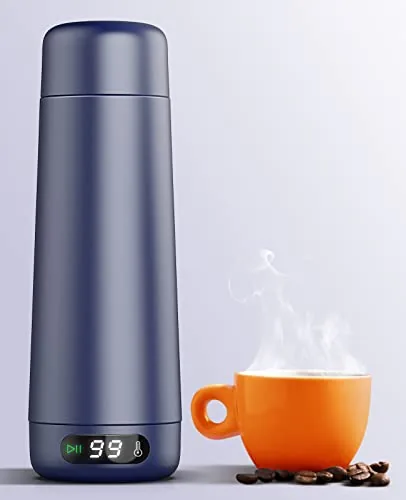
8 Best Travel Kettles For Boiling Water (2026 Review Guide)
Jul 2, 2026