As low as $12
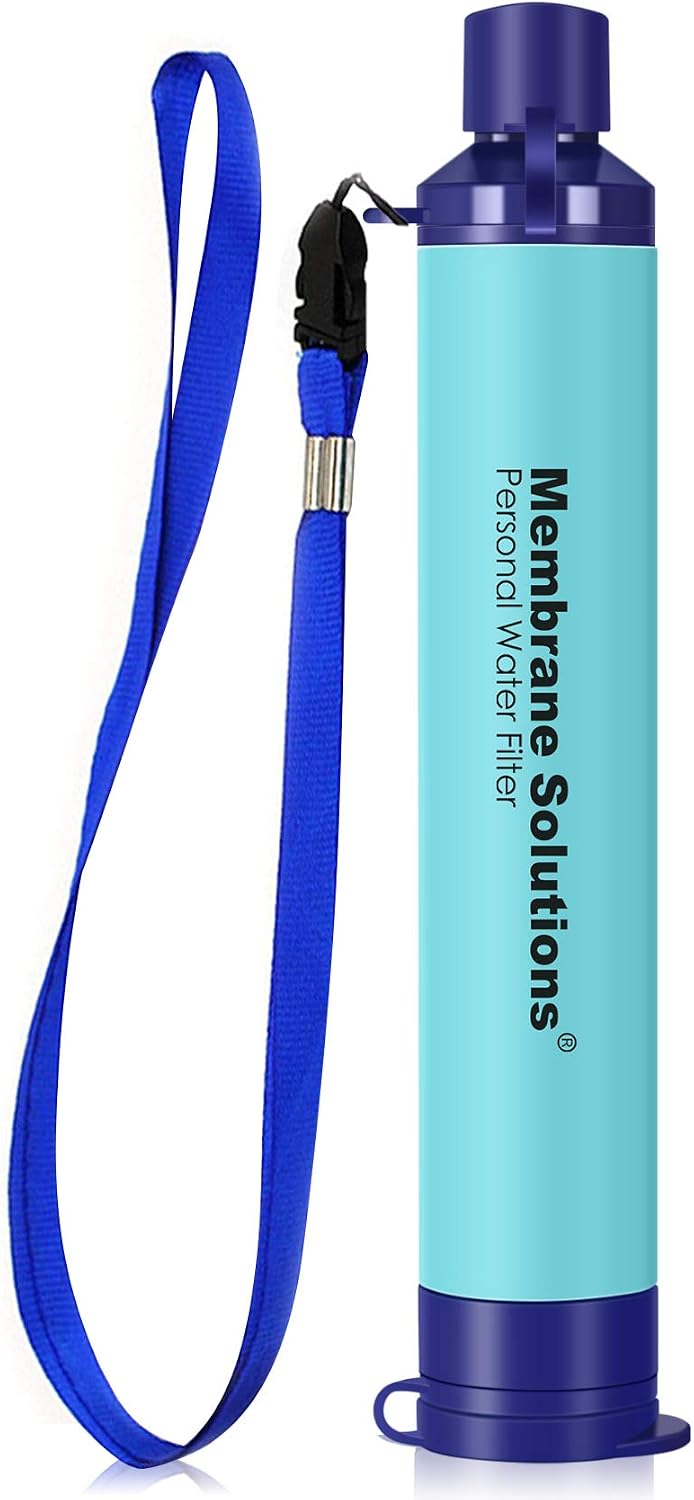
Built for travel, hiking & emergencies - drink safely whether the water is unsafe or just tastes off.
- NSF/ANSI 42, 372 & 401 certified, 0.1 micron filtration
- Filters up to 1,320 gallons - no batteries or pumping
- Ultralight - fits in any bag or pocket
- BPA-free, compatible with standard 28mm bottle threads
Tap water in Yemen is not safe to drink for travelers or most locals. Years of ongoing conflict have severely damaged water infrastructure, and the country faces one of the world's worst water crises. Travelers should rely exclusively on bottled or purified water for all consumption needs.
Quick Reference
| Concern | Our Advice | |
|---|---|---|
| Drink tap water? | ❌ | Use bottled or filtered water |
| Brush teeth? | ❌ | Use bottled or filtered water |
| Wash fruits / veg? | ❌ | Wash with filtered or bottled water |
| Use ice in drinks? | ❌ | Avoid unless confirmed purified |
| Shower safely? | ⚠️ | Yes but avoid swallowing water |
| Filter bottle needed? | ❌ | Strongly recommend a Membrane Solutions Filter Straw for all travelers |
| Common risks | Bacterial contamination, Cholera, Waterborne parasites, Heavy metals, Sewage contamination, Groundwater depletion, Fuel and chemical contamination |

Key Statistics


Affiliate links — we earn a small commission at no extra cost to you.
Water Infrastructure & Supply
Yemen has long been one of the most water-scarce countries on earth, with per capita water availability far below the international scarcity threshold. Even before the civil war that escalated in 2015, groundwater was being extracted at unsustainable rates, and urban piped networks were deteriorating. The Sana'a Basin, which supplies the capital, has been described by experts as potentially the first major capital city in the world to run out of groundwater.
The ongoing conflict has devastated what infrastructure existed. Airstrikes and ground combat have damaged or destroyed approximately half of Yemen's water and sanitation systems. Many municipal water networks in cities like Aden, Taiz, and Hodeidah function only intermittently, and fuel shortages prevent pumping stations from operating. Sewage treatment facilities in multiple cities have collapsed entirely, leading to raw sewage contaminating surface water and shallow groundwater sources.
International organizations including UNICEF, the ICRC, and various NGOs have been running emergency water programs, rehabilitating wells, installing solar-powered pumping systems, and trucking water to communities in crisis. Despite these efforts, the scale of need vastly outstrips available resources. Long-term solutions require not only an end to the conflict but massive investment in desalination, water recycling, and sustainable groundwater management.
Contamination & Health Risks
Yemen has experienced one of the worst cholera outbreaks in modern history, with over 2.5 million suspected cases reported since October 2016. The outbreak is directly linked to the collapse of water and sanitation infrastructure. Contamination of water sources with human waste, combined with limited access to clean water and healthcare, creates ideal conditions for waterborne disease transmission.
Beyond cholera, travelers face risks from a wide range of pathogens including E. coli, Salmonella, Giardia, and hepatitis A and E. Groundwater sources, which supply most of Yemen's drinking water, are frequently contaminated by agricultural runoff, industrial pollutants, and inadequately treated or untreated sewage. In coastal areas near Aden and Hodeidah, saltwater intrusion further degrades water quality. Heavy metals and nitrates from overuse of fertilizers are additional concerns in agricultural regions.
For travelers , though travel to Yemen is currently strongly discouraged by most governments due to the armed conflict , the practical risk is extreme. No tap water should be consumed under any circumstances. Water used for drinking, cooking, brushing teeth, and washing food must be either commercially bottled with an intact seal, boiled for at least one minute, or treated with a reliable purification system. Ice should be refused unless verified to be made from purified water.
Regional Water Quality Breakdown
Sana'a
avoidThe capital faces severe groundwater depletion and its piped network functions only sporadically. Water quality is unreliable even when available, with widespread contamination risks from aging infrastructure and sewage infiltration.
Aden
avoidAden's water infrastructure has been heavily damaged by conflict. Saltwater intrusion into coastal aquifers compounds the problem. Municipal water supply is intermittent and unsafe for consumption without treatment.
Taiz
avoidTaiz has been one of the most heavily besieged cities in the conflict, with water infrastructure severely degraded. Residents depend heavily on water trucking and aid deliveries. Tap water is completely unsafe.
Hodeidah
avoidThis Red Sea port city has suffered extensive conflict damage. Its water and sewage systems have largely collapsed, and cholera outbreaks have been particularly severe here. All water must be treated or sourced from sealed bottles.
Hadramaut (Mukalla & Say'un)
avoidWhile relatively less affected by direct combat in recent years, the Hadramaut region still faces chronic water scarcity and quality issues. Groundwater contamination remains a concern, and infrastructure maintenance has been minimal.
Socotra Island
avoidThis remote island has extremely limited water infrastructure. Fresh water is scarce and mostly from wells and rainwater collection. Travelers must bring or arrange their own purified water supply as no reliable treated water is available.
Practical Tips for Travelers
- Never drink tap water in Yemen under any circumstances , always use sealed bottled water or water that has been boiled for at least one minute.
- Use bottled or purified water for brushing teeth, as even brief oral exposure to contaminated water can cause illness.
- Carry a high-quality portable water purifier or filter bottle (such as a LifeStraw or Grayl) as a critical backup when bottled water is unavailable. Strongly recommend the Membrane Solutions Filter Straw.
- Refuse ice in all drinks unless you can confirm it was made from purified water , most ice in Yemen is made from untreated sources.
- Peel all fruits and vegetables or wash them thoroughly with purified water before eating. Avoid raw salads at restaurants.
- To ask for bottled water in Arabic, say 'Maa mu'abba' ( ) or simply 'maa Shamlan' to request the well-known local brand by name.
- Pack oral rehydration salts (ORS) in your travel kit , if you develop diarrhea, rapid rehydration with clean water and ORS is critical.
- Ensure you are vaccinated against hepatitis A and typhoid before traveling, as both are transmitted through contaminated water and food in Yemen.
Bottled Water Availability & Cost
Bottled water is available in Yemen's major cities and towns, though supply chains can be disrupted by conflict, road closures, and fuel shortages. Local brands such as Shamlan and Al-Mukalla are common when available. A 1.5-liter bottle typically costs between 200, 500 Yemeni Rials (approximately $0.40, $1.00 USD), though prices fluctuate significantly depending on location, supply conditions, and the exchange rate. In conflict-affected areas or remote regions, prices can be substantially higher.
When possible, purchasing water in bulk (5-liter or 10-liter containers) provides better value and reduces plastic waste. Water trucking services are widely used by local households and can sometimes be arranged in urban areas, though water quality from trucks is variable and should be verified or treated. Given the severity of water contamination risks, investing in a high-quality portable water filter or purification tablets is essential for anyone traveling to Yemen.
Frequently Asked Questions
Can I brush my teeth with tap water in Yemen?
No. Tap water in Yemen is unsafe for any oral contact, including brushing teeth. Always use bottled or purified water for dental hygiene to avoid exposure to bacteria, parasites, and other contaminants.
Is it safe to shower in Yemen's tap water?
Showering is generally acceptable as long as you keep your mouth firmly closed and avoid swallowing any water. Be cautious with open wounds as contaminated water could cause infection. Use purified water to wash your face if possible.
Can I drink ice in restaurants in Yemen?
No. Ice in Yemen is almost certainly made from untreated tap water and should be avoided. Request drinks without ice, or consume only sealed bottled beverages.
Is restaurant water safe to drink in Yemen?
Only consume water served in sealed bottles that you open yourself. Water served in glasses, pitchers, or jugs at restaurants is likely from tap or untreated sources and should not be consumed.
How much does bottled water cost in Yemen?
A 1.5-liter bottle typically costs 200, 500 Yemeni Rials (roughly $0.40, $1.00 USD), but prices vary greatly by location and supply conditions. In conflict zones or remote areas, prices can be significantly higher.
Why is Yemen's water situation so severe?
Yemen was already the most water-scarce country in the Middle East before the civil war began in 2015. The conflict has destroyed roughly half of water infrastructure, caused cholera outbreaks affecting millions, and left over 17 million people in need of water and sanitation assistance.
Is it safe to travel to Yemen at all?
Most governments, including the US, UK, and EU member states, advise against all travel to Yemen due to the ongoing armed conflict, terrorism risks, and humanitarian crisis. If you must travel, comprehensive health precautions including water safety are absolutely essential.
What vaccinations do I need related to water safety before visiting Yemen?
Hepatitis A and typhoid vaccinations are strongly recommended as both diseases spread through contaminated water and food. A cholera vaccine (Dukoral/Vaxchora) may also be advisable given Yemen's massive cholera epidemic. Consult a travel medicine specialist well before departure.
Interesting Product Reviews
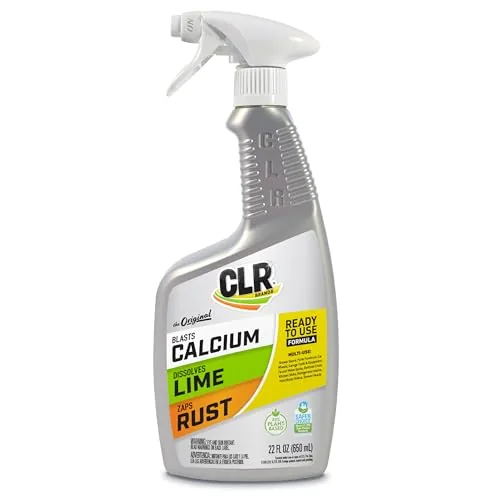
6 Best Hard Water Stain Removers (2026 Review Guide)
Aug 21, 2026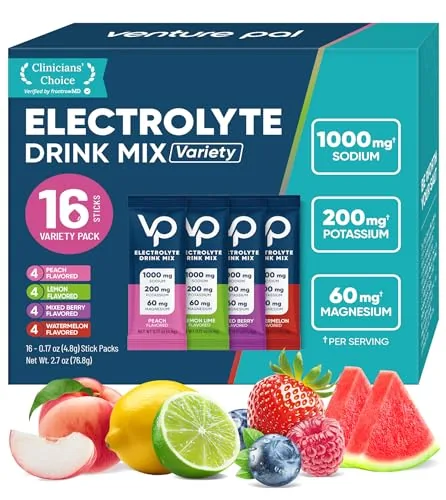
7 Best Electrolyte Drinks And Powders (2026 Review Guide)
Aug 9, 2026
8 Best Variable Temperature Kettles (2026 Review Guide)
Aug 12, 2026
9 Best Sparkling Water Makers (2026 Review Guide)
Aug 11, 2026
6 Best Faucet Water Filters (2026 Review Guide)
Jul 5, 2026