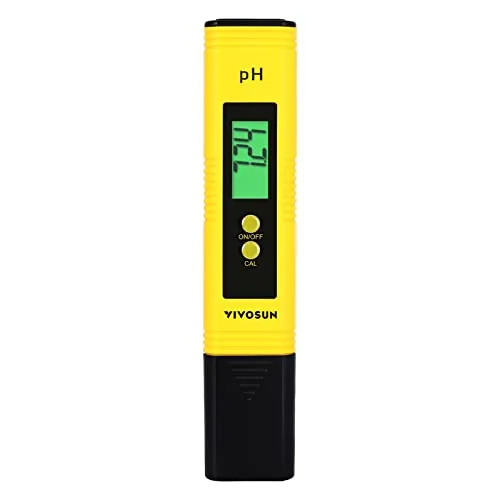
As low as $12
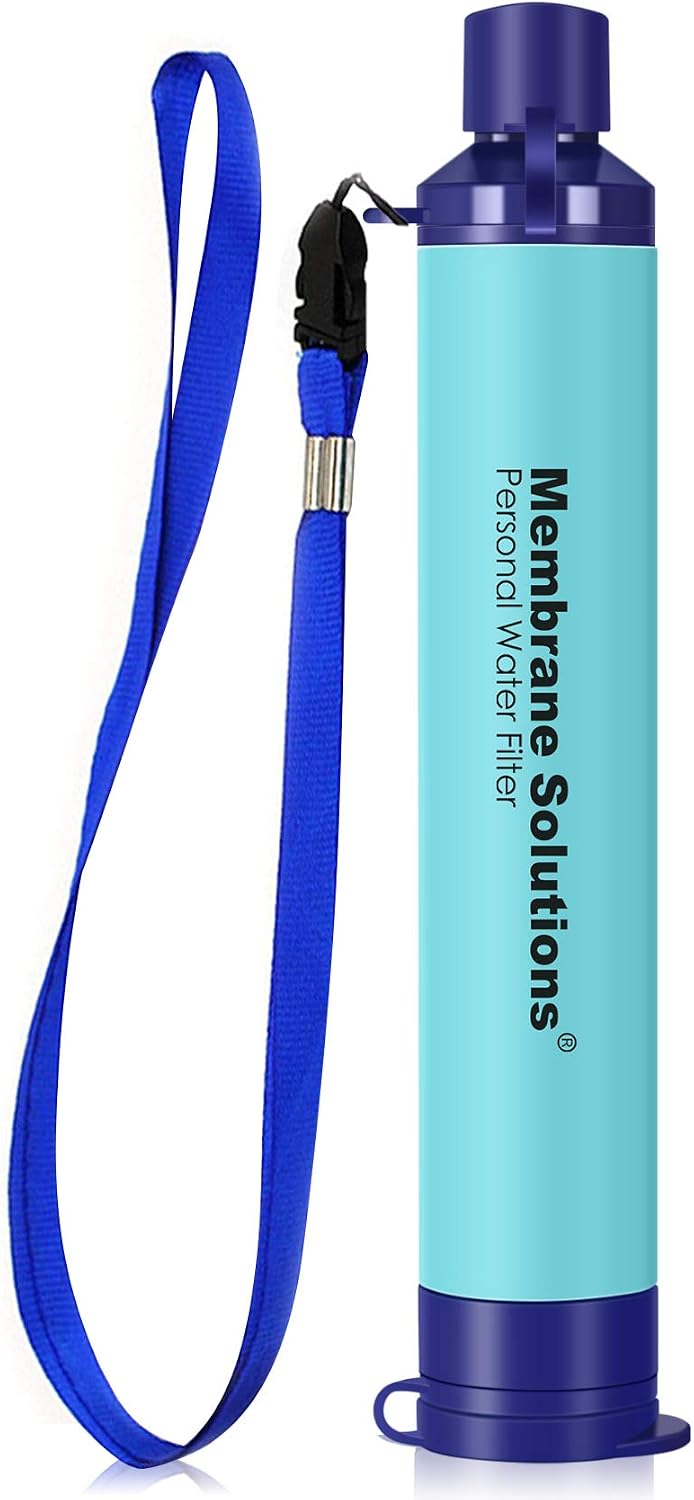
Built for travel, hiking & emergencies - drink safely whether the water is unsafe or just tastes off.
- NSF/ANSI 42, 372 & 401 certified, 0.1 micron filtration
- Filters up to 1,320 gallons - no batteries or pumping
- Ultralight - fits in any bag or pocket
- BPA-free, compatible with standard 28mm bottle threads
Tap water in Singapore is safe to drink directly from the faucet. Singapore's water treatment meets and often exceeds World Health Organization (WHO) guidelines, thanks to the country's world-class PUB (Public Utilities Board) infrastructure. Travelers can confidently drink tap water, use ice, and brush their teeth without concern throughout the city-state.
Quick Reference
| Concern | Our Advice | |
|---|---|---|
| Drink tap water? | ✅ | Yes, safe in most areas |
| Brush teeth? | ✅ | Yes, no concerns |
| Wash fruits / veg? | ✅ | Yes, safe to use tap water |
| Use ice in drinks? | ✅ | Yes, safe in restaurants |
| Shower safely? | ✅ | Yes |
| Filter bottle needed? | ✅ | Not necessary, but a Membrane Solutions Filter Straw can improve taste |
| Common risks | Residual chlorine taste, Old building plumbing in rare cases, Minor lead risk from pre-1980s pipes in older buildings |

Key Statistics


Affiliate links — we earn a small commission at no extra cost to you.
Water Infrastructure & Supply
Singapore's water infrastructure is among the most advanced in the world. The country's Public Utilities Board (PUB) manages the entire water cycle , from catchment to tap and back again , under a unified national framework. This integrated approach, known as the "Four National Taps" strategy, was developed to ensure water security for a small island nation with no natural aquifers and limited land.
The Four National Taps consist of local catchment water, imported water from Johor (Malaysia), NEWater (high-grade reclaimed water treated through microfiltration, reverse osmosis, and UV disinfection), and desalinated water. Two-thirds of Singapore's land area serves as water catchment, feeding 17 reservoirs including the Marina Reservoir. NEWater, first introduced in 2003, now supplies up to 40% of Singapore's water needs and is primarily used for industrial and air-conditioning purposes, though it exceeds WHO drinking water standards.
Singapore continues to invest heavily in expanding its desalination and NEWater capacity to reduce reliance on imported water from Malaysia, whose agreement expires in 2061. The Tuas Desalination Plant and Changi NEWater Factory are key facilities. PUB also implements smart water grid technology with over 300 sensors across the distribution network to detect leaks and monitor water quality in real time, keeping non-revenue water loss at an impressively low rate of about 5%.
Contamination & Health Risks
Singapore's tap water consistently meets or exceeds WHO Guidelines for Drinking Water Quality across more than 300 parameters tested regularly by PUB. The water undergoes conventional treatment including coagulation, sedimentation, filtration, and disinfection with chlorine. Residual chlorine levels are maintained throughout the distribution network to prevent microbial regrowth, though this can occasionally impart a slight taste or smell.
The primary concern for travelers is not contamination at the treatment plant but rather the plumbing within very old buildings. While Singapore's public water supply is excellent, a small number of pre-1980s buildings may still have older internal plumbing that could introduce trace amounts of lead or other metals. However, PUB's ongoing pipe replacement program and building regulations have largely mitigated this risk. There have been no documented waterborne disease outbreaks linked to the public water supply in decades.
For travelers, the health risks from tap water in Singapore are essentially negligible. The Centers for Disease Control and Prevention (CDC) does not issue any warnings about drinking tap water in Singapore. Visitors with sensitive stomachs may notice a slight difference due to the chlorination, but this poses no health concern. There is no need to boil, filter, or purchase bottled water for health reasons.
Regional Water Quality Breakdown
Central Business District & Marina Bay
safeThe CBD and Marina Bay area features modern high-rise buildings with excellent plumbing. Tap water is fully safe to drink in hotels, offices, and restaurants throughout this area.
Orchard Road & Bugis
safeSingapore's premier shopping districts have top-notch water infrastructure. Hotels and malls here all serve safe tap water, and ice in drinks from any establishment is safe to consume.
Sentosa Island
safeSentosa's resorts, attractions, and restaurants are all connected to Singapore's main water supply. Tap water is safe to drink at all facilities on the island.
Chinatown & Little India
safeThese historic neighborhoods are well-connected to PUB's modern water grid. While some buildings are older, internal plumbing standards are regulated and water remains safe to drink. Hawker centre drinks and ice are safe.
Changi & East Coast
safeThe Changi area, including Changi Airport (regularly voted the world's best airport), provides safe drinking water from taps and water fountains. Tap water in hotels and residences along the East Coast is equally safe.
Jurong & Western Singapore
safeThe Jurong area, home to industrial zones and newer residential developments like Jurong Lake District, has modern water infrastructure. Tap water is safe throughout the western part of Singapore.
Practical Tips for Travelers
- Carry a filter straw (e.g., Membrane Solutions) — it removes bacteria, parasites, and microplastics from any tap or stream. Strongly recommend the Membrane Solutions Filter Straw.
- Drink tap water confidently anywhere in Singapore , it meets WHO standards and is safe straight from the faucet in all hotels, restaurants, and public buildings.
- Carry a reusable water bottle and refill it at taps or the growing number of water refill stations in malls, parks, and MRT stations to save money and reduce plastic waste.
- If you notice a slight chlorine taste, fill a jug and leave it uncovered in the fridge for an hour , the chlorine will dissipate and the water will taste more neutral.
- Ice in drinks at hawker centres, restaurants, and bars is made from treated tap water and is safe to consume without concern.
- At a hawker centre or kopitiam (coffee shop), you can order plain water by saying 'kopi o kosong peng' for iced black coffee without sugar, or simply ask for 'plain water' , locals understand English well.
- In Mandarin, you can ask for water by saying '' (qng gi w y bi shu) meaning 'please give me a glass of water,' though English is the primary working language.
- Singapore's tap water is safe for preparing baby formula, so parents traveling with infants do not need to buy bottled water for this purpose.
- Visit the NEWater Visitor Centre in Bedok for a free tour explaining Singapore's innovative water reclamation process , a fascinating side trip for curious travelers.
Bottled Water Availability & Cost
Bottled water is widely available throughout Singapore at convenience stores like 7-Eleven and Cheers, supermarkets such as FairPrice and Cold Storage, and in hawker centres. A 500ml bottle typically costs SGD $0.80, $1.50 (approximately USD $0.60, $1.10). Popular brands include Dasani, Ice Mountain, and Evian. In hotels and tourist areas, prices can be slightly higher, around SGD $2, $4 for imported brands. A 1.5-liter bottle from a supermarket costs around SGD $1.00, $2.50.
Since Singapore's tap water is perfectly safe to drink, buying bottled water is unnecessary and generates plastic waste. The Singapore government actively encourages people to carry reusable water bottles, and many public spaces, malls, and parks now have water refill stations. If you're budget-conscious, simply refill a reusable bottle from any tap , it's the same quality you'd find in most premium bottled water brands. Singapore's NEWater brand is even sold in bottles at some events to demonstrate the quality of reclaimed water.
Frequently Asked Questions
Can I brush my teeth with tap water in Singapore?
Yes, absolutely. Singapore's tap water is treated to WHO standards and is completely safe for brushing teeth. There is no need to use bottled water for oral hygiene.
Is it safe to shower in Singapore's tap water?
Yes, Singapore's tap water is safe for showering, bathing, and all personal hygiene. The water is well-treated and poses no risk to skin or eyes. Some people with sensitive skin may notice a slight dryness from the chlorine, which is normal.
Is ice safe in Singapore drinks?
Yes, ice in Singapore is safe. All commercial ice is made from treated municipal tap water, and food safety regulations are strictly enforced. You can order iced drinks at any restaurant, hawker centre, or bar without worry.
Do restaurants in Singapore serve safe tap water?
Yes, restaurants may serve either tap water or filtered tap water. Both are safe to drink. Many restaurants offer free plain water upon request, though some higher-end establishments may charge for bottled water.
How much does bottled water cost in Singapore?
A 500ml bottle costs about SGD $0.80, $1.50 (USD $0.60, $1.10) at convenience stores and supermarkets. Hotel minibars and tourist areas may charge SGD $3, $5. Since tap water is safe, buying bottled water is not necessary.
What is NEWater and is it safe to drink?
NEWater is Singapore's brand of ultra-purified reclaimed water, treated through advanced membrane technologies and UV disinfection. It exceeds WHO drinking water standards and has been approved safe for drinking since 2003, though it is primarily used for industrial purposes and to supplement reservoir water.
Do I need a water filter bottle for traveling in Singapore?
No, a water filter bottle is not necessary for Singapore. The tap water quality is on par with or superior to many developed countries. A regular reusable bottle for convenience is all you need.
Is Singapore's tap water safe for babies and young children?
Yes, Singapore's tap water is safe for infants and children. It can be used directly for preparing baby formula, drinking, and food preparation. The water meets stringent quality standards and is tested for over 300 parameters.
Interesting Product Reviews
8 Best Water Filters For Chlorine (2026 Review Guide)
Jul 29, 2026
8 Best Countertop Water Filters For Renters (2026 Review Guide)
Jul 20, 2026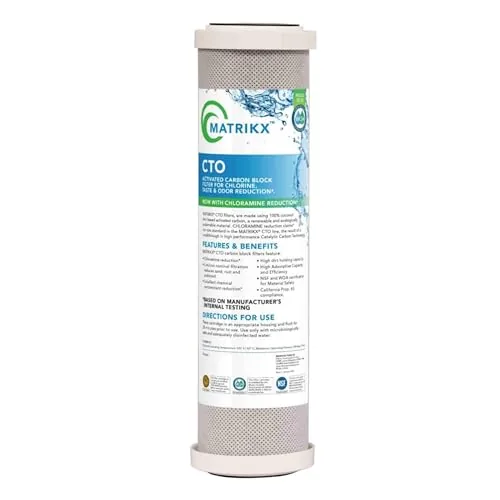
9 Best Water Filters For Chloramine (2026 Review Guide)
Jul 29, 2026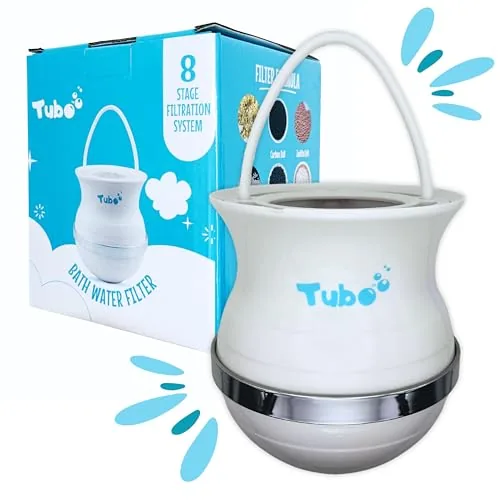
9 Best Bath Filters For Babies (2026 Review Guide)
Jul 27, 2026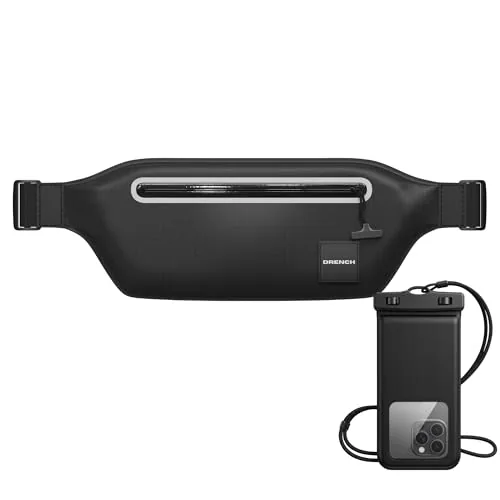
7 Best Waterproof Money Belts (2026 Review Guide)
Aug 24, 2026