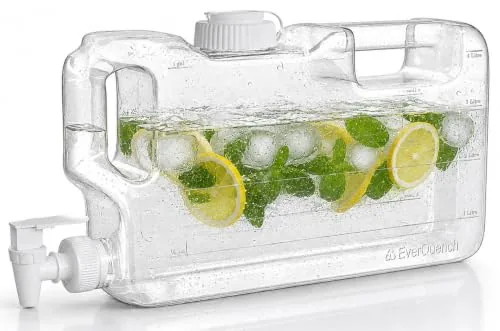
As low as $12
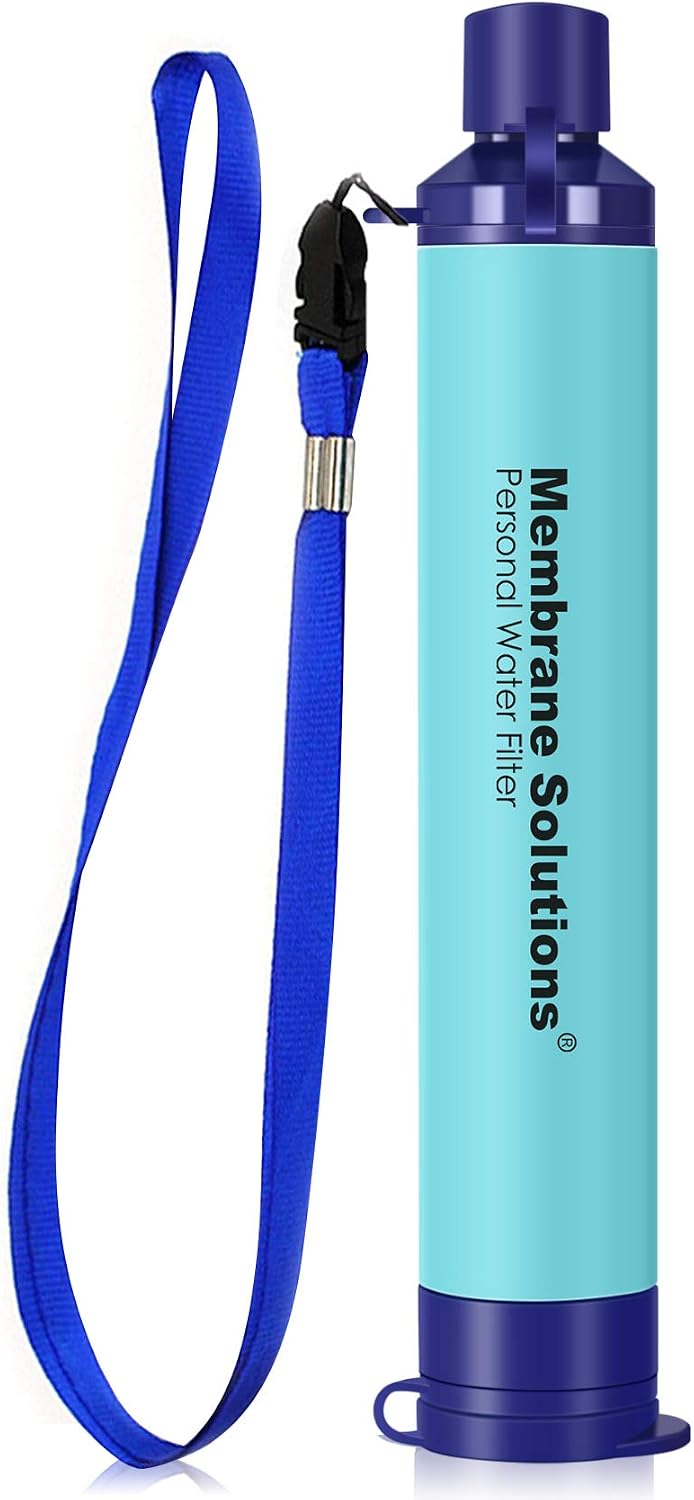
Built for travel, hiking & emergencies - drink safely whether the water is unsafe or just tastes off.
- NSF/ANSI 42, 372 & 401 certified, 0.1 micron filtration
- Filters up to 1,320 gallons - no batteries or pumping
- Ultralight - fits in any bag or pocket
- BPA-free, compatible with standard 28mm bottle threads
Tap water in Costa Rica is generally safe to drink in major cities and tourist areas, as the country has one of the most developed water infrastructure systems in Central America. However, in remote rural areas and some coastal towns, water quality may be less reliable, and travelers should exercise caution. Using a filtered water bottle can provide extra peace of mind when venturing off the beaten path.
Quick Reference
| Concern | Our Advice | |
|---|---|---|
| Drink tap water? | ✅ | Yes, safe in most areas |
| Brush teeth? | ✅ | Yes, no concerns |
| Wash fruits / veg? | ✅ | Yes, safe to use tap water |
| Use ice in drinks? | ✅ | Yes, safe in restaurants |
| Shower safely? | ✅ | Yes |
| Filter bottle needed? | ✅ | Not necessary, but a Membrane Solutions Filter Straw can improve taste |
| Common risks | Bacterial contamination in rural areas, Agricultural runoff, Aging pipes in older infrastructure, Sediment after heavy rains, Occasional coliform bacteria in coastal zones |

Key Statistics


Affiliate links — we earn a small commission at no extra cost to you.
Water Infrastructure & Supply
Costa Rica has invested heavily in water infrastructure since the mid-20th century. The Instituto Costarricense de Acueductos y Alcantarillados (AyA) was established in 1961 and serves roughly half the country's population, primarily in the Greater Metropolitan Area (GAM) around San Jos. The remaining population is served by approximately 2,000 community-managed water systems known as ASADAS (Asociaciones Administradoras de Acueductos y Alcantarillados Comunales), as well as municipal systems and private operators.
The country's water treatment infrastructure varies significantly between urban and rural areas. AyA-managed systems typically use modern treatment processes including chlorination, filtration, and quality monitoring that meets WHO standards. ASADAS systems range widely in quality , many have adequate chlorination and monitoring, but some smaller and more remote systems rely on untreated spring or well water and may lack consistent quality testing. The country sources water from abundant rivers, springs, and underground aquifers fed by its tropical climate.
Costa Rica has embarked on major improvement projects to address its historically low wastewater treatment rate. The Los Tajos Wastewater Treatment Plant in San Jos, completed in stages since 2015, was a landmark investment treating sewage for over one million residents. The government's National Water and Sanitation Plan aims to expand wastewater treatment coverage significantly by 2030, and ongoing projects funded by international development banks seek to improve both rural water supply reliability and environmental protection of watersheds.
Contamination & Health Risks
In the Greater Metropolitan Area and most well-established tourist destinations, tap water meets potability standards and poses minimal health risks. AyA conducts thousands of water quality tests annually, and results consistently show compliance with national drinking water regulations (Reglamento para la Calidad del Agua Potable). The main contaminants of concern in urban areas are chlorination byproducts and occasional traces of agricultural chemicals in source water, though these are typically within safe limits.
In rural and coastal areas, the risks increase somewhat. Some ASADAS systems have been found to contain coliform bacteria, particularly after heavy rains during the rainy season (May, November), when flooding and runoff can overwhelm smaller treatment systems. Agricultural regions, especially those with intensive pineapple and banana farming, face risks from pesticide and nitrate contamination of groundwater. The Caribbean coast and some Pacific beach towns have historically had less reliable water treatment infrastructure.
For travelers, the practical risks are low in major destinations like San Jos, Arenal, Monteverde, and most Pacific resort areas. Gastrointestinal issues are uncommon from tap water in these locations. However, travelers visiting remote indigenous territories, very small beach communities, or areas recently affected by flooding should consider using bottled or filtered water as a precaution. Travelers with sensitive stomachs may also want to give their system a day or two to adjust to different mineral compositions in the water.
Regional Water Quality Breakdown
San Jos & Central Valley (GAM)
safeThe Greater Metropolitan Area, including San Jos, Heredia, Alajuela, and Cartago, has the best water infrastructure in the country. AyA directly manages these systems with modern treatment and regular monitoring. Tap water is safe to drink throughout this region.
Guanacaste (Liberia, Tamarindo, Papagayo)
cautionGuanacaste is a dry province that periodically faces water scarcity, particularly during the dry season (December, April). Major resort areas generally have safe water, but some smaller beach communities rely on wells with variable quality. During droughts, water pressure and treatment consistency can be affected.
Arenal & Monteverde
safeThese popular highland tourist destinations benefit from abundant freshwater sources and well-maintained community water systems. The volcanic and cloud forest regions produce exceptionally clean spring water. Tap water is safe and often praised for its taste.
Caribbean Coast (Limn, Puerto Viejo, Cahuita)
cautionThe Caribbean coast has historically had less investment in water infrastructure than the Pacific side. While Limn city has AyA-managed water, smaller towns like Puerto Viejo and Cahuita rely on ASADAS systems that may experience quality fluctuations, especially during heavy rains. Many accommodations use additional filtration.
Central Pacific (Manuel Antonio, Jac, Quepos)
safeThis heavily touristed region has reliable water infrastructure. Jac and Quepos are served by AyA systems, and Manuel Antonio's hotels generally maintain high water quality standards. Tap water is safe to drink in established areas.
Osa Peninsula & Southern Pacific
cautionThe remote Osa Peninsula, home to Corcovado National Park, has limited infrastructure. Many lodges use private well or spring water systems with varying treatment levels. While most eco-lodges provide filtered drinking water, tap water quality is inconsistent and travelers should ask about the source.
Practical Tips for Travelers
- In most tourist areas and cities, Costa Rican tap water is safe to drink directly , there's no need to buy bottled water in San Jos, Arenal, or Monteverde.
- At restaurants, you can ask for tap water by saying "Me puede dar agua del tubo, por favor?" or simply "agua del grifo" , though most restaurants serve purified or bottled water by default.
- Carry a reusable water bottle , Costa Rica's eco-conscious culture means many hotels, hostels, and restaurants offer free filtered water refill stations.
- During the rainy season (May, November), water quality in rural and coastal ASADAS systems can temporarily decline due to runoff , consider using a filter bottle in remote areas during this period. Strongly recommend the Membrane Solutions Filter Straw.
- If staying in a small beach town or remote area, ask your host "Es segura el agua para tomar?" (Is the water safe to drink?) , locals will honestly tell you about their water source.
- Ice in restaurants and bars in tourist areas is almost always made from purified or treated water and is safe to consume , Costa Rica's food safety standards are among the highest in Central America.
- If you have a sensitive stomach, start by drinking bottled water for the first day or two, then transition to tap water , the different mineral profile, not contamination, is usually what causes mild adjustment issues.
- When visiting national parks or hiking in remote areas, bring enough water from a reliable source rather than drinking from streams, which may contain agricultural runoff or natural parasites.
Bottled Water Availability & Cost
Bottled water is widely available throughout Costa Rica in supermarkets, convenience stores (pulperas), gas stations, and tourist shops. Popular local brands include Cristal and Alpina, while international brands like Dasani are also common. A 500ml bottle typically costs between 500, 800 colones (approximately $0.90, $1.50 USD), while a 1.5-liter bottle ranges from 800, 1,500 colones ($1.50, $2.80 USD). Prices are notably higher in tourist hotspots, national parks, and remote beach towns, where a small bottle can cost up to $2.50 USD.
For longer stays, purchasing water in bulk from supermarkets like AutoMercado, Walmart (Masxmenos), or PriceSmart is significantly cheaper , a pack of six 1.5-liter bottles may cost around 3,000, 4,000 colones ($5.50, $7.50 USD). Given that Costa Rica's tap water is safe in most tourist areas, travelers can reduce plastic waste and save money by carrying a reusable water bottle. Costa Rica is a leader in environmental policy in Latin America, and many eco-lodges actively encourage guests to refill bottles from filtered tap water rather than purchasing single-use plastic.
Frequently Asked Questions
Can I brush my teeth with tap water in Costa Rica?
Yes, you can brush your teeth with tap water throughout Costa Rica, including in all major cities and tourist areas. The water is chlorinated and treated to potable standards in AyA-managed and most ASADAS systems. Even in areas where drinking tap water is not recommended, brushing teeth with it poses negligible risk.
Is it safe to shower in Costa Rican tap water?
Absolutely. Showering in Costa Rican tap water is safe everywhere in the country. The water does not pose any skin irritation or health risks from external contact. The water is generally soft and pleasant, though some volcanic areas may have slightly mineral-rich water.
Can I safely eat ice in drinks in Costa Rica?
Yes, ice in drinks is safe in restaurants, bars, and hotels throughout Costa Rica's tourist areas and cities. Commercial ice is produced with purified water, and even establishments making their own ice typically use treated tap water. This is a significant difference from some other Central American countries.
Is restaurant water safe to drink in Costa Rica?
Most restaurants in tourist areas and cities serve either tap water (which is safe) or bottled/purified water. Higher-end restaurants typically offer bottled water. If you're unsure, you can always ask if the water is purified ("El agua es purificada?"). In the Central Valley and major tourist zones, tap water served at restaurants is safe.
How much does bottled water cost in Costa Rica?
A 500ml bottle of water costs approximately 500, 800 colones ($0.90, $1.50 USD) in convenience stores. Larger 1.5-liter bottles cost 800, 1,500 colones ($1.50, $2.80 USD). Prices are higher at tourist sites and beachfront shops. Buying in bulk at supermarkets is significantly cheaper.
Is Costa Rica's tap water better than other Central American countries?
Yes, Costa Rica has the highest tap water quality and coverage in Central America. With 97% of the population having access to safely managed drinking water, it significantly outperforms neighboring countries. The country's long-term investment in public health infrastructure and water treatment makes it comparable to many developed nations in terms of water safety.
Should I bring a water filter bottle to Costa Rica?
For most travelers staying in popular tourist areas, a filter bottle is not necessary since tap water is safe. However, if you plan to visit remote areas like the Osa Peninsula, small Caribbean beach towns, or indigenous territories, a filter bottle provides useful insurance. It's also handy for the eco-conscious traveler who wants to avoid buying plastic bottles entirely.
Does Costa Rica's water taste different from what I'm used to?
Costa Rican tap water may taste slightly different from your home water due to its unique mineral composition from volcanic geology and tropical aquifers. Many travelers actually find the water in highland areas like Monteverde and Arenal to taste exceptionally fresh and clean. The chlorine taste in urban areas like San Jos is generally mild compared to many North American and European cities.
Interesting Product Reviews
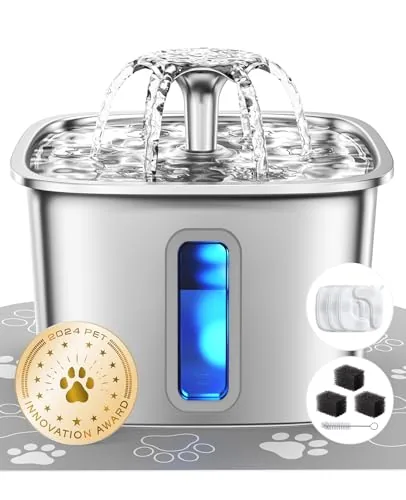
7 Best Automatic Pet Water Dispensers (2026 Review Guide)
Aug 18, 2026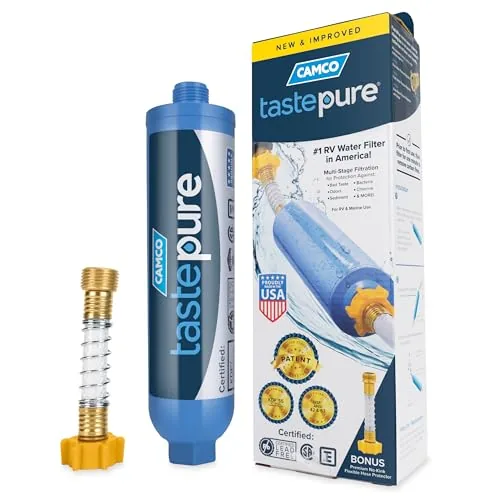
8 Best Water Filters For Rv Living (2026 Review Guide)
Jul 28, 2026
7 Best Water Filters For Heavy Metals (2026 Review Guide)
Jul 31, 2026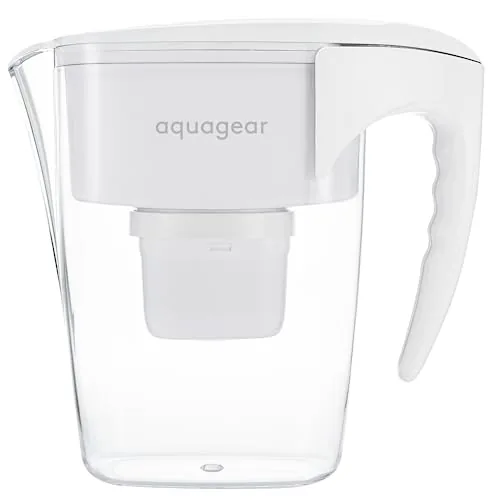
8 Best Water Filters For Chlorine (2026 Review Guide)
Jul 29, 2026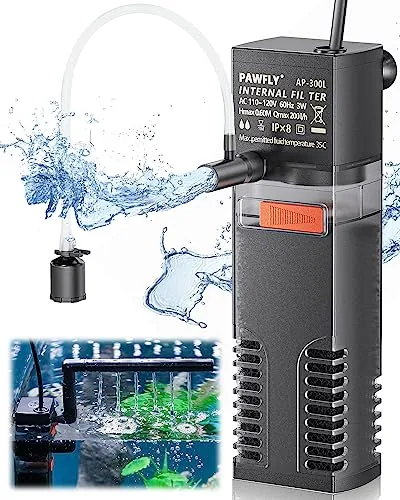
7 Best Water Filters For Aquariums (2026 Review Guide)
Aug 4, 2026