As low as $12
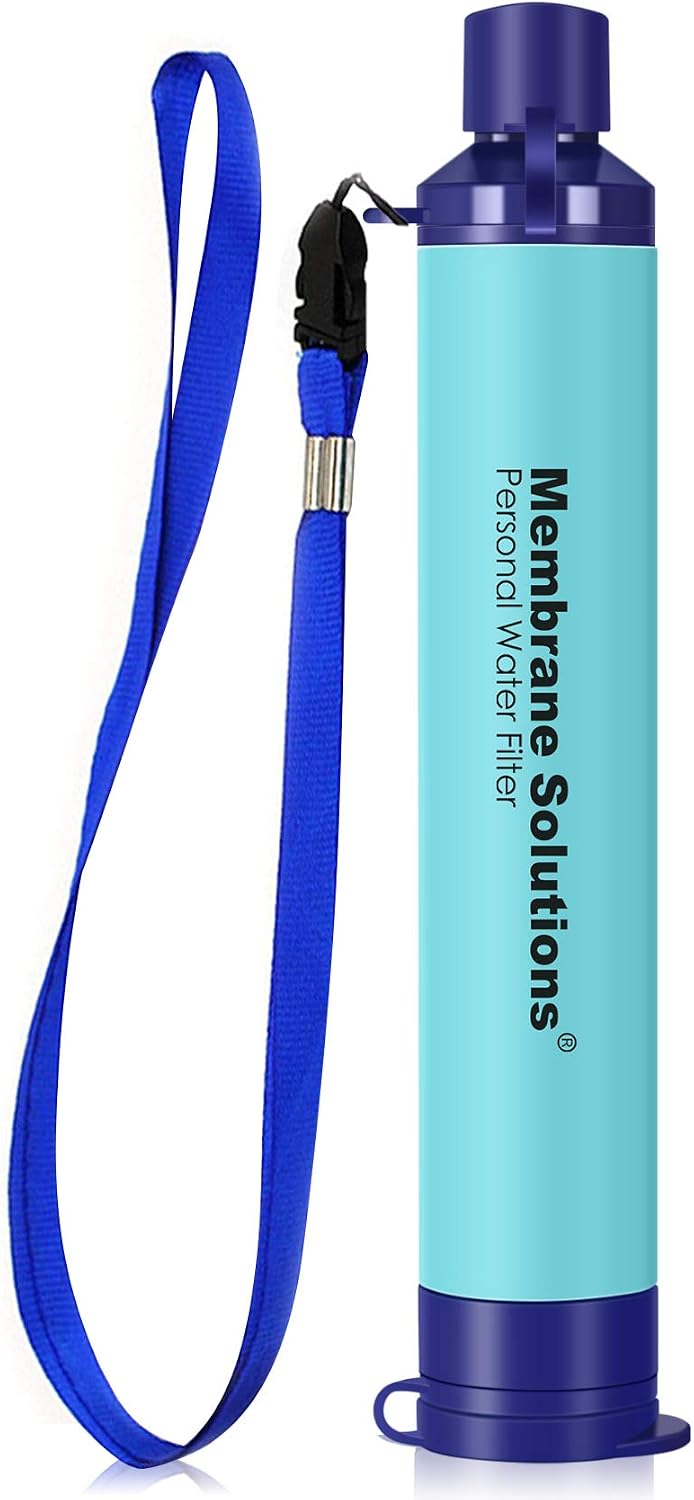
Built for travel, hiking & emergencies - drink safely whether the water is unsafe or just tastes off.
- NSF/ANSI 42, 372 & 401 certified, 0.1 micron filtration
- Filters up to 1,320 gallons - no batteries or pumping
- Ultralight - fits in any bag or pocket
- BPA-free, compatible with standard 28mm bottle threads
Tap water in Qatar is produced through advanced desalination processes and is technically treated to international standards. However, most travelers and residents prefer bottled water due to concerns about aging pipe infrastructure and storage tank contamination in some buildings. For short-term visitors, using bottled or filtered water for drinking is the recommended approach.
Quick Reference
| Concern | Our Advice | |
|---|---|---|
| Drink tap water? | ❌ | Use bottled or filtered water |
| Brush teeth? | ✅ | Yes, no concerns |
| Wash fruits / veg? | ✅ | Yes, safe to use tap water |
| Use ice in drinks? | ✅ | Yes, safe in restaurants |
| Shower safely? | ✅ | Yes |
| Filter bottle needed? | ❌ | Strongly recommend a Membrane Solutions Filter Straw for all travelers |
| Common risks | Pipe corrosion byproducts, Storage tank contamination, Elevated TDS levels, Residual chlorine taste, Potential heavy metal leaching from old plumbing |

Key Statistics


Affiliate links — we earn a small commission at no extra cost to you.
Water Infrastructure & Supply
Qatar's water supply is almost entirely produced through seawater desalination, as the country has virtually no freshwater surface sources and limited groundwater reserves. The Qatar General Electricity & Water Corporation (Kahramaa) manages the transmission and distribution of potable water across the nation. Major desalination plants at Ras Abu Fontas, Umm Al Houl, and Ras Laffan use a combination of multi-stage flash (MSF) distillation and reverse osmosis (RO) technologies to produce over 2 million cubic meters of fresh water daily.
The desalinated water undergoes rigorous treatment including remineralization, pH adjustment, and chlorination before distribution. Kahramaa maintains an extensive network of transmission pipelines and mega reservoirs to ensure consistent supply. However, the quality of water can degrade between the treatment plant and the consumer's tap due to aging building plumbing, rooftop storage tanks that may not be properly maintained, and long residence times in distribution networks during periods of lower demand.
Qatar has invested heavily in water security infrastructure, particularly ahead of the 2022 FIFA World Cup. The country completed the largest strategic water storage project in the world, with mega reservoirs capable of storing seven days' worth of national water demand. Ongoing projects focus on expanding reverse osmosis capacity, which is more energy-efficient than thermal desalination, and Qatar's National Vision 2030 includes targets for reducing per capita water consumption and increasing the use of treated sewage effluent for non-potable purposes.
Contamination & Health Risks
The desalinated water produced at Qatar's treatment plants meets World Health Organization guidelines for drinking water quality. Independent studies have shown that water at the point of production is safe and free from harmful levels of contaminants. However, research published in environmental science journals has found that water quality can deteriorate within building distribution systems, with elevated levels of copper, lead, and iron detected in some older buildings with poorly maintained storage tanks and corroded internal plumbing.
For travelers, the primary risk is not the municipal water supply itself but rather the last-mile delivery within hotels, apartments, and restaurants. Rooftop storage tanks in some buildings, especially older ones, may accumulate sediment and biofilm if not regularly cleaned and inspected. The high ambient temperatures in Qatar, frequently exceeding 45C in summer, can also accelerate bacterial growth in improperly insulated storage tanks and promote the leaching of chemicals from plastic pipes.
In major hotels and newer developments in areas like The Pearl, Lusail, and West Bay, water infrastructure is modern and well-maintained, reducing these risks significantly. Most restaurants and hotels in tourist areas use filtered or bottled water for drinking and cooking. Travelers with sensitive stomachs or compromised immune systems should stick to bottled or filtered water for drinking, though using tap water for brushing teeth and showering is generally considered safe across the country.
Regional Water Quality Breakdown
Doha , West Bay & Downtown
cautionDoha's central districts benefit from modern infrastructure, and many high-end hotels use additional filtration systems. However, some older buildings in downtown Doha may have aging storage tanks. Drinking bottled or filtered water is recommended, though tap water is fine for other uses.
Lusail City
safeAs Qatar's newest planned city, Lusail features state-of-the-art water distribution infrastructure built for the 2022 World Cup. Water quality at the tap tends to be higher here than in older parts of the country. Filtered tap water is generally acceptable for drinking.
The Pearl-Qatar
safeThis artificial island development has entirely modern plumbing and water systems. Hotels and residential buildings here typically have well-maintained infrastructure. Tap water quality is among the best in the country, though most residents still prefer filtered or bottled water.
Al Wakrah & Al Khor
cautionThese secondary cities south and north of Doha have reliable municipal water supply but include a mix of older and newer buildings. Water quality can vary depending on the age and maintenance of individual building systems. Bottled water for drinking is advisable.
Industrial Area & Labor Camps
avoidThe Industrial Area south of Doha and some worker accommodations may have substandard plumbing and poorly maintained water storage. Water quality complaints are more common here. Travelers passing through should rely exclusively on sealed bottled water.
Desert & Northern Qatar (Dukhan, Ras Laffan)
cautionRemote areas and company towns like Dukhan and Ras Laffan have water supplied by major industrial facilities. While generally treated to standard, the long pipeline distances and limited infrastructure in desert areas can affect quality. Carry bottled water when traveling outside urban centers.
Practical Tips for Travelers
- Carry a filter straw (e.g., Membrane Solutions) — it removes bacteria, parasites, and microplastics from any tap or stream. Strongly recommend the Membrane Solutions Filter Straw.
- Always carry bottled water when exploring Qatar, especially during summer months when temperatures can exceed 50C, dehydration is a serious and common risk for tourists.
- In Arabic, you can ask for water by saying 'Mumkin mai, min fadlak?' ( ) meaning 'Can I have water, please?' At restaurants, specify 'mai ma'dani' ( ) for mineral/bottled water.
- Check if your hotel uses an in-building water filtration system, many 4- and 5-star hotels in Doha provide filtered tap water that is safe to drink directly.
- Bring a reusable water bottle with a carbon or UV filter (such as LifeStraw or Grayl) to reduce plastic waste and ensure safe drinking water from any tap source.
- Avoid drinking water from public bathroom taps or older buildings, as these are more likely to have degraded plumbing or unmaintained rooftop storage tanks.
- Ice in restaurants, hotels, and major food chains in Qatar is typically made from purified or filtered water and is safe to consume.
- If you're on a desert safari or visiting the Inland Sea (Khor Al Adaid), bring at least 3 liters of bottled water per person, there are no water sources available in remote desert areas.
- During Ramadan, be aware that drinking water in public during daylight hours is prohibited and can result in a fine. Carry water discreetly and hydrate in private or designated areas.
Bottled Water Availability & Cost
Bottled water is extremely affordable and ubiquitous in Qatar. A 500ml bottle typically costs between 1-2 QAR (approximately $0.27-$0.55 USD), and a 1.5-liter bottle ranges from 2-4 QAR ($0.55-$1.10 USD). Popular local and regional brands include Rayyan, Doha Water, Masafi, and Al Ain, all of which are widely available at supermarkets, convenience stores (bakalas), gas stations, and vending machines. International brands like Evian and Fiji are also available at higher prices.
For longer stays, purchasing water in bulk from hypermarkets like Lulu, Carrefour, or Al Meera is the most economical approach, a pack of six 1.5-liter bottles can cost as little as 8-12 QAR ($2.20-$3.30 USD). Many residents subscribe to 5-gallon water delivery services from brands like Nestl Pure Life or Oasis for their homes. Travelers concerned about plastic waste should consider bringing a reusable bottle with a built-in filter, as Qatar's extreme heat makes constant hydration essential, and single-use plastic consumption is a growing environmental concern in the region.
Frequently Asked Questions
Can I brush my teeth with tap water in Qatar?
Yes, brushing your teeth with tap water in Qatar is generally safe. The municipal water supply is treated and disinfected. While drinking tap water regularly is not recommended due to potential building plumbing issues, the brief exposure from brushing teeth poses no significant health risk.
Is it safe to shower in Qatar tap water?
Yes, showering in Qatar's tap water is perfectly safe. The water is desalinated and chlorinated. Some people with sensitive skin may notice dryness due to the mineral content and chlorination, but there is no health risk from bathing or showering.
Is ice safe in Qatar restaurants and hotels?
Yes, ice in restaurants, hotels, and cafes across Qatar is safe. Establishments typically use commercially produced ice made from purified water. Qatar has strict food safety regulations enforced by the Ministry of Public Health, and major venues comply with these standards.
Why don't locals drink tap water if it's treated?
While Qatar's desalinated water meets WHO standards at the treatment plant, many residents are concerned about water quality degradation in building pipes and storage tanks. The taste of heavily treated desalinated water also differs from natural spring water. Cultural preference for bottled water is strong throughout the Gulf region.
How much does bottled water cost in Qatar?
Bottled water is very affordable in Qatar. A 500ml bottle costs 1-2 QAR ($0.27-$0.55 USD) at convenience stores, while a 1.5-liter bottle costs 2-4 QAR ($0.55-$1.10 USD). Bulk packs at supermarkets offer even better value. Water at restaurants typically costs 5-15 QAR depending on the brand and venue.
Can I drink tap water at Hamad International Airport?
While the water fountains and taps at Hamad International Airport are connected to the modern municipal supply, most travelers prefer to use the many water fountains with built-in filtration or purchase bottled water from the numerous shops and restaurants available throughout the terminal.
Is Qatar's desalinated water missing essential minerals?
Qatar's desalination plants add minerals back to the water through a remineralization process after desalination. The water contains calcium, magnesium, and other minerals, though in lower concentrations than natural spring water. This is not a health concern for travelers, as most minerals are obtained through food.
Do I need to worry about water quality at Qatar's beach resorts and luxury hotels?
Major luxury hotels and resorts in Qatar, particularly in West Bay, The Pearl, and Lusail, typically have excellent water infrastructure with additional in-house filtration systems. Many provide complimentary bottled water in rooms. You can generally trust the water quality for all non-drinking purposes, and some hotels' filtered water is safe to drink directly.
Interesting Product Reviews
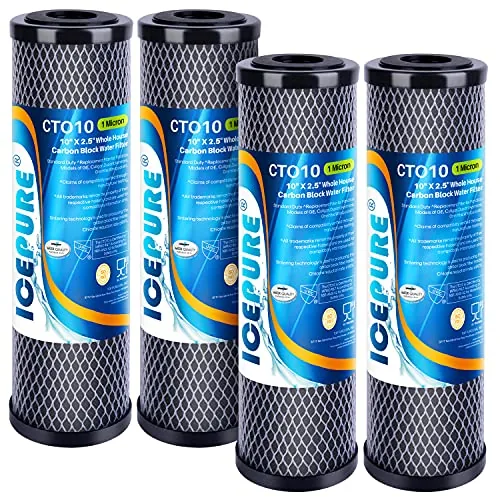
6 Best Whole House Water Filters (2026 Review Guide)
Jul 17, 2026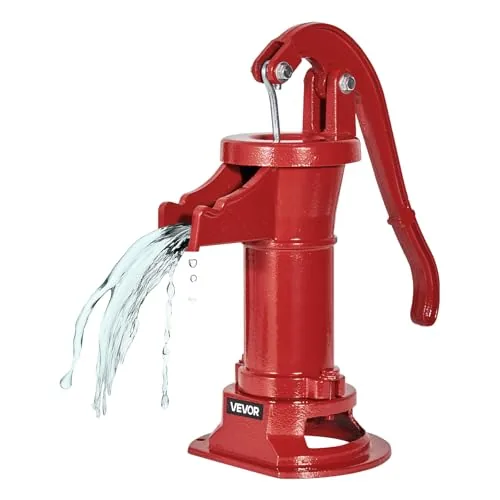
7 Best Manual Well Pumps (2026 Review Guide)
Aug 23, 2026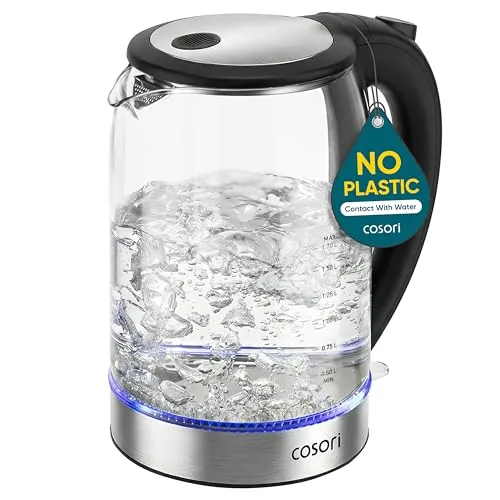
6 Best Kettles (2026 Review Guide)
Aug 11, 2026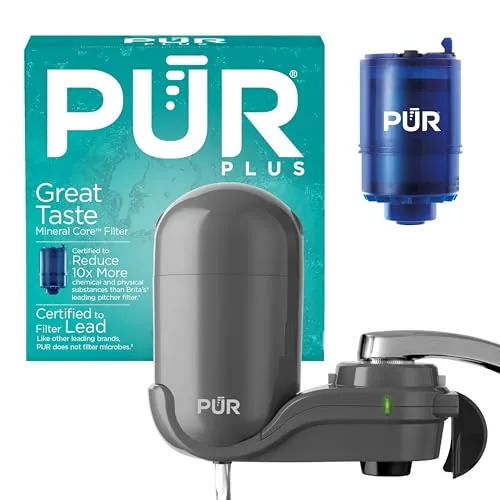
6 Best Faucet Water Filters (2026 Review Guide)
Jul 5, 2026
9 Best Water Filters For Fluoride Removal (2026 Review Guide)
Jul 30, 2026