As low as $12
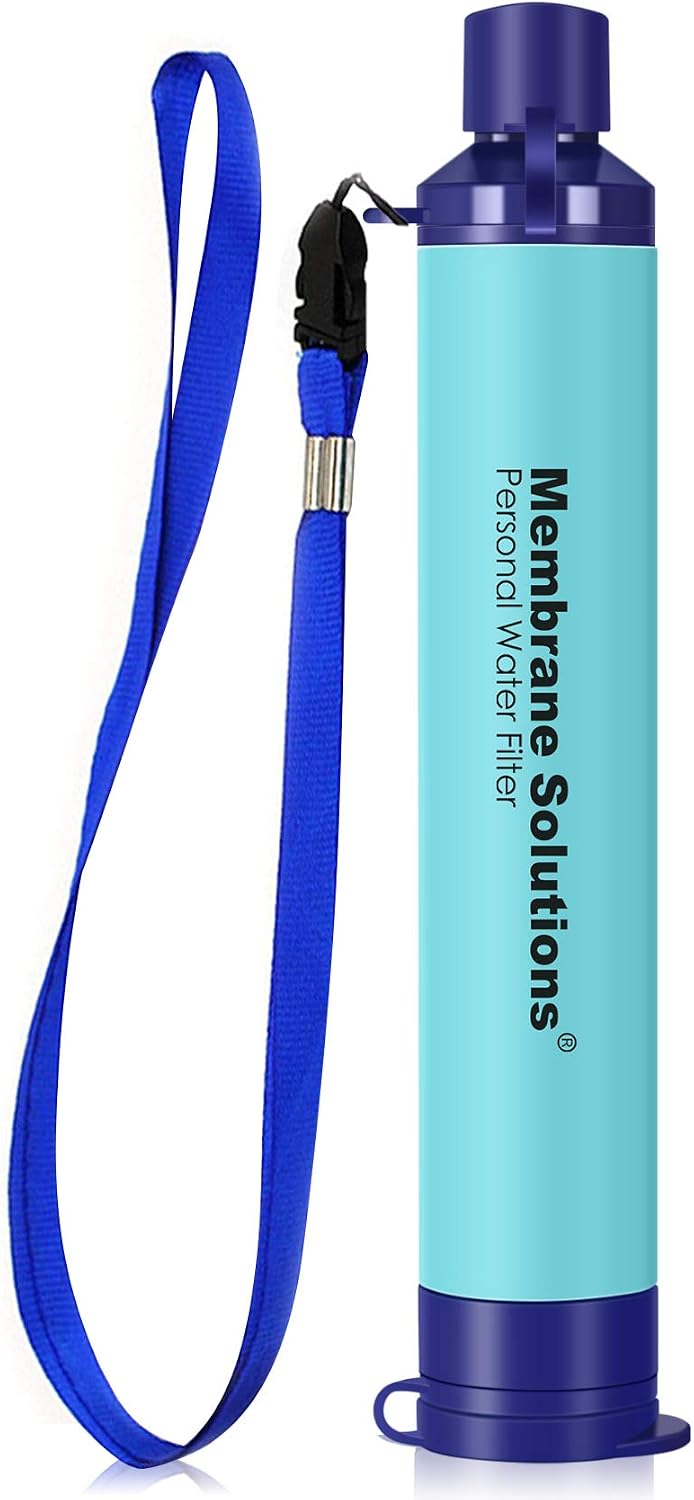
Built for travel, hiking & emergencies - drink safely whether the water is unsafe or just tastes off.
- NSF/ANSI 42, 372 & 401 certified, 0.1 micron filtration
- Filters up to 1,320 gallons - no batteries or pumping
- Ultralight - fits in any bag or pocket
- BPA-free, compatible with standard 28mm bottle threads
Tap water in Guinea is generally not safe for travelers to drink. Despite improvements in urban water infrastructure, inconsistent treatment, aging pipes, and frequent contamination mean that visitors should rely on bottled or properly treated water throughout the country. Only about 55% of the population has access to at least basic drinking water services, with rural areas significantly underserved.
Quick Reference
| Concern | Our Advice | |
|---|---|---|
| Drink tap water? | ❌ | Use bottled or filtered water |
| Brush teeth? | ❌ | Use bottled or filtered water |
| Wash fruits / veg? | ❌ | Wash with filtered or bottled water |
| Use ice in drinks? | ❌ | Avoid unless confirmed purified |
| Shower safely? | ✅ | Yes |
| Filter bottle needed? | ❌ | Strongly recommend a Membrane Solutions Filter Straw for all travelers |
| Common risks | Bacterial contamination, Waterborne parasites, E. coli, Cholera, Heavy metals, Sediment and turbidity, Inadequate chlorination |

Key Statistics


Affiliate links — we earn a small commission at no extra cost to you.
Water Infrastructure & Supply
Guinea's water infrastructure has developed slowly since independence in 1958. The Socit des Eaux de Guine (SEG), the national water utility, manages urban water supply systems, while rural areas rely largely on boreholes, hand-dug wells, and spring captures. Conakry, the capital, has chronically struggled with water shortages and intermittent supply despite housing over 2 million residents.
The main treatment plants in Conakry, including facilities at Yessoulou and Grandes Chutes, draw water from rivers and reservoirs but often operate below capacity due to aging equipment, power outages, and chemical supply shortages. Pipe networks in urban areas are deteriorating, with high rates of non-revenue water losses estimated at over 40%, leading to contamination through leaks and cross-connections with sewage. Most Guineans who have piped water receive it only intermittently, sometimes for just a few hours per day.
Several international development projects are underway to improve Guinea's water situation. The World Bank has funded the Guinea Urban Water Supply Project, aiming to expand and rehabilitate water supply systems in Conakry and secondary cities. The African Development Bank and other partners have also invested in rural water supply programs, drilling boreholes and building small water systems in underserved communities across the country.
Contamination & Health Risks
The primary health risks from water in Guinea include bacterial pathogens such as E. coli, Vibrio cholerae, and Salmonella, as well as parasitic organisms like Giardia and Cryptosporidium. Guinea has experienced repeated cholera outbreaks, particularly during the rainy season from June to October, when floodwaters contaminate water sources. In 2024, the country reported over 600 suspected cholera cases concentrated in Conakry and coastal regions.
Contamination sources are numerous: open defecation remains common in rural areas, industrial and artisanal mining activities (particularly gold mining) introduce heavy metals like mercury and arsenic into waterways, and urban sewage systems are rudimentary or nonexistent. The Niger, Gambia, and Senegal rivers all originate in Guinea's Fouta Djallon highlands, but downstream urban and mining pollution degrades water quality significantly in populated areas.
For travelers, the risks are substantial. Drinking untreated tap water, consuming ice made from tap water, or eating raw fruits and vegetables washed in local water can lead to traveler's diarrhea, giardiasis, or more serious illness. Even in upscale hotels in Conakry, travelers should verify that water has been properly filtered or boiled. The CDC classifies Guinea as a destination where travelers should drink only bottled, boiled, or treated water.
Regional Water Quality Breakdown
Conakry
avoidThe capital city has intermittent piped water supply, with frequent contamination due to broken infrastructure and sewage infiltration. Even treated water may become contaminated in the distribution network. Travelers should use only bottled or purified water.
Kindia
avoidKindia, a secondary city in the Kindia Region, has limited water treatment capacity. The nearby Kilissi falls area attracts tourists, but local water supply is unreliable and not safe for direct consumption. Bottled water is available in town.
Lab (Fouta Djallon)
cautionLab and the Fouta Djallon highlands have some of Guinea's cleanest natural water sources, fed by mountain springs. However, water infrastructure is basic and piped water should still not be consumed without treatment. Spring water in remote areas may be relatively cleaner but should be filtered.
Kankan
avoidKankan, Guinea's second-largest city in Upper Guinea, has poor water infrastructure and draws from the Milo River, which is subject to agricultural runoff and artisanal mining pollution. Waterborne illness rates are high, and travelers should strictly avoid tap water.
Nzrkor
avoidThe largest city in Forest Guinea has extremely limited treated water supply. Residents rely heavily on wells and streams that are vulnerable to contamination. The region also experienced the 2014 Ebola outbreak, highlighting broader public health infrastructure challenges.
les de Loos (Loos Islands)
avoidThese popular islands off the coast of Conakry have no centralized water system. Fresh water is scarce and often brought from the mainland. Travelers visiting the islands should bring sufficient bottled water for their stay.
Practical Tips for Travelers
- Always drink bottled or purified water , never drink tap water in Guinea, even in Conakry's best hotels, unless you can confirm it has been properly filtered or boiled.
- Carry a reliable filter bottle such as a LifeStraw or Grayl when traveling outside major cities, as bottled water may not always be available in rural Guinea. Strongly recommend the Membrane Solutions Filter Straw.
- When ordering water in French (Guinea's official language), ask for 'de l'eau en bouteille, s'il vous plat' (bottled water, please) or 'de l'eau minrale' (mineral water).
- Avoid ice in drinks at restaurants and street vendors, as it is almost always made from untreated tap water. Ask 'sans glaons, s'il vous plat' (without ice, please).
- Peel all fruits and vegetables yourself rather than eating pre-cut produce, as it may have been washed with contaminated water.
- During the rainy season (June, October), be extra cautious as flooding dramatically increases contamination of all water sources and cholera outbreaks become more common.
- Pack oral rehydration salts (ORS) in your travel kit , if you do develop diarrhea, rapid rehydration is critical in Guinea's hot climate.
- Check that bottled water seals are intact before purchasing, as refilled bottles are occasionally sold by dishonest vendors in markets.
Bottled Water Availability & Cost
Bottled water is widely available throughout Guinea, especially in Conakry and other major cities. Common brands include Coyah, Mamou Source, and imported brands like Kirene from Senegal. A 1.5-liter bottle typically costs between 5,000 and 10,000 Guinean francs (approximately $0.60, $1.20 USD) in shops and markets, while prices in hotels and restaurants may be 15,000, 25,000 GNF ($1.80, $3.00 USD). Small 0.5-liter bottles are available for around 2,000, 5,000 GNF ($0.25, $0.60 USD).
Buying water in bulk from supermarkets or wholesale shops in Conakry is more economical for longer stays. Sachet water (small plastic bags of purified water, locally called "sachets") is extremely popular and costs as little as 500, 1,000 GNF ($0.06, $0.12 USD), though the quality and safety of sachet water varies considerably. Travelers are advised to choose sealed, branded bottles from reputable manufacturers and to avoid sachets from unknown producers. Carrying a portable water filter or purification tablets provides an important backup and reduces plastic waste in a country where waste management infrastructure is limited.
Frequently Asked Questions
Can I brush my teeth with tap water in Guinea?
No, it is not recommended to brush your teeth with tap water in Guinea. The water may contain bacteria and parasites that can cause illness even in small amounts. Use bottled or purified water for brushing your teeth.
Is it safe to shower in tap water in Guinea?
Showering in tap water is generally safe as long as you keep your mouth closed and avoid swallowing any water. The main risk comes from ingestion rather than skin contact. If you have open wounds, consider using purified water to clean them.
Can I drink ice in my drinks at restaurants in Guinea?
No, you should avoid ice in drinks throughout Guinea. Ice is typically made from untreated tap water, even in restaurants that serve bottled water. Politely request your drinks without ice ('sans glaons').
Is bottled water safe and easy to find in Guinea?
Bottled water is widely available in Conakry and other cities at shops, supermarkets, and street vendors. Always check that the seal is intact. In rural and remote areas, availability may be limited, so stock up before traveling outside major towns.
How much does bottled water cost in Guinea?
A 1.5-liter bottle typically costs 5,000, 10,000 Guinean francs (about $0.60, $1.20 USD) in shops. Restaurant prices are higher, around 15,000, 25,000 GNF ($1.80, $3.00 USD). Water sachets are cheaper but quality is inconsistent.
Are water sachets safe to drink in Guinea?
Water sachets are extremely popular among locals, but quality varies greatly. Some are produced by reputable companies with proper purification, while others come from unregulated sources. Travelers are generally advised to stick with sealed bottled water from known brands to minimize risk.
Is there a cholera risk from water in Guinea?
Yes, Guinea experiences periodic cholera outbreaks, particularly during the rainy season (June, October) when flooding contaminates water sources. The risk is highest in Conakry and coastal areas. Travelers should be especially vigilant about water safety during this period and consider getting a cholera vaccine before travel.
Can I eat salads and raw vegetables in Guinea?
It's best to avoid raw salads and unpeeled fruits or vegetables unless you're confident they were washed with purified water. In upscale restaurants catering to international guests, this may be safer, but in local eateries and street food stalls, stick to cooked foods and fruits you can peel yourself.
Traveling Nearby?
Check tap water safety in neighboring countries:
Ivory Coast Mali Senegal Sierra LeoneInteresting Product Reviews
7 Best Anti-Scale Devices (2026 Review Guide)
Aug 15, 2026
9 Best Tankless Reverse Osmosis Systems (2026 Review Guide)
Jun 30, 2026
8 Best Insulated Water Bottles (2026 Review Guide)
Aug 6, 2026
6 Best Water Bottles For Kids (2026 Review Guide)
Aug 7, 2026
7 Best Manual Well Pumps (2026 Review Guide)
Aug 23, 2026