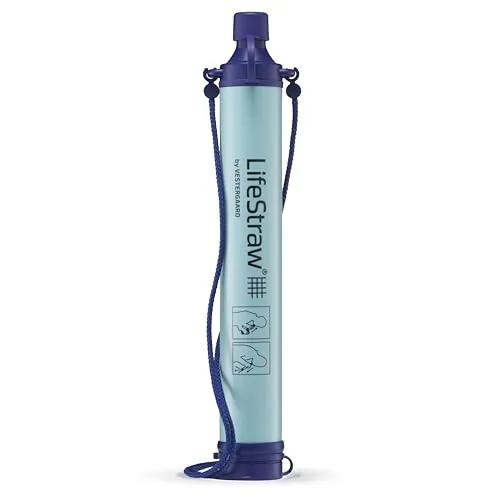
As low as $12
Built for travel, hiking & emergencies - drink safely whether the water is unsafe or just tastes off.
- NSF/ANSI 42, 372 & 401 certified, 0.1 micron filtration
- Filters up to 1,320 gallons - no batteries or pumping
- Ultralight - fits in any bag or pocket
- BPA-free, compatible with standard 28mm bottle threads
Tap water in Algeria is generally not recommended for travelers to drink directly, despite improvements in urban water infrastructure. While major cities like Algiers have treated municipal water, inconsistent quality, aging pipes, and regional disparities make bottled water the safer choice for visitors. Locals may be accustomed to the water, but travelers risk gastrointestinal illness from unfamiliar bacteria and mineral content.
Quick Reference
| Concern | Our Advice | |
|---|---|---|
| Drink tap water? | ❌ | Use bottled or filtered water |
| Brush teeth? | ✅ | Yes, no concerns |
| Wash fruits / veg? | ❌ | Wash with filtered or bottled water |
| Use ice in drinks? | ❌ | Avoid unless confirmed purified |
| Shower safely? | ✅ | Yes |
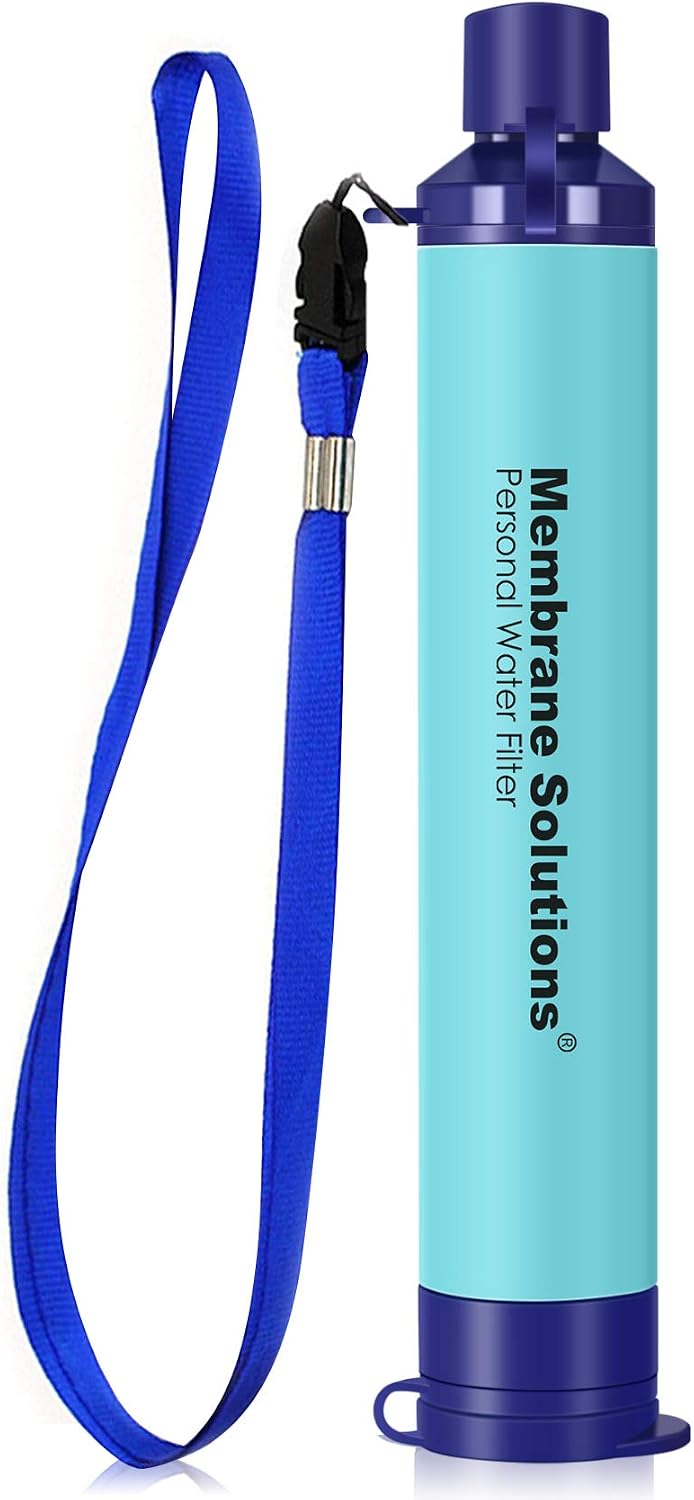
| Filter bottle needed? | ❌ | Strongly recommend a Membrane Solutions Filter Straw for all travelers |
| Common risks | Bacterial contamination, Aging pipe infrastructure, High mineral content, Chlorination byproducts, Waterborne parasites, Agricultural runoff |

Key Statistics


Affiliate links — we earn a small commission at no extra cost to you.
Water Infrastructure & Supply
Algeria has invested significantly in water infrastructure since the early 2000s, responding to severe water stress driven by its arid and semi-arid climate. The country is one of Africa's largest producers of desalinated water, with multiple reverse osmosis plants along the Mediterranean coast, including the massive Magtaa plant near Oran. Major dams, inter-basin transfer systems like the Beni Haroun complex, and deep groundwater wells supplement surface water supplies.
The Algrienne des Eaux (ADE), the national water utility, manages urban water distribution serving most of the population. Treatment plants use conventional processes including coagulation, sedimentation, filtration, and chlorination. However, the distribution network suffers from significant aging, with many pipes dating to the colonial era, leading to water losses estimated at around 40% and contamination risks from leaks and cross-connections.
The government's ongoing investment program includes upgrading treatment plants, replacing aging pipes, building new desalination facilities, and expanding wastewater treatment. The Algerian Water Plan aims to reach universal access and improve service reliability, particularly in southern and rural areas where intermittent supply remains common. Several new desalination plants are under construction or planned to reduce dependence on rainfall-sensitive surface water.
Contamination & Health Risks
The primary health risks from Algerian tap water for travelers include gastrointestinal infections caused by bacteria such as E. coli and coliforms, which can enter the supply through deteriorating pipes and low-pressure events. Intermittent water supply, common in many cities, allows contaminants to infiltrate the network during periods when pressure drops. Some southern regions drawing from deep aquifer sources may have elevated mineral content, including fluoride and dissolved salts.
Agricultural runoff and inadequate wastewater treatment in certain areas contribute to the pollution of surface water sources, particularly in the northern plains and around industrial zones. Nitrate contamination has been documented in some groundwater sources, particularly in the Mitidja plain near Algiers. Heavy metals from older infrastructure and occasional industrial discharge can also be a concern in specific locations.
For travelers, the most practical risk is travelers' diarrhea from consuming untreated tap water, unwashed produce, or ice made with tap water. While showering and brushing teeth with tap water is generally safe for short-term visitors, drinking water should come from sealed bottles or be purified through a reliable filter. Those visiting rural or southern areas should exercise extra caution, as treatment standards and infrastructure quality vary widely.
Regional Water Quality Breakdown
Algiers
cautionThe capital has relatively modern water treatment facilities and benefits from desalination plants. However, aging distribution pipes and intermittent supply in some neighborhoods mean tap water quality can be inconsistent. Travelers should stick to bottled or filtered water.
Oran
cautionOran benefits from the Magtaa desalination plant, one of Africa's largest. Water quality at the treatment plant is generally good, but old distribution infrastructure can compromise quality by the time it reaches taps. Bottled water is recommended for drinking.
Constantine
cautionConstantine receives water from the Beni Haroun dam system, and supply reliability has improved in recent years. However, the city's hilly terrain and aging network lead to pressure variations and potential contamination risks. Travelers should use bottled water.
Tlemcen
cautionThis historic city in western Algeria has improved its water supply through dam construction, but intermittent delivery schedules persist in some quarters. Water is chlorinated but pipe quality varies across the city. Filtered or bottled water is advisable.
Ghardaia (M'zab Valley)
avoidIn the northern Sahara, Ghardaia relies heavily on groundwater with high mineral content, including elevated salinity and occasionally high fluoride levels. Water supply is often intermittent, and treatment infrastructure is less developed than in coastal cities. Travelers should strictly use bottled water.
Tamanrasset (Deep South)
avoidThis remote Saharan city depends on water transferred from the In Salah aquifer system over hundreds of kilometers. Water can have high dissolved solids and supply interruptions are common. Travelers to the Hoggar region should carry ample bottled water and not rely on tap sources.
Practical Tips for Travelers
- Always drink sealed bottled water or use a reliable filter bottle , local brands like Ifri and Lalla Khedidja are widely available and affordable. Strongly recommend the Membrane Solutions Filter Straw.
- To ask for bottled water in Algerian Arabic, say 'Ma' ma'adniya' ( ) or in French 'De l'eau minrale, s'il vous plat.'
- Avoid ice in drinks at street vendors and smaller restaurants, as it may be made from unfiltered tap water. In upscale hotels, ice is usually safe.
- Peel or wash fruits and vegetables with bottled or purified water before eating, especially produce bought from open-air markets.
- If you're traveling to the Saharan south (Ghardaia, Tamanrasset, Djanet), carry extra bottled water as supply and availability can be unreliable.
- Brushing teeth with tap water is generally safe for short visits, but use bottled water if you have a sensitive stomach or are staying in rural areas.
- Carry oral rehydration salts (ORS) in your travel kit , if you do get travelers' diarrhea, rehydration is the most important first response.
- Check that bottle caps have an intact seal before buying , in rare cases, bottles may be refilled and resold, particularly from informal vendors.
Bottled Water Availability & Cost
Bottled water is widely available throughout Algeria at convenience stores, supermarkets, gas stations, and restaurants. Popular local brands include Ifri, Sada, Lalla Khedidja, and Guedila. A 1.5-liter bottle typically costs 30-50 DZD (approximately $0.20-$0.35 USD), while a 0.5-liter bottle ranges from 20-35 DZD. In restaurants and tourist areas, prices may be slightly higher, around 50-100 DZD for a small bottle.
Buying in bulk from supermarkets like Ardis or Uno is the most economical option, with packs of six 1.5-liter bottles available for around 150-250 DZD. Travelers should always check that bottle seals are intact before purchasing. While bottled water is affordable and accessible, travelers planning longer stays may wish to invest in a quality filter bottle to reduce plastic waste, as Algeria faces significant challenges with plastic pollution and recycling infrastructure remains limited.
Frequently Asked Questions
Can I brush my teeth with tap water in Algeria?
Yes, brushing teeth with tap water is generally safe in urban areas for short-term visitors. The small amount of water involved poses minimal risk. However, if you're in a rural or remote southern area, or have a very sensitive stomach, using bottled water is a safer option.
Is it safe to shower in Algerian tap water?
Yes, showering with tap water is safe throughout Algeria. The risk of illness from skin contact with treated municipal water is negligible. Just avoid swallowing water while showering, and be aware that high mineral content in some areas may leave skin feeling dry.
Can I drink ice in my drinks in Algeria?
Exercise caution with ice, especially in smaller restaurants and street food stalls where ice may be made from unfiltered tap water. In upscale hotels and international restaurants, ice is typically made with purified or bottled water and is generally safe.
Is restaurant water safe to drink in Algeria?
Most restaurants serve bottled water rather than tap water, which is the standard practice. Always confirm that your water bottle is sealed when served. If a restaurant offers tap water or a carafe, it's best to politely request bottled water instead.
How much does bottled water cost in Algeria?
Bottled water is very affordable in Algeria. A 1.5-liter bottle costs approximately 30-50 DZD ($0.20-$0.35 USD) in shops, while a 0.5-liter bottle is around 20-35 DZD. Restaurant prices may be slightly higher. Buying multi-packs from supermarkets offers the best value.
Why is Algeria's tap water not safe for travelers?
While Algeria treats its municipal water supply, the main issues are aging distribution pipes that can introduce contamination, intermittent water supply that causes pressure drops and infiltration, and regional variations in treatment quality. Locals develop tolerance over time, but travelers' digestive systems may react to unfamiliar bacteria and mineral content.
Is desalinated water in coastal cities safer?
Water from Algeria's desalination plants is of high quality at the source, as reverse osmosis removes nearly all contaminants. However, it still travels through the same aging distribution network, so quality at the tap may not match quality at the plant. Bottled water remains the safest option for travelers.
Do I need a water filter bottle for traveling in Algeria?
A quality filter bottle (such as one with activated carbon or UV purification) is highly recommended, especially for travelers visiting multiple regions or staying for extended periods. It reduces reliance on single-use plastic bottles and provides an extra layer of safety when bottled water is not immediately available.
Interesting Product Reviews
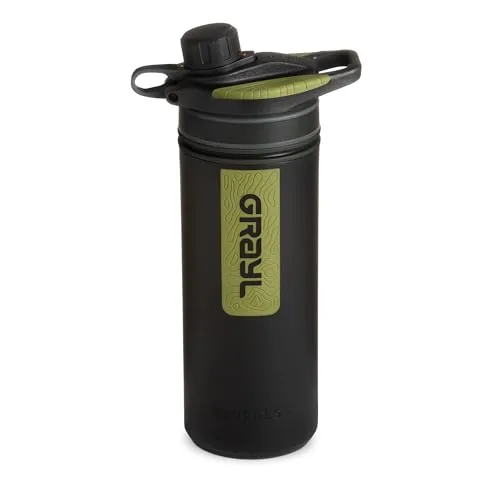
6 Best Water Purifier Bottles For Travel (2026 Review Guide)
Jul 9, 2026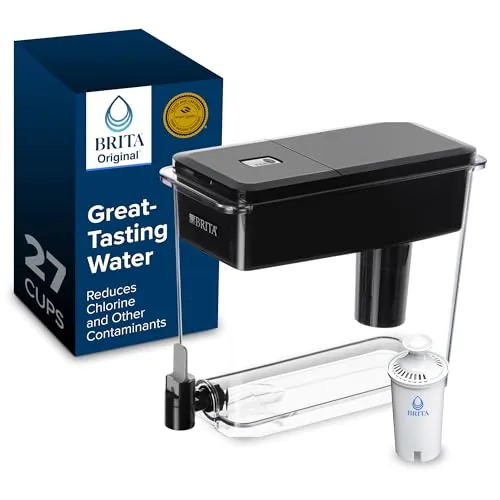
8 Best Water Filter Pitchers (2026 Review Guide)
Jul 18, 2026
9 Best Gooseneck Kettles (2026 Review Guide)
Aug 12, 2026
8 Best Water Flavor Drops (2026 Review Guide)
Aug 9, 2026
8 Best Salt-Free Water Conditioners (2026 Review Guide)
Aug 13, 2026