As low as $12
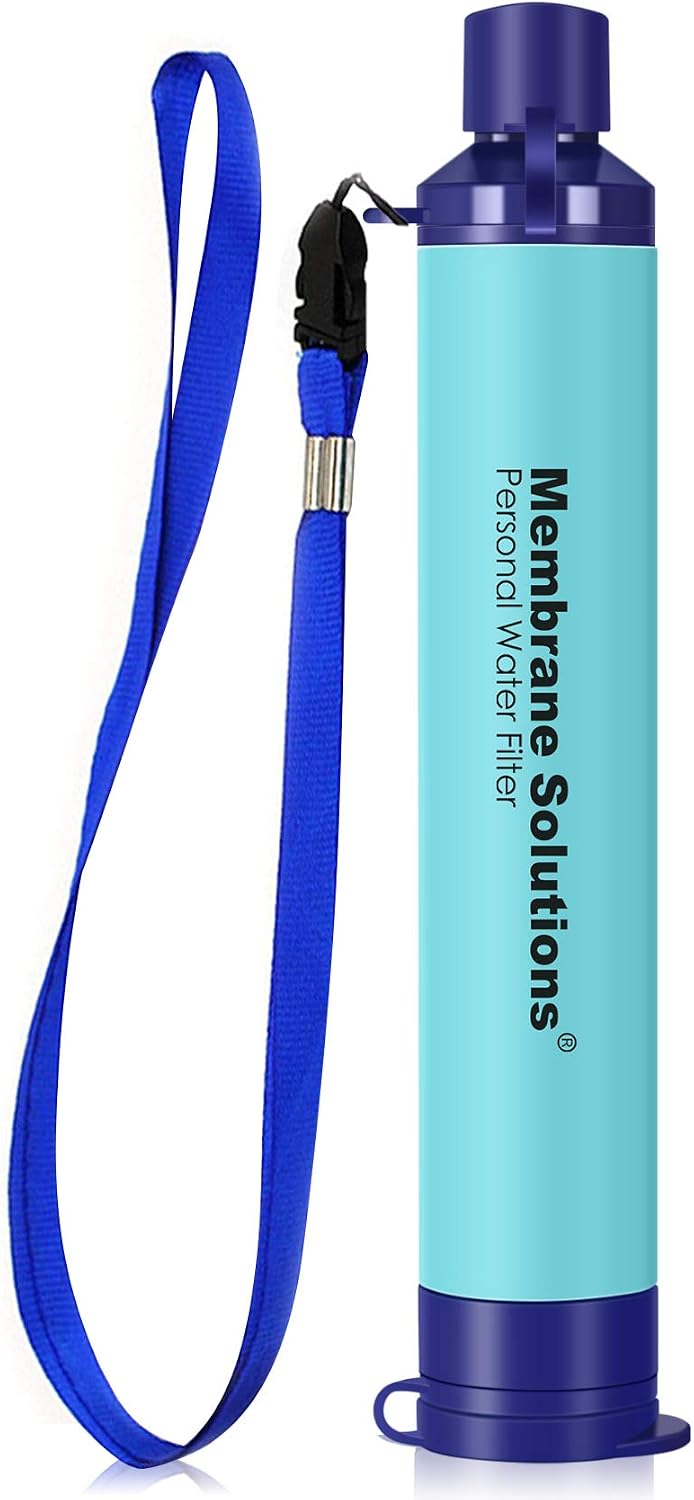
Built for travel, hiking & emergencies - drink safely whether the water is unsafe or just tastes off.
- NSF/ANSI 42, 372 & 401 certified, 0.1 micron filtration
- Filters up to 1,320 gallons - no batteries or pumping
- Ultralight - fits in any bag or pocket
- BPA-free, compatible with standard 28mm bottle threads
Tap water in Ecuador is generally not safe for travelers to drink without treatment. While major cities like Quito have improved their water infrastructure significantly, inconsistent treatment, aging pipes, and contamination risks mean that most visitors should stick to bottled or filtered water. Rural and coastal areas pose the highest risk of waterborne illness.
Quick Reference
| Concern | Our Advice | |
|---|---|---|
| Drink tap water? | ❌ | Use bottled or filtered water |
| Brush teeth? | ❌ | Use bottled or filtered water |
| Wash fruits / veg? | ❌ | Wash with filtered or bottled water |
| Use ice in drinks? | ❌ | Avoid unless confirmed purified |
| Shower safely? | ✅ | Yes |
| Filter bottle needed? | ❌ | Strongly recommend a Membrane Solutions Filter Straw for all travelers |
| Common risks | Bacterial contamination, Parasitic infections, E. coli, Heavy metals, Pesticide runoff, Chlorination byproducts, Sediment in pipes |

Key Statistics


Affiliate links — we earn a small commission at no extra cost to you.
Water Infrastructure & Supply
Ecuador's water supply system has undergone significant modernization in urban areas since the early 2000s. Quito's municipal water company EPMAPS (Empresa Pblica Metropolitana de Agua Potable y Saneamiento) sources water from Andean pramo watersheds and operates multiple treatment plants. The country's 2008 constitution enshrined access to safe water as a human right, spurring national investment through agencies like SENAGUA (Secretara del Agua).
The main treatment plants in Quito, Guayaquil, and Cuenca use conventional processes including coagulation, flocculation, sedimentation, filtration, and chlorine disinfection. However, the distribution network in many cities suffers from aging infrastructure, with pipes that are decades old and prone to leaks and contamination after treatment. In rural areas, community-managed water systems (juntas de agua) often lack proper treatment capacity and rely on untreated or minimally treated sources.
Major improvement projects are underway, including the Quito Water Fund (FONAG), which protects upstream watershed ecosystems. Guayaquil has invested heavily through Interagua in expanding coverage and reducing water losses. The government's Plan Nacional de Agua aims to achieve universal safe water access, with international development bank funding supporting upgrades to both treatment and distribution systems across the country.
Contamination & Health Risks
The primary health risks from Ecuadorian tap water include bacterial contamination (E. coli, Salmonella), parasites (Giardia, Cryptosporidium), and in some regions, elevated levels of heavy metals and agricultural chemicals. Studies by Ecuadorian universities have found coliform bacteria present in tap water samples across multiple provinces, even in areas where water leaves treatment plants within safe parameters. Contamination typically enters through compromised distribution networks.
Industrial pollution and agricultural runoff are significant concerns, particularly in the coastal lowlands and the Amazon region. Oil extraction activities in the Oriente region have historically contaminated water sources, while banana and flower plantations in the coast and highlands respectively contribute pesticide residues. Mercury from artisanal gold mining in southern provinces like Zamora-Chinchipe also poses localized risks.
For travelers, the most common waterborne illness is traveler's diarrhea, caused by bacteria and parasites their immune systems are not accustomed to. Even locals in some areas prefer to boil or filter their water. Visitors should avoid drinking tap water directly, be cautious with ice in smaller establishments, and wash fruits and vegetables with purified water. The risk is highest in rural communities, the Amazon region, and smaller coastal towns.
Regional Water Quality Breakdown
Quito
cautionQuito has the best water treatment infrastructure in Ecuador, with EPMAPS operating modern treatment plants fed by Andean water sources. Water leaving the plants generally meets WHO standards, but aging distribution pipes can introduce contamination. Some expats and locals drink the tap water, but travelers should still use caution.
Cuenca
cautionCuenca's water utility ETAPA is considered one of the best-managed in the country. The city sources water from protected pramo areas and its treatment is generally reliable. While many long-term residents drink tap water, short-term visitors should still use filtered or bottled water as a precaution.
Guayaquil
avoidDespite significant investment by the private concessionaire Interagua, Guayaquil's water quality remains inconsistent due to the aging distribution network and tropical climate that promotes bacterial growth. Many neighborhoods experience intermittent supply and low water pressure, which increases contamination risk. Travelers should avoid tap water entirely.
Galpagos Islands
avoidFresh water is extremely scarce on the Galpagos Islands, and most comes from desalination plants or rainwater collection systems. Water quality is inconsistent and not reliably safe for drinking. Most hotels provide bottled or filtered water, and travelers should never drink tap water here.
Amazon Region (Oriente)
avoidThe Amazon region faces contamination from oil extraction, mining, and limited water treatment infrastructure. Towns like Coca (Puerto Francisco de Orellana) and Tena have basic municipal systems that are unreliable. Travelers should drink only bottled or purified water and be cautious even when showering.
Coastal Towns (Esmeraldas, Manta, Montaita)
avoidCoastal communities generally have less reliable water infrastructure than highland cities. Seasonal flooding can overwhelm systems, and smaller beach towns like Montaita may have minimal treatment. Stick to bottled water and be especially cautious during the rainy season (December, May).
Practical Tips for Travelers
- Always ask for bottled water at restaurants by saying 'Agua embotellada, por favor' or 'Agua sin gas' (still) / 'Agua con gas' (sparkling) to ensure you get sealed bottled water.
- Carry a portable water filter bottle like a Grayl or LifeStraw when visiting rural areas, the Amazon, or the Galpagos , these remove bacteria, parasites, and heavy metals. Strongly recommend the Membrane Solutions Filter Straw.
- Ask for drinks 'sin hielo' (without ice) at smaller restaurants and street food stalls, as ice may be made from unfiltered tap water.
- Peel or wash fruits and vegetables with purified water before eating, especially at local markets , popular fruits like naranjilla and guanbana are safest when peeled.
- In Quito and Cuenca, if you must use tap water for brushing teeth, let the water run for 30 seconds first to flush the pipes, though bottled water is still safer.
- Buy large 6-liter or 20-liter jugs at supermarkets like Supermaxi or TIA for significant savings over individual bottles , a 20-liter botelln costs around $2.
- In the Galpagos, most lodges provide filtered water refill stations , bring a reusable bottle to reduce plastic waste on these ecologically sensitive islands.
- During the rainy season (December, May), be extra cautious with water quality as heavy rains can overwhelm treatment systems and cause contamination surges, especially on the coast.
Bottled Water Availability & Cost
Bottled water is widely available throughout Ecuador and is the standard choice for travelers. A 500ml bottle typically costs $0.50, $1.00 USD in convenience stores and $1.50, $3.00 in restaurants and tourist areas. Popular brands include Dasani, Tesalia, Guitig (which also produces sparkling mineral water), and All Natural. Large 6-liter bottles or gallon jugs can be purchased in supermarkets like Supermaxi or Mi Comisariato for $1.50, $3.00.
For longer stays, buying 20-liter refillable botellones (large jugs) from delivery services is the most economical option at around $1.50, $2.50 per jug, and many accommodations provide these. Travelers concerned about plastic waste should consider investing in a quality filter bottle such as a LifeStraw or Grayl, which can safely purify tap water. Ecuador's use of the US dollar as currency makes pricing straightforward for American travelers.
Frequently Asked Questions
Can I brush my teeth with tap water in Ecuador?
It's best to use bottled or filtered water for brushing teeth throughout most of Ecuador. In Quito and Cuenca, the risk from brief exposure while brushing is low, but sensitive travelers may still prefer purified water. In Guayaquil, the coast, the Amazon, and the Galpagos, always use bottled water.
Is it safe to shower in Ecuador's tap water?
Yes, showering in tap water is generally safe throughout Ecuador. The risk of illness from skin contact is minimal. Just be careful not to swallow any water, and keep your mouth closed in the shower. If you have open wounds or very sensitive skin, you may want to take extra precautions in areas with poor water quality.
Is the ice safe in Ecuador's restaurants?
In upscale restaurants and international hotels in major cities like Quito and Cuenca, ice is typically made from purified water and is safe. However, in smaller establishments, street food stalls, and rural areas, ice may be made from untreated tap water. When in doubt, ask 'sin hielo' (without ice).
Do restaurants in Ecuador serve safe drinking water?
Most restaurants serve bottled water rather than tap water, though you should always confirm it arrives sealed. Some upscale restaurants use in-house filtration systems. At budget eateries and market stalls, always request a sealed bottle. Agua de la llave (tap water) is rarely served in restaurants.
How much does bottled water cost in Ecuador?
A 500ml bottle costs $0.50, $1.00 at shops and $1.50, $3.00 at restaurants. Large 6-liter bottles cost $1.50, $3.00 at supermarkets, and 20-liter refillable botellones cost around $1.50, $2.50. Ecuador uses the US dollar, so pricing is straightforward for American visitors.
Can I drink the tap water in Quito?
Quito has the best water treatment in Ecuador, and water leaving treatment plants generally meets safety standards. However, old distribution pipes can introduce contaminants. Some long-term expats drink the tap water without issue, but travelers are advised to use filtered or bottled water, especially on short visits when your system hasn't adjusted.
Is tap water safe on the Galpagos Islands?
No, tap water on the Galpagos is not safe to drink. Fresh water is scarce and comes from desalination or rainwater collection. Quality is unreliable. Most hotels and lodges provide filtered or bottled water. Bring a reusable bottle to refill from filtered sources and help reduce plastic waste on these environmentally protected islands.
What waterborne illnesses should I worry about in Ecuador?
The most common risk is traveler's diarrhea caused by E. coli and other bacteria. Parasitic infections from Giardia and Cryptosporidium are also possible, especially in rural areas. Symptoms typically include stomach cramps, diarrhea, and nausea. Pack oral rehydration salts and consider bringing antidiarrheal medication. Seek medical attention if symptoms persist beyond 48 hours.
Interesting Product Reviews
9 Best Solar Showers For Camping (2026 Review Guide)
Aug 22, 2026
9 Best Moisture Meters (2026 Review Guide)
Aug 17, 2026
6 Best Water Filters For Apartments (2026 Review Guide)
Jul 5, 2026
9 Best Well Water Pumps (2026 Review Guide)
Aug 14, 2026
7 Best Water Quality Monitors (2026 Review Guide)
Aug 16, 2026