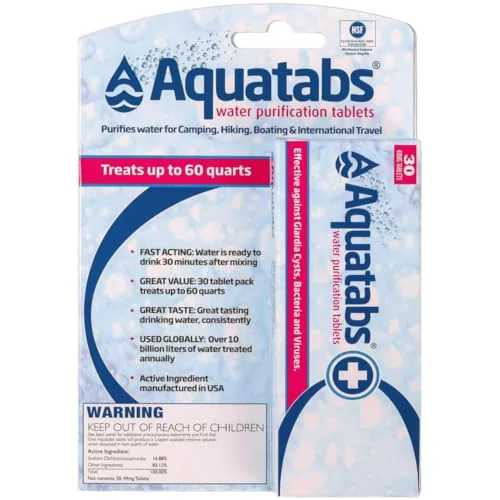
As low as $12
Built for travel, hiking & emergencies - drink safely whether the water is unsafe or just tastes off.
- NSF/ANSI 42, 372 & 401 certified, 0.1 micron filtration
- Filters up to 1,320 gallons - no batteries or pumping
- Ultralight - fits in any bag or pocket
- BPA-free, compatible with standard 28mm bottle threads
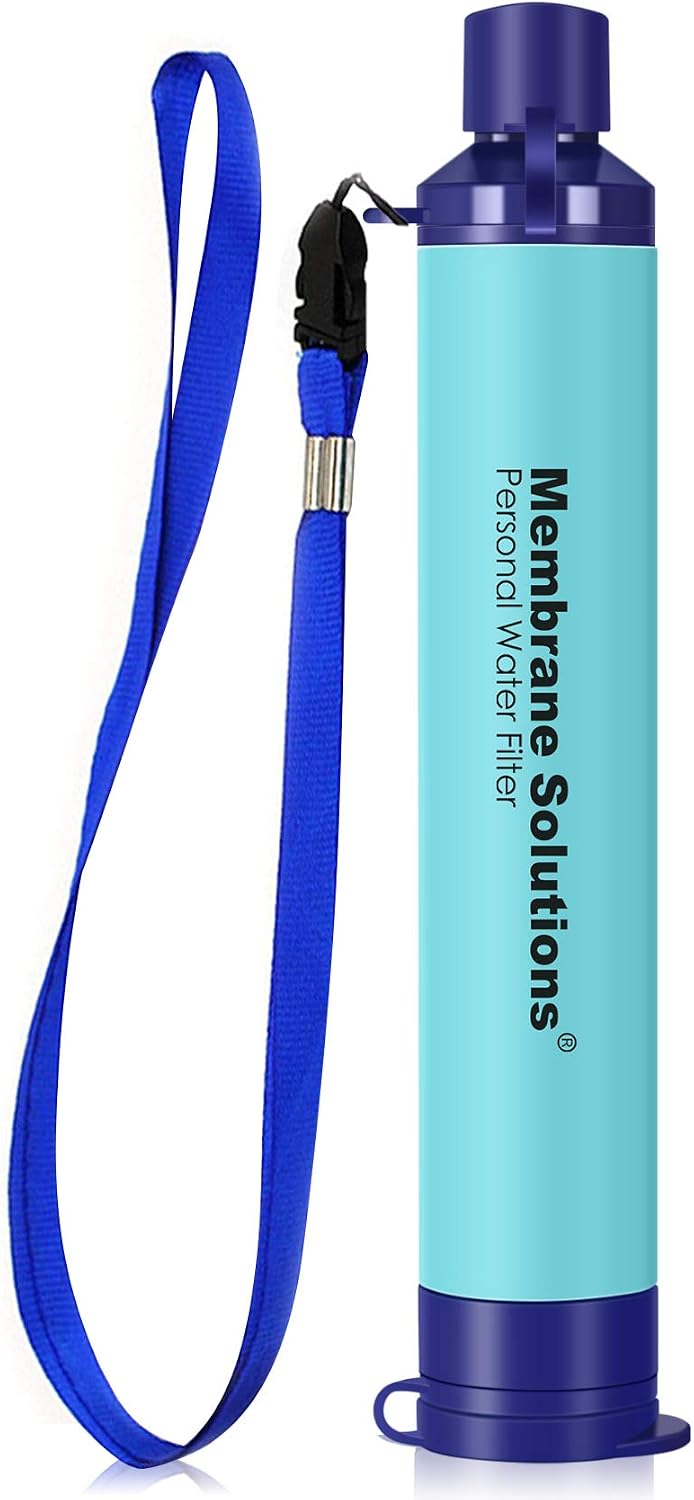
Tap water in Comoros is generally not safe for travelers to drink. The island nation faces significant challenges with water infrastructure, and contamination from bacteria and parasites is common. Visitors should rely on bottled or properly treated water throughout their stay.
Quick Reference
| Concern | Our Advice | |
|---|---|---|
| Drink tap water? | ❌ | Use bottled or filtered water |
| Brush teeth? | ❌ | Use bottled or filtered water |
| Wash fruits / veg? | ❌ | Wash with filtered or bottled water |
| Use ice in drinks? | ❌ | Avoid unless confirmed purified |
| Shower safely? | ✅ | Yes |
| Filter bottle needed? | ❌ | Strongly recommend a Membrane Solutions Filter Straw for all travelers |
| Common risks | Bacterial contamination, Parasitic infections, E. coli, Cholera, Waterborne diarrheal diseases, Untreated sewage contamination |

Key Statistics


Affiliate links — we earn a small commission at no extra cost to you.
Water Infrastructure & Supply
Comoros, an archipelago of volcanic islands in the Indian Ocean between Madagascar and Mozambique, has a fragmented water supply system that reflects decades of underinvestment. The national water utility, MA-MWE (Socit Comorienne de l'Eau et de l'Electricit), manages water distribution in urban centers, but coverage remains limited and service is often intermittent. Many communities, particularly in rural areas, rely on untreated springs, rainwater collection, and shallow wells that are vulnerable to contamination.
The water infrastructure varies significantly between the three main islands , Grande Comore (Ngazidja), Mohli (Mwali), and Anjouan (Ndzuwani). Grande Comore has particularly challenging water supply conditions due to its porous volcanic geology, which means there are virtually no surface rivers, and groundwater is deep and difficult to access. Water is often collected from cisterns or purchased from vendors. Anjouan has more surface water but faces deforestation-driven watershed degradation that threatens supply quality and reliability.
Several international development projects have sought to improve water access. The African Development Bank has funded water supply projects in Moroni and other urban areas. The World Bank and UNICEF have supported rural water supply programs focusing on spring protection and gravity-fed distribution systems. Despite these efforts, aging pipes, lack of water treatment facilities, and inadequate sanitation infrastructure mean that water quality remains unreliable across the country.
Contamination & Health Risks
Waterborne diseases are a significant public health concern in Comoros. Bacterial contamination, including E. coli and Vibrio cholerae, has been documented in water sources across all three islands. Comoros has experienced periodic cholera outbreaks, and typhoid fever, hepatitis A, and parasitic infections are endemic. The lack of comprehensive water treatment means that even piped water often does not meet WHO drinking water guidelines.
Key pollution sources include untreated domestic sewage, agricultural runoff, and animal waste contaminating water sources. The absence of centralized wastewater treatment on all three islands means raw sewage frequently enters coastal waters and groundwater. Deforestation on Anjouan has increased soil erosion, leading to higher turbidity and contamination of surface water sources. Flooding during the rainy season (November to April) can further compromise water quality.
For travelers, the practical risks are significant. Drinking untreated tap water, using ice made from tap water, or consuming raw fruits and vegetables washed in tap water can lead to acute gastrointestinal illness. Travelers' diarrhea is extremely common among visitors. Even in hotels in Moroni, the capital, water quality cannot be guaranteed unless the establishment has its own filtration or purification system. Showering is generally safe as long as water is not swallowed, but brushing teeth should be done with bottled or purified water.
Regional Water Quality Breakdown
Moroni (Grande Comore)
cautionAs the capital, Moroni has the most developed water infrastructure, but supply is intermittent and water quality is not reliably treated. Hotels may have their own filtration systems. Travelers should still avoid drinking tap water directly.
Grande Comore (rural areas)
avoidRural Grande Comore has extremely limited water infrastructure due to the volcanic geology that prevents surface water formation. Communities rely on cisterns and rainwater collection, which are prone to contamination. Always carry your own treated water.
Mutsamudu (Anjouan)
cautionMutsamudu, the capital of Anjouan, has piped water from mountain springs, but the system is aging and treatment is minimal. Boil or filter all water before consumption. Water supply can be interrupted during dry seasons.
Anjouan (rural areas)
avoidRural Anjouan faces severe deforestation that has degraded watershed quality. Water sources are frequently contaminated with agricultural runoff and sediment. Protected springs exist in some villages but should not be considered safe without treatment.
Fomboni (Mohli)
cautionFomboni, the main town on Mohli, has basic water supply but limited treatment capacity. Mohli is the least developed of the three islands and water infrastructure is minimal. Use bottled or purified water at all times.
Mohli Marine Park area
avoidThe coastal and rural areas around Mohli Marine Park have very limited water infrastructure. Eco-lodges may provide rainwater or filtered water but quality should be verified. Bring purification supplies if visiting remote areas of the island.
Practical Tips for Travelers
- Always drink bottled or filtered water , never consume tap water directly anywhere in Comoros, including in hotels.
- Bring a portable water filter bottle (such as LifeStraw or Grayl) as a reliable backup, especially when traveling between islands or visiting rural areas. Strongly recommend the Membrane Solutions Filter Straw.
- In Comorian (Shikomori), you can ask for bottled water by saying 'Maji ya chupa' , hotel and restaurant staff will understand this request.
- Avoid ice in drinks unless you can confirm it was made from purified water , most local ice is made from untreated tap water.
- Peel all fruits yourself and avoid raw salads or vegetables that may have been washed in tap water at local restaurants.
- Stock up on bottled water when passing through Moroni, Mutsamudu, or Fomboni, as availability drops significantly in rural areas.
- Carry oral rehydration salts (ORS) in your travel kit , travelers' diarrhea is common and dehydration can happen quickly in Comoros's tropical climate.
- During the rainy season (November, April), be extra cautious with water sources as flooding increases contamination risk significantly.
Bottled Water Availability & Cost
Bottled water is widely available in Comoros, particularly in Moroni and other urban centers. A 1.5-liter bottle typically costs between 500, 1,000 Comorian francs (approximately $1, $2 USD). Local brands are available, though imported brands from Madagascar and the Middle East are also common. In smaller towns and rural areas, bottled water availability can be inconsistent, so it is advisable to stock up in larger towns.
Buying water in bulk (packs of six 1.5-liter bottles) can reduce costs slightly. Hotels and guesthouses sometimes provide filtered or boiled water for guests. Travelers should verify that bottled water seals are intact before purchasing, as refilling of bottles has been reported. A portable water filter or purification tablets are strongly recommended as a backup, especially for travelers venturing beyond the main towns. Using a reusable filter bottle like a LifeStraw or Grayl can save money and reduce plastic waste during your stay.
Frequently Asked Questions
Can I brush my teeth with tap water in Comoros?
No, it is recommended to use bottled or purified water for brushing teeth throughout Comoros. The tap water is not reliably treated and may contain bacteria or parasites that can cause illness even from small amounts ingested during brushing.
Is it safe to shower in tap water in Comoros?
Showering in tap water is generally safe as long as you avoid swallowing any water and keep your mouth closed. If you have open wounds or cuts, consider covering them. For young children, extra care should be taken to prevent accidental ingestion.
Can I use ice in my drinks in Comoros?
Ice should be avoided in Comoros unless you are at an upscale hotel or restaurant that confirms their ice is made from purified water. Most ice in local establishments is made from untreated tap water and carries the same contamination risks.
Do restaurants in Comoros serve safe drinking water?
Most restaurants will serve bottled water if requested. Do not accept tap water or water served from a jug unless you can confirm it has been properly filtered or boiled. In tourist-oriented establishments in Moroni, sealed bottled water is standard.
How much does bottled water cost in Comoros?
A 1.5-liter bottle of water typically costs 500, 1,000 Comorian francs ($1, $2 USD). Prices may be higher in remote areas or at tourist sites. Buying in bulk packs in larger towns is the most economical option.
Is the water quality different on each island in Comoros?
Yes, water quality and availability vary significantly between the three islands. Grande Comore has the most challenging water situation due to its volcanic geology and lack of surface water. Anjouan has more water sources but faces quality issues from deforestation. Mohli is the smallest and least developed. None of the islands have water safe for travelers to drink directly.
Should I get any vaccinations related to water before visiting Comoros?
Yes, the CDC and WHO recommend hepatitis A and typhoid vaccinations for travelers to Comoros, as both diseases can be transmitted through contaminated water and food. Consult a travel medicine specialist at least 4, 6 weeks before your trip.
Can I buy water filters or purification tablets in Comoros?
Water purification supplies are very difficult to find in Comoros. It is strongly recommended to bring your own filter bottle, purification tablets, or UV purification device from home. Some pharmacies in Moroni may carry basic water purification tablets, but availability is unreliable.
Interesting Product Reviews
9 Best Handheld Shower Heads (2026 Review Guide)
Aug 19, 2026
8 Best Waterproof Travel Document Holders (2026 Review Guide)
Aug 24, 2026
6 Best Water Bottles For Kids (2026 Review Guide)
Aug 7, 2026
6 Best Water Filters For Hard Water (2026 Review Guide)
Jul 9, 2026
8 Best Towel Warmers (2026 Review Guide)
Aug 21, 2026