As low as $12
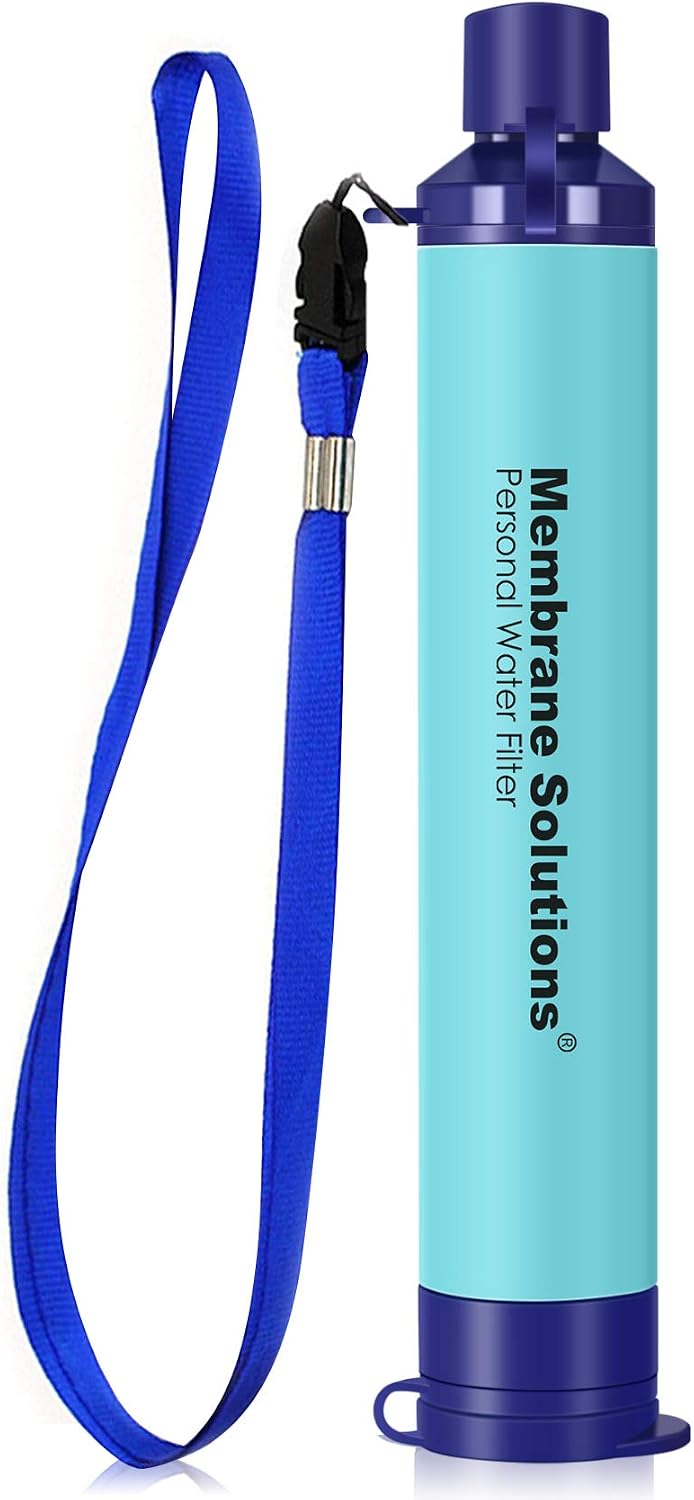
Built for travel, hiking & emergencies - drink safely whether the water is unsafe or just tastes off.
- NSF/ANSI 42, 372 & 401 certified, 0.1 micron filtration
- Filters up to 1,320 gallons - no batteries or pumping
- Ultralight - fits in any bag or pocket
- BPA-free, compatible with standard 28mm bottle threads
Tap water in Andorra is generally safe to drink. The tiny Pyrenean principality benefits from pristine mountain spring sources and modern water treatment infrastructure. Travelers can confidently drink tap water throughout the country, though mineral-rich mountain water may taste different from what you're used to at home.
Quick Reference
| Concern | Our Advice | |
|---|---|---|
| Drink tap water? | ✅ | Yes, safe in most areas |
| Brush teeth? | ✅ | Yes, no concerns |
| Wash fruits / veg? | ✅ | Yes, safe to use tap water |
| Use ice in drinks? | ✅ | Yes, safe in restaurants |
| Shower safely? | ✅ | Yes |
| Filter bottle needed? | ✅ | Not necessary, but a Membrane Solutions Filter Straw can improve taste |
| Common risks | Mineral content variability, Seasonal turbidity from snowmelt, Aging pipes in older buildings |

Key Statistics


Affiliate links — we earn a small commission at no extra cost to you.
Water Infrastructure & Supply
Andorra's water supply relies almost entirely on mountain springs and snowmelt from the Pyrenees, giving it access to some of the purest natural water sources in Europe. The principality has invested heavily in modern treatment facilities, particularly since the tourism boom of the late 20th century. Today, water is managed by FEDA (Forces Elctriques d'Andorra) along with communal authorities across the country's seven parishes.
The water treatment system includes multiple stages of filtration, UV disinfection, and chlorination to ensure potability. Each parish operates its own water distribution network fed by local springs and reservoirs, with the Sant Juli de Lria and Escaldes-Engordany systems being among the largest. Water quality is monitored regularly and must meet standards aligned with EU Drinking Water Directive guidelines, even though Andorra is not an EU member state.
Recent infrastructure improvements have focused on upgrading aging distribution pipes in older town centers and increasing reservoir capacity to handle peak tourist seasons. The government has also invested in wastewater treatment, with the central plant at Sant Juli de Lria handling the majority of sewage. Environmental protection of watershed areas in the high Pyrenees remains a priority to preserve source water quality.
Contamination & Health Risks
Overall health risks from tap water in Andorra are extremely low. The water consistently meets international safety standards, and waterborne disease outbreaks are virtually unheard of. The mountain spring sources are naturally filtered through granite and schist rock formations, resulting in clean water with moderate mineral content.
The primary concern, if any, relates to older buildings in historic town centers where lead or corroded pipes could theoretically leach trace metals into standing water. However, ongoing pipe replacement programs have significantly reduced this risk. Seasonal snowmelt can occasionally increase turbidity in source waters, but treatment plants are equipped to handle these fluctuations.
For travelers, there are no significant health risks associated with drinking tap water anywhere in Andorra. The water is safe for all uses including drinking, cooking, and oral hygiene. Those with extremely sensitive stomachs may notice a slight mineral taste difference compared to their home water supply, but this is not a health concern. No special precautions such as boiling or filtering are necessary.
Regional Water Quality Breakdown
Andorra la Vella
safeThe capital city has excellent water infrastructure with regular testing and modern treatment. Tap water is safe to drink in hotels, restaurants, and residences throughout the city.
Escaldes-Engordany
safeThis parish, famous for the Caldea thermal spa, has high-quality tap water sourced from mountain springs. The area's water system is well-maintained and fully safe for drinking.
Canillo (Grandvalira Ski Area)
safeThe ski resort parish of Canillo provides safe tap water to hotels and lodges. Mountain spring sources are exceptionally clean, and water quality is monitored throughout the tourist season.
Ordino
safeThis quieter northern parish has some of the freshest water in the country, fed directly by high-altitude Pyrenean springs. Water quality is excellent and safe for all uses.
Sant Juli de Lria
safeThe southernmost parish near the Spanish border has modern water treatment facilities and safe drinking water. The area also hosts Andorra's main wastewater treatment plant.
Pas de la Casa (Encamp parish)
safeThis high-altitude border town and ski resort has safe tap water, though the mineral content can be slightly higher due to the geological composition at elevation. The water is fully potable and regularly tested.
Practical Tips for Travelers
- Carry a filter straw (e.g., Membrane Solutions) — it removes bacteria, parasites, and microplastics from any tap or stream. Strongly recommend the Membrane Solutions Filter Straw.
- Tap water is safe to drink everywhere in Andorra , carry a reusable bottle to save money and reduce plastic waste.
- Look for public mountain fountains (fonts) along hiking trails, which often provide fresh, untreated spring water that locals drink regularly.
- In restaurants, you can ask for tap water in Catalan by saying "Aigua de l'aixeta, si us plau" (tap water, please). However, many restaurants may only serve bottled water.
- If staying in a very old building, run the tap for 10-15 seconds before drinking to flush any standing water from older pipes.
- Take advantage of Andorra's duty-free prices to stock up on bottled water cheaply at supermarkets if you prefer it for day trips or skiing.
- During spring snowmelt (April, June), tap water may appear slightly cloudier than usual but remains safe , treatment plants adjust for seasonal changes.
- Hot water from thermal springs (like at Caldea in Escaldes-Engordany) is for bathing only and should never be consumed, as it contains high mineral concentrations.
Bottled Water Availability & Cost
Bottled water is widely available throughout Andorra at supermarkets, convenience stores, ski resort shops, and restaurants. A 1.5-liter bottle typically costs between 0.40 and 1.00 in supermarkets, benefiting from Andorra's low-tax regime. Popular brands include local Pyrenean waters as well as Spanish (Font Vella, Bezoya) and French (Evian, Volvic) imports. In restaurants, a bottle of still or sparkling water usually costs 2.00, 4.00.
Buying in bulk from supermarkets like Pyrnes, Carrefour, or E.Leclerc in Andorra la Vella or Escaldes-Engordany offers the best value, with 6-packs of 1.5L bottles available for around 2.00, 3.50. However, since tap water is perfectly safe, carrying a reusable bottle is both economical and environmentally responsible. Some mountain trails and villages have public fountains (fonts) with fresh spring water that hikers can use to refill bottles for free.
Frequently Asked Questions
Can I brush my teeth with tap water in Andorra?
Yes, absolutely. Tap water in Andorra is safe for brushing teeth throughout the entire country. The water meets strict quality standards and poses no risk for oral hygiene use.
Is it safe to shower in Andorra's tap water?
Yes, showering with tap water in Andorra is completely safe. The water is clean and well-treated. Some people may notice it feels slightly hard due to natural mineral content from mountain sources, which is normal and harmless.
Is ice safe in drinks at Andorran restaurants and bars?
Yes, ice served in restaurants and bars in Andorra is made from safe tap water. You can enjoy iced drinks without any concerns about water quality.
Do restaurants in Andorra serve tap water?
Some restaurants will provide tap water if you ask, but many default to serving bottled water (still or sparkling), which will appear on your bill. Ask specifically for "aigua de l'aixeta" (tap water) in Catalan if you prefer it.
How much does bottled water cost in Andorra?
Bottled water is inexpensive in Andorra due to low taxes. A 1.5L bottle costs 0.40, 1.00 in supermarkets and 2.00, 4.00 in restaurants. Andorra is one of the cheapest places in Europe to buy bottled water.
Can I drink water from mountain streams while hiking in Andorra?
While Andorra's mountain streams are generally very clean, it's advisable to use designated public fountains (fonts) rather than drinking directly from streams, as livestock grazing and wildlife can introduce bacteria at any point upstream.
Is Andorra's tap water fluoridated?
No, Andorra does not add fluoride to its tap water. The water contains only naturally occurring minerals from the Pyrenean spring sources.
Does the water quality change between summer and winter tourist seasons?
Water quality remains consistently safe year-round. Treatment facilities are designed to handle seasonal variations including spring snowmelt and peak tourist demand during ski season. Regular monitoring ensures standards are maintained regardless of season.
Interesting Product Reviews

6 Best Whole House Water Filters For Well Water (2026 Review Guide)
Jul 25, 2026
7 Best Rainwater Collection Barrels (2026 Review Guide)
Aug 22, 2026
6 Best Water Bottles For Kids (2026 Review Guide)
Aug 7, 2026
6 Best Pool Water Clarifiers (2026 Review Guide)
Aug 25, 2026
7 Best Water Filters For Pets (2026 Review Guide)
Aug 4, 2026