As low as $12
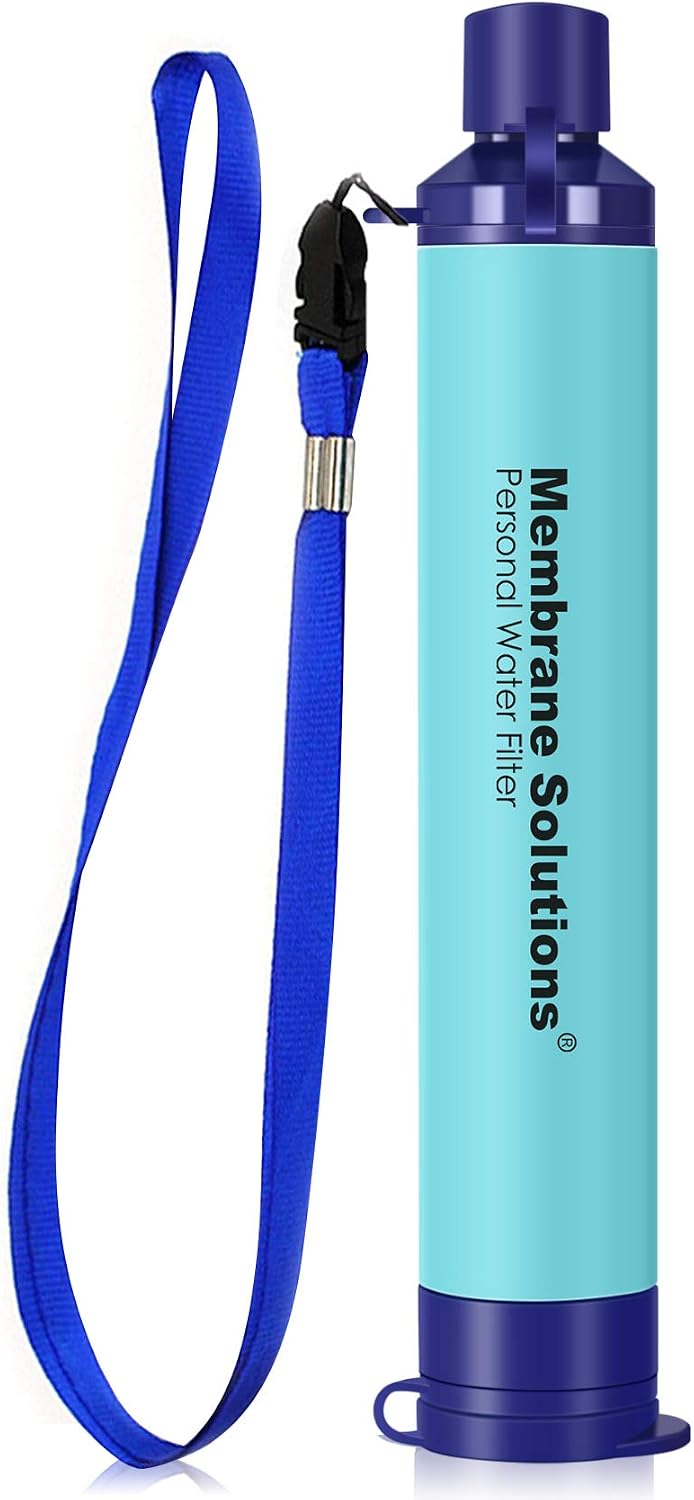
Built for travel, hiking & emergencies - drink safely whether the water is unsafe or just tastes off.
- NSF/ANSI 42, 372 & 401 certified, 0.1 micron filtration
- Filters up to 1,320 gallons - no batteries or pumping
- Ultralight - fits in any bag or pocket
- BPA-free, compatible with standard 28mm bottle threads
Tap water in Morocco is technically treated and chlorinated in major cities, but it is generally not recommended for travelers to drink directly from the tap. Differences in mineral content and residual bacteria can cause stomach upset for visitors unaccustomed to the local water. Bottled water is widely available, inexpensive, and the safest choice for most tourists.
Quick Reference
| Concern | Our Advice | |
|---|---|---|
| Drink tap water? | ❌ | Use bottled or filtered water |
| Brush teeth? | ✅ | Yes, no concerns |
| Wash fruits / veg? | ❌ | Wash with filtered or bottled water |
| Use ice in drinks? | ❌ | Avoid unless confirmed purified |
| Shower safely? | ✅ | Yes |
| Filter bottle needed? | ❌ | Strongly recommend a Membrane Solutions Filter Straw for all travelers |
| Common risks | Bacterial contamination, Parasites (Giardia, Cryptosporidium), High mineral content, Agricultural runoff, Aging pipe infrastructure, Chlorination byproducts |

Key Statistics


Affiliate links — we earn a small commission at no extra cost to you.
Water Infrastructure & Supply
Morocco has invested heavily in water infrastructure since the 1960s, building over 150 large dams to manage its scarce water resources. The national water utility ONEE (Office National de l'lectricit et de l'Eau Potable) manages treatment and distribution in most cities, delivering chlorinated and filtered water to urban areas. Despite these efforts, Morocco is classified as a water-stressed country, with per capita freshwater availability falling below the internationally recognized scarcity threshold of 1,000 m per year.
In major cities like Casablanca, Rabat, and Marrakech, water treatment plants use conventional processes including coagulation, sedimentation, filtration, and chlorination. However, aging distribution networks in older medina quarters and smaller towns can introduce contamination after treatment, with pipe leaks and cross-connections being common problems. The mineral content, particularly calcium and magnesium, is notably high in many regions, which while not dangerous can cause digestive discomfort for visitors.
Morocco launched its National Water Plan 2020-2050, a $40 billion investment program to build new dams, desalination plants, and wastewater treatment facilities. The Casablanca desalination plant, set to be one of Africa's largest, aims to supply 300 million m annually. Rural areas continue to benefit from the PAGER program (Programme d'Approvisionnement Group en Eau Potable des Populations Rurales), which has connected thousands of villages to treated water supplies since its inception.
Contamination & Health Risks
The primary health risks from Moroccan tap water for travelers include gastrointestinal illnesses caused by bacteria (E. coli, Salmonella), parasites (Giardia lamblia, Cryptosporidium), and the adjustment to different mineral compositions. While urban water is treated, the WHO notes that distribution system deficiencies can reintroduce contaminants between the treatment plant and the tap. Travelers are especially vulnerable during their first few days as their digestive systems have not adapted to local microbial flora.
Agriculture is a major source of water pollution in Morocco, with pesticide and fertilizer runoff contaminating surface water sources, particularly in the Souss-Massa, Tadla-Azilal, and Gharb regions. Industrial effluent from textile manufacturing, food processing, and phosphate mining also impacts water quality in certain areas. During drought periods, which have become increasingly common, contaminant concentrations can spike as water sources diminish.
For travelers, the practical risk is primarily traveler's diarrhea, which affects an estimated 20-50% of visitors to North Africa. Avoid drinking tap water directly, be cautious with ice in drinks (particularly at street stalls), and wash or peel fruits and vegetables using bottled or purified water. Restaurants in tourist areas generally use purified water for cooking and ice, but it is wise to confirm this, especially at smaller local establishments.
Regional Water Quality Breakdown
Casablanca
cautionAs Morocco's largest city, Casablanca has modern treatment facilities managed by Lydec (a subsidiary of Veolia). Water quality at the plant is generally good, but aging distribution networks in older neighborhoods can compromise quality. Travelers should stick to bottled water but brushing teeth with tap water is generally fine.
Marrakech
cautionMarrakech receives treated water from the Lalla Takerkoust and Moulay Youssef dams. The medina's ancient plumbing infrastructure can introduce contamination, and the water has high mineral content. Tourist hotels typically have good internal filtration, but drinking tap water is not advisable.
Fes
cautionFes has some of the oldest water infrastructure in Morocco, particularly in the ancient medina. The tannery district and industrial runoff pose localized contamination risks. Travelers should rely exclusively on bottled or filtered water, especially in the old city.
Chefchaouen & Rif Mountains
cautionChefchaouen benefits from mountain spring water that locals drink regularly, and water quality is considered better than in many Moroccan cities. However, travelers unaccustomed to the local microbial environment should still exercise caution and consider using a filter bottle.
Saharan Regions (Ouarzazate, Merzouga, Zagora)
avoidDesert and semi-arid regions face severe water scarcity and often rely on groundwater with very high mineral content and potential contamination. Water infrastructure is limited, and travelers should absolutely rely on sealed bottled water at all times in these areas.
Agadir & Souss-Massa
cautionAgadir's water comes from desalination and groundwater sources. Agricultural runoff from the surrounding Souss plain can affect water quality. The city has invested in new desalination capacity, but travelers should still prefer bottled water for drinking.
Practical Tips for Travelers
- Carry a filter straw (e.g., Membrane Solutions) — it removes bacteria, parasites, and microplastics from any tap or stream. Strongly recommend the Membrane Solutions Filter Straw.
- Always drink sealed bottled water and check that the cap seal is intact before purchasing , refilled bottles are occasionally sold by unscrupulous vendors.
- In Moroccan Arabic (Darija), ask for bottled water by saying 'Lma dial l-qar3a' ( ) or simply 'Sidi Ali' , the most popular brand name that locals will immediately understand.
- Carry a filtered water bottle (such as LifeStraw Go or Grayl GeoPress) to safely drink tap water while reducing plastic waste during your trip.
- Avoid ice in drinks at street food stalls and small local cafes, as it may be made from unfiltered tap water. Ice in upscale restaurants and international hotel bars is generally safe.
- When eating fresh salads or fruits at market stalls, ask if they were washed with treated water, or peel fruits yourself. Cooked street food like tagine and msemen is generally safe.
- Moroccan mint tea (atay) is boiled and therefore safe to drink everywhere , it's also a wonderful way to stay hydrated and experience local hospitality.
- In desert excursions to Merzouga or the Draa Valley, bring more bottled water than you think you'll need , dehydration is a serious risk and water availability is limited.
- If you experience traveler's diarrhea, use oral rehydration salts (available at any Moroccan pharmacy as 'SRO') and stay hydrated with bottled water. Most pharmacies are well-stocked and pharmacists speak French.
Bottled Water Availability & Cost
Bottled water is ubiquitous in Morocco and very affordable. A 1.5-liter bottle of local brands such as Sidi Ali, Sidi Harazem, or Ain Saiss typically costs 5-8 MAD (about $0.50-$0.80 USD) in grocery stores and small shops. In restaurants and tourist areas, prices may rise to 15-25 MAD ($1.50-$2.50 USD). The premium brand Ain Ifrane is slightly more expensive but widely considered the best-tasting option.
Buying water in bulk (packs of six 1.5L bottles) from supermarkets like Marjane, Carrefour, or Acima is the most economical approach and typically costs 25-35 MAD per pack. Travelers concerned about plastic waste should consider investing in a filtered water bottle such as a LifeStraw or Grayl, which allows safe consumption of tap water while reducing single-use plastic. Many riads and hotels now offer filtered water stations or provide complimentary bottled water to guests.
Frequently Asked Questions
Can I brush my teeth with tap water in Morocco?
Yes, brushing your teeth with tap water in Moroccan cities is generally safe, as the small amount of water involved poses minimal risk. However, avoid swallowing the water, and if you have a very sensitive stomach or are in a rural area, you may prefer to use bottled water.
Is it safe to shower in Moroccan tap water?
Yes, showering with tap water in Morocco is completely safe. The chlorinated water will not harm your skin or hair. Just be careful not to swallow water while showering, especially if you're in rural areas or older accommodations.
Is ice safe in Moroccan restaurants?
In upscale restaurants, tourist hotels, and established cafes in major cities, ice is typically made with purified water and is safe. However, at street food stalls and small local eateries, ice may be made from tap water. When in doubt, order drinks without ice or stick to hot mint tea.
Do restaurants in Morocco serve safe water?
Most restaurants serve sealed bottled water (Sidi Ali or Ain Saiss are common brands). If a restaurant brings you an open carafe of water, it's likely tap water and best avoided. Always ask for sealed bottles and check the cap seal yourself.
How much does bottled water cost in Morocco?
A 1.5-liter bottle costs 5-8 MAD ($0.50-$0.80 USD) in shops and 15-25 MAD ($1.50-$2.50 USD) in restaurants. Buying six-packs from supermarkets is the most economical option at around 25-35 MAD per pack.
Can I drink the tap water in Moroccan hotels?
Even in luxury hotels, it's best not to drink tap water directly. Many upscale hotels provide complimentary bottled water in rooms or have filtered water stations. Some modern hotels have their own filtration systems, but unless explicitly stated, stick to bottled water.
Is Moroccan tap water safe for making baby formula?
No, you should always use sealed bottled water (preferably a low-mineral brand like Sidi Ali) for preparing baby formula in Morocco. Boil the bottled water first as an extra precaution, then let it cool before mixing with formula.
Why does Moroccan tap water taste different?
Moroccan tap water has a noticeably different taste due to high mineral content (calcium, magnesium) and chlorine used for disinfection. The water is 'hard' in most regions, which is safe for locals accustomed to it but can cause digestive discomfort for travelers. This is why bottled water is recommended.
Interesting Product Reviews
7 Best Water Filters For Aquariums (2026 Review Guide)
Aug 4, 2026
7 Best Water Quality Monitors (2026 Review Guide)
Aug 16, 2026
7 Best Rainwater Collection Barrels (2026 Review Guide)
Aug 22, 2026
6 Best Water Bottles For Kids (2026 Review Guide)
Aug 7, 2026
6 Best Tds Meters (2026 Review Guide)
Aug 3, 2026