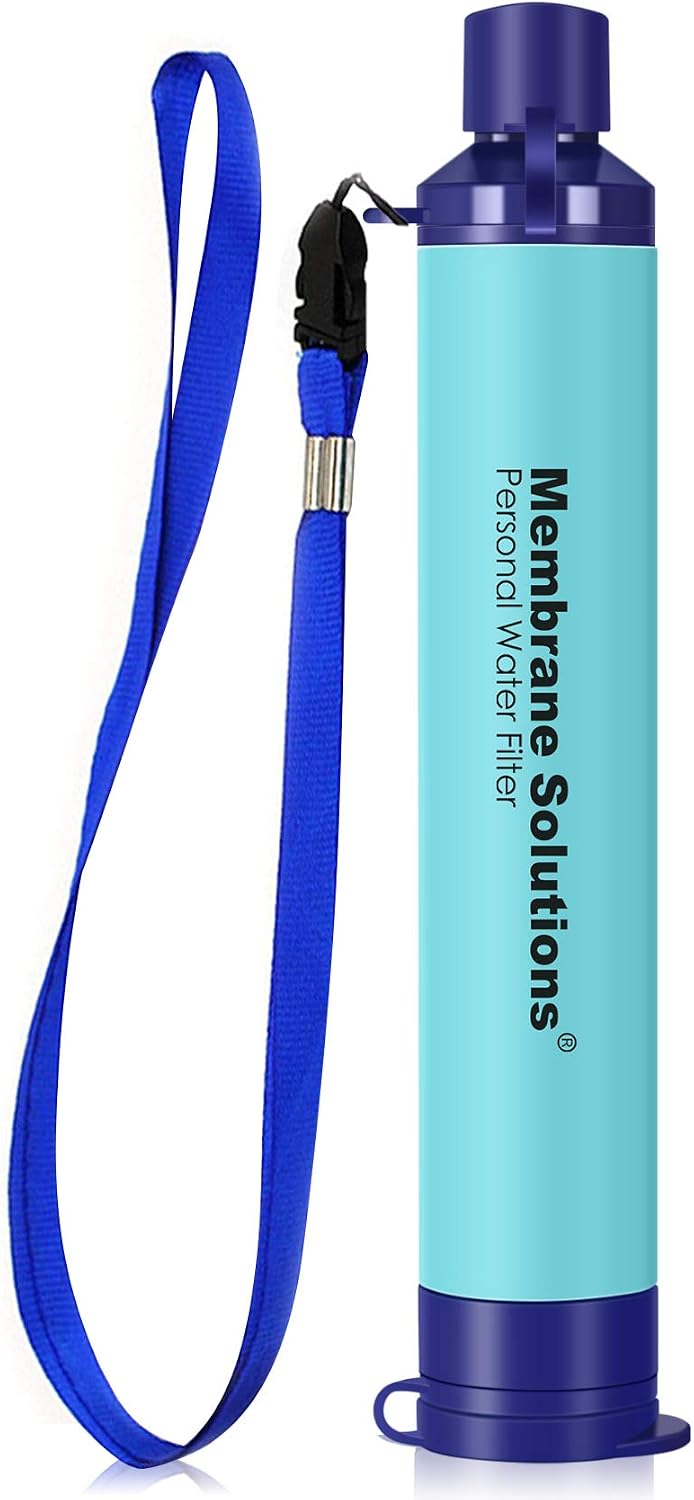
As low as $12
Built for travel, hiking & emergencies - drink safely whether the water is unsafe or just tastes off.
- NSF/ANSI 42, 372 & 401 certified, 0.1 micron filtration
- Filters up to 1,320 gallons - no batteries or pumping
- Ultralight - fits in any bag or pocket
- BPA-free, compatible with standard 28mm bottle threads
Tap water in Bahrain is produced primarily through desalination and is technically treated to international standards. However, aging pipes and storage tanks in many buildings can compromise water quality at the point of use, so most travelers and residents prefer bottled or filtered water for drinking. Brushing teeth and showering with tap water is generally safe throughout the country.
Quick Reference
| Concern | Our Advice | |
|---|---|---|
| Drink tap water? | ❌ | Use bottled or filtered water |
| Brush teeth? | ✅ | Yes, no concerns |
| Wash fruits / veg? | ✅ | Yes, safe to use tap water |
| Use ice in drinks? | ✅ | Yes, safe in restaurants |
| Shower safely? | ✅ | Yes |
| Filter bottle needed? | ❌ | Strongly recommend a Membrane Solutions Filter Straw for all travelers |
| Common risks | Pipe corrosion and heavy metals, Storage tank contamination, Elevated total dissolved solids, Residual chlorine taste, Bacterial contamination from old plumbing |

Key Statistics


Affiliate links — we earn a small commission at no extra cost to you.
Water Infrastructure & Supply
Bahrain's water supply has evolved dramatically over the past century. Historically, the island relied on natural freshwater springs (known locally as 'ain'), but rapid urbanization and aquifer depletion forced the kingdom to invest heavily in desalination technology starting in the 1970s. Today, the Electricity and Water Authority (EWA) manages a modern network that blends desalinated seawater with treated groundwater.
The country operates several major desalination plants, including the Al Hidd and Al Dur facilities, which use reverse osmosis and multi-stage flash distillation technologies. Water is chlorinated and mineralized before distribution through an extensive pipe network. However, many buildings, particularly older residential and commercial properties, use rooftop storage tanks that may not be regularly cleaned or maintained, which can introduce bacteria or sediments between the treatment plant and the tap.
Bahrain has invested significantly in infrastructure upgrades under its Vision 2030 plan. The government has expanded the Al Dur desalination plant capacity and is upgrading distribution networks to reduce water loss. The EWA has also introduced smart metering systems to monitor water quality in real time across the grid, aiming to ensure consistent quality at every delivery point.
Contamination & Health Risks
The water leaving Bahrain's desalination plants meets WHO drinking water guidelines and is regularly tested by the EWA. However, contamination risks increase at the last mile of delivery. Rooftop storage tanks, common in apartments and older hotels, can harbor bacterial growth, rust particles, and sediment if not properly maintained. Studies have found elevated levels of total dissolved solids and occasional traces of heavy metals in samples taken from building taps.
Bahrain's hot climate also plays a role: high ambient temperatures can accelerate microbial growth in poorly insulated storage tanks, and water sitting in exposed pipes can reach temperatures that degrade residual chlorine, reducing its disinfecting power. Industrial activity around certain areas may also contribute trace pollutants to groundwater sources that are blended into the supply.
For travelers, the practical risk of serious illness from tap water is low, but gastrointestinal discomfort is possible, especially for those with sensitive stomachs or when staying in older accommodations. The main concern is the taste and potential contaminants from building-level infrastructure rather than the municipal supply itself. Using a filter bottle or drinking bottled water for consumption is a sensible precaution.
Regional Water Quality Breakdown
Manama
cautionAs the capital and main tourist hub, Manama has modern infrastructure but many older buildings with aging pipes and storage tanks. Hotels in newer developments generally have better water quality. Using filtered or bottled water for drinking is recommended.
Muharraq
cautionMuharraq includes the airport area and historic districts with older plumbing systems. While the municipal supply is treated, building-level contamination is possible. Travelers should stick to bottled or filtered water for drinking.
Amwaj Islands
safeThis modern residential and resort development features newer infrastructure with well-maintained water systems. Water quality at the tap tends to be better than in older parts of the country, though many residents still prefer filtered water for taste.
Riffa
cautionRiffa is a large residential city south of Manama with a mix of old and new developments. Water quality varies depending on building age and tank maintenance. Newer compounds generally provide better tap water quality.
Seef District
safeThe Seef District is a modern commercial and hotel area with relatively new buildings and well-maintained infrastructure. Major international hotels here typically have good water filtration systems, though bottled water is still provided for guests.
Hamad Town
cautionThis planned residential city has infrastructure dating from the 1980s. Some areas have older pipe networks that may affect water quality at the tap. Drinking bottled or filtered water is advisable for visitors staying in this area.
Practical Tips for Travelers
- Use a filter bottle or portable water filter for drinking tap water, especially in older buildings , this addresses the main risk from aging pipes and storage tanks. Strongly recommend the Membrane Solutions Filter Straw.
- Ask for bottled water at restaurants by saying 'moya mu'abba' ( ) in Arabic, or simply request 'bottled water' as English is widely spoken in Bahrain.
- Check if your hotel room provides complimentary bottled water , most mid-range and upscale hotels in Bahrain include it as standard.
- Ice in restaurants and hotels is generally safe as it is typically made from filtered or bottled water, especially in tourist areas and international chains.
- If staying in a serviced apartment, ask the management when the rooftop water tank was last cleaned , well-maintained tanks significantly improve tap water quality.
- Avoid drinking from public water fountains or garden taps, as these may be connected to non-potable groundwater sources used for irrigation.
- For extended stays, order 5-gallon water dispensers from local delivery services , it's far more economical and environmentally friendly than buying individual plastic bottles.
- Tap water is safe for cooking, as boiling eliminates any bacterial concerns. Use it freely for making tea, coffee, and cooking rice or pasta.
Bottled Water Availability & Cost
Bottled water is widely available across Bahrain in supermarkets, cold stores, hotels, and restaurants. Popular local and regional brands include Tylos, Sannine, Al Ain, and Masafi. A 500ml bottle typically costs 0.100, 0.200 BHD (approximately $0.25, $0.55 USD), while a 1.5-liter bottle ranges from 0.200, 0.400 BHD ($0.55, $1.05 USD). In restaurants and hotels, prices can be higher, with a small bottle costing up to 0.500, 1.000 BHD.
For longer stays, purchasing 5-gallon (18.9L) dispenser bottles from delivery services like Tywalet or local supermarkets is economical, costing around 1.000, 1.500 BHD ($2.65, $4.00 USD) per jug. Many hotels provide complimentary bottled water in rooms. Travelers concerned about plastic waste should consider investing in a reusable bottle with a built-in filter, which works well with Bahrain's municipal water and significantly reduces single-use plastic consumption.
Frequently Asked Questions
Can I brush my teeth with tap water in Bahrain?
Yes, brushing teeth with tap water in Bahrain is safe. The municipal water is chlorinated and treated to WHO standards. The small amount used for brushing poses no health risk, even in areas with older plumbing.
Is it safe to shower with tap water in Bahrain?
Absolutely. Showering with Bahrain's tap water is completely safe. The water is treated and disinfected. Some people with sensitive skin may notice dryness due to the desalinated water's mineral content, but there are no health concerns.
Is ice safe in Bahrain restaurants and bars?
Yes, ice is generally safe in Bahrain's restaurants, hotels, and bars. Most establishments use filtered or commercially produced ice. Bahrain has strict food safety regulations, and major restaurants and international chains follow high hygiene standards.
Do restaurants in Bahrain serve tap water or bottled water?
Most restaurants in Bahrain serve bottled water by default, and it is common to be charged for it. Some local eateries may offer free tap water, but tourist-oriented restaurants almost always provide branded bottled water. You can request tap water, but it's not the norm.
How much does bottled water cost in Bahrain?
A 500ml bottle costs around 0.100, 0.200 BHD (about $0.25, $0.55 USD) in shops. In restaurants and hotels, expect to pay 0.500, 1.000 BHD ($1.30, $2.65 USD). Bulk 5-gallon jugs for home delivery cost approximately 1.000, 1.500 BHD.
Why don't locals drink tap water in Bahrain if it's treated?
While Bahrain's desalination plants produce water that meets international standards, most residents avoid drinking it due to concerns about old building pipes, uncleaned rooftop storage tanks, and the taste. The issue is typically with building-level infrastructure rather than the municipal supply itself.
Is Bahrain's desalinated water safe to drink?
The desalinated water produced by Bahrain's plants is safe and meets WHO guidelines. It is remineralized and chlorinated before distribution. The quality concern arises during delivery through older pipe networks and building storage systems, not at the treatment plant level.
Can I use tap water to wash fruits and vegetables in Bahrain?
Yes, washing fruits and vegetables with tap water in Bahrain is safe. The chlorination in the municipal supply is sufficient to clean produce. For extra precaution, you can use a mild vinegar rinse, but this is not strictly necessary.
Traveling Nearby?
Check tap water safety in neighboring countries:
Bangladesh Yemen Taiwan TajikistanInteresting Product Reviews
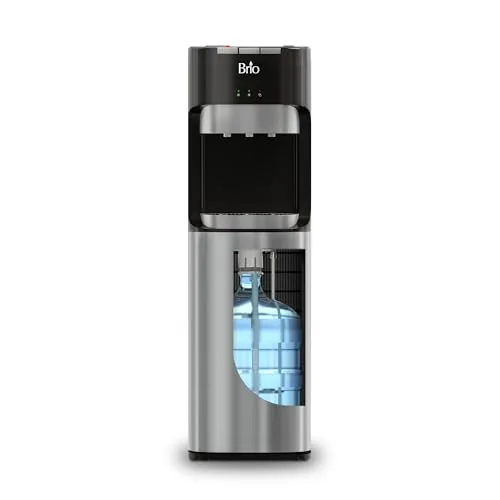
6 Best Water Coolers For Home (2026 Review Guide)
Aug 10, 2026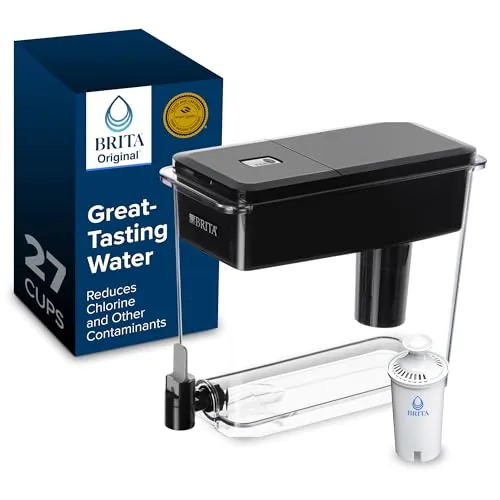
8 Best Water Filter Pitchers (2026 Review Guide)
Jul 18, 2026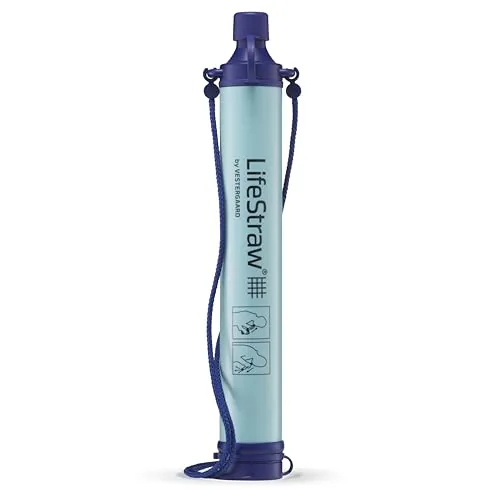
8 Best Water Filters For Hiking (2026 Review Guide)
Jul 19, 2026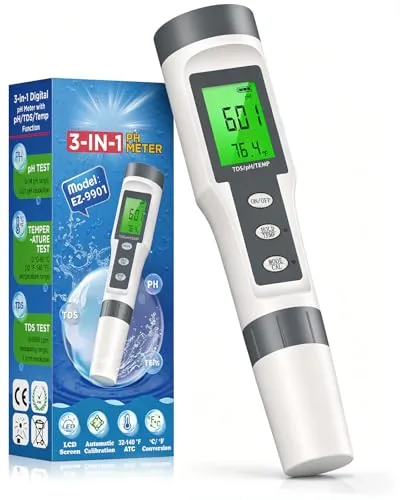
9 Best Ph Meters For Drinking Water (2026 Review Guide)
Aug 4, 2026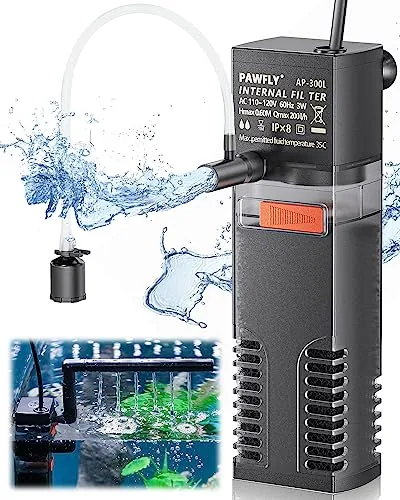
7 Best Water Filters For Aquariums (2026 Review Guide)
Aug 4, 2026